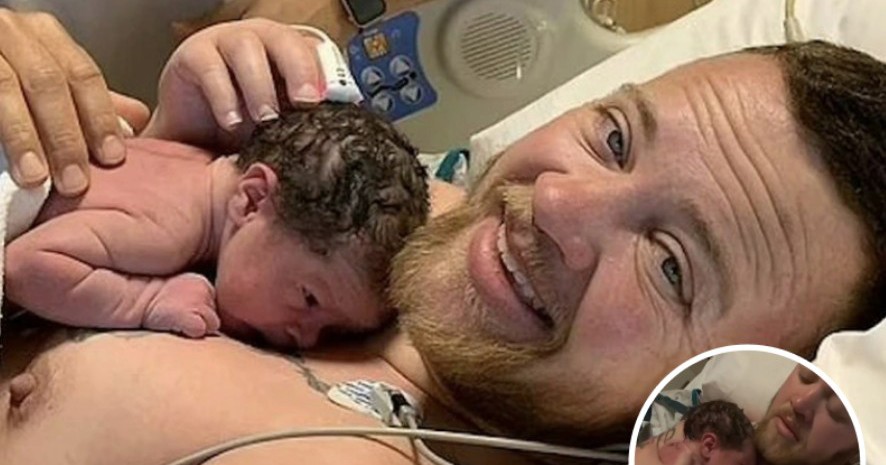
These days, using someone’s preferred name and pronouns is the best way to demonstrate respect and acknowledgment of their identity

In contemporary society, affirming a person’s preferred name and pronouns is widely regarded as a fundamental sign of respect for their identity. As understanding of gender diversity grows, so does recognition of the need to address individuals according to their self-identified pronouns and names. This practice not only supports the dignity and well-being of people who are transgender or non-binary but also reflects broader commitments to inclusion and respect, regardless of sexual orientation or gender identity.
The Evolution of Name and Pronoun Usage
Over the past decade, conversations around gender identity and expression have entered mainstream cultural and social discourse. Many workplaces, schools, and health care providers have adapted policies to ensure individuals are addressed according to their self-chosen names and pronouns. These changes are grounded in research from organizations such as the American Psychological Association, which affirms that using correct pronouns helps reduce stigma and supports mental health outcomes for transgender and non-binary individuals.
Nevertheless, not everyone practices these standards. Some continue to adhere to older linguistic and social conventions, or may be unaware of contemporary understandings of gender. For people navigating these circumstances, the consequences can be especially pronounced in sensitive settings like education, employment, and health care.
A Personal Story: Bennett Kaspar-Williams and the Modern Family
Bennett Kaspar-Williams, a resident of Los Angeles, embodies the realities of these social shifts. Now 37, Bennett became widely recognized after welcoming their son Hudson via cesarean section in October 2020, with the support of their husband, Malik. At the time, Bennett identified as male, using he/him/his pronouns, though today Bennett identifies as non-binary and uses both he/him/his and they/them pronouns.
Their journey to parenthood involved carefully considered decisions. After realizing they were transgender in 2011, Bennett began transitioning in 2014. When Bennett and Malik decided to start a family, they knew it would mean temporarily pausing testosterone therapy to allow ovary function to resume. Despite having undergone top surgery, Bennett had not had lower-body procedures, and ultimately felt comfortable carrying a child.
“We had only been trying a short while, so we expected the process to take longer than it did,” Bennett later recounted.
Challenges in Health Care Environments
Kaspar-Williams’s experience in the medical system during pregnancy reflects a broader issue: despite filling out medical paperwork specifying their gender and preferred pronouns, Bennett was repeatedly misgendered by staff, being referred to as a mother instead of a father. This pattern proved deeply disheartening and, for many transgender or non-binary patients, is not uncommon in health care settings.
The time surrounding Hudson’s birth coincided with the escalation of the COVID-19 pandemic, compounding anxiety and complicating an already complex situation. “This was just about a week before we went into lockdown here in March 2020, so my high spirits were pretty quickly replaced by anxiety around the pandemic and how I would keep myself and my baby safe,” Bennett recalled.
Despite this, Bennett and Malik navigated the pregnancy and childbirth process, which they later described as emotionally rewarding but also marked by unnecessary distress caused by repeated misgendering during hospital visits.
Understanding the Impact of Misgendering
Misgendering — referring to or addressing someone using language that does not align with their affirmed gender — is increasingly recognized as a factor affecting mental health. According to the American Psychological Association, individuals who are misgendered experience increased stress, anxiety, and feelings of alienation.
Bennett explained, “The only thing that made me dysphoric about my pregnancy was the misgendering that happened to me when I was getting medical care for my pregnancy.” Despite their efforts to communicate their identity, the staff’s assumptions underscored how deeply ingrained gendered language and practices are in pregnancy-related care.
After Hudson’s birth, Bennett has used their platform to raise awareness that childbirth is a physical process distinct from gender identity, and that health care and society at large should respect the language preferences of all individuals experiencing pregnancy.
The Complexity of Language in Parenting and Gender
The association between pregnancy, parenthood, and the words “mother” and “woman” is rooted in longstanding cultural and institutional frameworks. Modern discussions, especially in the fields of gender studies and health care, are challenging these assumptions. In an interview with the New York Post, Bennett described how “the business of pregnancy – and yes, I say business, because the entire institution of pregnancy care in America is centred around selling this concept of ‘motherhood’ – is so intertwined with gender that it was hard to escape being misgendered.”
Bennett’s experience illustrates that being born with a uterus does not guarantee the ability to conceive or carry a pregnancy, and that these aspects of biology should not be conflated with gender or parental roles. “No one can ever really know whether having children is possible until you try — being born with a uterus doesn’t make conceiving or carrying a certainty,” Bennett shared, emphasizing the importance of decoupling notions of womanhood and motherhood.
This conversation is not unique to Bennett or transgender individuals. Many families today are formed in ways that challenge traditional norms, including through adoption, surrogacy, and same-sex parenting, further broadening societal understanding of gender, biology, and caring roles.
Healthcare: Adapting to Gender Diversity
Medical institutions are increasingly called upon to adapt both language and practices to more inclusively serve transgender, non-binary, and gender-diverse patients. Major organizations such as the Centers for Disease Control and Prevention and the World Health Organization advocate for practices that eliminate barriers to care, including the routine use of patients’ chosen names and pronouns.
Addressing these issues has important implications for health equity. Studies from the Mayo Clinic have shown that gender-sensitive care can improve health outcomes and patient satisfaction. In response, hospitals are developing training modules and resources to help staff recognize and respect diverse gender identities and expressions.
Expanding the Conversation: Society, Media, and Policy
The discussion around gendered parenting language extends beyond the healthcare field. Media coverage, public policy, and online dialogue continue to play a role in shaping perceptions. For instance, debates surrounding events such as the inclusion of transgender women in the Miss Universe pageant or public reactions to controversies at fitness centers highlight society’s ongoing negotiation with concepts of gender and inclusion.
In some countries, legislation has emerged protecting rights to self-identify gender and name on legal documents, schooling, and health care forms. However, other regions continue to grapple with the implications of such measures, reflecting varying cultural, legal, and political landscapes.
Expert Views on Affirmation and Respect
Experts in psychology, social work, and medicine universally emphasize the importance of affirmation to the mental and physical health of transgender and non-binary people. According to the World Health Organization and research published by the Centers for Disease Control and Prevention, acceptance and the use of appropriate names and pronouns are associated with lower risks of depression, anxiety, and self-harm.
Medical education programs are increasingly embedding gender diversity training into curriculum, following recommendations from the American Medical Association. Such initiatives not only improve the quality of care but also create a more welcoming and supportive society for all people, regardless of gender identity.
Global Perspectives and Ongoing Challenges
Around the world, the lived experiences of transgender, non-binary, and gender-diverse parents demonstrate a shared need for broader acceptance and understanding. Some countries lead in implementing policies and protections, while others face cultural resistance. International organizations continue to urge governments, schools, and workplaces to foster supportive environments both through language and action.
Bennett Kaspar-Williams’s story is a powerful case study in the broader conversation about gender, parenting, and identity. It signals the need for ongoing education, openness, and policy reform to ensure all individuals feel respected and recognized.
Conclusion: Respect, Affirmation, and the Future
The use of an individual’s preferred name and pronouns is not simply a matter of courtesy; it is a profound affirmation of identity. As society continues to reckon with concepts of gender, respect for individuals’ self-identification remains at the heart of progress in equality and dignity. As stories like Bennett Kaspar-Williams’s illustrate, systemic changes in language, healthcare, and policy are essential for ensuring that all parents — regardless of gender identity — can embark on their journeys with the respect and affirmation they deserve.
Sources
- Reuters
- BBC
- Al Jazeera
- The Guardian
- World Health Organization (WHO)
- Centers for Disease Control and Prevention (CDC)
- Mayo Clinic
Disclaimer: This content is intended for entertainment purposes only and is not based on real events.