
Every old house tells a story, written not in ink, but in timber, iron, and stone. Walking through the front door of a historic residence is akin to stepping inside a living time capsule, where every creak of the floorboards and every curve of the woodwork whispers secrets of the past. Long before the era of open-concept living and modern smart appliances, houses were built with a deep appreciation for craftsmanship, local folklore, and clever everyday solutions. Subtle architectural touches—such as narrow phone niches tucked into hallway walls or milk doors built into kitchen foundations—offer fascinating glimpses into the daily rhythms and technological developments of bygone eras.
Among all the structural elements within a classic home, few carry as much architectural majesty and symbolic weight as the central staircase. Historically positioned near the front entrance, the staircase was designed to serve as both a grand visual statement and a vital arterial pathway connecting the public gathering spaces below with the private sanctuaries above. Upon closer inspection, these historic staircases frequently reveal intricate, mysterious details that modern observers might easily overlook. From delicate brass corner protectors gleaming in the soft light to a single, strangely inverted spindle, the architectural features of a vintage staircase reflect a captivating blend of practical ingenuity, Victorian culture, and age-old superstition.
The Mystery of the Dust Corner: Victorian Elegance Meets Everyday Cleanliness
In the late nineteenth century, as the Industrial Revolution transformed domestic life, home design began to balance artistic flourish with functional practicality. During the 1890s, homeowners faced a surprisingly persistent household challenge: the tedious task of cleaning dense dust, soot, and debris out of the sharp, ninety-degree angles of hard-wood stair treads. Before the widespread invention and accessibility of electric vacuum cleaners, cleaning a wooden staircase required painstaking manual labor using stiff-bristled brooms and hand brushes. Dust naturally accumulated in the tightest corners, proving exceptionally difficult to dislodge from the delicate wood grain.
To solve this everyday frustration, clever metalworkers and home designers created a simple yet brilliant invention: the stair corner dust guard. These tiny, triangular metal plates were installed directly into the rear corners of each step, effectively rounding off the sharp right angles where the tread met the riser and the stringer. By creating a smooth, concave surface, dust guards prevented dirt from settling deep into the inaccessible crevices of the wood. A single, swift stroke of a broom could easily sweep away debris, turning a time-consuming domestic chore into a seamless, efficient routine.

Beyond their obvious utility, dust guards quickly evolved into an expression of artistic pride and decorative charm. Crafted primarily from brass, copper, or cast iron, these small accents were frequently stamped with elaborate floral motifs, geometric Victorian patterns, or celestial symbols like stars and sunbursts. Today, these vintage accents remain a favorite detail for restoration enthusiasts and DIY home renovators looking to infuse historic character into modern spaces. Tucking polished brass corner guards into wooden staircases, fireplace mantle moldings, or built-in shelving offers an elegant, historical touch that honors the practical genius of Victorian home design.
The Artistry of the Stair Rod: Securing Heritage Across the Generations
Stepping onto a grand staircase in a turn-of-the-century home, one is often greeted by the rich texture of a central carpet runner stretching upward toward the landing. In historic interiors, these lush textiles served a dual purpose, muffling the sound of footsteps on hardwood treads while adding warmth and vibrant color to the entrance hall. To hold these heavy woven runners securely in place, craftsmen relied on a distinctive architectural feature known as the stair rod.
Positioned horizontally across the back crease of each step where the riser meets the tread, stair rods were long, slender metal cylinders secured at either end by decorative brackets. According to historical renovation experts, these rods provided the tension necessary to prevent thick carpets from slipping or bunching underfoot, ensuring safe passage for family members and guests. In an era before modern carpet adhesives and pneumatic tack strips, stair rods represented the perfect union of structural engineering and interior design.
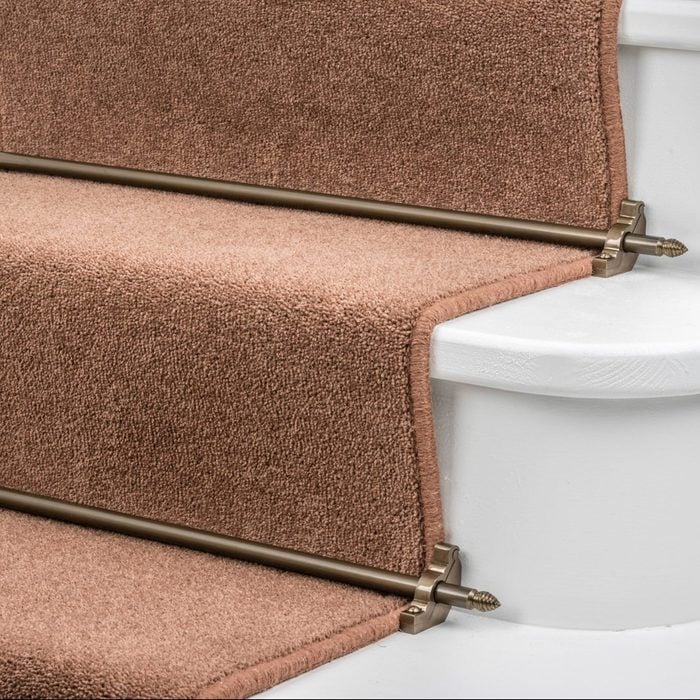
As the decades progressed and modern carpet installation techniques evolved to rely on concealed staples and heavy-underlayment tack strips, the structural necessity of the stair rod gradually shifted. Today, stair rods are appreciated primarily as an aesthetic detail, adding a layer of classic sophistication and visual structure to home interiors. Whether fashioned from antiqued brass, wrought iron, or polished chrome with ornate finials, stair rods continue to serve as a stunning design element. They bridge the gap between historic craftsmanship and contemporary elegance, reminding us that functional hardware can also serve as a timeless work of art.
The Inverted Spindle: Folklore, Superstition, and the Imperfect Hand
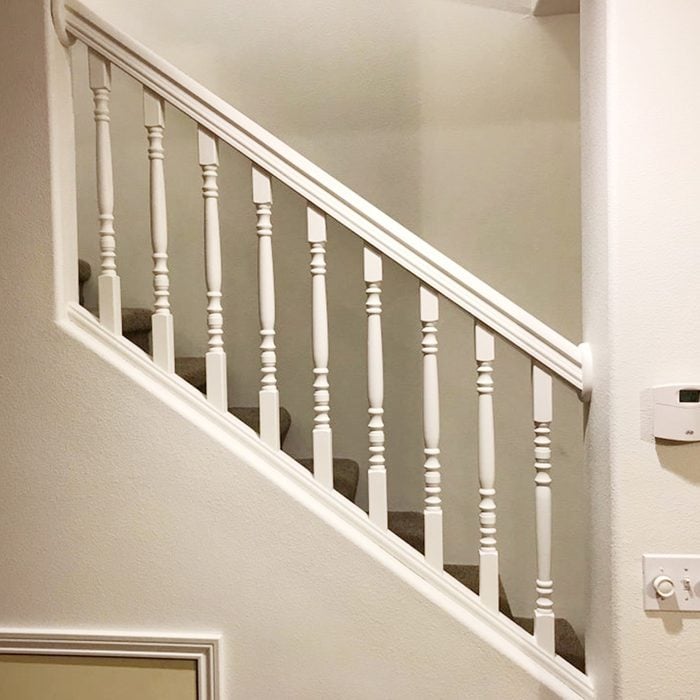
Perhaps the most fascinating and mysterious secret hidden within a vintage staircase lies within the balustrade—the protective railing supported by a row of vertical wooden spindles, or balusters. If you carefully examine the balusters of a true historic staircase, you may occasionally discover something truly puzzling: a single spindle installed completely upside down amidst an otherwise flawless sequence of hand-turned woodwork.
While a casual observer might write this off as a careless mistake made by a hurried carpenter, local folklore and architectural tradition suggest a far deeper, more mysterious origin. Throughout the eighteenth and nineteenth centuries, deep-seated cultural superstitions played a prominent role in everyday construction practices. One widely held belief, rooted in traditional English folklore, claimed that an inverted baluster possessed protective spiritual qualities. It was believed that a upside-down spindle created a symbolic disruption along the staircase, preventing negative energies or wandering spirits from climbing the stairs to disturb sleeping residents or claim someone resting on their deathbed.
A parallel tradition attributes the intentional error to a profound philosophical and spiritual humility. In many historic crafting traditions, builders purposely incorporated a single subtle flaw into their work, operating under the humble belief that ultimate perfection belongs exclusively to the divine creator, while human creations should always reflect the gentle imperfection of the human hand. Whether viewed as an ancient protective ward against unseen forces or a quiet gesture of spiritual humility, the single upside-down baluster adds an enchanting layer of mystery and human interest to old houses. It transforms a simple architectural support into a silent storyteller, preserving the beliefs, fears, and quiet hopes of the artisans who built the foundations of our past.
The Enduring Soul of the Vintage Home
The subtle architectural details of a historic staircase offer far more than nostalgic visual appeal; they serve as a tangible link to the lives, minds, and craftsmanship of previous generations. In every stamped brass dust guard, every gleaming stair rod, and every intentionally turned spindle, we catch a glimpse of an era when homes were built with patient care, rich symbolism, and an eye for enduring beauty.
As modern homeowners and restoration enthusiasts continue to preserve, restore, and draw inspiration from historic architecture, these charming features serve as a gentle reminder to slow down and observe the details around us. Tending to an old house is an ongoing dialogue between the past and the present—a way of honoring the quiet ingenuity of early builders while bringing warmth, character, and imagination into our contemporary spaces. By preserving these unique architectural treasures, we keep the magic of home history alive, ensuring that the stories carved into vintage wood and brass continue to inspire generations to come.
What specific architectural features or historic design secrets in your own home would you like to explore in our upcoming home restoration guides?