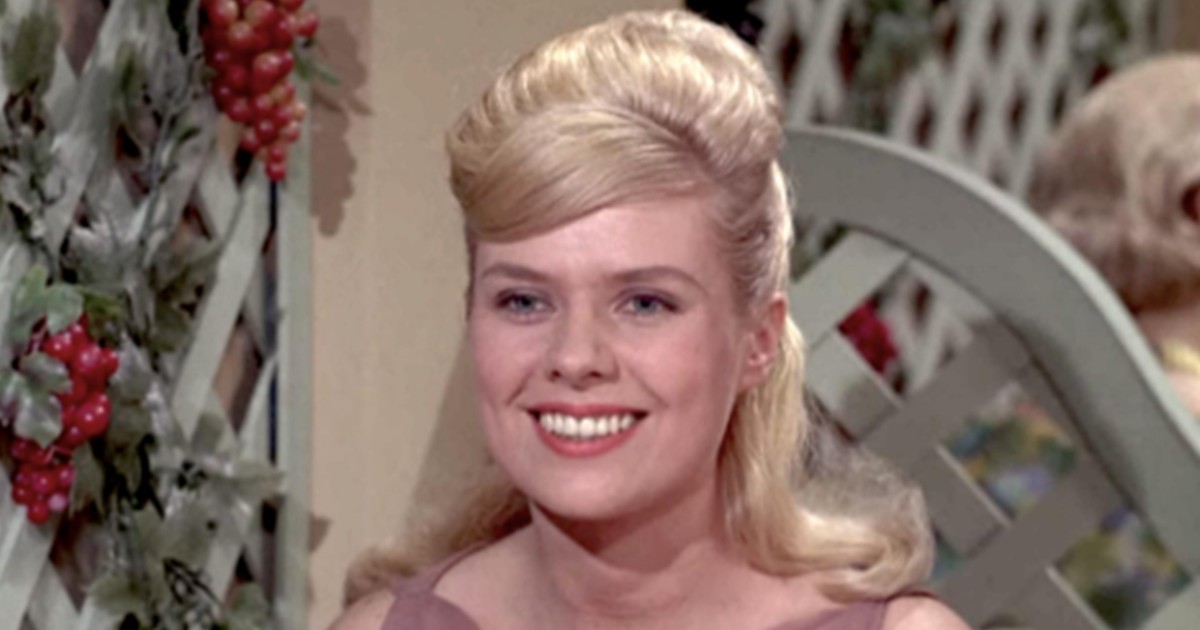
There was a time when television brought the same familiar faces into American homes week after week.
Viewers gathered around their television sets to watch programs such as Bonanza, The Andy Griffith Show, Perry Mason, The Beverly Hillbillies, and The Munsters. For millions of Americans, these shows became more than entertainment. They became part of everyday life and created memories that lasted for decades.
Nina Shipman was one of the performers who helped make that era so memorable.
Although her name may not have been as instantly recognizable as some of the biggest stars of her generation, her face appeared alongside many famous actors in movies and television programs throughout the 1950s, 1960s, and beyond.
Shipman died on September 6, 2026, at the age of 88 from natural causes at a hospital in Gardena, California, according to her stepdaughter Lianne Bremer, as reported by The Hollywood Reporter.
Her passing marks the loss of another performer connected to an important chapter in American entertainment history.
Nina Shipman Was Born Into a Hollywood Family
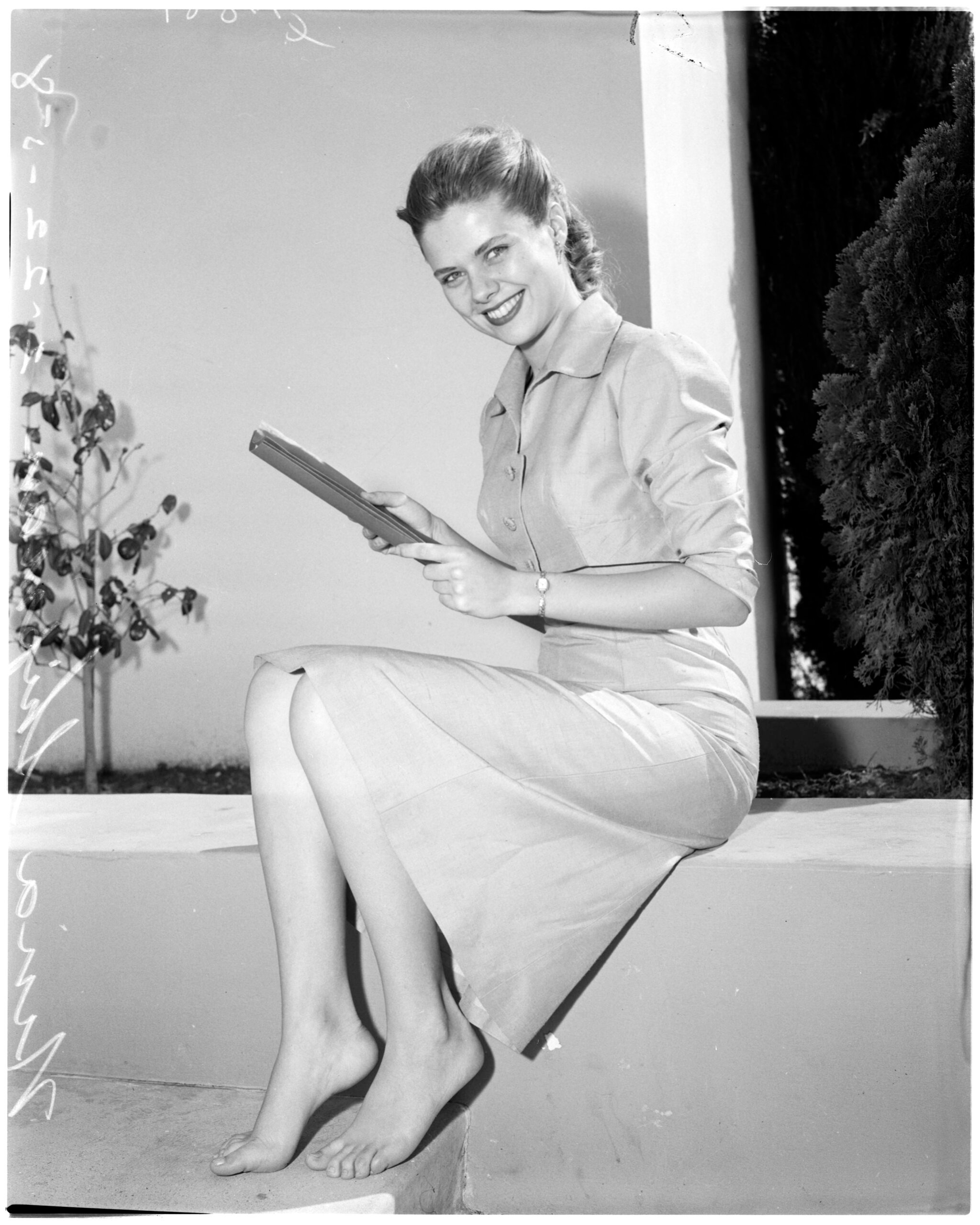
Nina Shipman was born in Los Angeles on August 15, 1938, into a family with deep connections to the entertainment industry.
In fact, her family history reached back several generations.
Her grandfather, Ernest Shipman, was associated with one of the early Shakespearean touring companies in the United States. Her grandmother, Nell Shipman, became a celebrated actress during the silent-film era.
Her father, Barry Shipman, worked as a screenwriter. His credits included Western productions, Dick Tracy films, and the television series Lassie.
Her mother, Gwynne Shipman, worked as both a dancer and actress.
With so much experience in entertainment surrounding her from childhood, Hollywood was hardly an unfamiliar world.
Yet Nina initially imagined a very different future for herself.
Rather than becoming an actress, she dreamed of becoming a concert pianist.
Music remained an important part of her life even after acting became her profession.
From Music Student to Actress
Shipman attended Maddox Academy in Mexico City before continuing her education at Eagle Rock High School in Los Angeles.
She later earned a music degree from UCLA, reflecting the musical ambitions she had held since childhood.
She also studied acting with renowned acting teacher Sanford Meisner and performed at the Pasadena Playhouse, giving her a strong theatrical foundation before building a career in film and television.
Her early exposure to entertainment eventually led her in front of the camera.
According to reports about her career, Shipman first appeared on screen as a child in a film written by her father. Years later, she would return to professional acting and establish herself as a working performer during one of Hollywood’s most productive periods.
A Memorable Connection to Alfred Hitchcock
One of Shipman’s most interesting early screen appearances came in Alfred Hitchcock’s 1958 classic Vertigo.
She had a brief, uncredited role in the film, appearing as a woman who is mistaken for Kim Novak’s mysterious character.
For a young actress, even a small role in a major Hollywood production could become a fascinating part of her professional history.
Vertigo would eventually become one of Hitchcock’s most celebrated films and is now widely regarded as one of the defining movies of American cinema.
Shipman’s appearance was brief, but it placed her within the world of one of Hollywood’s most influential directors.
And it was only the beginning.
Working Alongside Some of Hollywood’s Biggest Stars
Shipman’s career soon expanded beyond small appearances.
As a contract player at 20th Century Fox, she worked with some of the most recognizable performers of the era.
She appeared with Bing Crosby in Say One for Me and later played his daughter in Blake Edwards’ High Time.
She also appeared in Blue Denim and The Oregon Trail, where she worked opposite Fred MacMurray.
These productions gave Shipman the opportunity to work alongside established Hollywood stars while developing her own reputation as a versatile performer.
But it was television that ultimately gave her career its most enduring connection to American audiences.
Her Television Career Was a Time Capsule of Classic America
Shipman’s television résumé reads almost like a list of the programs that defined American television during its golden age.
She appeared in 77 Sunset Strip, Bonanza, Rawhide, Daniel Boone, Perry Mason, The Munsters, The Andy Griffith Show, The Beverly Hillbillies, The Mod Squad, Adam-12, Highway to Heaven, and General Hospital, among many other productions.
That range is significant.
Many modern viewers may recognize the titles even if they have never seen Shipman’s individual episodes.
These programs represented different sides of American television, from Westerns and family comedies to detective dramas and long-running daytime series.
Shipman moved comfortably between those different worlds.
She was not necessarily the central star of every production, but performers like her were essential to making television feel populated by familiar faces.
They appeared again and again, helping create the rich ensemble of actors that audiences came to recognize.
Her Unusual Role on The Munsters
Among Shipman’s many television appearances, one of the most memorable was an especially unusual episode of The Munsters.
In 1965, she appeared in an episode titled “Lily Munster, Girl Model.”
The episode revolves around Lily Munster becoming involved in modeling, while Herman becomes determined to stop her.
The storyline takes an even more unusual turn when Grandpa uses a potion that transforms him into a young blonde woman.
That character was portrayed by Shipman.
The role was already unusual enough, but there was an additional behind-the-scenes detail that made the performance particularly distinctive.
Shipman later recalled that she performed the character’s dialogue during filming, but Al Lewis’ voice was subsequently dubbed over her lines so the character would sound like Grandpa.
In a 2024 recollection, Shipman described the experience as being “really kind of cool.”
It was an example of the imaginative and sometimes wonderfully strange storytelling that made The Munsters such a memorable part of 1960s television.
Nina Shipman Was More Than an Actress
Acting was only one part of Shipman’s life.
In 1975, she wrote How to Become an Actor in Television Commercials, drawing from her own experiences in the entertainment industry.
She later became involved in educational television as the host of Contemporary Health Issues, which premiered in 1981.
The 30-episode educational program explored a variety of subjects and was designed to provide useful information for students.
Her work also extended into academia.
Shipman taught as a professor at the University of Hawaii at Hilo and became involved in mentoring aspiring performers through a theater company on Hawaii’s Big Island.
Her longtime interest in music remained another important part of her identity.
She was an accomplished pianist, showing that the dream she had as a young woman never completely disappeared even as her acting career developed.
She also practiced falconry, demonstrating just how varied her interests were away from the Hollywood spotlight.
A Personal Life Spanning Decades
Shipman’s personal life was also filled with significant chapters.
She married Richard Harrington in 1956, though their marriage ended in divorce in 1958.
In 1961, she married actor and stuntman C. Ransom Walrod. The couple had two daughters, Westerly and Lani, before eventually divorcing in 1973.
In 1975, Shipman married choral conductor Donald Merrill Bremer.
The couple remained together until Bremer’s death in 2015.
Shipman was also connected to Hollywood socially as well as professionally.
She served as maid of honor at actress Jill St. John’s 1960 wedding to Woolworth heir Lance Reventlow, another reflection of the entertainment and celebrity circles in which she moved.
Later in life, family became an important part of her legacy.
She is survived by her daughters and grandchildren Bryson, Serena, Cole, Charlie, and Clover.
Remembering a Familiar Face From Television’s Golden Age
Nina Shipman’s career offers an interesting reminder of how television history is built.
When people think about classic television, they often remember the stars whose names appeared prominently in the opening credits.
But television was also created by hundreds of supporting performers who appeared in individual episodes, recurring roles, guest appearances, and memorable scenes.
Shipman was one of those performers.
Her career connected her with Alfred Hitchcock, Bing Crosby, Fred MacMurray, and many of the television programs that defined American popular culture during the middle of the 20th century.
Her appearances may have varied in size, but collectively they created a career that stretched across decades.
From Vertigo to The Munsters, from Bonanza to The Andy Griffith Show, her work became part of a television landscape that remains familiar to generations of viewers.
A Legacy Bigger Than Her Screen Credits
Perhaps the most interesting thing about Nina Shipman’s story is that her legacy cannot be measured only by the number of acting credits attached to her name.
She was an actress, writer, educator, pianist, mentor, and performer whose interests extended far beyond the Hollywood screen.
Her life also reflected the changing nature of the entertainment industry.
She began during an era when television was rapidly becoming a central part of American culture. She worked through the transition from classic studio-era filmmaking to the increasingly dominant world of television.
And decades later, she remained connected to the arts through education and mentorship.
That makes her story particularly meaningful for anyone interested in the people behind classic Hollywood.
The End of an Era
The passing of Nina Shipman is another reminder that the generation responsible for shaping early American television is gradually disappearing.
For viewers who grew up watching Bonanza, Perry Mason, The Andy Griffith Show, The Beverly Hillbillies, and The Munsters, those programs can bring back memories of a very different time.
Seeing an actor such as Shipman again can make that era feel surprisingly close.
She may not have always been the performer whose name appeared in the largest letters on the screen, but she was part of the world that made those productions memorable.
Her career crossed paths with some of Hollywood’s biggest names and some of television’s most enduring shows.
And sometimes, that is exactly what makes a supporting performer unforgettable.
Nina Shipman’s story is ultimately a reminder that entertainment history is not created by stars alone. It is built by generations of performers, writers, musicians, teachers, and countless other people whose work becomes woven into the memories of audiences.
Long after the programs have ended, those familiar faces can still bring an entire era back to life.
Sources
- The Hollywood Reporter — reporting on Nina Shipman’s death and career.
- IMDb — film and television credits for Nina Shipman.
- UCLA — educational history and alumni resources.
- Television Academy — historical information on American television and its performers.