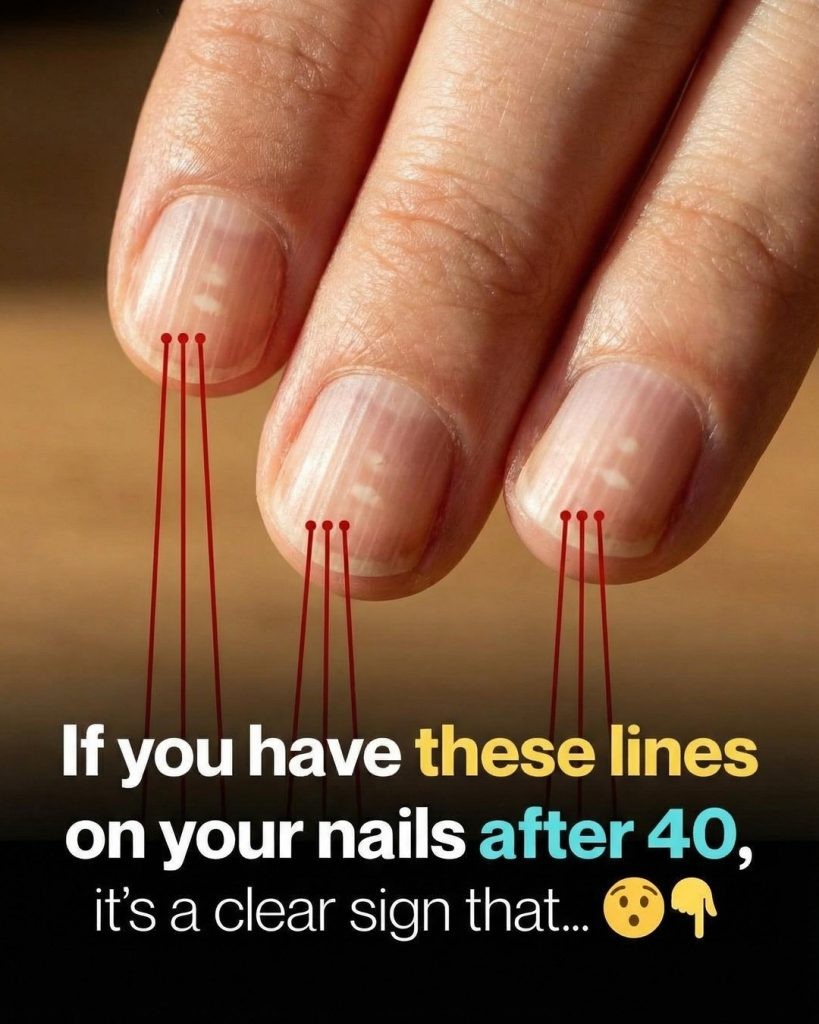
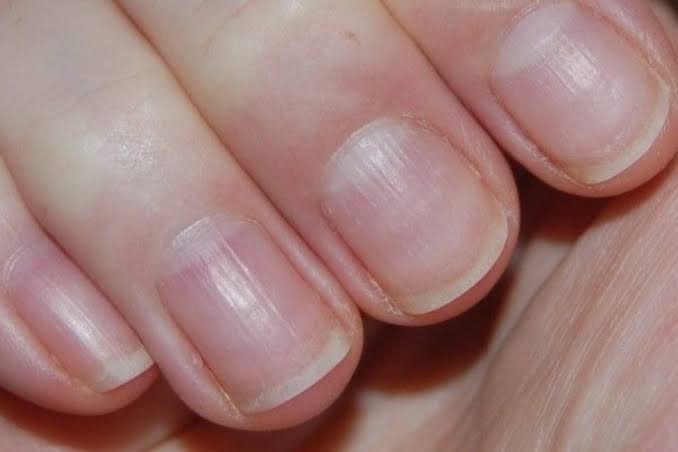
Many individuals, particularly after the age of 40, begin to notice thin vertical lines running from the base to the tip of their fingernails. While such discoveries can prompt concern or curiosity, these features, known as vertical or longitudinal nail ridges, are typically a normal consequence of aging. Understanding what causes these ridges, how they reflect changes in the body, and how to care for maturing nails is essential for overall health and peace of mind.
The Structure and Growth of Fingernails
To appreciate why changes like vertical ridges occur, it’s helpful to understand how fingernails are formed. Fingernails are primarily composed of keratin, a durable protein also found in skin and hair. New nail cells are generated in the nail matrix, the region concealed beneath the cuticle. As these cells multiply and move outward, they bind into thin, flat layers that form the hard nail plate visible above the fingertip.
The continuous growth and renewal of fingernails depend on various factors, including adequate blood flow, balanced nutrition, and hormonal changes. Averaging between 2.5 and 3.5 millimeters of growth per month, fingernails reflect not only personal care habits but also underlying physiological processes.
What Are Vertical Nail Ridges?
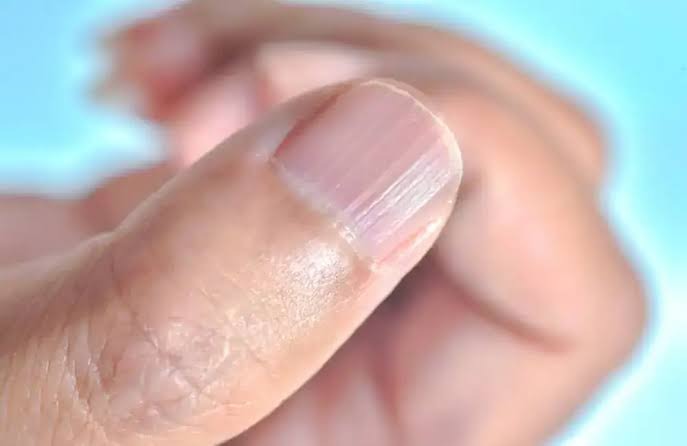
Vertical or longitudinal nail ridges appear as fine lines or grooves extending lengthwise from the nail base to the tip. These can vary in prominence from person to person and between nails on the same hand. For most people, these lines become increasingly visible with age and are considered as natural as developing wrinkles in the skin or changes in hair color or texture.
Why Do Vertical Nail Ridges Develop?
Aging and Nail Matrix Changes
One of the primary reasons for the appearance of vertical ridges is the natural aging process. Over time, the nail matrix’s production of keratin can become less consistent, leading to ridges or furrows on the nail surface. This is akin to how skin develops lines as collagen production slows with age.
Loss of Moisture and Environmental Influences
As individuals age, the body’s ability to retain moisture declines, and nails—which are already less hydrated than skin—become drier and more brittle. Frequent handwashing, contact with cleaning agents, and the use of alcohol-based sanitizers can further strip nails of their natural oils. This dryness accentuates the visibility of existing ridges, making them appear more pronounced.
Nutritional Factors and Overall Health
Balanced nutrition is fundamental to nail health. Deficiencies in vitamins and minerals such as biotin, iron, and vitamins A, C, and E can impact nail appearance and resilience. However, mild variances in dietary intake typically do not cause alarming changes. Experts at the Mayo Clinic and other health authorities emphasize the importance of a well-rounded diet but caution that most harmless nail ridges are not an immediate sign of malnutrition.
Circulatory changes associated with aging or certain health conditions can also subtly alter the growth and appearance of nails. Healthy circulation supports the delivery of oxygen and nutrients to the matrix where new nail cells form. Slower or less efficient circulation may cause slight changes in nail texture, including the formation of ridges.
When to Be Concerned: Signs Worth Noticing
While vertical ridges are generally benign, certain changes in the nails may signal underlying health issues that warrant medical attention. It’s important to watch for:
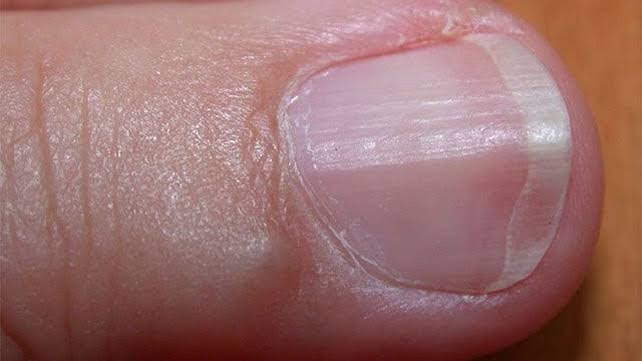
- Sudden or dramatic changes in nail color (yellowing, dark streaks, or white spots)
- Thickening, splitting, or significant deformation of the nail plate
- Discomfort, pain, or tenderness associated with the nail or nail bed
- Development of horizontal ridges (Beau’s lines), which can indicate more serious systemic concerns
Horizontal ridges are more likely to be associated with trauma, nutritional deficiencies, or serious illnesses such as uncontrolled diabetes, infections, or extreme psychological stress. If in doubt, a healthcare professional or dermatologist should be consulted.
Expert Views on Nail Health and Ridges
Medical professionals, including dermatologists at prominent institutions like the Mayo Clinic and Cleveland Clinic, agree that vertical nail ridges alone are not typically a sign of disease. They highlight that these changes are most commonly a cosmetic issue and part of the body’s normal maturation. Nevertheless, they caution that a comprehensive checkup is advised if nail changes are accompanied by other new physical symptoms or systemic signs of ill health.
According to the American Academy of Dermatology, changes in nail appearance are frequently observed in routine clinical practice. While rare, certain nutritional or medical conditions may be manifest through the nails, making self-observation and prompt reporting of unusual changes important for overall health monitoring.
Societal Perceptions and International Observations
Throughout history, nails have been regarded as indicators of both beauty and well-being in many cultures. Visible nail ridges may lead some individuals to seek cosmetic solutions or feel self-conscious as they age. Across the globe, including in the Americas, Europe, and Asia, nail health is a common topic in public health campaigns and wellness education. With increased awareness about aging and self-care, positive perceptions about natural body changes, including the development of nail ridges, are being promoted.
Best Practices for Nail Care as You Age
Even though vertical nail ridges are usually harmless, certain nail care habits can minimize their visibility and promote overall nail strength and appearance:
- Regular Moisturizing: Use hand creams and cuticle oils, especially after exposure to water or cleaning agents, to keep the nails and surrounding skin hydrated.
- Protective Measures: Wear gloves during household chores or when working with chemicals, detergents, or soil, to prevent dehydration and mechanical trauma.
- Nutrition and Hydration: Maintain a diet rich in lean proteins, whole grains, fruits, vegetables, and healthy fats. Drinking adequate water supports healthy cell function throughout the body, including in the nail matrix.
- Gentle Nail Care: Use smooth nail files and avoid aggressive buffing or scraping, which can thin and weaken nails. Trim nails straight across and round the tips in a gentle curve.
- Avoid Harsh Products: Minimize the use of acetone-based nail polish removers and limit exposure to nail hardeners containing formaldehyde or other strong chemicals.
- Monitor Changes: Keep track of any persistent or unexplained alterations in nail appearance. Early medical advice is recommended if concerning symptoms develop.
These habits not only help preserve nail aesthetics but also support general skin and hand health, particularly as we age and the body’s natural defenses change.
How to Strengthen Nails and Boost Nail Health
Developing a comprehensive approach to nail wellness includes more than just cosmetic attention. Some additional ways to promote nail health include:
- Taking breaks from nail polish to allow natural nail renewal
- Applying sunscreen to the nails and hands when exposed to sunlight, as UV exposure can weaken keratin
- Practicing gentle massage of the nail beds to stimulate circulation
- Consulting a health professional if there is a history of autoimmune disease, thyroid disorders, or other systemic illnesses that may affect nail growth and texture
Key Takeaways
Vertical ridges on fingernails are a nearly universal part of aging and are typically benign. They predominantly reflect the body’s natural evolution and adjustments in nail production rather than an underlying health problem. Remaining attentive to any additional changes in the color, shape, or comfort of nails, however, plays a role in early detection of possible health concerns.
In most cases, consistent nail care, a healthy diet, and routine observation are all that is necessary to manage and embrace the natural changes that come with aging.
Sources
- BBC Health
- Reuters Science
- Mayo Clinic: Nail Health
- American Academy of Dermatology: Nail Changes and Your Health
- CDC: Nail Hygiene
Disclaimer: This content is intended for entertainment purposes only and is not based on real events.