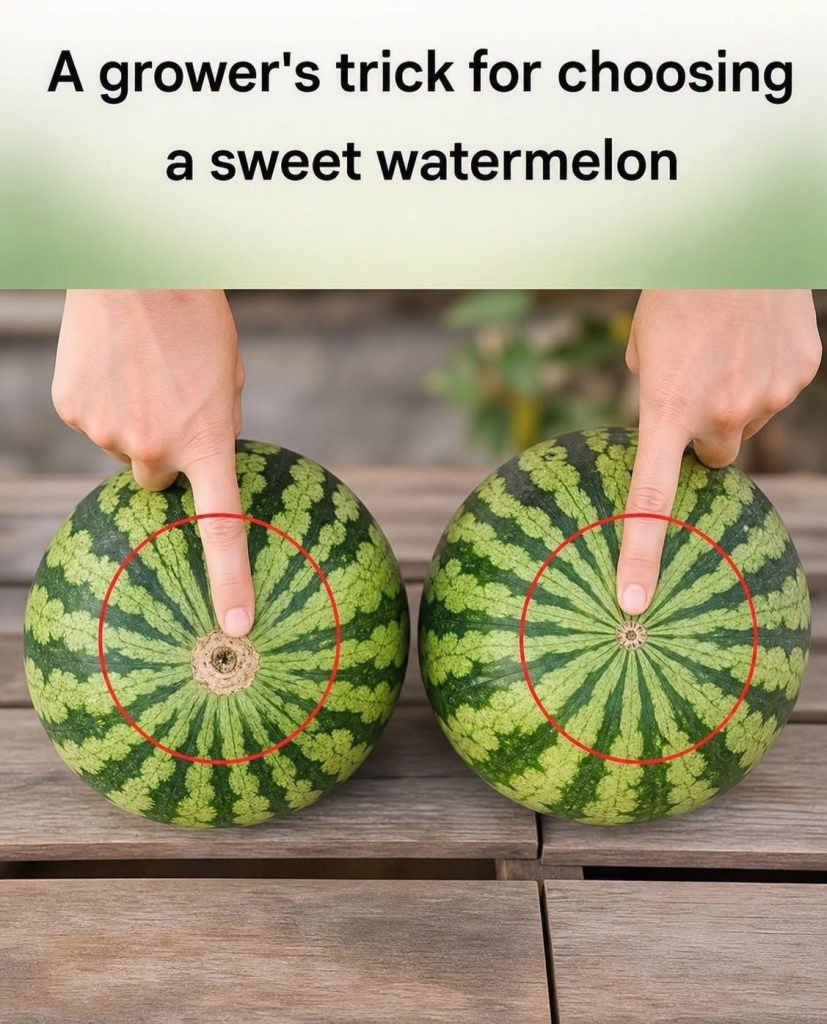
Watermelon is a beloved fruit across the globe, especially during the summer months, valued for its refreshing sweetness and hydration. However, selecting the wrong melon—resulting in pale, bland, or watery flesh—can dampen the joys of this seasonal treat. Many shoppers struggle to identify truly ripe watermelons amidst an array of choices. Fortunately, experts and agricultural scientists have developed evidence-based tips that improve your chances of choosing a watermelon brimming with flavor.
Watermelon: From Field to Market
Watermelons (Citrullus lanatus) are grown in a variety of climates, with major producers including the United States, China, Turkey, and Iran. The fruit’s ripening process involves considerable changes in sugars, water content, and texture, which are influenced by factors like soil quality, weather, and harvesting practices. Because watermelons do not continue ripening significantly after being picked, choosing a melon at peak maturity is essential for optimum taste.
Field Spot: A Reliable Indicator of Ripeness
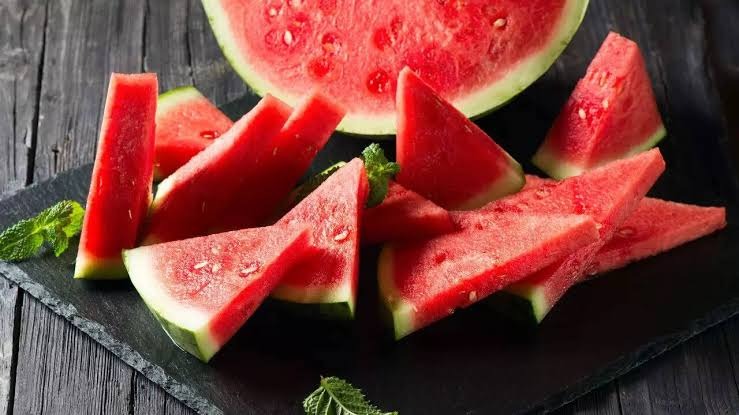
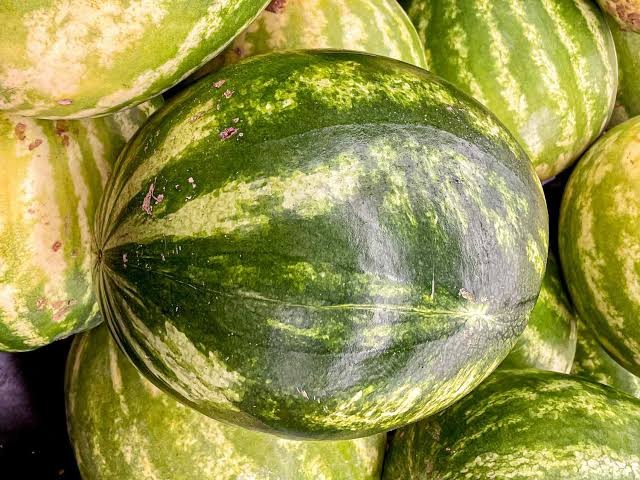
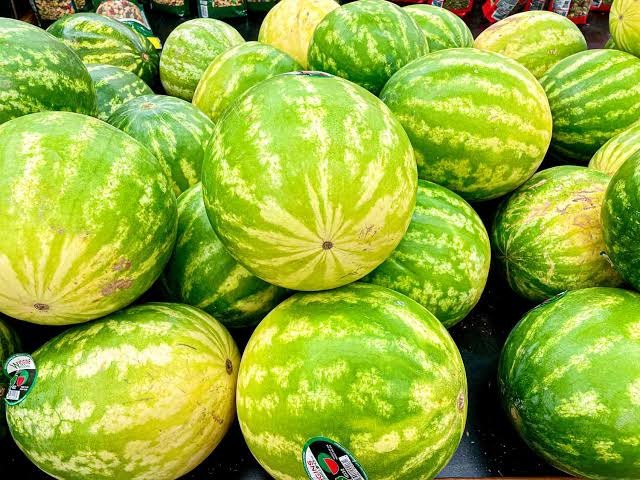
One of the most prominent clues to a watermelon’s quality is the field spot—the discolored area where the melon rested on the ground as it grew. According to agricultural extension services and experienced growers, a creamy yellow or deep golden field spot generally signals that the fruit has matured fully on the vine. This coloration occurs as the melon ripens, due to chlorophyll breakdown and development of carotenoids in response to sunlight and soil contact.
Conversely, watermelons with a white or pale field spot may have been harvested prior to reaching full maturity. Early picking commonly results in underdeveloped flavor, texture, and sweetness, as the sugars have not fully formed within the fruit.
Assessment of the Rind: Firmness and Appearance
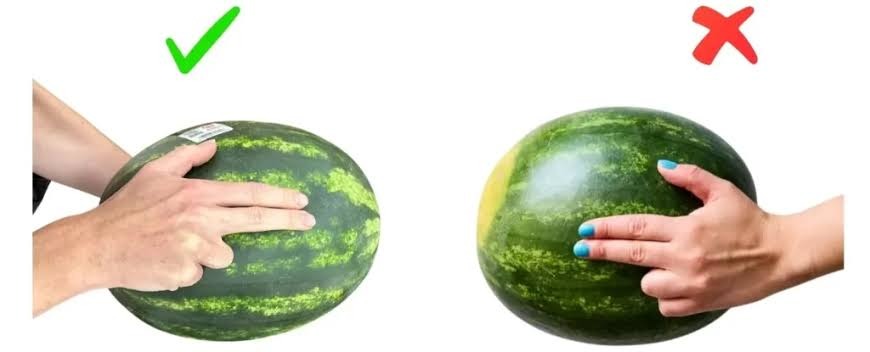
The outer rind of the watermelon offers valuable clues to its internal consistency. A high-quality melon should feel firm and solid when pressed gently. Agricultural specialists advise avoiding fruit with deep bruises, cracks, cuts, or soft spots, which may indicate mechanical damage, poor handling, or advanced overripeness. Damaged rinds can permit microbial entry, leading to rapid spoilage.
Some shoppers notice that mature watermelons can exhibit a slightly dull, less-shiny appearance compared to younger fruit. While this is not a guaranteed method, a less glossy rind is often associated with ripeness. Scientists attribute changes in the rind’s wax composition and cellular structure to the natural aging process of the fruit.
Weight: Heaviness as a Sign of Juiciness
Weight is a practical and scientific indicator of watermelon quality. When comparing similarly sized watermelons, the heavier melon is usually superior, as extra weight reflects a greater water content—making for juicier and more refreshing flesh. Research from horticultural studies confirms that mature watermelons accumulate water and sugars, increasing density. To check, simply lift the fruit and compare its heft against others of similar size.
Stem Condition: Maturity Upon Harvest
If the watermelon retains its stem, examining its color and dryness can provide telling information. A dry, brownish stem indicates that the fruit was harvested at the right stage of maturity. As watermelons ripen, their stems gradually lose moisture and turn brown. Conversely, a green stem suggests premature picking, which means the fruit might not have developed full sweetness and flavor.
Growers and agricultural organizations recommend this method as one of several complementary signs to establish ripeness, especially when combined with the field spot and weight.
Sound Test: Science and Tradition
Some shoppers use the traditional “knock” test—tapping the watermelon and listening for a hollow sound. According to agricultural experts, a deep, hollow resonance can indicate ripeness, but scientific studies report mixed effectiveness. The sound depends on internal structure, water content, and air pockets. While the knock method is not fully reliable, it can be used alongside other indicators for a more robust assessment.
Visual Uniformity and Shape
Look for watermelons with a symmetrical, uniform shape and distribution of color. Odd shapes or irregular bumps may reflect uneven growth or inconsistent ripening. While visual uniformity is not a sensory guarantee, it often correlates with healthy, well-matured fruit.
Cultivar Considerations and Genetic Factors
Watermelon sweetness and flavor vary not only based on ripeness but also on genetic cultivar. Commercially, seeded and seedless varieties are sold, each with distinct characteristics. Seedless melons may differ slightly in texture, while heirloom cultivars can present richer or more subtle flavors. For the best results, research local varieties suited to your region’s soil and climate, as these are often optimized for flavor and texture.
Storage and Handling After Purchase
Once you’ve picked your watermelon, proper storage is key to preserving quality and safety. The United States Department of Agriculture (USDA) recommends storing uncut watermelons at room temperature for up to ten days. Chilling the fruit before slicing enhances texture and flavor, making for a crisp, refreshing bite. After cutting, wrap slices tightly and refrigerate immediately; consume within 3–4 days for maximum sweetness and food safety.
The Benefits of Watermelon: Nutrition and Hydration
Watermelon is noted for its high water content and low calorie value, making it a hydrating and healthy snack. It supplies vitamin C, vitamin A, potassium, and the antioxidant lycopene, which is studied for its potential cardiovascular and cellular health benefits. Dietitians recommend watermelon as part of a balanced diet, contributing to hydration, skin health, and immune support. Because watermelon is over 90% water, it is especially effective for maintaining fluid balance in hot weather.
Global Perspectives: Watermelon Around the World
Watermelons are integral to cuisines worldwide, from East Asian fruit platters to Middle Eastern salads. In many cultures, sharing watermelon is a symbol of togetherness, hospitality, and celebration. Internationally, scientific advances are improving watermelon breeding, pest management, and transportation, ensuring quality and safety for consumers everywhere.
Expert Recommendations: Combining Clues
Leading agricultural experts emphasize that no single method guarantees a perfect watermelon every time. The most reliable approach is to combine several indicators—field spot, firmness, weight, stem condition, and visual cues—for a multi-faceted assessment. Coordination of sensory and scientific clues significantly increases the likelihood of picking a sweet, ripe, and juicy melon.
Next time you visit your local market or supermarket, spend a few extra seconds evaluating your options. Use these proven tips to confidently select the best watermelon, and enjoy the satisfaction of a crisp, flavorful bite.
Conclusion: Smart Selection for a Summer Classic
Choosing a watermelon is both an art and a science, rooted in agricultural tradition, sensory experience, and modern research. With careful observation and a combination of field-tested indicators, you can minimize disappointment and maximize enjoyment. From field spot to stem, weight to rind, and storage practices, each element contributes to a truly sweet and satisfying watermelon experience.
Sources
Disclaimer: This content is intended for entertainment purposes only and is not based on real events.