For many environmentally conscious homeowners, collecting rainwater seems like a practical and sustainable way to save water and reduce bills. However, stories circulate online warning that putting a rain barrel under your gutter could be a criminal act—even leading to jail time. One frequently cited tale involves an Oregon man reportedly imprisoned simply for harvesting rainwater. But what’s fact, what’s fiction, and what’s the real legal landscape around rainwater collection in the United States?
The Basics of Rainwater Harvesting
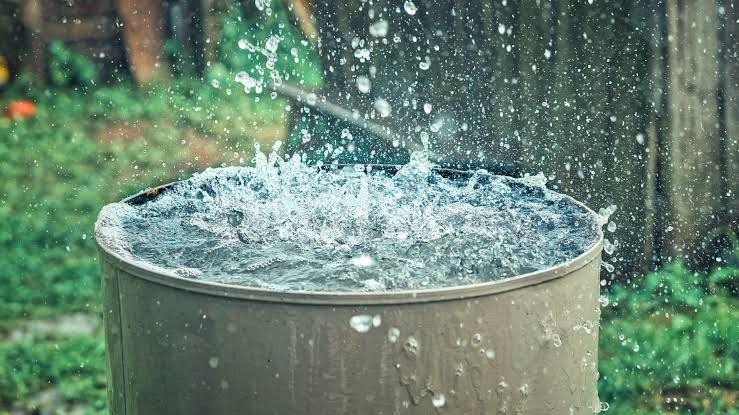
Rainwater harvesting involves capturing precipitation runoff, typically from rooftops, into barrels or other containers for later use. This water can help irrigate gardens, water lawns, wash cars, or perform other household chores—providing a free, sustainable resource and lessening pressure on municipal supplies. Such systems often use rain barrels or cisterns ranging from modest 40-gallon units to larger tanks, popular among homeowners in regions prone to drought or water restrictions.
Despite its green reputation, questions arise regarding the legality of this practice. Some individuals worry that rainwater collection “steals” from watersheds; others fear running afoul of complex state water laws. The answer lies in understanding the history, legal principles of water rights, and how different states regulate water use.
Understanding Water Rights: Prior Appropriation and Riparian Doctrine
The United States regulates water through two primary doctrines: the riparian doctrine and the prior appropriation doctrine. Eastern states, rich in rainfall, mostly follow the riparian system, which allows those owning land by a water source to use “reasonable” amounts of it. Western states, where water is scarcer, rely on prior appropriation, which designates who has the legal right to use water—and in what amounts—based on a first-in-time, first-in-right principle.
This patchwork means rainwater collection rules can vary sharply depending on location, volume, and intent. Most states treat modest rooftop rainwater catchment differently from large-scale projects that might diminish stream flow or groundwater.
The Oregon Example: A Tale of Scale and Legal Nuance
Much of the anxiety about rainwater collection dates back to the case of Gary Harrington of Oregon. Often misrepresented in viral accounts, the true legal battle centered not on a rain barrel, but on the construction of three artificial reservoirs on his property. Harrington built dams to collect and store substantial amounts of water before it reached a nearby creek, raising concern that these actions interfered with established water rights and the flow of public waterways.
Oregon, following the prior appropriation doctrine, regulates “surface water” and has a robust system for allocating water rights. Under state law, anyone wishing to store, divert, or use substantial volumes of water from natural sources—including atmospheric precipitation before it joins a watercourse—may need state authorization.
After a protracted legal process, Harrington was convicted for violating his state’s water laws and served jail time—not for saving a few barrels of rainwater, but for building unauthorized reservoirs that potentially affected entire ecosystems and other water users. This important nuance is often lost in retellings, but it fundamentally shapes the regulatory landscape.
Rain Barrels Versus Reservoirs: Key Legal Distinctions
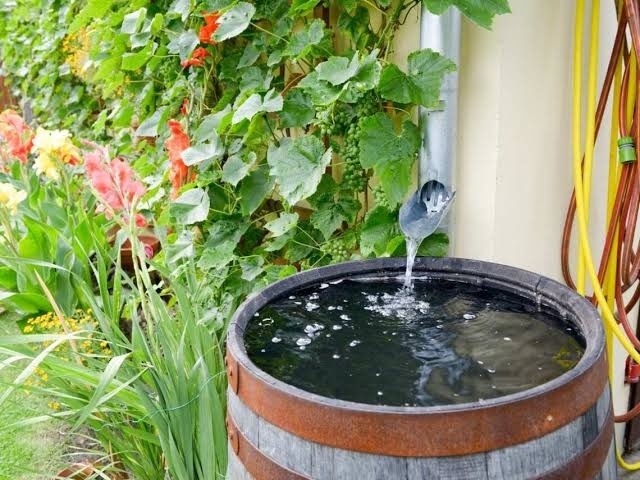
For the average homeowner, there’s a world of difference between a simple rain barrel and constructing dams or reservoirs. Most states explicitly exempt small-scale rooftop rainwater collection for personal use, especially if the system collects water from impervious surfaces.
State agencies, including departments of water resources or environmental quality, generally focus regulatory efforts on larger projects that could influence stream flow, harm habitats, or conflict with downstream water rights. For instance, diverting water from natural streams or channeling it in significant quantities requires permitting and strict compliance with well-defined laws. By contrast, capturing a moderate amount of water from your own roof for gardening rarely triggers legal issues.
However, legal exceptions and allowances do differ across states, and some local governments impose additional rules about system design or backflow prevention for public health reasons.
State-By-State Regulations: A Comparative Overview
Rainwater harvesting is broadly permitted with slight variations state by state. Here are a few illustrative examples:
- Colorado: Historically one of the strictest states, Colorado now allows residential rainwater collection from rooftops within certain limits—two rain barrels totaling a maximum of 110 gallons, with use limited to outdoor purposes on the property.
- Texas: Encouraging rainwater collection, especially in drought-prone regions, Texas provides incentives and resources for homeowners, with few restrictions for small-scale use.
- Washington: Allows rooftop rainwater harvesting without a permit, provided it is used on the property where collected.
- California: Supports rainwater capture from rooftops for non-potable uses, with some local requirements concerning system safety and stormwater management.
- Oregon: Permits rooftop rainwater harvesting without a permit for personal use, but regulates larger projects affecting streamflow.
Other states like Utah, Arizona, New Mexico, and Georgia have adopted similar provisions, either encouraging rainwater collection outright or requiring minimal registration. State and local water authorities often provide guides for best practices and compliance.
Expert Views and Environmental Implications
Water conservation experts advocate for rainwater collection as an effective way to reduce strain on municipal water supplies, especially during droughts. According to the U.S. Environmental Protection Agency (EPA), rain barrels help prevent stormwater runoff—a major source of water pollution—by absorbing excess rain that could otherwise carry pollutants into waterways.
Dr. Peter Gleick, a prominent hydrologist and co-founder of the Pacific Institute, notes, “When done responsibly, rooftop rainwater harvesting has practically zero impact on natural stream flow, while providing tangible benefits to households and communities.” Institutions like the U.S. National Drought Mitigation Center and extension services at universities further promote collection as a tool against water insecurity.
Nevertheless, experts caution that overzealous or poorly designed systems—such as those that capture water before it reaches vital waterways or wetlands—can disrupt local hydrology. For this reason, legal frameworks emphasize scale and impact. Home rain barrels, when correctly set up, pose almost no risk to broader ecosystems.
Practical Considerations: Setting Up Your Rainwater System
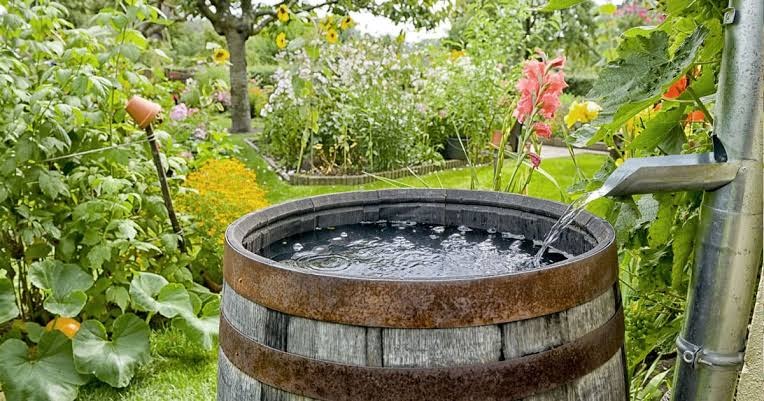
Homeowners interested in rainwater harvesting should begin by consulting local ordinances or state water agencies. Simple systems, usually involving a plastic or metal barrel placed beneath a gutter downspout, rarely require permits if intended for non-potable, on-site use like garden watering.
Here are a few basic steps for safe and legal rainwater collection:
- Check local regulations: State and municipal websites offer guidance on any limits or structural requirements.
- Use appropriate containers: Food-grade materials and mosquito-proof screens are recommended for sanitary reasons.
- Harvest from safe surfaces: Only capture water from rooftops made of non-toxic materials, away from overhanging trees or potentially hazardous runoff.
- Avoid potable use unless treated: Rain collected from rooftops should not be used for drinking or cooking without appropriate filtration and treatment.
- Maintain your system: Regular cleaning prevents algae, debris buildup, and mosquito breeding.
Some areas even offer rebates or tax incentives for installing rainwater collection systems. Local environmental groups and hardware stores often provide workshops or installation services, helping to encourage broader adoption.
International Perspectives: Global Trends and Best Practices
Rainwater harvesting is not limited to the United States. Countries with variable rainfall—such as Australia, India, and Israel—have long promoted household and community-scale collection to combat water scarcity. In Australia, for instance, rainwater tanks are standard in new homes, with captured water used for everything from gardening to flushing toilets. In India, urban areas increasingly require rainwater harvesting systems in new construction to recharge shrinking aquifers.
These global models suggest that, when managed thoughtfully and inclusively, rainwater harvesting can play an important role in urban resilience and ecological conservation, helping communities adapt to changing climate patterns.
Community Attitudes and Societal Impact
Public interest in rainwater collection continues to grow, fueled by rising environmental awareness and concerns over water scarcity. While early myths about its legality may have sown unnecessary fear, contemporary discussions center on practicalities, sustainability, and community resilience.
Local governments, environmental nonprofits, and neighborhood associations increasingly champion small-scale rainwater harvesting—offering educational programs and technical assistance. As droughts and extreme weather become more common, rainwater capture is destined to become an even more significant part of household water strategies.
Conclusion: Fact, Fiction, and Friendly Advice
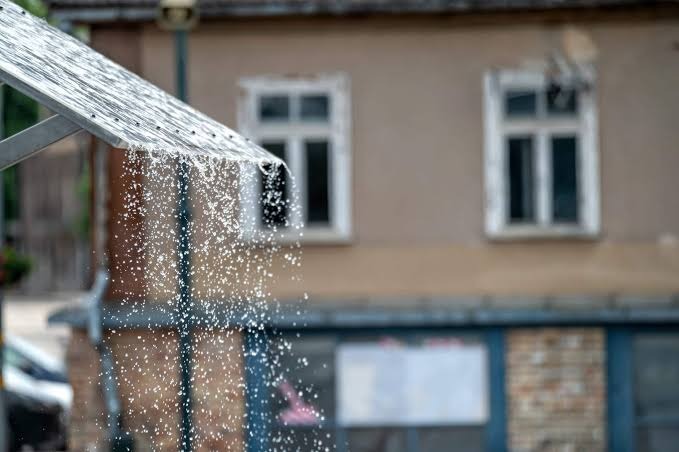
In summary, the fear that rainwater harvesting will land a homeowner in jail is largely a myth. Modern laws distinguish between harmless rooftop rain barrel systems, which are legal and even encouraged in most areas, and large installations that alter natural watercourses or infringe on the rights of others. Responsible homeowners, armed with accurate information from local authorities, can collect rainwater with confidence.
Before setting up any system larger than a standard rain barrel, check with local water management offices to ensure compliance. With proper planning and a focus on safe, sustainable practices, rainwater harvesting offers meaningful benefits for households and the planet alike.
Sources
- U.S. Environmental Protection Agency
- Reuters
- BBC News
- Oregon Water Resources Department
- National Conference of State Legislatures (Rainwater Harvesting Laws)
- The Guardian
- Texas Water Resources Institute
- Centers for Disease Control and Prevention: Water Quality
Disclaimer: This content is intended for entertainment purposes only and is not based on real events.