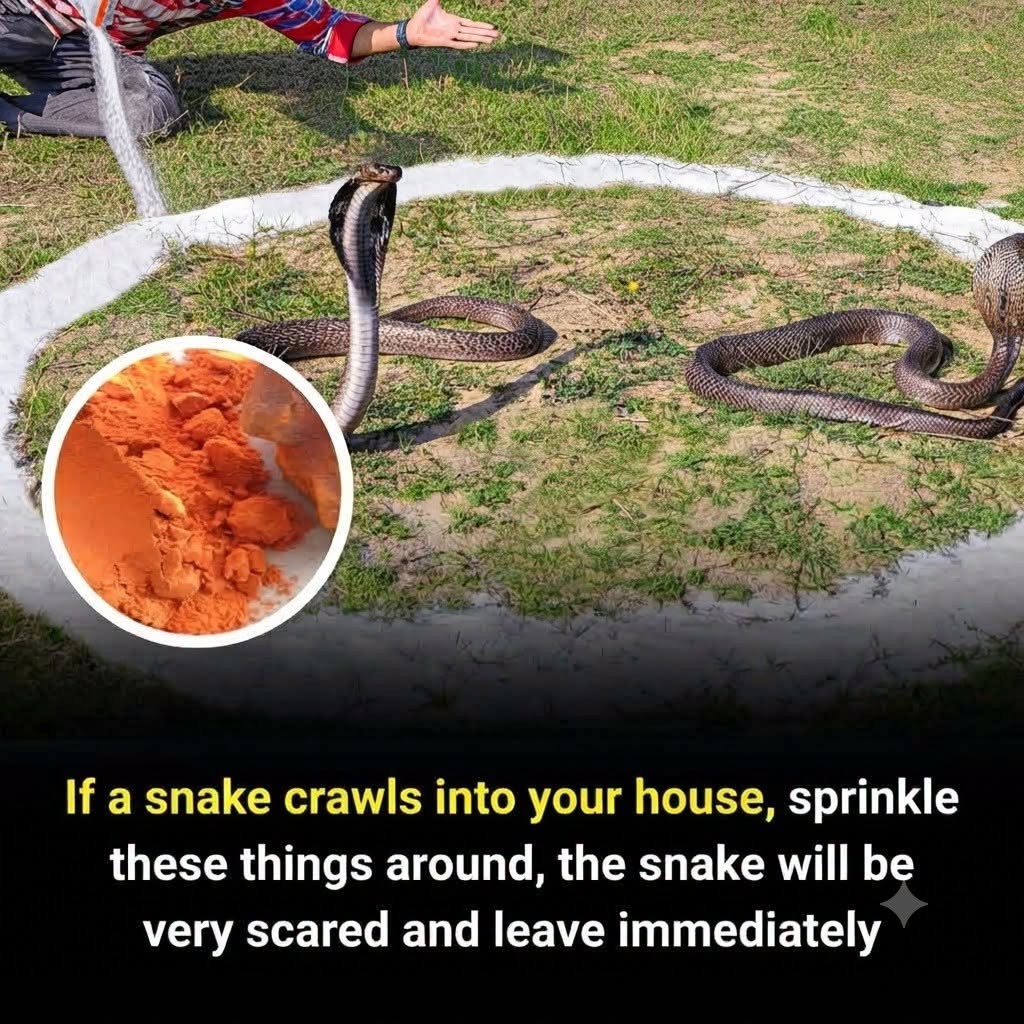
Encountering a snake near your home can be an unsettling experience. For many people, the sudden appearance of these creatures triggers instinctive fear or anxiety. However, most snakes found in residential areas are not aggressive and pose little danger if left undisturbed. This article explores the facts behind these encounters, separating common myths from effective, science-backed strategies for prevention and safety. The goal is to empower homeowners with the information needed to handle such situations calmly and to create a safer, less snake-friendly environment around their homes.
Understanding Snake Behavior: Why Snakes Appear Near Homes
Snakes are an important part of local ecosystems, contributing to the balance of natural prey and predator relationships. When snakes appear near or around human dwellings, they are not seeking confrontation. Instead, their movements are largely driven by the search for basic needs such as food, water, and shelter.
Common prey for snakes includes rodents, insects, frogs, and sometimes small birds or eggs. Residential areas with abundant rodent populations, standing water, or hiding spots inadvertently create inviting environments for snakes seeking sustenance or refuge. Furthermore, extreme temperatures may also drive snakes to seek cooler shade or warmth near houses, depending on the season.
Debunking Myths: Ineffective and Unreliable Snake “Repellents”
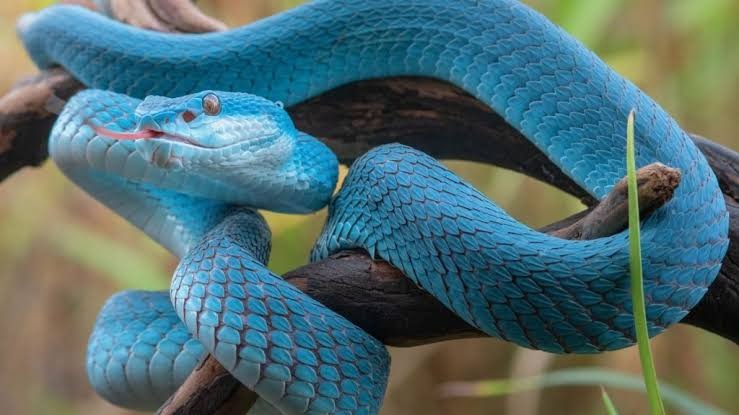
The internet abounds with suggestions for natural or household remedies that claim to repel snakes. Some of the most commonly cited include garlic, vinegar, essential oils, or powders scattered around the property. However, scientific studies and leading pest control organizations consistently report that these methods are largely ineffective or provide, at best, inconsistent results.
Scent-based deterrents may appear logical, but snakes have highly specialized sensory systems and are unlikely to be permanently warded off by household scents. Relying on such solutions can give a false sense of security while allowing the root causes of snake attraction to persist. Instead, experts consistently recommend focusing on environmental management and habitat modification as the most reliable and long-lasting approach.
Environmental Changes: The Most Effective Approach
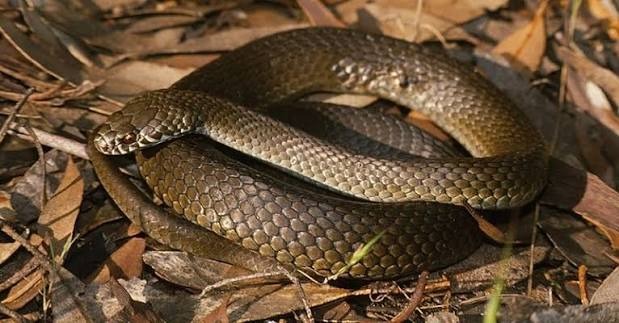
Environmental modification is the cornerstone of any successful snake prevention strategy. Understanding what attracts snakes is key:
- Abundant Prey: Rodents, insects, and similar creatures are natural food sources for snakes. Properties with poor waste management, pet food left outdoors, or overgrown landscaping provide ideal habitats for such prey.
- Hiding Places: Tall grass, dense shrubbery, wood or compost piles, stacked rocks, and clutter offer snakes places to hide from predators and extreme weather.
- Water Sources: Standing water, leaking hoses, birdbaths, or puddles attract both prey and snakes themselves, especially in hot, dry climates.
By targeting these attractants, you can make your yard less appealing to snakes.
Practical Yard Maintenance for Snake Prevention
Regular, thorough yard maintenance deprives both snakes and their prey of ideal conditions. Consider these evidence-based steps:
- Keep Grass Short: Mow grass regularly and trim weeds along property lines and around buildings. Snakes avoid open spaces where they are exposed to predators but will use tall grass as cover.
- Remove Debris: Clear away fallen branches, leaf piles, excess mulch, and yard clutter. Wood piles should be stacked off the ground and located away from structures.
- Control Rodents and Insects: Store food securely, maintain trash bins with tight-fitting lids, and remove uneaten pet food each night. Consider professional pest control if rodent infestations are an ongoing problem.
- Reduce Standing Water: Fix leaky hoses, remove unused containers, and drain water features if they’re unnecessary. Eliminate sources where frogs and insects may breed.
Minor changes, such as moving a compost heap farther from your home or removing decorative rocks close to entryways, can significantly reduce snake attractants.
Securing Your Home: Closing Entry Points
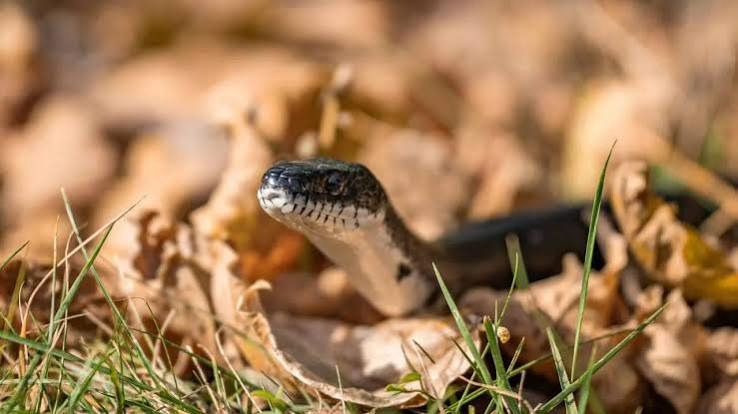
Snakes may enter homes in pursuit of prey or if drawn by heat and shelter, especially in the cooler months. To dramatically reduce this risk, proactively seek and seal potential entry points:
- Doors and Windows: Install door sweeps, repair damaged screens, and make sure that doors and windows close tightly. Check for gaps underneath or around frames.
- Vents and Drains: Cover all external vents and drains with mesh screens, ensuring that holes are small enough to prevent snake entry.
- Foundations and Walls: Seal cracks or gaps with weatherproof materials. Pay attention to spots where utility pipes or cables enter the structure.
- Basements and Crawlspaces: Regularly inspect and maintain barriers to deter not only snakes but rodents as well, further reducing attraction for both.
Simple, cost-effective actions such as fitting a brush strip under a door or patching a vent screen can significantly minimize entry opportunities for both snakes and their prey.
Safe Responses When Encountering a Snake
If you discover a snake on your property, the single most important response is to remain calm and keep your distance. The overwhelming majority of snake bites occur when people attempt to touch, capture, or kill snakes. Nonvenomous and even venomous varieties are usually shy and defensive; given a clear path, they will nearly always move away on their own.
- Assess from Afar: Try to observe the snake without approaching. Do not attempt to catch, trap, or provoke it.
- Clear the Area: Keep pets and children away until the snake has safely left the vicinity. Supervision is especially important in yards or gardens where playtime is common.
- Provide an Exit: If possible, open a gate or clear obstacles that could hinder the snake’s exit. Avoid herding or cornering the animal.
- Call a Professional: If the snake is inside the house, appears injured, or is stuck in an inaccessible location, contact a licensed wildlife removal service. These experts can remove the animal appropriately and offer advice on further prevention steps.
Attempting to kill or move a snake yourself increases your risk of being bitten and is often not legally permitted in many regions due to wildlife protection regulations.
Preventing Repeat Encounters: Ongoing Habits for a Snake-Free Home
Maintaining a snake-free property is mostly a matter of consistent, ongoing effort. Make yard inspections a routine, update maintenance schedules seasonally, and monitor for any return of snake attractants. Responsible pet ownership—such as feeding pets indoors, regularly disposing of waste, and keeping yards tidy—also plays a role. For homeowners in snake-prone areas, educating family members, neighbors, and local community groups can foster a collective approach and further reduce regional risks.
Natural Coexistence: The Bigger Picture
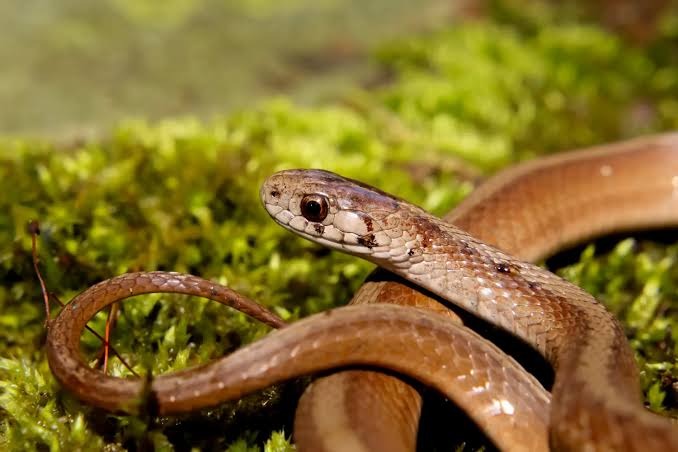
While the goal of prevention is to reduce unwelcome snake encounters, it is essential to recognize the ecological role snakes play. Many species help control harmful rodents and insects, providing a natural form of pest management. Most are nonvenomous and pose minimal risk when left undisturbed.
By prioritizing habitat modification rather than aggressive deterrence or the use of potentially harmful chemicals, communities can foster environments that are safe for people and sustainable for wildlife. The guiding principle should be one of respectful coexistence, where the safety and comfort of human residents are balanced with the needs of local ecosystems.
Conclusion
Finding a snake near your home can be alarming, but unfounded panic or violent responses are rarely helpful. There is no evidence that household remedies or scents can reliably keep snakes away. Instead, the most effective steps are proactive: maintain a clean yard, minimize food and water sources, and seal possible entry points. When a snake is sighted, staying calm, keeping distance, and deferring to professionals if necessary ensures the safety of all involved. Ultimately, prevention is about making your property less appealing to snakes without disrupting their place in the ecosystem.
Sources
- Centers for Disease Control and Prevention (CDC)
- National Geographic
- Reuters
- BBC News
- Clemson Cooperative Extension
- Humane Society
Disclaimer: This content is intended for entertainment purposes only and is not based on real events.