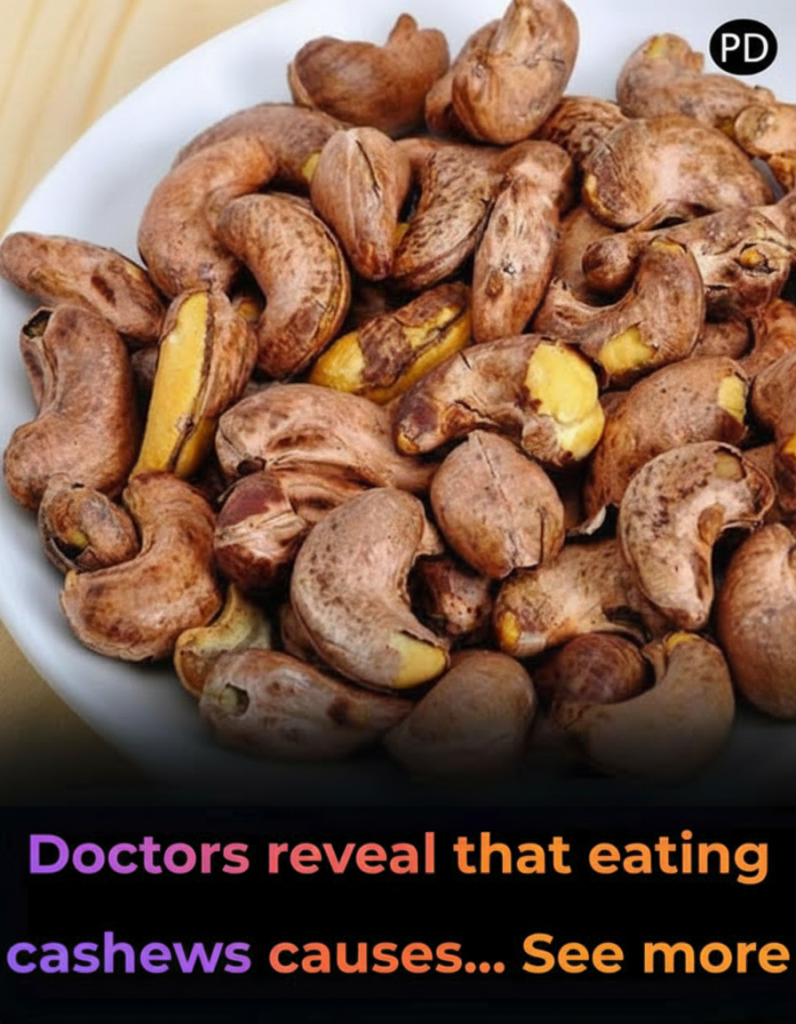
In recent years, cashews have often made headlines as a so-called “harmful nut,” with various alarming claims circulating in popular media. These warnings frequently point to risks of weight gain, kidney stones, or heart problems, raising concerns among health-conscious consumers. However, a deeper look into nutrition science reveals that much of this negativity is unwarranted. Instead, cashews occupy a valuable place in many healthy diets, providing important nutrients and health benefits when consumed in moderation. This article explores the evidence behind the health effects of cashews, addresses common misconceptions, and offers guidance on how to include them as part of a balanced lifestyle.
The Nutritional Value of Cashews
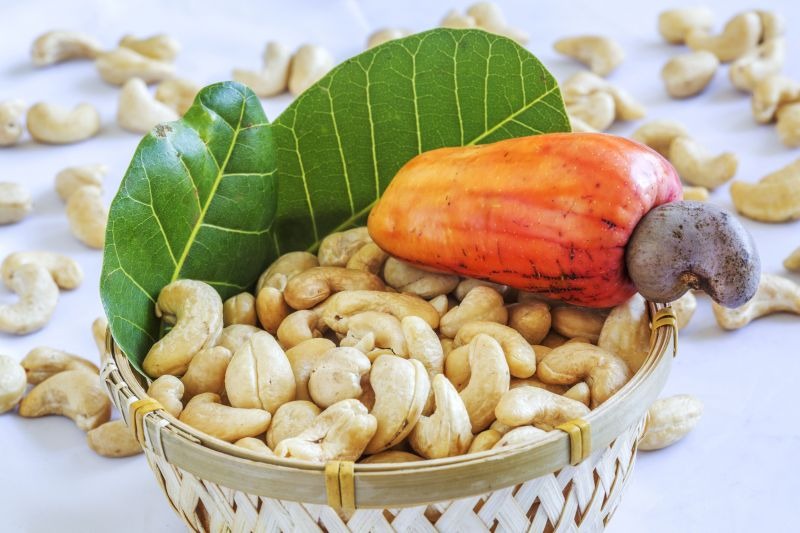
Cashews are the kidney-shaped seeds found at the bottom of the cashew apple, native to Brazil and now grown in many parts of the world. Packed with nutrients, cashews are a source of protein, healthy fats, vitamins, and minerals. A typical 28-gram (one-ounce) serving of raw cashews contains:
- Approximately 157 calories
- 12 grams of fat, mostly monounsaturated and polyunsaturated
- 9 grams of carbohydrates (including 1 gram of fiber)
- 5 grams of protein
- High levels of magnesium, copper, phosphorus, manganese, and zinc
- Small but meaningful amounts of vitamin K, vitamin B6, and folate
The fats in cashews are predominantly heart-healthy monounsaturated and polyunsaturated kinds, which are known to support cardiovascular health. In addition, their micronutrients play essential roles in metabolic function, immune system support, bone health, and energy production.
Dispelling Common Myths About Cashews
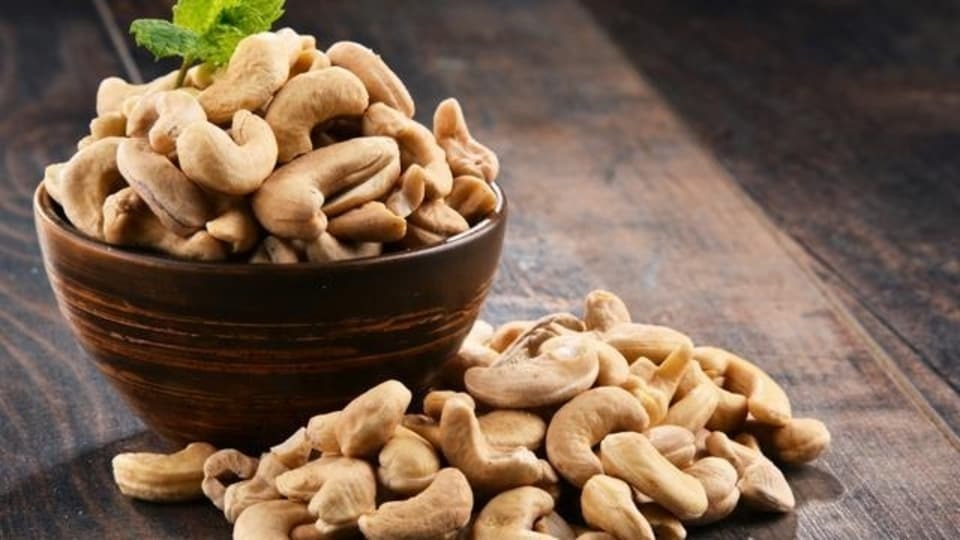
One of the most prevalent myths is that eating cashews is likely to cause weight gain. While it is true that nuts are calorie-dense, scientific studies repeatedly show that including nuts in the diet does not generally lead to increased body weight. There are several explanations:
- Nuts provide protein and dietary fiber, both of which contribute to a feeling of fullness and reduce overall food intake in subsequent meals.
- Some fat in nuts is not fully absorbed by the body, resulting in slightly fewer net calories.
- Habitual nut eaters tend to make other healthy lifestyle choices, further supporting weight management.
Another common concern involves claims linking cashews to high cholesterol or increased risk of heart disease. In fact, the opposite is seen in controlled trials and population studies: regular nut consumption, including cashews, is associated with lower total cholesterol, improved ratios of LDL (bad) to HDL (good) cholesterol, and reduced risk of cardiovascular events.
Research Evidence: Cashews and Chronic Disease
A large and growing body of peer-reviewed research supports the inclusion of cashews and other nuts in a heart-healthy diet.
- The American Heart Association recognizes nuts as part of its recommended eating plans, citing evidence that regular nut intake lowers the risk of coronary heart disease and stroke.
- Systematic reviews in journals such as the New England Journal of Medicine and Circulation document that nut consumption is linked with reduced markers of inflammation, better blood vessel function, and lower blood pressure.
- Cashews are also a notable source of magnesium, which is associated with improved glucose control and a lower incidence of type 2 diabetes in people with higher blood magnesium levels.
- Several studies suggest that moderate nut intake can help control appetite and support weight maintenance, contrary to fears about weight gain.
Crucially, these benefits are seen when nuts are consumed as part of an overall healthy diet, emphasizing a variety of plant-based foods, whole grains, fruits, and vegetables.
Who Might Need to Limit Cashews?
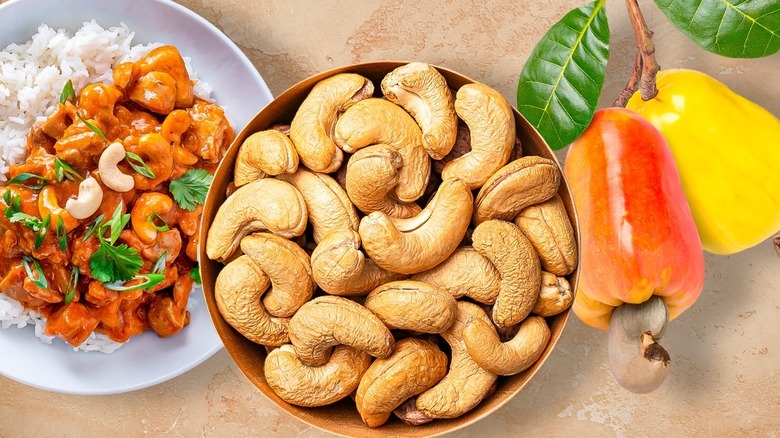
While cashews are a healthy option for most people, some individuals need to exercise caution:
- Tree Nut Allergies: Cashews are classified as tree nuts and can cause serious, potentially life-threatening allergic reactions in sensitive individuals. Those with a history of nut allergy should avoid cashews and products containing them.
- Kidney Stone Risk: Cashews and other nuts contain compounds called oxalates, which can contribute to kidney stone formation in people with a history of calcium oxalate stones. Such individuals should consult their healthcare providers about appropriate nut intake.
- Digestive Sensitivities: A high intake of fiber or fat from nuts may cause digestive discomfort, like bloating or gas, in some people. As with other foods, moderation is important.
- Raw Cashew Safety: Truly raw cashews, straight from the plant, contain urushiol—a toxin also found in poison ivy. Commercially available “raw” cashews sold in stores are actually steamed or roasted to remove potential toxins and are safe for consumption.
For the vast majority of people without allergies or specific medical issues, cashews can be a nutritious, safe, and enjoyable part of the diet.
Cashews Within a Balanced Diet
Leading health organizations advocate for the inclusion of nuts like cashews several times a week. Here are some tips for integrating cashews into healthy routines:
- Enjoy them as a snack in small portions (about a handful or 1 ounce) to manage calorie intake.
- Opt for unsalted and dry-roasted or raw varieties to limit added sodium and unhealthy fats.
- Add cashews to salads, grain dishes, stir-fries, or yogurt for extra nutrition and flavor.
- Consider using cashew-based butters or spreads as alternatives to dairy or high-sugar spreads, but check for added sugars.
- Be mindful of packaged or flavored nuts, which may include added oils, sugars, and salt.
Cashews are suitable for many eating patterns, including vegetarian, vegan, and Mediterranean-style diets. Their protein and healthy fat content can help promote satisfaction and reduce cravings—a helpful asset for weight management.
The Bottom Line: A Nut Worth Embracing
Myth-busting headlines about the dangers of cashews often rely on exaggeration rather than scientific reality. The available evidence supports that cashews are a nutrient-dense, heart-healthy food choice for most people. Far from automatically causing weight gain or health problems, their plant-based fats, protein, fiber, and diverse micronutrients may help promote overall wellness, manage cholesterol, and reduce chronic disease risk.
As with all nutrient-rich foods, moderation and context are key. For those with tree nut allergies or relevant medical conditions, medical guidance should always be followed. Otherwise, enjoying a small handful of unsalted, minimally processed cashews can be a simple, delicious, and beneficial choice for your daily nutrition.
Expert and International Perspectives
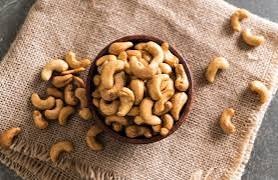
The popularity of cashews spans the globe, with consumption rising in North America, Europe, Asia, and Africa. National dietary guidelines in countries such as the United States, Canada, Australia, and the United Kingdom all highlight nuts as recommended foods within healthy dietary patterns.
The World Health Organization and Centers for Disease Control and Prevention have not issued specific warnings about moderate nut intake for the general population, while consistently emphasizing whole, unprocessed plant foods for improved population health outcomes.
Nutritional experts worldwide encourage individuals to consider their personal health status and preferences, consult with healthcare providers as needed, and view nuts like cashews as one appealing element within a varied, balanced approach to eating.
Sources
- American Heart Association
- BBC Health
- World Health Organization (WHO): Nutrition
- Centers for Disease Control and Prevention (CDC): Nutrition
- Mayo Clinic: A Handful of Nuts
- Reuters: Experts Discuss Nut Benefits
- The Guardian: Why Nuts Are a Miracle Food
Disclaimer: This content is intended for entertainment purposes only and is not based on real events.