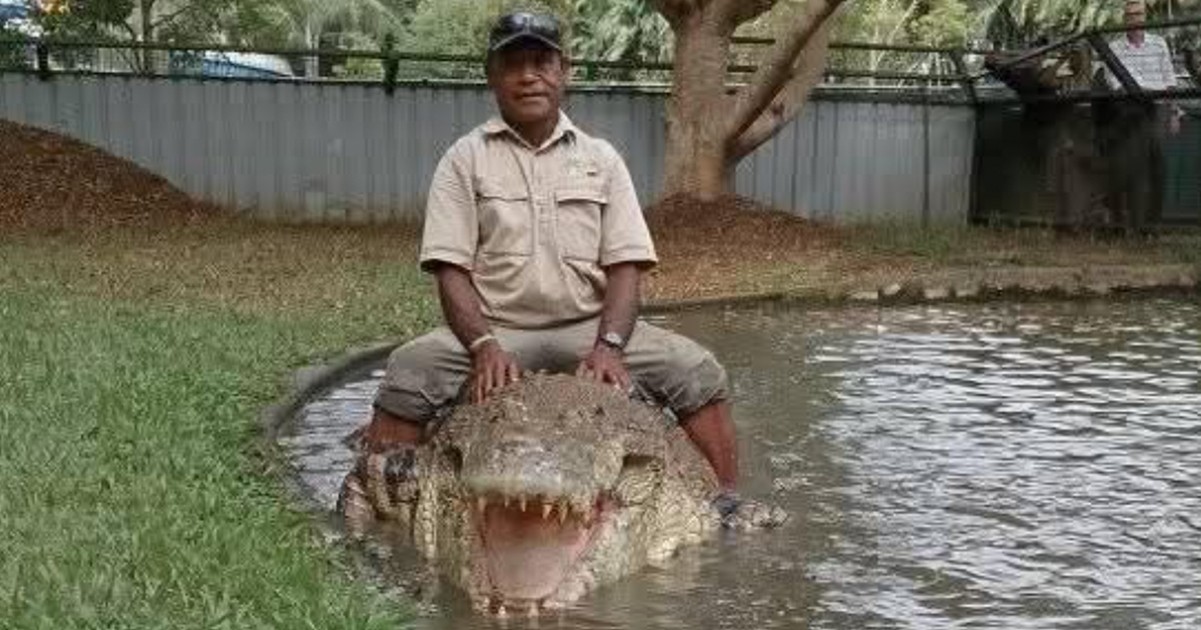
Crocodile Handler Dies After Prolonged Attack at Adventure Park in Papua New Guinea
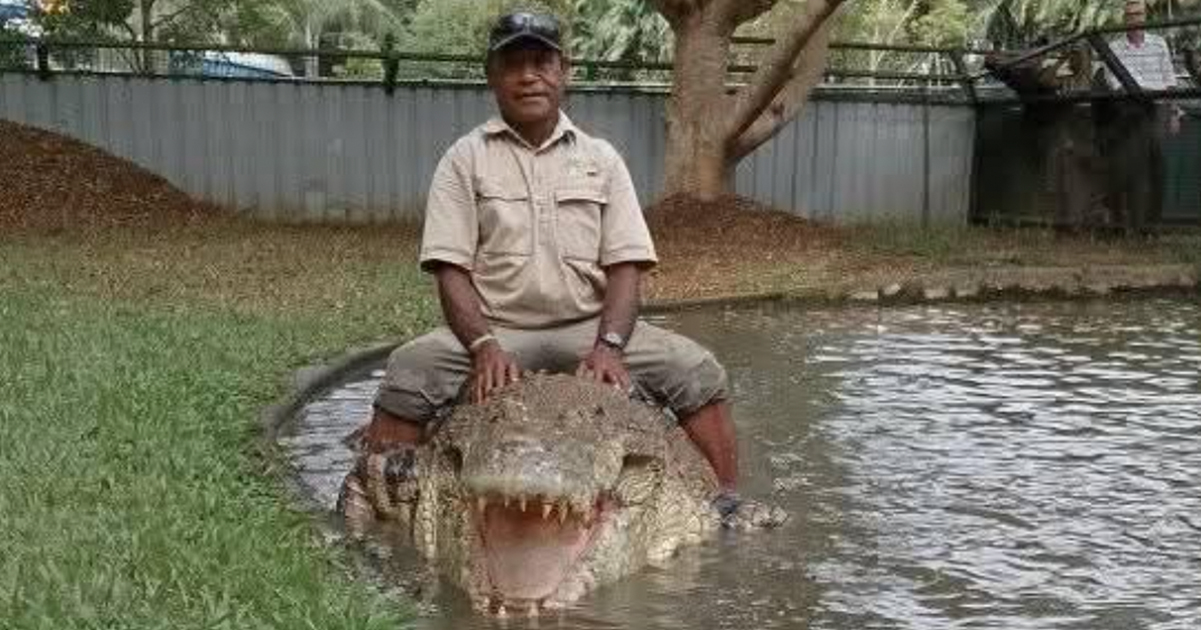
The tragic death of an experienced animal keeper at Adventure Park in Port Moresby, Papua New Guinea, has brought renewed attention to the inherent risks associated with caring for dangerous wildlife. On September 6, seasoned crocodile handler Kupi Rapura lost his life following a drawn-out and desperate struggle with a crocodile—a creature he had nurtured for nearly two years. This incident, witnessed by park visitors and staff, serves as a powerful reminder of the unpredictability of wild animals and the critical need for robust safety protocols in animal handling environments worldwide.
Background: The Incident Unfolds
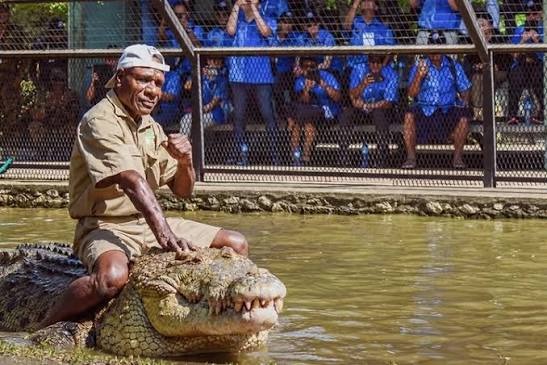
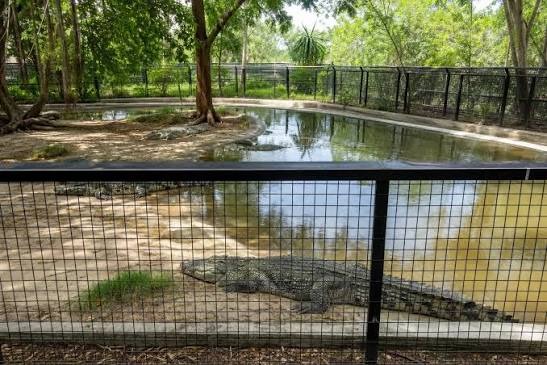
Kupi Rapura, a well-known and senior animal keeper at Adventure Park, had spent several years working with crocodiles both in Port Moresby and previously at Baiyer Zoo. On the morning of September 5, Rapura entered a crocodile enclosure to conduct a routine public feeding demonstration, bringing a chicken for the animal. It was during this demonstration, according to eyewitness accounts, that the crocodile attacked without warning.
Gibson John, a park visitor who witnessed the incident, described how Rapura approached the fence with food when the crocodile “attacked the person and tried to bring him into the pool” (ABC). What began as an educational moment for onlookers quickly turned into a harrowing scene, with the handler’s legs trapped in the animal’s powerful jaws.
The Struggle For Survival
Video footage, filmed through the bars of the enclosure, captured fragments of the tense standoff. Rapura was forcibly taken to the ground, and as the camera angle shifted, he was seen desperately clinging to the edge of the pool while the crocodile maintained its grip on his legs. Bystanders and colleagues outside the fence scrambled to help, trying various methods to free Rapura by passing him a pole or urging the crocodile to release him, but their efforts were hampered by the danger involved and the strength of the animal.
As the minutes ticked by, more people gathered in attempts to assist. One individual scaled the enclosure to grasp Rapura’s arms, trying to provide both physical support and comfort. Yet, despite their efforts, the crocodile’s bite remained unyielding.
The Bleak Reality of Wildlife Handling
The ordeal lasted for over an hour—an unusually prolonged duration for such an incident. Throughout the attack, witnesses noted Rapura’s remarkable composure and resilience. He remained conscious, though clearly in excruciating pain, unable to scream due to the severity of his injuries and shock. “He was in severe pain, but he couldn’t scream,” John recounted. “He couldn’t speak properly at that time. It was the pain I could see from his eyes.” As the rescue effort continued, witnesses recalled his haunting words: “I haven’t done anything wrong.”
The protracted struggle highlighted the immense power of crocodiles, which are renowned for their ability to clamp down with thousands of pounds of pressure per square inch. Their predatory behavior, even in captivity, presents challenges for those who interact with them daily.
Emergency Response and Aftermath
Despite desperate attempts from staff and the public, on-site resources were insufficient. Security personnel, lacking firearms or non-lethal deterrents, handed Rapura a small iron rod in the hope it might help. As the situation worsened, officials from the police and St John’s Ambulance arrived to assist.
Eventually, Adventure Park authorized the euthanization of the crocodile during the rescue to free Rapura. The process resulted in significant trauma; Rapura lost a leg due to the animal’s vice-like grip. He was rushed to the hospital for emergency treatment, but the severe physical trauma proved fatal, and he passed away early the next morning.
The incident prompted Adventure Park management and local authorities to review emergency response procedures and workplace safety policies in facilities that care for dangerous wildlife.
Kupi Rapura: An Experienced Keeper and Trusted Colleague
A father of eight and highly respected member of the Adventure Park team, Rapura had devoted his career to caring for wildlife. According to the National Capital District Commission (NCDC), he joined the organization in 2013, after years at Baiyer Zoo. Colleagues described him as a “senior and highly experienced animal keeper” and emphasized his dedication to both the animals and his team.
The tragedy has had a profound impact on his family and the wider community. In a touching tribute on social media, Rapura’s nephew wrote: “The trust and loyalty have been betrayed by a monster you’ve been treated as a pet. Never knew one day your best friend would take your life. The highest level of betrayal won’t be forgotten in the history of our family.”
Understanding Crocodile Behavior and Captive Risks
Crocodiles are among the oldest living reptiles and apex predators within their ecosystems. Even after years of captivity and human interaction, they retain natural hunting instincts and swift reaction times. Experts emphasize that while many crocodiles can become accustomed to routine and specific handlers, they are fundamentally wild animals whose behavior cannot be guaranteed.
According to wildlife biologists, crocodiles possess “programmable” responses developed over millions of years. Even seemingly docile animals may respond aggressively under stress, hunger, or perceived threats. “No matter how experienced the keeper, a crocodile’s predatory instincts can surface in a split second,” notes Dr. Sally Isberg, managing director at the Center for Crocodile Research (ABC Science).
Safety Protocols and Global Zoo Standards
Zoos and wildlife parks worldwide implement stringent protocols when dealing with potentially dangerous animals, including crocodiles, lions, tigers, and bears. These measures range from reinforced enclosures and double-entry gates to strict no-contact policies during feeding or cleaning times. Staff are extensively trained to minimize risk through clear communication, emergency drills, and the use of specialized equipment.
Nevertheless, incidents continue to occur annually across the globe, underscoring the unpredictable nature of wildlife management. Safety standards are subject to regular review. International regulatory bodies—including the World Association of Zoos and Aquariums (WAZA)—seek to improve both staff and animal welfare by promoting best practices and independent audits.
The incident at Adventure Park has prompted calls for further enhancements in Papua New Guinea’s wildlife sector, from reviewing enclosure design to expanding emergency response options for staff.
Societal and International Reaction
News of Rapura’s death circulated widely in Papua New Guinea and attracted international attention within the zoological and wildlife conservation communities. Locally, there was an outpouring of grief and support for his family. Many expressed admiration for Rapura’s commitment to animal welfare and highlighted the importance of valuing both human and animal safety in public education efforts.
Conservation organizations and zoo professionals internationally have used the incident to reopen dialogue on workplace risks, animal psychology, and the mental health of animal caregivers following traumatic events. They stress the necessity of ongoing professional development, peer support, and transparent risk assessment.
Lessons Learned: The Balance Between Education and Safety
The incident serves as a potent reminder that education about wildlife, while essential, must be balanced by rigorous safety protocols. Public feeding demonstrations play a key role in raising awareness about animal biology and conservation, but interacting with apex predators such as crocodiles should always adhere to the strictest safety measures.
Experts advocate for increased training for staff working with wild animals, as well as improved enclosure design to facilitate fast and safe intervention during emergencies. Auditing current practices can sometimes reveal opportunities for improvement, ensuring that tragedies like this can be minimized or avoided in the future.
The Importance of Respecting Wild Animals
The tragic death of Kupi Rapura is a sobering illustration of what can happen when even the most experienced professionals interact with unpredictable wildlife. It serves as a call for greater public understanding of the inherent dangers in maintaining and showcasing wild animals—a responsibility that should be respected, never underestimated.
Wildlife parks, zoos, and conservation entities must continually prioritize safety for both staff and animals, understanding that a single moment can have permanent consequences. As research advances and best practices evolve, the ultimate goal remains unchanged: to foster a deep respect for nature and its inhabitants, while safeguarding the well-being of all those involved.
Sources
- Australian Broadcasting Corporation (ABC)
- National Capital District Commission
- ABC Science
- The Guardian
Disclaimer: This content is intended for entertainment purposes only and is not based on real events.