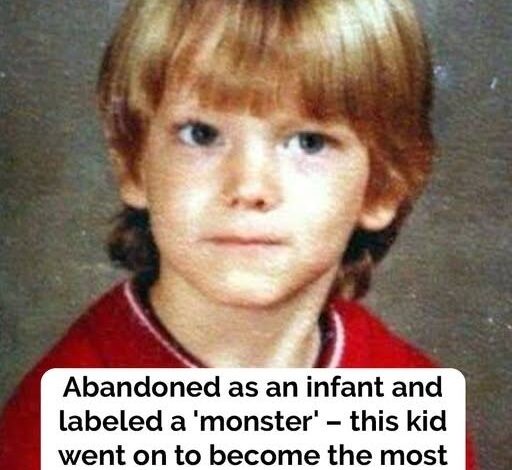
Long before he became a global superstar, a multi-platinum artist, and one of the most influential figures in hip-hop, Marshall Mathers was simply a young boy trying to survive an unstable childhood.
Born into poverty and raised amid family conflict, frequent moves, bullying, and his mother’s struggles with substance abuse, his early years were marked by uncertainty. School was often a place where he felt like an outsider, while home offered little of the stability he desperately needed.
Yet somehow, the experiences that could have defined his life became the raw material for his art.
That transformation—from an isolated child to Eminem, one of the most celebrated rappers in music history—is one of the most remarkable stories in modern hip-hop.
A Childhood Defined by Instability
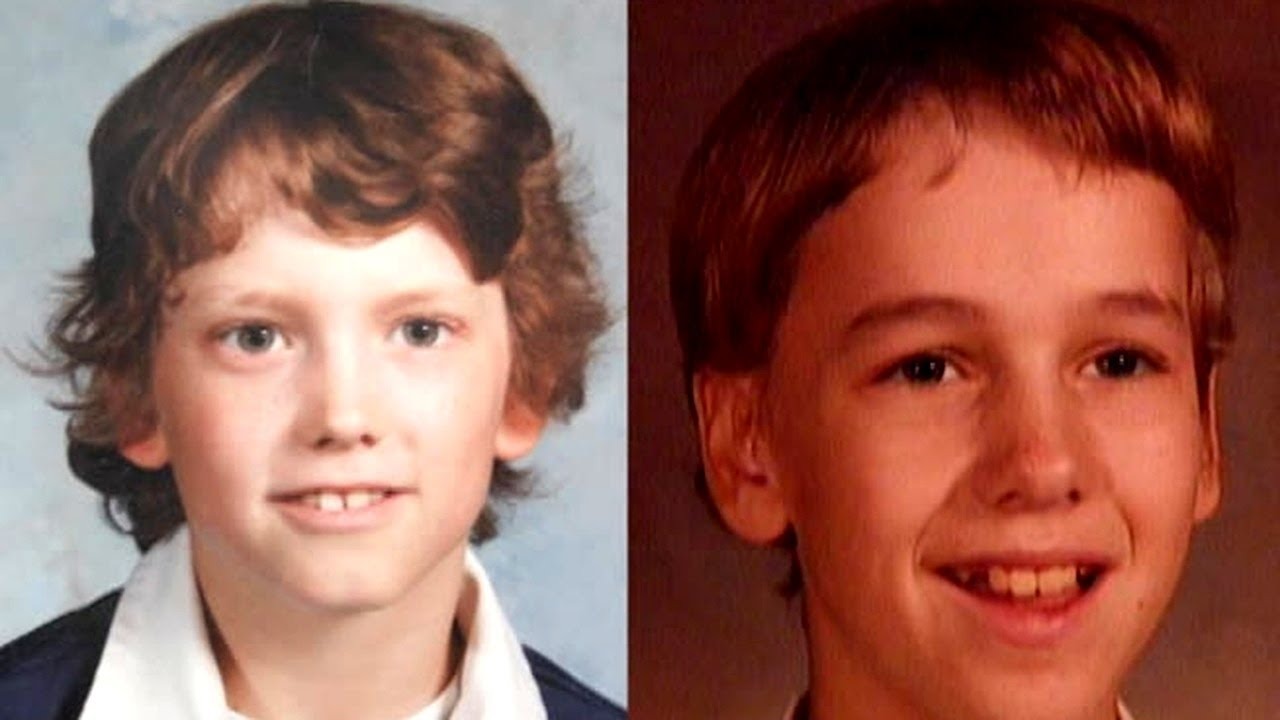
Marshall Bruce Mathers III was born on October 17, 1972, in St. Joseph, Missouri.
His father left the family when Marshall was still an infant. According to Eminem’s accounts over the years, his father’s absence became one of the earliest sources of emotional pain in his life.
He was raised primarily by his mother, Debbie Mathers, but childhood was far from stable.
Financial difficulties meant frequent moves between Missouri and Michigan. Eventually, Marshall spent much of his youth in Detroit, where he and his mother lived in public housing.
Constantly changing schools made it difficult for him to establish friendships or feel that he belonged anywhere.
The situation became even more complicated because he was often one of the few white students in predominantly Black neighborhoods. Rather than allowing that difference to isolate him completely, however, he gradually became fascinated by the hip-hop culture surrounding him.
It was an environment that would eventually change his life.
The Bullying That Left a Lasting Mark

School was not an easy place for young Marshall.
He has spoken extensively about being bullied and physically attacked during his childhood. One of the most serious incidents reportedly occurred when he was nine years old.
During a game of King of the Hill, another child struck him with a snowball containing a heavy piece of ice. The incident resulted in serious injuries, including a concussion and temporary loss of vision in one eye.
His mother later pursued legal action against the school district, although the case was ultimately dismissed.
For Marshall, however, the emotional consequences lasted much longer.
The experience contributed to the anger, isolation, and frustration that would later become recurring themes in his music.
Years later, Eminem would repeatedly return to memories of childhood bullying in his songs, describing what it felt like to be treated as an outsider and powerless target.
Home Was Complicated Too
If school offered little comfort, home was hardly a refuge.
Eminem has publicly described his relationship with his mother as deeply troubled. He has alleged that Debbie struggled with substance abuse and that their relationship was frequently volatile.
Those experiences eventually became some of the most controversial material in his music.
In his 2002 song “Cleanin’ Out My Closet,” Eminem made deeply personal accusations against his mother, including the claim that she had convinced him he was sick when he was not.
Debbie Mathers strongly denied many of her son’s allegations and later pursued legal action against him.
Their complicated relationship became part of Eminem’s public story, but beneath the headlines was something more personal: a son attempting to process years of anger, disappointment, and unresolved family conflict.
Instead of keeping those emotions hidden, he turned them into lyrics.
Discovering Hip-Hop at 14
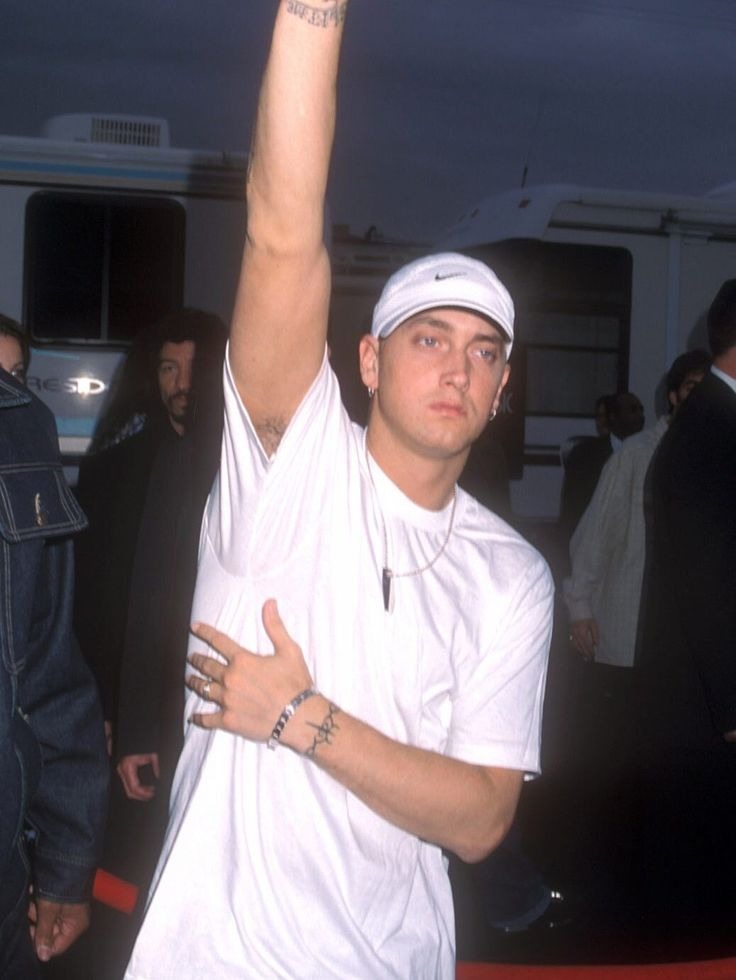
At around 14, Marshall discovered rap.
It quickly became much more than a hobby.
Writing rhymes gave him something he had rarely experienced during childhood—a way to control his own story.
He began performing under the name M&M, which eventually evolved into Eminem.
He participated in freestyle battles and underground rap competitions around Detroit, gradually developing the rapid delivery, intricate rhyme schemes, dark humor, and storytelling ability that would eventually become his trademark.
Traditional education, meanwhile, became increasingly difficult for him. He eventually left high school without graduating.
But while his academic path ended early, another education was just beginning.
Detroit’s underground hip-hop scene became his classroom.
Fatherhood Changed His Perspective
In 1995, Eminem released his first single and welcomed his daughter, Hailie Jade, with Kim Scott.
Becoming a father gave him a new reason to succeed.
After experiencing poverty, instability, and emotional turmoil himself, Eminem wanted his daughter to have something he had never consistently experienced: security.
Fatherhood became one of the most important recurring themes in his music.
Songs such as “Mockingbird” would later reveal a much softer side of the rapper, showing that behind the aggressive Slim Shady persona was a father deeply concerned about the people he loved.
The Struggle Before Stardom
Success did not arrive immediately.
In the late 1990s, Eminem faced relationship problems, financial difficulties, depression, and substance abuse.
His relationship with Kim Scott was particularly turbulent, and their separation in 1997 coincided with an especially difficult period in his life.
But those struggles also pushed his creativity to another level.
Eminem recorded music that eventually reached influential hip-hop producer Dr. Dre.
Dre recognized something extraordinary in the young Detroit rapper.
The meeting became a turning point.
Eminem signed with Aftermath Entertainment and began working on what would become The Slim Shady LP.
“My Name Is” Changed Everything
When “My Name Is” arrived in 1999, the music industry suddenly had a new star.
The song introduced audiences around the world to Slim Shady—a provocative, sarcastic, unpredictable character who seemed completely unlike the polished image many mainstream artists were expected to maintain.
The Slim Shady LP became a massive commercial success and earned Eminem his first Grammy Award for Best Rap Album.
For someone who had spent much of his childhood feeling invisible, the transformation was extraordinary.
Within a few years, the boy who had struggled to fit in had become one of the biggest names in popular music.
8 Mile Took His Story to the Big Screen
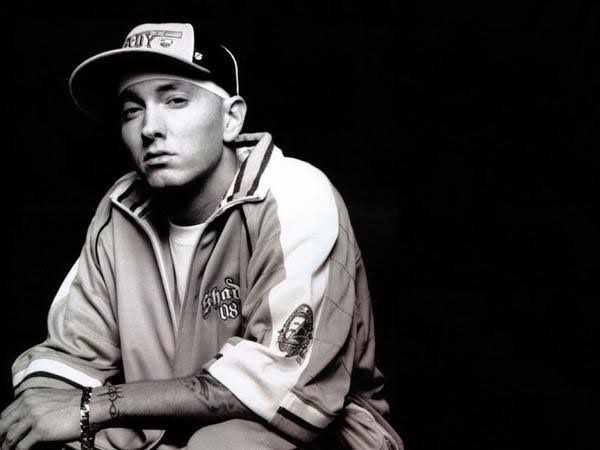
Eminem’s rise continued beyond music.
In 2002, he starred in 8 Mile, a semi-autobiographical film inspired by his experiences growing up in Detroit and attempting to establish himself as a rapper.
The movie introduced his story to an even wider audience.
Its defining song, “Lose Yourself,” became one of his signature recordings.
The song won the Academy Award for Best Original Song, making Eminem the first hip-hop artist to receive the Oscar in that category.
“Lose Yourself” also captured the central theme of his life: an opportunity appearing in front of someone who had spent years fighting to be heard.
Turning Pain Into Music
Perhaps the most remarkable part of Eminem’s career is how frequently he has transformed personal experiences into music.
His songs have explored family conflict, insecurity, fame, fatherhood, addiction, relationships, anger, self-doubt, and recovery.
Tracks such as “The Way I Am,” “Mockingbird,” “Not Afraid,” “Stan,” “Without Me,” “Rap God,” and “’Till I Collapse” demonstrate the extraordinary range of his career.
His music can be aggressive and provocative, but it can also be deeply reflective.
That contrast is part of what made Eminem so distinctive.
The same artist capable of creating the outrageous Slim Shady character could also write vulnerable songs about trying to protect his daughter or confronting his own mistakes.
A Legacy Built on Resilience
Eminem eventually became more than a successful rapper.
He became a cultural phenomenon.
His rapid-fire delivery, complex rhyme patterns, unusual storytelling techniques, and willingness to discuss deeply personal subjects helped redefine what mainstream hip-hop could sound like.
But his greatest achievement may be the story behind the music.
He began life without the stability many children take for granted. He experienced poverty, bullying, family conflict, and repeated setbacks.
None of that guaranteed success.
What changed his trajectory was his ability to turn those experiences into something constructive.
Instead of allowing his childhood to become the final chapter of his story, he used it as material for a career that would influence generations of artists.
Today, Eminem is widely regarded as one of the greatest rappers of all time.
His journey is not simply a story about fame or fortune. It is a reminder that a difficult beginning does not necessarily determine where a person ends up.
Sometimes, the experiences that hurt us become the very experiences that teach us how to create, endure, and keep moving forward.
For Eminem, the journey from Marshall Mathers to a global hip-hop icon began with a boy who simply wanted to be heard.
And eventually, the entire world listened.