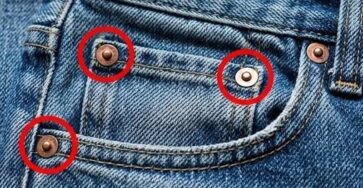
Take a look at your favorite pair of jeans.
The denim, the stitching, the pockets, the familiar blue color—all of it probably feels completely ordinary. But there’s one tiny detail you may never have thought much about: those small metal pieces attached near the pockets.
They can look like simple decorations, but they actually have a practical purpose rooted in the early history of blue jeans.
Those little metal rivets were created to solve a very real problem faced by workers more than a century ago.
Jeans Were Built for Hard Work
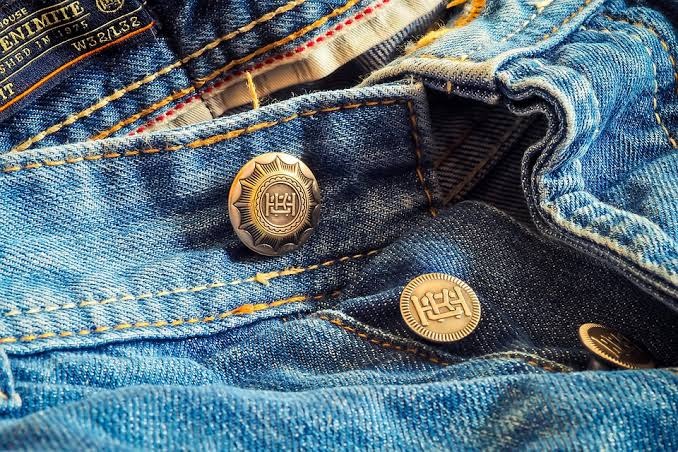
When denim trousers first became popular among workers, durability was one of their biggest advantages.
People who wore them often spent long hours performing physically demanding jobs. Their clothing had to withstand constant movement, heavy use, and repeated strain.
But there was a weak point.
The seams around the pockets could experience considerable tension, especially when pockets were repeatedly used or filled with tools and other belongings. Over time, the fabric could tear or the pocket could pull away from the rest of the garment.
For workers who relied on their clothing every day, a damaged pocket wasn’t simply a fashion problem.
A practical solution was needed.
A Tailor Had a Simple Idea
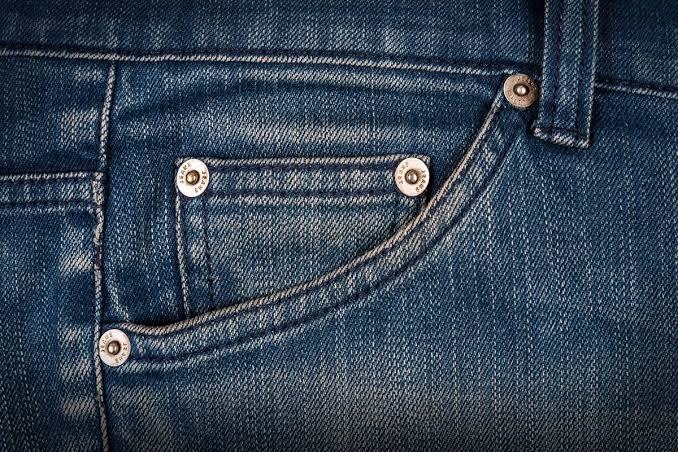
That solution is closely associated with Jacob Davis, a tailor who worked in Nevada during the 19th century.
Davis noticed that adding small metal rivets to areas of the garment that experienced the most stress could make them considerably stronger.
Instead of allowing all the strain to fall on the fabric and stitching, the metal fasteners helped reinforce key points around the pockets.
It was a remarkably simple idea.
And that small improvement would eventually become one of the most recognizable details of a pair of jeans.
The Beginning of a Famous Partnership
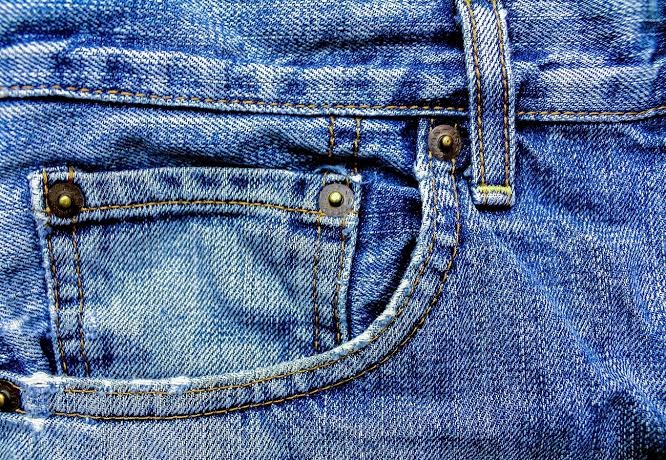
Davis had customers who needed durable clothing, and his reinforced trousers proved useful.
However, he faced a problem of his own: obtaining a patent for the invention required money.
He reached out to Levi Strauss, the businessman whose company was already involved in producing and selling clothing.
Davis proposed that the two work together to secure legal protection for the design.
The partnership proved successful.
In 1873, Davis and Strauss received a U.S. patent for the use of rivets to reinforce points of strain in work trousers.
That patent is widely regarded as an important milestone in the history of modern blue jeans.
Those Tiny Rivets Have a Job
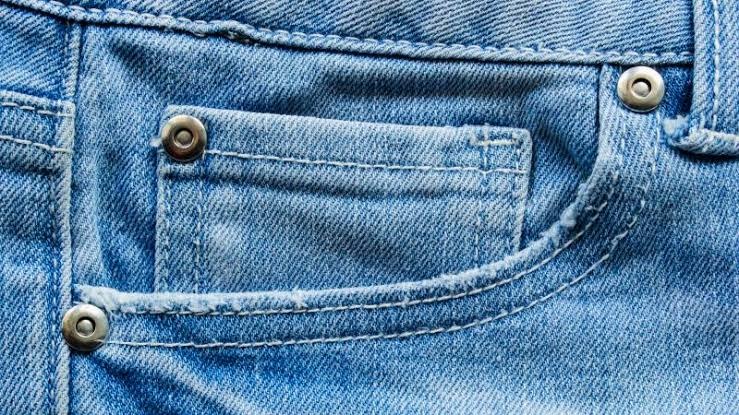
So, the next time you notice the small metal pieces on your jeans, remember that they’re not simply there to make the trousers look stylish.
Their original purpose was functional.
The rivets reinforce areas where the denim is more likely to experience stress, helping strengthen the connection between the pocket and the body of the garment.
Modern jeans are manufactured very differently from the workwear of the 19th century, and construction methods have evolved considerably.
Yet the rivet remains.
What began as a practical solution eventually became part of the visual identity of denim.
From Workwear to Fashion Icon
Perhaps the most interesting part of the story is how something designed for workers eventually became a fashion detail recognized around the world.
Jeans are now worn in countless settings. They can be casual, stylish, vintage-inspired, or even part of carefully designed outfits.
But hidden within that modern fashion item is a piece of industrial history.
The tiny rivets are a reminder that many familiar clothing details exist because someone once encountered a practical problem and found a clever way to solve it.
The Next Time You Put on Jeans…
Look at those little metal rivets near the pockets.
They may be tiny, but their story goes back more than 150 years.
What appears to be an insignificant detail is actually connected to one of the innovations that helped make denim trousers stronger and more durable.
And that’s what makes everyday objects so fascinating.
Sometimes, the smallest details have the biggest stories behind them.