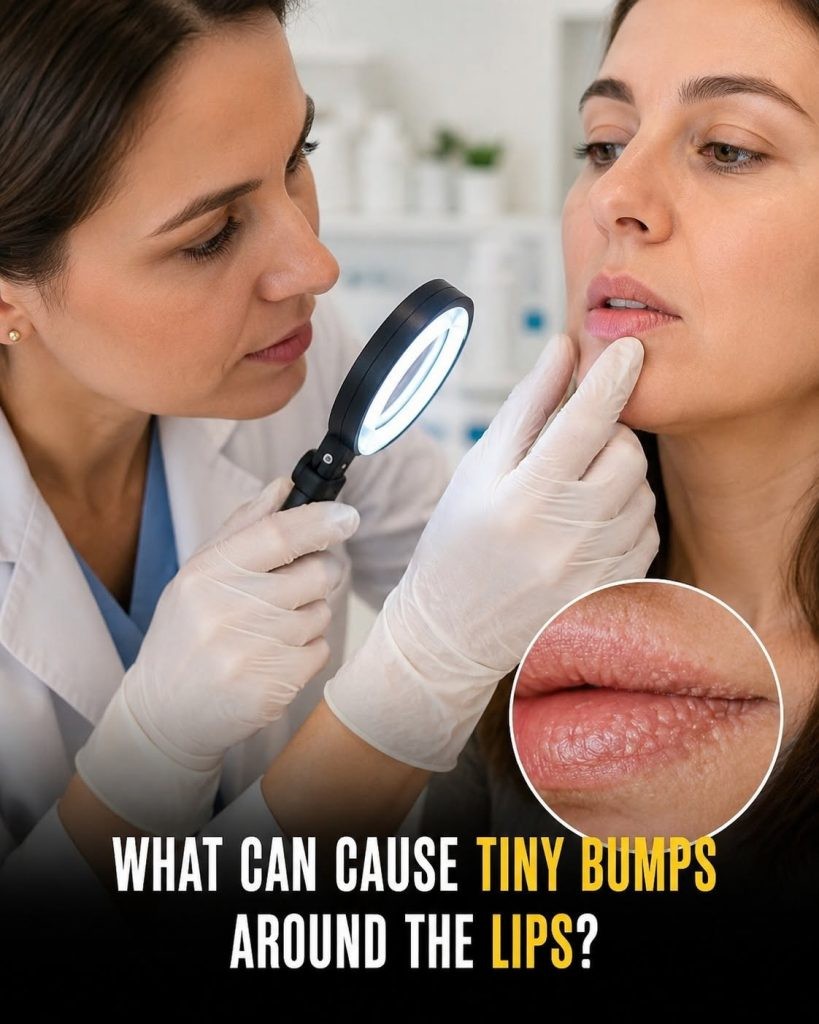
Understanding Small White Bumps: What Are They?
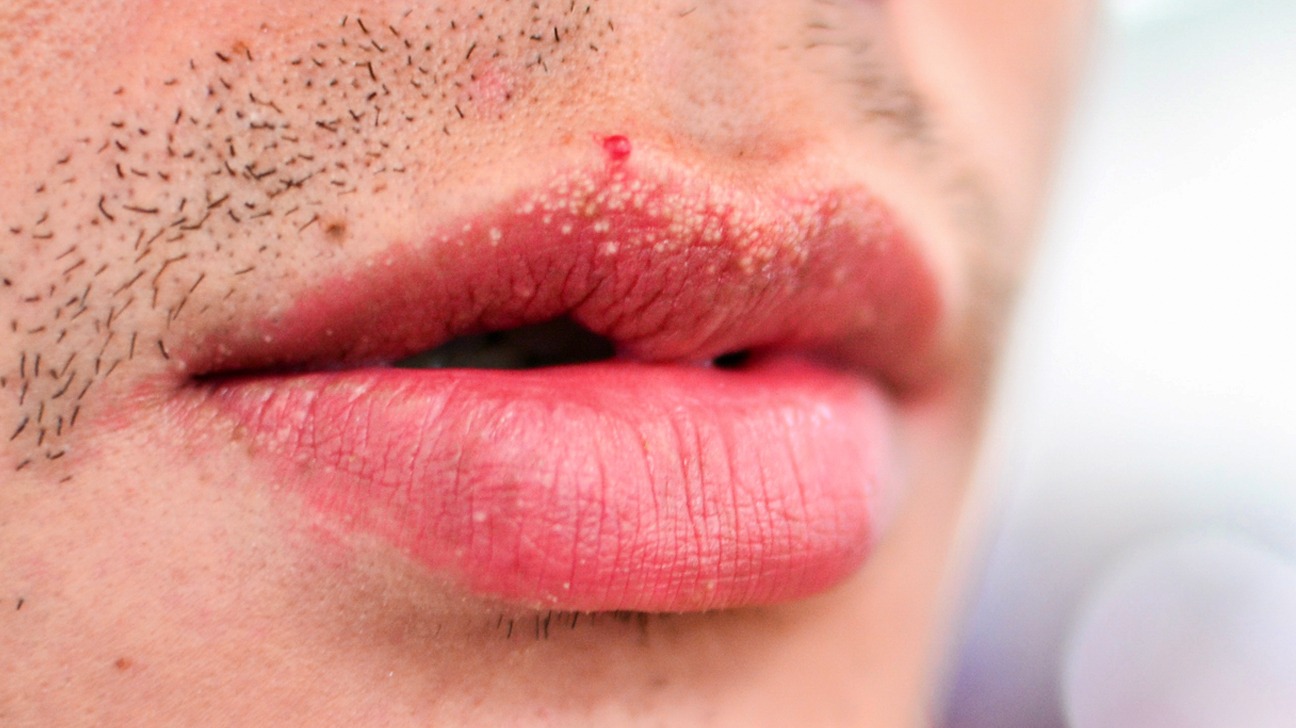
Small white bumps appearing on the lips or in the intimate area are a common skin concern for many people. While these bumps might provoke anxiety due to their location and appearance, they are often harmless and not associated with any serious health condition. Understanding what these bumps are and what causes them is the first step toward safe and effective management.
Common Causes of White Bumps on Lips and Intimate Area
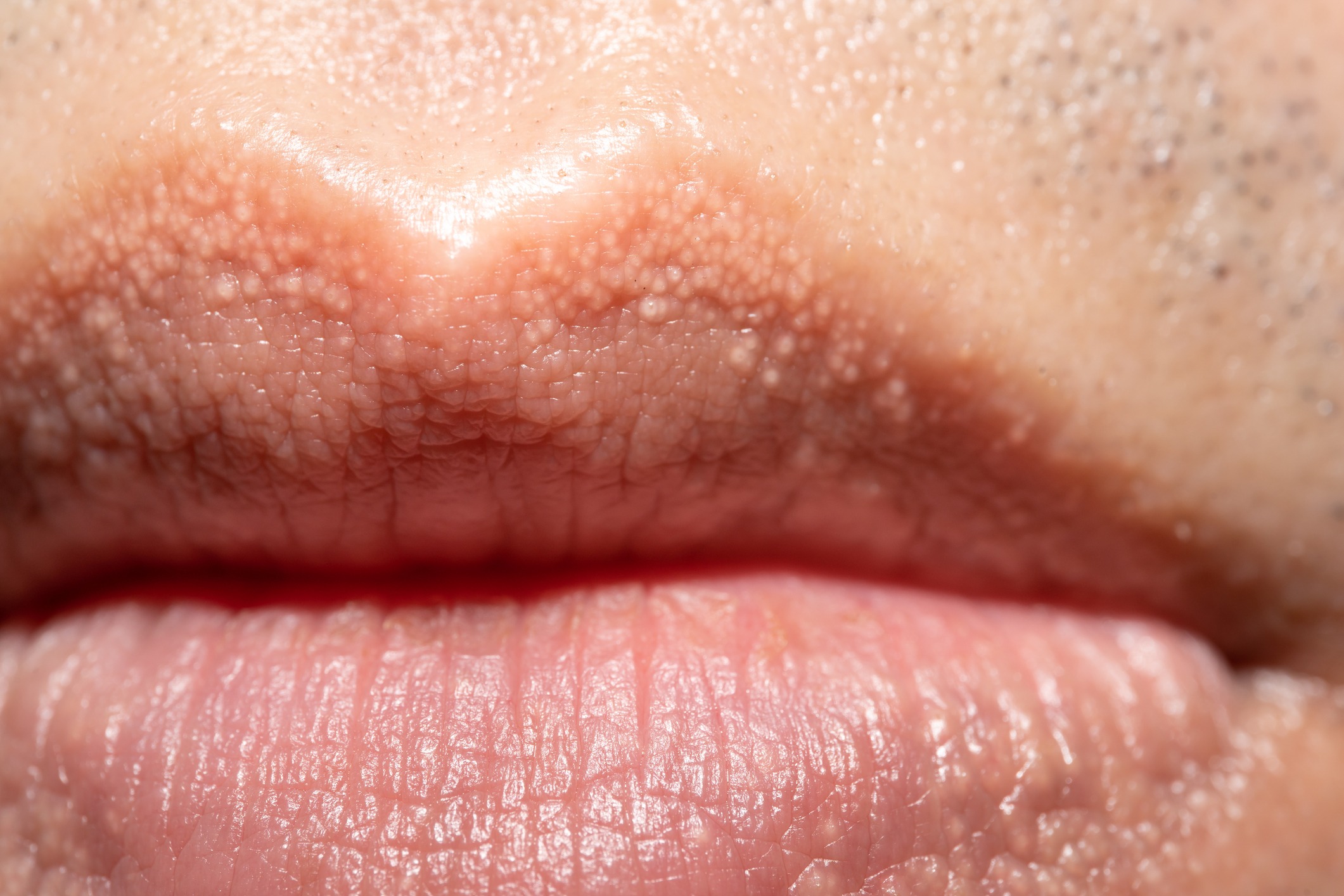
There are several factors that can lead to the development of small white bumps on both the lips and intimate regions. The most common causes include:
Fordyce Spots
Fordyce spots are perhaps the most typical explanation for these bumps and are considered a natural anatomical variant rather than a disease. They are small, elevated, whitish or yellowish dots that appear on the lips or genital skin. These spots are simply enlarged or more visible sebaceous (oil-producing) glands. Medical research has confirmed that Fordyce spots:
- Are not infectious or contagious.
- Do not pose any risk to health or function.
- Are present in up to 80% of adults to some degree, making them a normal part of human anatomy.
No treatment is usually necessary, and most medical experts recommend leaving them alone.
Clogged Pores and Oil Gland Blockages
The lips and genital area contain many oil glands that help keep the skin supple. Sometimes, these glands can become blocked due to:
- Heavy lip products (such as ointments, balms, or lipstick).
- Cosmetics and skin care routines.
- Friction from tight clothing or shaving.
- Excessive sweating, especially in warm climates or during exercise.
Blocked pores may present as small white or flesh-colored bumps. Usually, these resolve once the irritation is removed.
Irritation and Contact Dermatitis
In both the lips and intimate area, skin contact with certain substances can cause minor reactions. This is known as contact dermatitis and can result in:
- Slightly raised, white or reddish bumps.
- Local swelling and sensitivity.
Common irritants include fragrances, dyes in hygiene products, some fabrics, and chemicals present in personal care routines.
Bacterial and Fungal Infections
Occasionally, minor infections can cause small bumps to appear, especially if the skin barrier is compromised. These may be due to:
- Bacterial overgrowth after shaving or scratching.
- Fungal infections in moist environments.
More often, these infections may also present with itchiness, redness, or mild tenderness. Early medical evaluation is recommended since infections can progress without appropriate care.
Symptoms That Should Not Be Ignored
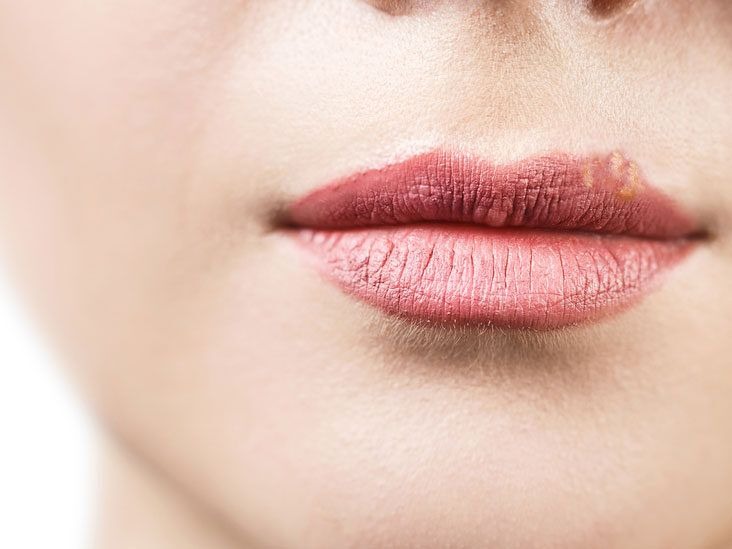
While many white bumps are benign, certain symptoms may signal underlying medical conditions and warrant professional diagnosis:
- Bumps that grow larger, multiply, or persist for several weeks.
- Acute pain or soreness beyond mild discomfort.
- Visible signs of infection, such as pus, swelling, or spreading redness.
- Other associated symptoms like fever, itching, or systemic illness.
These may indicate the presence of infections, cysts, or rare skin disorders that require expert intervention. Clinical assessment by a dermatologist, oral health specialist, or gynecologist can help clarify the diagnosis and recommend safe treatment options.
When Are White Bumps Harmless?
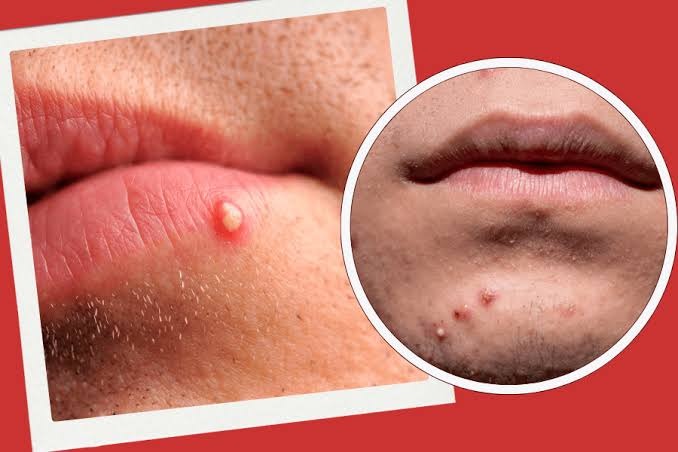
Most cases involving small, white bumps—especially Fordyce spots or mild clogged pores—are neither dangerous nor indicative of an underlying illness. They may fluctuate in size or appearance and often disappear on their own or with minor adjustments in daily routines. Factors that suggest harmlessness include:
- Bumps remaining unchanged over time.
- No associated pain, swelling, or itching.
- No history of risky behavior or exposure to potential infection.
Best Practices for Hygiene and Prevention
Proper hygiene is crucial for maintaining healthy skin and preventing irritation or infection. Experts recommend the following measures for routine care:
- Wash the affected area gently with mild, fragrance-free cleansers.
- Limit the use of harsh cosmetics, lip products, or personal care items.
- Avoid tight clothing and underwear, especially made from synthetic materials.
- Use a clean razor or trimming device for hair removal; shave slowly and safely to prevent nicks.
- Keep skin dry and adequately moisturized, but avoid oil-heavy creams on affected spots.
- Never squeeze, scratch, or try to forcibly remove bumps, as this can increase risk of infection or scarring.
These strategies reduce the likelihood of irritation and promote the natural healing of sensitive skin.
Medical Treatments and Professional Recommendations
Most small white bumps do not require medical intervention. However, persistent or bothersome bumps can sometimes be examined and treated by healthcare professionals. Options include:
- Topical medications (such as retinoid creams) for persistent irritation or blocked pores.
- Mild, prescription antifungal or antibacterial creams if infection is confirmed.
- Specialized laser or electrosurgery procedures for cosmetic removal of Fordyce spots, though these are rarely necessary and only for severe cases.
It is important to consult a qualified provider before starting any treatment, as inappropriate medication or self-removal can further damage skin.
Expert Views and Clinical Guidance
Leading dermatologists and sexual health specialists emphasize that most white bumps are benign and should not cause unnecessary worry. According to Dr. Sarah Johnson of Mayo Clinic, “Fordyce spots and mild irritation are extremely common and do not need medical treatment unless they are causing discomfort or distress. It’s crucial for patients to avoid self-manipulation and seek advice only if changes occur.”
Guidance from public health organizations, including the World Health Organization and CDC, stresses the importance of skin monitoring and safe hygiene habits. When symptoms persist or escalate, prompt medical care ensures accurate diagnosis and reduces risks of complications.
Social Awareness and International Perspectives
Globally, conversations around skin health—especially regarding sensitive areas—are becoming more open. Public education efforts encourage individuals not to be embarrassed and to seek professional advice for any skin changes. Awareness campaigns highlight the harmless nature of most white bumps and advocate for destigmatizing common skin issues.
Leading health agencies such as the Reuters and BBC report that understanding the difference between harmless and potentially serious bumps is key to reducing unnecessary anxiety and improving health outcomes.
Prevention Strategies and Lifestyle Tips
In addition to hygiene measures, lifestyle changes can help avoid or minimize white bumps on sensitive skin:
- Stay hydrated and follow a balanced diet rich in vitamins and antioxidants to support overall skin health.
- Protect lips from excessive sun exposure using products with SPF, as sunburn can exacerbate skin irregularities.
- Manage stress and sleep well, since psychological well-being affects immune response and skin healing.
Incorporating these strategies into daily life supports skin resilience and reduces risk of irritation or superficial bumps.
Conclusion: Monitoring and Seeking Medical Guidance
Small white bumps on the lips or intimate area are commonly encountered and predominantly benign. Understanding their origins, focusing on self-care, and observing changes are central to safe management. While most bumps resolve without intervention, persistent, uncomfortable, or changing symptoms warrant professional attention. By maintaining hygiene, avoiding unnecessary manipulation, and following expert advice, individuals can confidently address these concerns and reduce health-related anxiety.
Sources
- Mayo Clinic – Fordyce Spots
- Centers for Disease Control and Prevention
- World Health Organization
- Reuters – Health
- BBC – Health
- American Academy of Dermatology – Fordyce Spots
Disclaimer: This content is intended for entertainment purposes only and is not based on real events.