Fresh ginger is a staple in kitchens worldwide, celebrated for its zesty flavor and versatility. From curries and stir-fries to teas and health remedies, ginger’s appeal stretches across cultures and continents. In addition to its culinary value, ginger is deeply embedded in traditional medicine, often used to aid digestion, reduce inflammation, and relieve nausea.
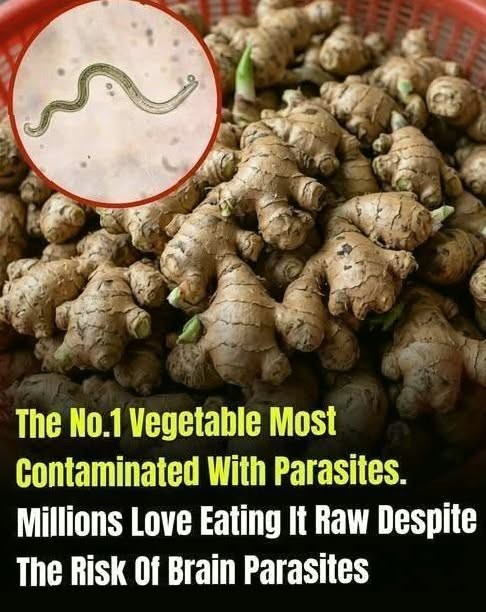
Recently, however, viral posts on social media have ignited concern by claiming ginger is the “most parasite-contaminated vegetable,” with some even connecting it to dangerous infections. These claims are often accompanied by alarming visuals and sensationalized language, raising questions about the safety of consuming fresh ginger.
Understanding Ginger: A Common Root Vegetable
Ginger is the underground stem, or rhizome, of the Zingiber officinale plant. Like other root vegetables—carrots, potatoes, radishes—it grows beneath the soil, coming into contact with dirt, moisture, microbes, and organic matter. This contact can result in surface contaminants, including soil particles, bacteria, and, rarely, other types of microorganisms.
For centuries, cooks and traditional medicine practitioners have used ginger both raw and cooked. Its popularity is matched by a global production scale, with leading growers in India, China, and several Southeast Asian countries.
Viral Claims: Origins and Spread
The recent surge in ginger-related parasite claims originates from viral posts on social networks and messaging platforms. These posts typically use images of allegedly “infected” ginger roots alongside dire warnings about brain parasites and severe health risks. The posts have attracted wide attention, sometimes leading to public confusion and concern.
Key elements in these claims include:
- Statements about ginger being more contaminated than any other vegetable.
- Suggestions of an increased risk of parasitic infection, particularly relating to the brain.
- Calls for more cautious handling or avoidance of ginger.
Examining the Evidence: What Science Says
Food safety authorities and research institutions have reviewed the claims against ginger. Comprehensive studies of produce contamination consistently show that risks stem from factors such as farming conditions, water quality, and hygiene during harvesting and transport, rather than the nature of the vegetable itself.
No peer-reviewed scientific studies indicate that ginger harbors unique or especially high levels of parasites compared to other common vegetables. The following points are widely supported by experts:
- Contamination risks depend on environmental factors such as polluted water, animal waste, and improper handling.
- Root vegetables, including ginger, may carry dirt or microbes on their surface but do not inherently attract parasites.
- Parasitic infections, such as those caused by Taenia (tapeworm) or Toxoplasma gondii, are more often linked to contaminated water, undercooked meat, or fecally contaminated produce—not specifically to ginger.
How Parasites Enter Fresh Produce
Parasites are organisms that require a host to survive. In agricultural contexts, they can enter the food chain through environmental contamination. Factors that increase the risk of fresh produce contamination include:
- Use of untreated or contaminated water for irrigation.
- Presence of animal or human waste near crops.
- Insufficient hygiene during harvest, transport, storage, or preparation.
Although root crops may be exposed to contaminants from soil, research shows proper washing and preparation significantly reduces this risk. According to the World Health Organization (WHO) and Centers for Disease Control and Prevention (CDC), outbreaks linked to produce typically involve leafy greens or crops irrigated with contaminated water—not ginger.
Debunking the “Brain Parasite” Myth
One of the most alarming rumors claims ginger consumption directly leads to “brain parasites.” Scientific and medical authorities confirm that serious parasitic infections such as cysticercosis (from pork tapeworm) or toxoplasmosis are not associated with eating ginger. Transmission of these parasites primarily occurs through specific exposure routes, such as consuming undercooked meat or water contaminated with fecal matter.
There is no credible evidence or documented case in medical literature linking ginger consumption to brain parasite infections. The CDC notes that most foodborne parasitic outbreaks involve foods like unwashed vegetables, raw or undercooked meats, and unpasteurized dairy products, but there is no indication ginger is a major contributor.
Food Safety Practices for Ginger and Other Vegetables
Despite viral misinformation, experts emphasize simple, effective measures for minimizing produce contamination risks. These include:
- Washing ginger thoroughly under running water to remove any dirt or surface microbes.
- Scrubbing the root with a clean brush, especially if consuming raw ginger.
- Peeling ginger before use, which further reduces potential exposure to contaminants.
- Cooking ginger, which kills most bacteria and parasites.
- Purchasing ginger from reliable sources and avoiding visibly damaged or moldy roots.
According to food safety guidelines, the same steps apply to other root vegetables. If handled and prepared properly, ginger poses no greater risk than carrots, potatoes, or radishes.
Nutritional Benefits of Ginger
While misinformation may raise doubts about ginger’s safety, its nutritional profile is well-studied and widely praised. Ginger contains bioactive compounds such as gingerol, which have antioxidant and anti-inflammatory properties. It is used to relieve nausea, aid digestion, and reduce muscle soreness. Studies published by the National Institutes of Health (NIH) show ginger’s efficacy in treating nausea related to motion sickness and pregnancy, among other uses.
Its long-standing safety record and health benefits continue to support its status as a valuable ingredient in global diets.
International Responses and Food Safety Standards
Food safety organizations across the globe monitor and regulate produce contamination. The WHO’s guidelines emphasize that proper hygiene during cultivation, harvesting, distribution, and cooking ensures produce—including ginger—is safe. National authorities, such as the USDA and EFSA in Europe, issue regular advisories about best practices for washing and preparing vegetables.
Many international agencies have responded to food safety rumors with public outreach and education campaigns. These efforts aim to counter misinformation and encourage evidence-based practices among consumers and producers.
Expert Opinions: Clarity Amid Viral Misinformation
Expert views are unified in their assessment of ginger’s safety. Food microbiologists, nutritionists, and health regulators agree that, while no produce is entirely free from contamination risks, ginger does not present any unique or disproportionate danger. Dr. David Acheson, former FDA Chief Medical Officer, notes, “The risks from ginger are not more serious than with other vegetables. Proper washing and preparation are key.”
Dr. Renata Micha of the World Health Organization explains, “Parasite transmission from ginger is not proven or documented in scientific literature. Hygiene standards for produce apply universally.”
Practical Tips: Safe Use of Ginger at Home
- Inspect ginger roots for visible spoilage or mold before purchase.
- Clean ginger thoroughly under running water, scrubbing if needed.
- Peel the skin when using raw ginger, especially for salads or smoothies.
- Cook ginger in dishes for added safety.
- Store ginger in a cool, dry place to prevent mold growth.
- Use ginger from reputable suppliers to minimize contamination risks.
Conclusion: Facts Over Fear
Ginger remains a safe, nutritious, and beneficial root in both kitchens and traditional medicine. Viral claims suggesting otherwise lack scientific backing, and there is no evidence that ginger is more contaminated than other root vegetables. Practicing proper hygiene—washing, peeling, and cooking—ensures ginger’s place in a healthy diet. It is important to rely on evidence-based food safety recommendations and not on alarmist misinformation.
By understanding the science and expert guidance, consumers can enjoy ginger’s benefits with confidence and without unnecessary concern.
Sources
- Reuters
- BBC
- World Health Organization (WHO)
- Centers for Disease Control and Prevention (CDC)
- National Institutes of Health (NIH)
- Mayo Clinic
- The Guardian
- FoodSafety.gov
Disclaimer: This content is intended for entertainment purposes only and is not based on real events.