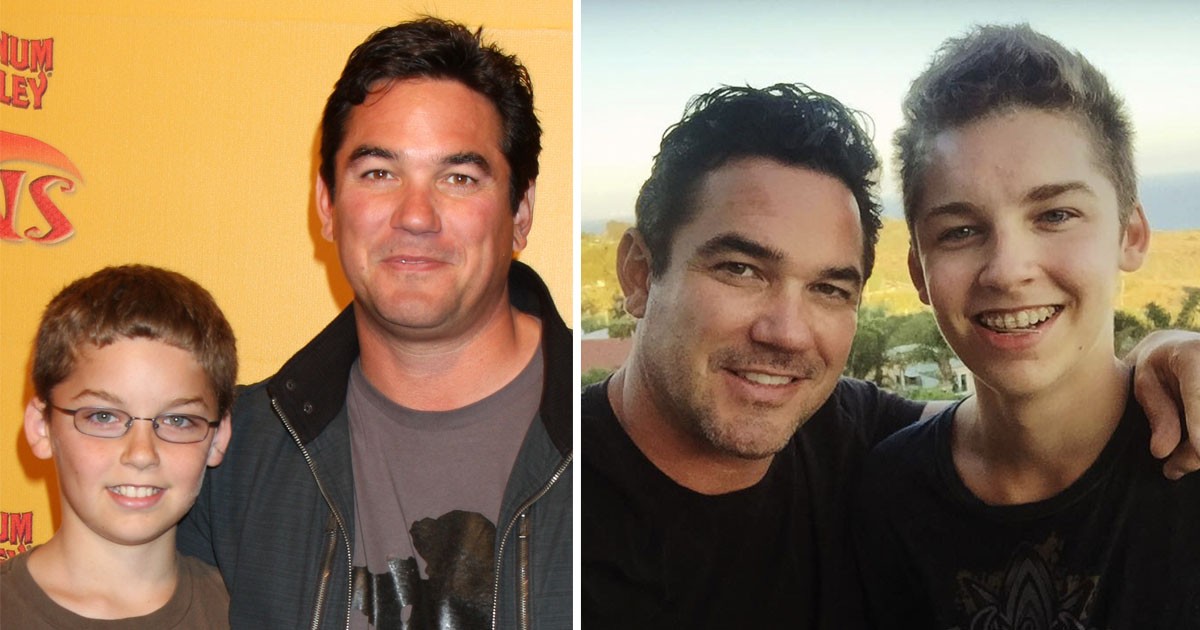
Dean Cain’s Inspiring Journey of Putting Fatherhood First

The Importance of a Father’s Presence
Growing up with a caring and involved father provides stability and security, crucial foundations for a child’s emotional and psychological development. Numerous studies underscore the positive impacts that parental presence—especially from fathers—has on children, including greater confidence, enhanced academic performance, and emotional resilience. Dean Cain, a well-known actor, exemplifies this parental commitment, choosing to prioritize his role as a father above his career in show business.
Cain’s story resonates with individuals who value family and recognize the profound effects that a dedicated parent can have on their child’s life trajectory. Despite a thriving career, Cain consistently chose his responsibilities as a parent first, demonstrating the lasting benefits that active fatherhood can bring.
Dean Cain’s Career and Early Life
Dean Cain rose to fame with his portrayal of Superman in the 1990s TV series “Lois & Clark: The New Adventures of Superman.” His charismatic presence and versatility secured him a range of roles across television and reality shows. Before acting, however, Cain dreamed of becoming a professional football player. A knee injury cut short his athletic aspirations, prompting a career shift into acting, where he quickly captivated audiences.
His journey highlights the unpredictability of life and the necessity of adaptation. Today, Cain’s television legacy continues, but it’s his off-screen decisions that have most profoundly defined his character.

Family Background and Upbringing
Dean George Tanaka, known professionally as Dean Cain, was born on July 31, 1966, in Michigan. His biological parents, Sharon Tanaka and Roger Tanaka, separated after two years of marriage. Cain’s mother later married Christopher Cain, a director who adopted Dean and his brother, inspiring Dean to adopt his stepfather’s last name.
Dean Cain’s relationship with his biological father was nonexistent. He has stated publicly, “My biological father is Japanese. I never knew him, never met him.” Despite Roger Tanaka remarrying in 1982, he did not attempt to restore his relationship with Cain or his brother. This absence shaped Cain’s own perspective on parenthood, reinforcing his determination not to repeat history and to be consistently present for his own child.
Cain’s Path to Fatherhood
Cain was known in his early years for being single-minded and hesitant to settle down. Yet, in June 2000, his life changed with the birth of his son Christopher, whose mother is Samantha Torres, a former model and Playboy Playmate. Cain named his son in honor of his adoptive father, symbolizing the deep respect and connection he had with Christopher Cain.
Despite the initial joy, Cain’s relationship with Torres deteriorated, leading to a custody dispute. Both parents vied for custody, but Cain’s unwavering commitment to his child was evident throughout the proceedings.
The Custody Battle and Sole Parenthood
For Cain, fatherhood became not only a personal milestone but a defining responsibility. He fought for custody of Christopher, and in 2011, was awarded sole custody. This legal victory enabled him to be the primary caregiver, fundamentally shaping his son’s upbringing. Cain became a hands-on parent—cooking meals, nurturing his child’s interests, and participating in all aspects of his son’s life.
In interviews, Cain has shared insights into his approach to parenting. “I cook every meal for my child. If I don’t cook, he doesn’t eat. I cook a very mean steak. I’m also very good at taking the nine leftovers I have and turning it into something,” he said. This personal touch exemplifies his commitment to maintaining a supportive environment, ensuring his son never experienced the absence Cain himself faced growing up.

Balancing Career and Fatherhood
Cain’s dedication required significant sacrifices. He often declined acting roles and professional opportunities, even during peak years, so he could attend his son’s PTA meetings, athletic games, and jiu-jitsu tournaments. The choice to prioritize family over career is challenging for any single parent, and Cain’s journey underscores the balancing act many caregivers face between professional obligations and familial commitments.
Cain’s experience aligns with research and expert opinions on parental involvement, which recognize the critical importance of quality time and emotional investment in a child’s development. He managed multiple roles—including actor, writer, producer, director, talk show host, and political analyst—a testament to his adaptability and determination. It wasn’t until Christopher graduated from high school that Cain began accepting major roles again, revealing to fans that his temporary absence from leading parts was a deliberate, values-driven decision.
The Father-Son Relationship
Cain’s approach to parenting fostered a strong and close relationship with his son. He routinely shares moments on social media, from family vacations to academic milestones. Among their experiences is a tour of Princeton University, Cain’s alma mater, signifying his desire to connect his son with family heritage and educational opportunity.
The bond between Dean Cain and his son can be seen as a model for contemporary parenthood—emphasizing direct participation, encouragement, and mutual respect. Their joint activities reflect Cain’s belief that a parent’s presence enriches childhood, regardless of the complications that may arise from career or family structure.
Extended Family and Values
Christopher Cain has two half-siblings, Elijah and Isabelle, who frequently visit and spend quality time within the Cain household. Dean Cain has publicly expressed his affection for them, “I’d do anything for those two. It can be defined as a broken home, but if you hang out at our house, that’s the last thing you’ll think.” This inclusive, caring atmosphere demonstrates Cain’s broader values: love, support, and unity transcend conventional definitions of family.
His openness to blended family circumstances, and his hands-on involvement, are consistent with findings from family psychologists and social workers who advocate for positive engagement and emotional warmth as central to healthy family dynamics.
Lessons from Dean Cain’s Journey
Cain’s story provides deeper social context about the evolving definitions of family and parenting. As traditional models change—due to single parenthood, adoption, or blended households—the central role of loving, present caregivers remains vital. Dean Cain’s choices reflect a commitment to these principles, promoting values of active involvement and emotional stability.
As parental roles continue to diversify in society, Cain’s example has implications for both public perception and policy. The importance of flexible work arrangements, shared responsibilities, and community support are crucial considerations for single parents seeking to maintain meaningful engagement with their children.
Societal and International Perspectives
Cain’s journey is recognized within a broader network of international discussions on parental involvement. Organizations such as UNICEF, WHO, and child psychology associations stress the necessity of positive parental engagement—a factor linked to improved educational outcomes, reduced behavioral issues, and enhanced well-being.
Dean Cain’s media presence and openness about his private life have provided inspiration for single parents worldwide. His story emphasizes that even public figures face the same dilemmas, struggles, and joys as ordinary families, reinforcing the value of prioritizing children’s needs above personal or professional ambition.
Countries with supportive family policies—such as Sweden, Canada, and Australia—demonstrate higher rates of parental involvement and more favorable outcomes for children, emphasizing the global importance of Cain’s approach.
Expert Views on Single Parenthood
Child development experts, such as those cited by the Mayo Clinic and the CDC, recommend consistent, nurturing parental presence. Dean Cain’s hands-on approach is in line with these expert perspectives, backing up findings that regular communication, shared activities, and emotional support are indicators of long-term success in children.
Psychologists highlight that single parenthood, while challenging, is not inherently detrimental when children receive adequate love and support. Cain’s public affirmation of his son and his efforts to include half-siblings further illustrate how diverse familial structures can still provide stability and warmth.
Dean Cain’s Outlook and Legacy
Dean Cain often affirms his satisfaction with his life choices. He says, “My best day would be just to wake up, and me and my son have a great day at home.” This profound statement reflects the rewards of parental dedication: the quality of the parent-child relationship outweighs professional accolades or public attention.
His story encourages readers to reconsider priorities, acknowledge the challenges and rewards of single parenthood, and celebrate the successes that come from unwavering love and involvement.
Conclusion
Dean Cain’s story is one of adaptation, sacrifice, and reward. His decision to place fatherhood at the center of his life—at the expense of career opportunities—demonstrates the strength of commitment and the enduring power of parental love. His journey reveals broader lessons about family, resilience, and the importance of nurturing bonds, inspiring parents and families across cultures and backgrounds.
If you feel inspired by Dean Cain’s approach to parenting, consider sharing his story. His journey illustrates that with dedication, challenges can be turned into lifelong successes, shaping not only a child’s life but also one’s own legacy.
Sources
- Reuters
- BBC
- The Guardian
- ABC News
- People Magazine
- AmoMama
- World Health Organization (WHO)
- Centers for Disease Control and Prevention (CDC)
- Mayo Clinic
Disclaimer: This content is intended for entertainment purposes only and is not based on real events.