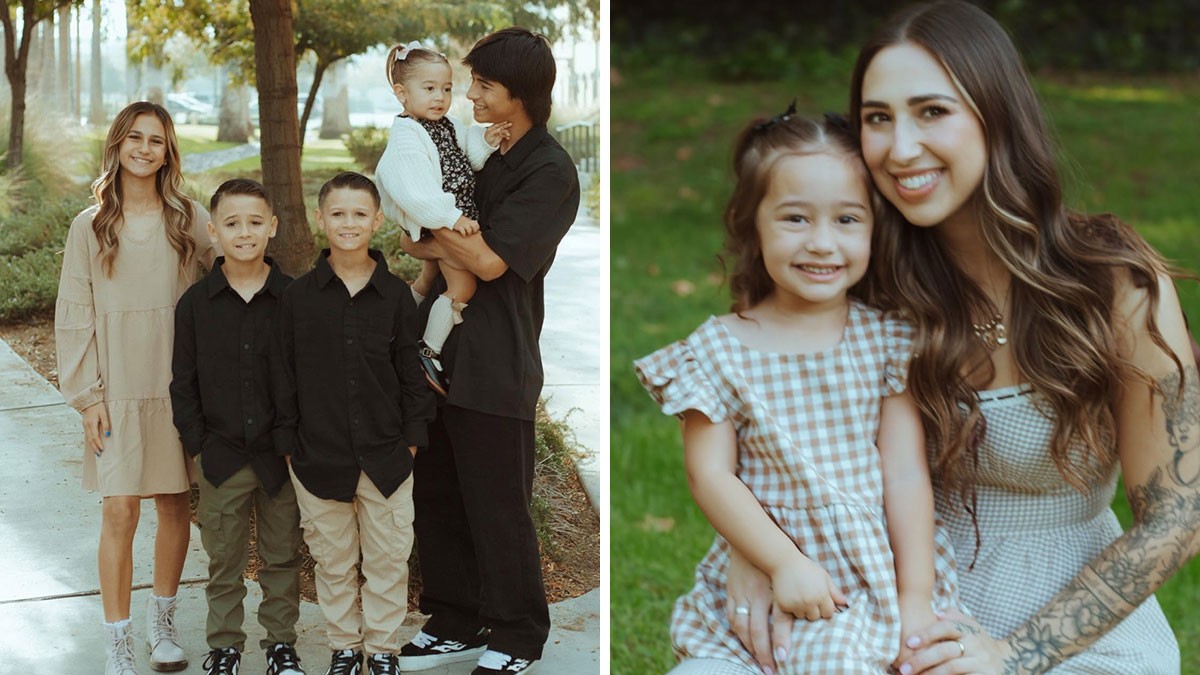
Baylee Laine: The Remarkable Journey of a Young Woman Who Adopted Her Four Siblings
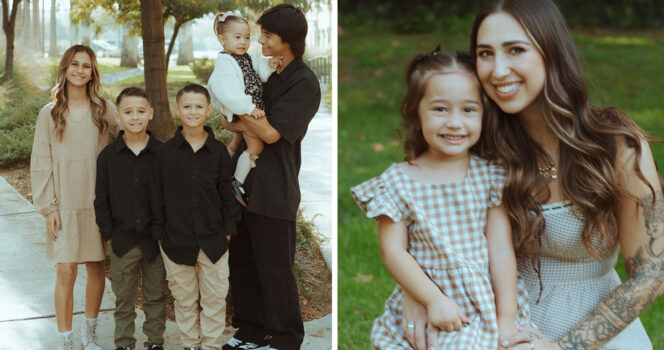
When Baylee Laine was just 18 years old, she faced a life-altering decision: pursue her own future, or step in to care for her four younger siblings, who were caught in a cycle of instability. Ultimately, Baylee chose family over personal ambition—a decision that would change the course of her life and those of her siblings. Today, as a 28-year-old mother and legal guardian to her siblings, Baylee shares her journey of resilience, sacrifice, and hope. Her story provides a candid look into the challenges of sibling adoption, the complexity of modern families, and the transformative power of commitment and love.
Early Life and Family Dynamics: A Childhood Marked by Instability
Baylee Laine’s upbringing was anything but simple. Born to parents who divorced during her early years, Baylee encountered family turbulence from a young age. By the time she was eight, her home life drew the attention of child protective services (CPS), a testament to the challenges her family faced. Following the divorce, Baylee and her brother lived primarily with their father, while her mother went on to have four more children with two different partners. Despite living apart, Baylee frequently spent time at her mother’s home, shouldering a significant role in caring for her half-siblings.
As Baylee’s mother gave birth to twins, the strain became unsustainable. “I can’t keep spending my summers taking care of your kids. I can’t keep doing this,” Baylee recalled in a People interview. At the time, Baylee was a standout athlete—a promising softball player who had earned a college scholarship. Yet, the obligations at home made her question whether she could pursue her own dreams.
The Decision: Family Over Personal Ambition
During her senior year of high school, Baylee grappled with two diverging paths. On one hand, she had an opportunity to attend college on a sports scholarship and carve out an independent future. On the other, she feared for the well-being of her younger siblings, who lacked the stability and support that had become so crucial. “These kids are going to be completely alone,” she reflected. The thought weighed heavily, ultimately motivating her to remain close and assume responsibility for her siblings.
In a pivotal moment, Baylee decided: “I’m going to stay, and if I stay, I’m taking them.” This decision marked the beginning of a years-long battle to keep her family together, one that would demand resilience far beyond her years.
Legal Battles and the Foster Care System: Two Years of Persistence
Baylee’s journey to legal custody was fraught with logistical and emotional challenges. Forgoing her athletic scholarship, she enrolled at a local community college and juggled various jobs. Throughout this period, she relied on support from friends and family, who helped launch a GoFundMe campaign to alleviate some financial burdens.
Navigating the foster care system proved daunting. With the assistance of a legal advisor, Baylee worked tirelessly for two years to be officially approved as a foster parent. Success came when Baylee was 19, and the foster care system placed her siblings in her home on October 25, 2017.
Yet, achieving foster parent status was only one part of her challenge. To permanently adopt her siblings, Baylee had to go through the process of having the biological parents’ rights legally terminated—a complicated and emotionally fraught process. After two more years of advocacy, court hearings, and uncertainty, the adoption was finalized. At just 21, Baylee became not only the primary caregiver but the legal mother to her younger brother and three sisters.
Emotional Toll and Adjustment: “I Became Robotic”
The transition to caring full-time for four children required immense adaptation. Baylee temporarily halted her studies and employment to focus entirely on her family’s new reality. Her siblings, each affected by earlier instability, struggled with feelings of insecurity and anxiety. Baylee described this period as emotionally numbing: “There were no emotions, no feelings. I became robotic. I had a job to do.”
Building a sense of safety and belonging did not happen overnight. Her siblings feared being separated again and found it difficult to trust in lasting stability. Baylee’s consistent care, along with therapeutic resources and the support of loved ones, paved the way for healing. She credits the forced togetherness during the COVID-19 pandemic with accelerating their familial bond: “We truly began to feel safe and settled during that time.”
The Power of Resilience: Emerging from Adversity
In the years since the adoption, Baylee’s life has transformed. Now 28, she is not only the proud mother of her four adopted siblings—who are thriving adolescents aged 12 to 17—but also to her own three-year-old daughter. The traumatic echoes of the past have faded for the family, with Baylee noting that her siblings are “100 percent past all of that.” Through education, community involvement, and mutual support, the family has created a nurturing and supportive environment.
Psychological research underscores how stable caregiving, even from siblings, can promote resilience in children who have faced trauma or neglect. According to child welfare organizations like the U.S. Children’s Bureau, kinship and sibling placements within foster care are often linked to better social, emotional, and educational outcomes. Baylee’s experience exemplifies how family bonds and dedicated care can make a profound difference.
Going Viral: Sharing Her Story to Inspire Others
Recently, Baylee took to TikTok to share her family’s journey, posting a video montage that spanned their difficult beginnings to their current, stable lives. The video resonated with viewers, gaining nearly six million views and prompting an outpouring of support.
“I want our life to be normal. So seeing and hearing from other people that this is their normal… it validates that I don’t need to go find normalcy. We’re normal because there are so many other people who get to live life how we live,” Baylee reflected. She was surprised to learn how many others had experienced similar family dynamics involving sibling care, fostering, or adoption.
Baylee now fields frequent messages from others seeking advice and encouragement about navigating kinship care or adoption. Her core message is both humble and empowering: “If I can do it, anybody can do it. But it’s a lot.” Her transparency invites honest dialogue about the hidden challenges and emotional rewards of stepping up for family.
Expert Perspectives: Sibling Adoption and Child Welfare
Child welfare experts highlight the unique benefits and challenges of sibling adoption. Maintaining sibling relationships is frequently considered crucial to child well-being, especially for those removed from their birth parents. As the U.S. Children’s Bureau notes, siblings who stay together in out-of-home care frequently exhibit better mental health outcomes and greater emotional stability.
The evolution toward kinship and sibling placements within child protection systems reflects a broader recognition that family bonds are essential for children’s recovery and development. According to the American Bar Association, enabling older siblings to assume caregiving roles “can offer a sense of continuity and identity” for younger children, even as such arrangements invariably come with legal and practical complexities.
Baylee’s journey illustrates both the promise and the complexity of sibling adoption. Her story carries a powerful message for policymakers: providing legal resources, counseling, and financial assistance can be decisive in supporting families who undertake such transitions.
Societal Impact and Public Reaction
The widespread attention Baylee garnered on social media reflects growing societal awareness of the challenges faced by families impacted by the foster care system. Her story has prompted discussions about the resilience of non-traditional families and the critical need for systems that support kinship caregivers.
Internationally, experts emphasize that policies prioritizing family unity are most successful when paired with concrete support. The UNICEF guidelines on child welfare echo the necessity of nurturing and stable caregiving relationships for long-term well-being, regardless of a child’s family structure.
Baylee’s experience serves as a testament not only to her individual courage but also to the transformative power of compassion and support at the community and policy levels. Her commitment—laying aside a promising future to provide for her siblings—is inspiring individuals and families worldwide to reconsider what it means to step up in a time of need.
Conclusion: A Beacon of Hope for Families in Transition
Baylee Laine’s story is more than a narrative of personal sacrifice; it is a beacon of hope for families facing instability and disruption. Her journey demonstrates how resilience, dedication, and love can overcome daunting odds—redefining what family means in the process.
For those in similar circumstances, her example underscores the importance of reaching out for help, drawing strength from community, and knowing that ordinary people can make an extraordinary difference. With the support of public resources and informed policy, more families can achieve the security and togetherness that Baylee and her siblings have built—one act of courage at a time.
Sources
Disclaimer: This content is intended for entertainment purposes only and is not based on real events.