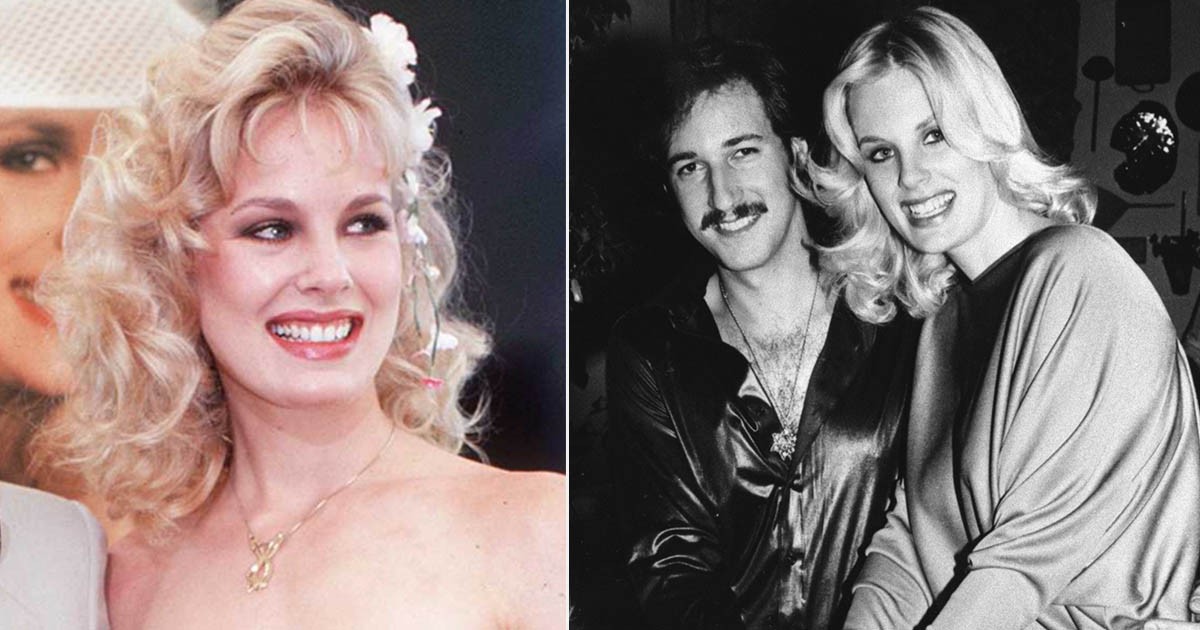
The Life and Tragic Death of Dorothy Stratten
Dorothy Stratten’s meteoric rise in Hollywood, coupled with her untimely and shocking death, continues to reverberate through the entertainment industry and popular culture. Known for her beauty, charisma, and talent, Stratten’s story is not merely one of fame and ambition but also underscores the complexities of personal relationships and the dangers that can accompany rapid success. This article provides an in-depth exploration of her life, achievements, and the circumstances surrounding her death, incorporating perspectives from experts, societal reactions, and continuing legacy.
Early Life and Aspiring Beginnings
Dorothy Ruth Hoogstraten was born in Vancouver, Canada, in 1960. Raised in a modest household, she spent her teenage years balancing school duties and working at a local Dairy Queen. Described by acquaintances as quiet and unassuming, Dorothy did not seem destined for fame. Her early life was rooted in normalcy, with aspirations that matched those of many young Canadian girls of the era.
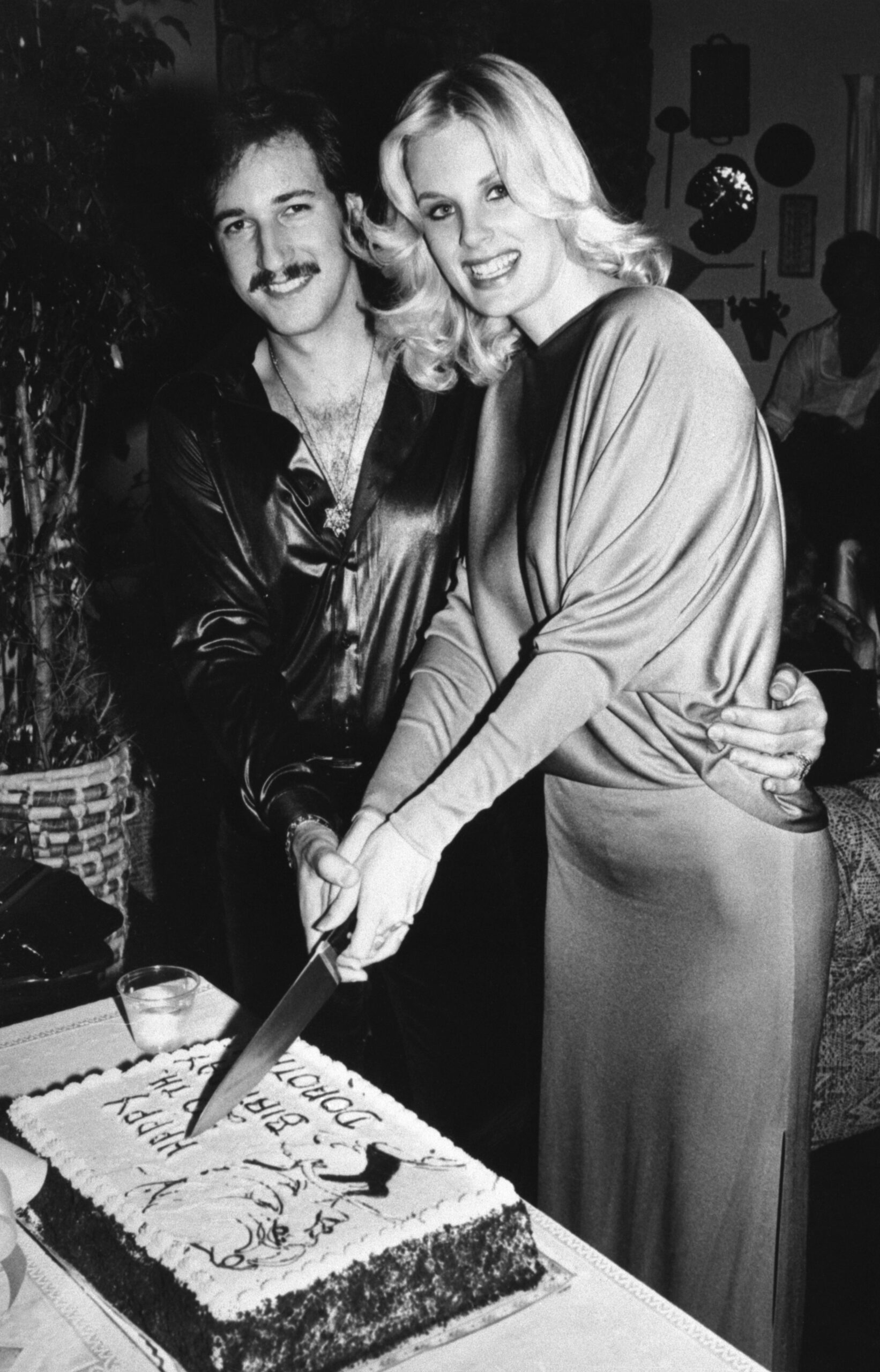
It was during her time at Dairy Queen in 1977 that Dorothy’s life took a dramatic turn. Paul Snider, an older acquaintance, noticed her and saw in her the potential for success in the modeling world. According to various sources, Snider was captivated by Dorothy’s looks and believed she could bring him notoriety and financial gain. He actively encouraged her to pursue modeling, positioning himself as both her manager and mentor.

Dorothy Stratten’s Rise in the Entertainment World
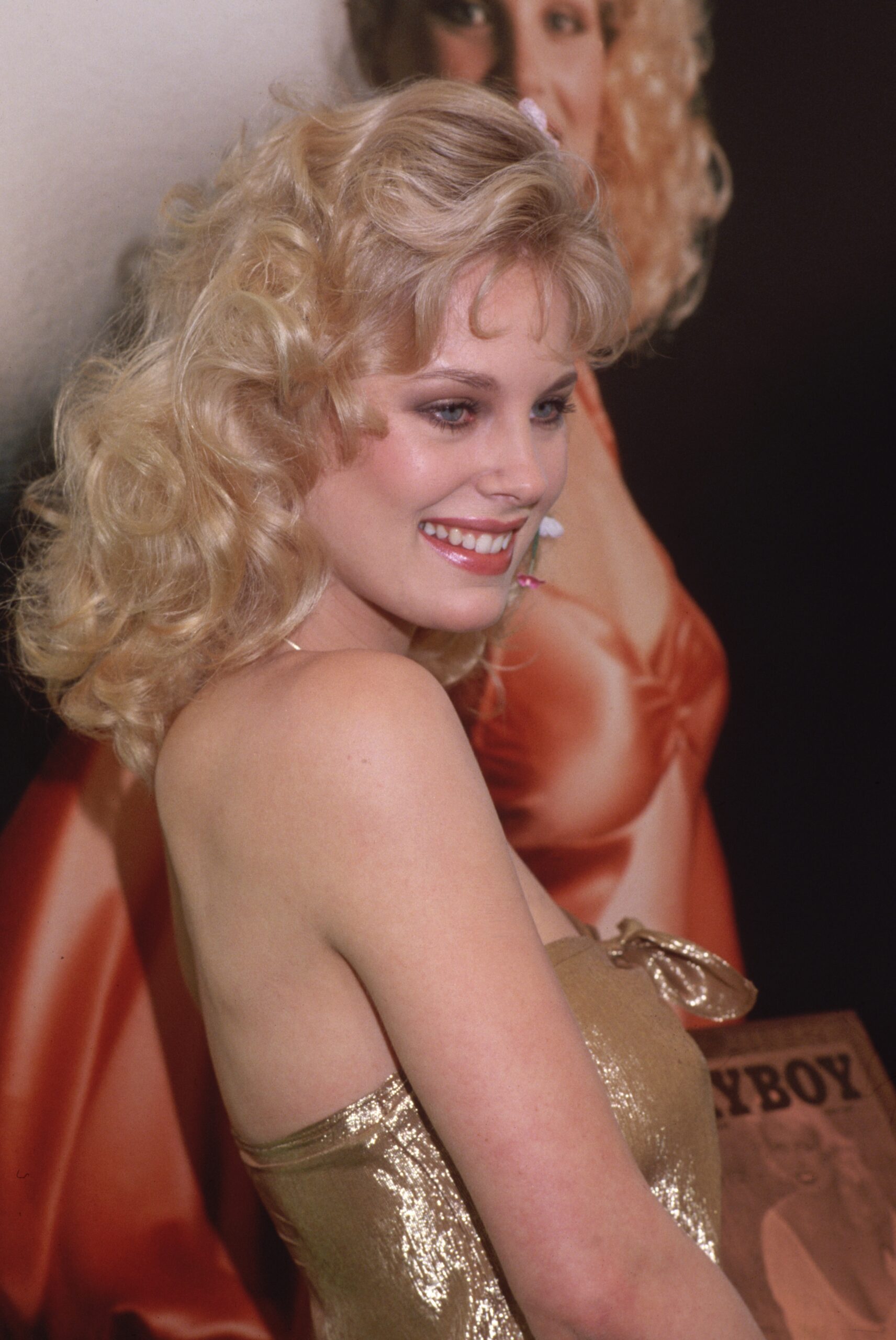
In 1979, Dorothy Stratten achieved significant recognition by becoming Playboy’s Playmate of the Month, followed by obtaining the prestigious title of Playmate of the Year in 1980. The transition from a shy young woman in Vancouver to a notable figure in Hollywood happened rapidly. The allure of show business brought her to California, where she began to pursue acting opportunities and immerse herself in the complexities of Hollywood culture.
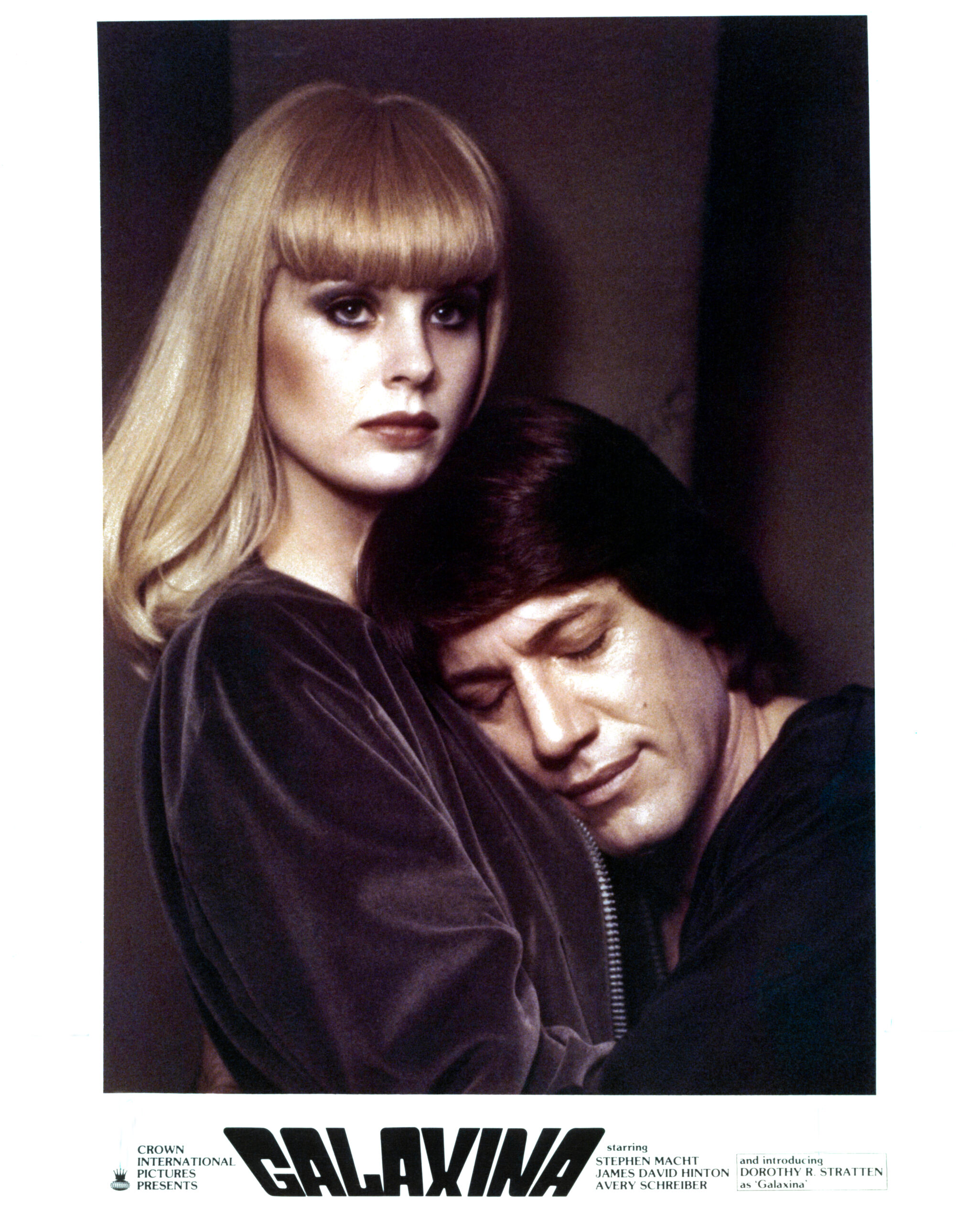
Stratten’s acting career started with a leading role in the science-fiction comedy Galaxina and continued with another prominent appearance in Peter Bogdanovich’s film They All Laughed. Her poise, beauty, and burgeoning talent drew praise from industry insiders. She even shared the screen with legendary actress Audrey Hepburn, garnering admiration and fueling speculation that she could become one of Hollywood’s most influential stars. Agents and producers recognized her potential, with one describing her as “the biggest thing they ever had.”
The circle around Dorothy included influential names such as Playboy founder Hugh Hefner, who warned her about Snider’s controlling tendencies. As Dorothy’s fame increased, professional representation shifted from Snider to more experienced managers, eroding his influence and sowing seeds of jealousy and resentment.
Strained Relationships and Personal Turmoil
The dynamics between Dorothy Stratten and Paul Snider became increasingly fraught as her career advanced. Snider, once her benefactor and manager, found himself losing both emotional and professional control. As Hollywood beckoned Dorothy with new opportunities and influential figures, their marital relationship deteriorated.
At the same time, Dorothy began a romantic relationship with director Peter Bogdanovich. Snider felt excluded and threatened by Dorothy’s growing independence and success. His jealousy and possessiveness intensified, prompting him to hire a private investigator to monitor her activities, as reported by Global News. Dorothy, meanwhile, was contemplating divorce and a new life free from Snider’s influence.
The Fateful Night and Its Aftermath
On August 14, 1980, Dorothy Stratten agreed to meet with Snider at his Los Angeles residence, intending to discuss their impending divorce. Concerned for her safety, both Peter Bogdanovich and Hugh Hefner implored her to avoid the meeting, recognizing the volatile nature of her relationship with Snider. Nevertheless, Dorothy kept the meeting secret, hoping for a peaceful resolution.
Unknown to Dorothy, Snider had acquired a 12-gauge shotgun from a private seller the day before, intensifying concerns about his intentions. The meeting did not bring closure or reconciliation but instead culminated in violence that shocked the Hollywood community and drew widespread attention.
The Murder of Dorothy Stratten
Later that evening, two roommates of Snider entered the home and were met with a sight described as horrific and unforgettable. Both Dorothy Stratten and Paul Snider were deceased, their bodies found in a tragic scenario often compared to the plot of a horror film. According to subsequent investigations and media reports, Snider had sexually assaulted Dorothy before shooting her, then took his own life with the same weapon.
Patti Laurman, another individual discovered by Snider and living at his house, was among the first to witness the aftermath. Her recollection, shared with ABC News, remains vivid and traumatic: “It looked like it was a horror movie — a staged horror movie. That’s a picture that never goes away. A mental picture that’s stuck in here forever.”
Dorothy Stratten’s life was cut short at the age of 20, a moment which stunned Hollywood and prompted questions regarding fame, power, and personal safety. Her passing marked the end of a promising career and invited reflection on the risks that accompany rapid ascension in the entertainment industry.
Industry Impact and Societal Reaction
The death of Dorothy Stratten created ripples far beyond her immediate circle. Hollywood, a realm often associated with glitz and glamour, was reminded of the darker aspects of fame. Media coverage dissected the circumstances surrounding Stratten’s death, discussing issues like relationship abuse, manipulation, and the pressures faced by young women navigating fame.
Experts on domestic violence and psychology shared insights into the challenges faced by individuals in controlling relationships, especially under heightened pressures such as those encountered in Hollywood. According to research highlighted by the Centers for Disease Control and Prevention (CDC), intimate partner violence is a pervasive issue, intensified by factors such as jealousy, loss of control, and power dynamics—all prevalent in Dorothy’s case.
Across North America and other parts of the world, Dorothy Stratten’s story catalyzed discussions about the importance of mental health support in the entertainment industry, the need for effective boundaries in professional and personal relationships, and the ways society can safeguard vulnerable individuals.
Hollywood responded with tributes and memorials, and her death inspired a series of books, films, and documentaries dedicated to her memory. Among these, Peter Bogdanovich’s The Killing of the Unicorn offered a personal account of Dorothy’s life and relationship with Snider, attempting to contextualize the tragedy while emphasizing her individuality, hopes, and dreams.
Dorothy Stratten’s Enduring Legacy
The passage of years has only deepened the cultural impact of Dorothy Stratten’s life and death. Her story is often referenced in discussions about fame, youth, and the hazards of rapid success. For many, Stratten represents not just a cautionary tale but a figure of enduring promise and talent whose life was interrupted far too soon.
She is remembered as more than a beautiful young woman; Dorothy Stratten was intelligent, talented, and ambitious. Her legacy lives on in the hearts of those who knew her and in the continued conversations about safeguarding people who find themselves in environments that can breed jealousy, manipulation, and violence.
Documentaries exploring her life and tragic end have helped educate audiences on the signs of controlling behavior and the support mechanisms available to those at risk. Her narrative remains relevant not only as a case study in Hollywood history but also as a poignant example in mental health, gender dynamics, and vulnerability. The lessons of Dorothy Stratten’s life urge ongoing vigilance, sensitivity, and advocacy in both entertainment and society at large.
Conclusion
Dorothy Stratten’s life was filled with promise and potential, yet it unraveled in a way that remains a somber chapter in Hollywood’s history. Her ability to transcend her humble origins and achieve public acclaim speaks to her determination and innate talent. Her tragic death, by contrast, continues to teach society about the dangers of unchecked jealousy and the importance of support for those facing personal turmoil.
May Dorothy Stratten’s memory endure as both a symbol of possibility and a stark reminder of the complexities surrounding fame, relationships, and personal safety.
Sources
Disclaimer: This content is intended for entertainment purposes only and is not based on real events.