
In recent years, nutrition experts have increasingly highlighted walnuts as a powerhouse among edible nuts. With mounting scientific evidence supporting their nutrient-dense profile, walnuts have become a common recommendation in balanced diets around the world. Doctors and health authorities alike frequently discuss both the significant benefits and necessary precautions associated with their consumption. This comprehensive overview examines the various ways walnuts affect human health, exploring how they can be incorporated wisely while recognizing potential risks for certain individuals.
Nutritional Composition: What Makes Walnuts Unique?
Walnuts are distinguished by their impressive nutritional density. A standard one-ounce (28-gram) serving of walnuts contains approximately 180–200 calories. Within this small handful, consumers receive an array of vital nutrients essential for human health:
- Alpha-linolenic acid (ALA): Walnuts are one of the richest plant sources of this omega-3 fatty acid, crucial for heart and brain health.
- Polyunsaturated and monounsaturated fats: These healthy fats help to improve blood lipid profiles.
- Protein and dietary fiber: Both contribute to satiety and metabolic health.
- Vitamin E, magnesium, manganese, and copper: Important for immune and neurological function.
- Antioxidants (notably polyphenols): Key in combating oxidative stress and inflammation.
- Melatonin and tryptophan: Aiding sleep regulation and mood balance.
It’s this unique blend of healthy fats, proteins, micronutrients, and bioactive compounds that underlies the remarkable health impacts attributed to walnuts.
Heart Health: A Leading Benefit of Walnut Consumption
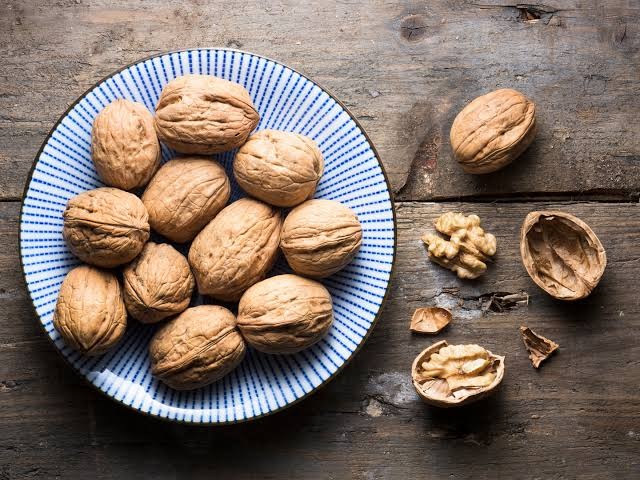
Cardiologists and dietitians consistently praise walnuts for their heart-protective properties. The presence of ALA, along with polyunsaturated and monounsaturated fats, directly influences cardiovascular health by:
- Lowering LDL (“bad”) cholesterol levels, reducing the risk of artery blockages.
- Supporting vascular function and elasticity of blood vessels.
- Reducing systemic inflammation, a key factor in the progression of heart disease.
Clinical research extensively supports these benefits. Studies published in reputable medical journals have shown that regular walnut consumption contributes to healthier cholesterol profiles and may help mitigate the risk of heart disease when included as part of a diet low in saturated fats.
The American Heart Association recognizes nuts, including walnuts, as a heart-healthy food, provided portion sizes are managed to avoid excessive calorie intake.
Brain Function and Cognitive Support
The role of walnuts in supporting brain health is another area attracting significant scientific and public interest. Walnuts’ combination of omega-3 fatty acids, antioxidants, and essential micronutrients is believed to promote:
- Improved cognitive function, including memory and learning.
- Slower age-related cognitive decline.
- Possible reductions in neuroinflammation and oxidative brain damage.
Regular walnut intake has been linked through observational studies to enhanced cognitive performance in adults and older populations. Animal studies and limited human trials suggest that antioxidants and polyphenols in walnuts may provide protective effects against neurodegenerative processes, although more research is needed in this area for definitive conclusions.
Experts from the Alzheimer’s Association and other research organizations highlight the promising evidence but emphasize that walnuts should be integrated into an overall lifestyle that supports brain health, which includes regular physical activity and mental engagement.
Metabolic Health: Weight Management and Blood Sugar Control

Despite their high calorie count, walnuts can play a supportive role in weight management and metabolic health, when consumed in moderation. This paradoxical effect is largely attributed to their satiety-inducing protein, heart-healthy fats, and dietary fiber, which collectively help:
- Promote fullness and reduce overall calorie intake at meals.
- Stabilize blood sugar levels, aiding glycemic control.
- Support a healthy metabolic rate and muscle maintenance.
Multiple studies have demonstrated that adding moderate portions of walnuts to a balanced diet may enhance satiety and improve compliance with calorie-restricted eating plans. The Centers for Disease Control and Prevention (CDC) note that choosing nutrient-dense snacks such as walnuts is a practical strategy for managing weight without sacrificing nutritional quality.
Supporting Sleep Quality and Mood

Beyond cardiovascular and metabolic support, walnuts are notable for their contributions to sleep and mood regulation. They are a natural source of melatonin, which helps to regulate the circadian rhythm, and tryptophan, an amino acid precursor to serotonin production. Magnesium in walnuts is known to calm the nervous system, potentially reducing mild anxiety or aiding in sleep onset.
Health experts caution, however, that these benefits are best realized through small, regular servings rather than large quantities, as portions exceeding nutritional recommendations could negate benefits by increasing overall caloric intake.
Antioxidant Power: Reducing Inflammation and Oxidative Stress
Walnuts contain a high concentration of antioxidants, particularly polyphenolic compounds such as ellagitannins. These compounds play a vital role in fighting oxidative stress, which is associated with the cellular aging process and the onset of chronic diseases.
By reducing inflammatory markers and neutralizing free radicals, walnuts may contribute to overall longevity and lower susceptibility to chronic illnesses, including certain types of cancer and type 2 diabetes. However, it is crucial to recognize that walnuts should be viewed as a complement to, rather than a substitute for, a diverse diet rich in fruits, vegetables, whole grains, and lean proteins.
Precautions and Risks: Balancing Benefits with Sensible Consumption
Despite the substantial health benefits, there are notable precautions associated with walnut consumption:
- Caloric Density: Approximately 180–200 calories per ounce can add up quickly. Overeating walnuts may lead to unintended weight gain if not integrated carefully into the daily energy intake.
- Allergy Risk: Tree nut allergy is a common and potentially severe medical condition. Individuals with walnut allergies must avoid even trace exposures due to the potential for life-threatening anaphylaxis.
- Digestive Concerns: Eating large quantities of walnuts can cause gastrointestinal discomfort, including bloating or diarrhea, especially in those with underlying digestive sensitivities.
Doctors recommend starting with small quantities—often a handful (about 28 grams) daily—while monitoring for any adverse effects in those new to nut consumption. It is also important for individuals on prescribed medications or with existing health conditions to consult healthcare professionals before making significant dietary changes.
Integrating Walnuts into a Balanced Diet
For most people without allergies, walnuts can be a valuable addition to varied and balanced diets. Practical ways to incorporate walnuts include:
- Sprinkling chopped walnuts over salads, oatmeal, or yogurt.
- Including them in homemade trail mixes with dried fruit for nutritious snacks.
- Blending walnuts into smoothies or pesto sauces for a creamy texture and added nutrients.
- Using walnut flour in baking for a nutrient boost.
Health agencies emphasize the importance of replacing high-saturated fat snacks—such as potato chips or processed sweets—with walnuts to amplify nutritional benefits without escalating overall fat and calorie content.
Expert Consensus and Societal Perspectives
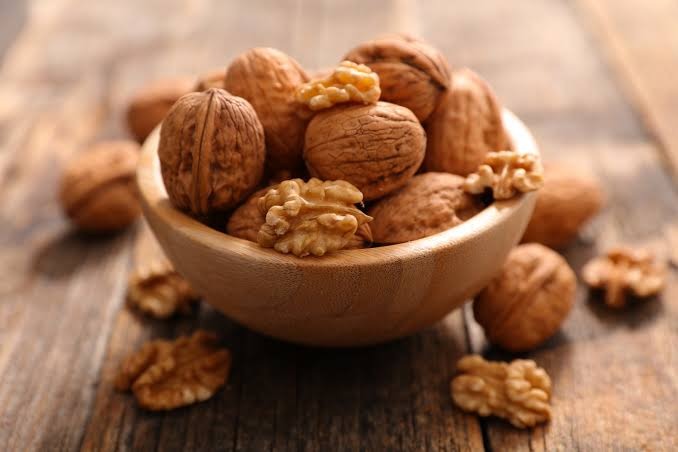
Leading nutritionists and major health organizations converge on the conclusion that walnuts, when eaten in moderation, deliver significant health rewards. The World Health Organization (WHO) includes nuts as a recommended food group in global dietary guidelines.
International responses to increased walnut consumption have been largely positive, with food safety agencies recommending clear labeling to assist individuals with nut allergies. Public health campaigns in various countries now routinely spotlight nuts such as walnuts for their role in promoting dietary diversity and population health.
Conclusion: The Role of Walnuts in Healthy Living
Walnuts occupy a unique place in modern nutrition science due to their multifaceted health contributions. When eaten in controlled portions and with consideration for individual sensitivities, walnuts offer benefits ranging from heart and brain support to enhanced metabolic health and improved sleep quality. As part of a colorful, nutrient-rich diet, walnuts can support overall well-being and longevity.
The best outcomes occur when walnut consumption is integrated thoughtfully, replacing less healthy options and complementing, rather than crowding out, other high-value foods. As with all nutrition advice, it’s imperative to individualize dietary choices in consultation with healthcare providers, particularly for those with allergies or chronic health conditions. Harnessing the power of walnuts can thus be a simple yet potent step toward lasting health and vitality.
Sources
- Centers for Disease Control and Prevention (CDC)
- American Heart Association
- Alzheimer’s Association
- World Health Organization (WHO)
- Mayo Clinic
- BBC
- The Guardian
Disclaimer: This content is intended for entertainment purposes only and is not based on real events.