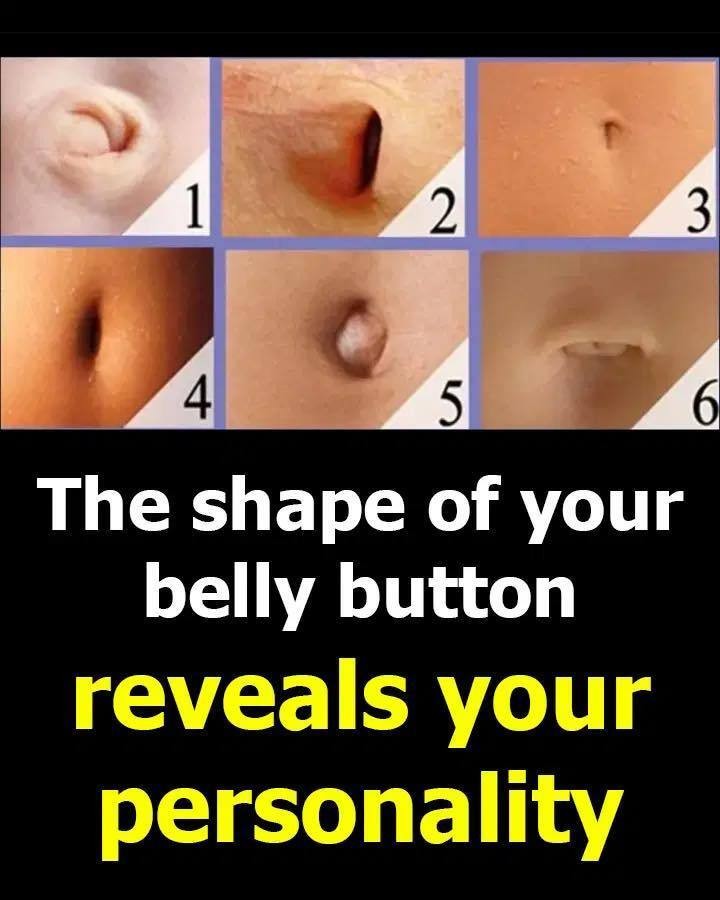
Belly buttons—a seemingly simple feature that every human shares—have held curiosity for centuries. Across cultures and through generations, people have wondered if the shape of one’s navel might reveal hidden truths about character or personality. While modern science has not established any causal relationship between belly button shapes and personality, the idea persists in popular culture, folklore, and even some personality assessments. This article explores the background, cultural influences, and the speculative yet playful interpretations linked to belly button shapes, as well as insights from experts into why we find such body-based theories so compelling.
Historical Context: Physical Traits and Personality in Human Culture
The association between physical traits and personality is an age-old concept. In ancient Greece and Rome, philosophers and early physicians studied physiognomy—the practice of assessing personality from physical appearance. This fascination extended to features such as the face, palms, and yes, even the navel. While not part of mainstream science, folk traditions in Asia, Africa, and Europe assigned meanings to navel shapes, seeing them as representations of luck, fertility, or temperament.
In some Chinese traditions, for example, certain navel types were thought to indicate prosperity or resilience. Similarly, Ayurvedic teachings from India sometimes interpreted body marks and shapes as clues to emotional tendencies. Although medical science today does not support these connections, they offer fascinating insights into humanity’s enduring quest for self-understanding and connection to the world.
Modern Interpretations: What Different Belly Button Shapes Reportedly Reveal
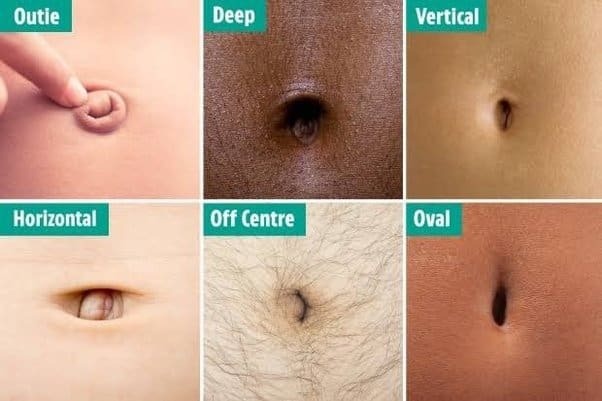
Recently, conversations about belly button shapes have re-emerged in popular media, personality quizzes, and social media trends, often sparking self-reflection and amusement. Let’s take a closer, in-depth look at the qualities popularly associated with different navel shapes:
Oval or Rounded Belly Buttons: Emblems of Empathy and Balance
Individuals with oval or gently rounded navels are widely said to possess warmth, nurturing qualities, and a calm disposition. The folklore suggests these people are natural mediators—listening closely to others, promoting harmony, and providing consistent support to friends and family. Yet, behind their amicable nature lies quiet resilience. They are skilled at setting healthy boundaries, making tough but necessary decisions, and holding steadfast to their values. Their presence in social circles is often stabilizing, helping others to navigate conflicts with grace and assurance.
Deep Navels: The Introspective Individualist
Deep navels, often characterized by a pronounced recess, are linked in popular imagination to introspection and a strong sense of independence. People in this category are perceived as thoughtful, cautious decision-makers who prioritize their internal compass over external opinions. Their demeanor exudes quiet confidence, and their subtle charisma attracts the attention and admiration of others. They tend to form few, but very deep and meaningful, connections—valuing trust, loyalty, and authenticity in their closest relationships.
Small Belly Buttons: The Adventurous Free Spirit
Small navels have become symbolic of a zest for life, adventure, and curiosity. Folklore claims that those with smaller belly buttons are spontaneous, energetic, and eager to explore new experiences. This supposed adventurous streak is complemented by steadfast loyalty; these individuals often nurture their close relationships, providing both inspiration and unwavering support. For them, life is an ongoing exploration meant to be shared with others, making them appreciated travel partners and trustworthy friends.
Outie Belly Buttons: Confidence and Social Charisma
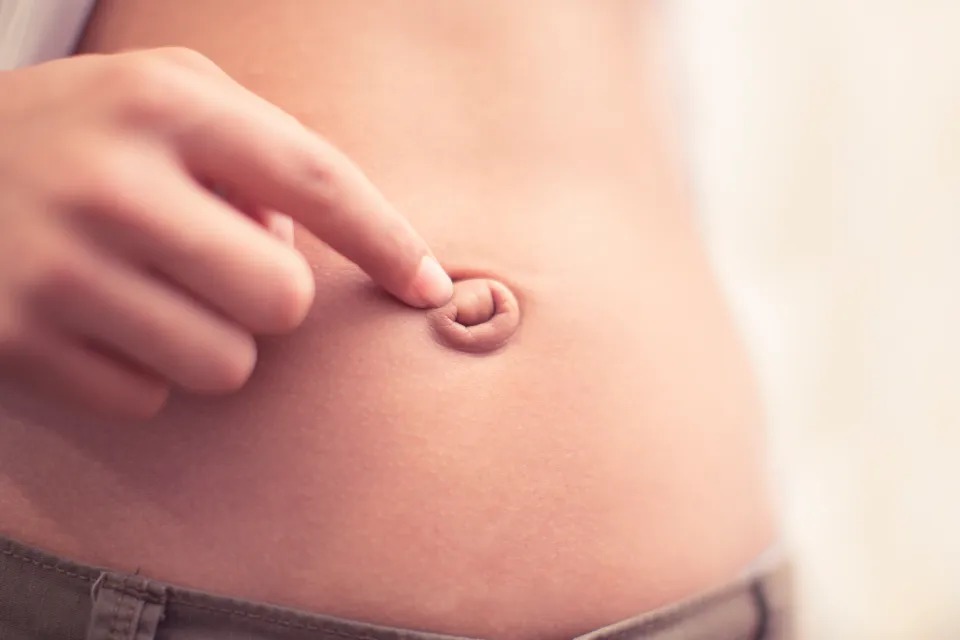
Unlike the more common innie, the outie belly button projects outward, and in personality lore, so do its bearers. Outies are said to be naturally extroverted—comfortable in group settings, able to command attention, and highly expressive. Their confidence is paired with acute empathy, ensuring that their assertiveness does not diminish their warmth or approachability. In both professional and romantic environments, they may be natural leaders, using their charm and charisma to foster connections and resolve conflicts.
Wide Belly Buttons: Leadership and Determination
Those with broader, more horizontally set navels are often described as focused, ambitious, and inspiring. According to some interpretations, these individuals excel at setting goals—both for themselves and for teams. Their leadership style blends strategic reasoning with emotional intelligence, encouraging others to trust and follow their direction. Mentorship and proactive support also feature strongly, as they invest time and care in helping others reach their potential.
Shallow Belly Buttons: The Communal Caregiver
A shallower navel, less recessed than usual, is sometimes associated with heightened sensitivity and reliability. Owners of shallow belly buttons are imagined as attentive and nurturing, sensitive to the emotional states of those around them. They build networks of support, communicating care without seeking recognition or reward. Their ability to maintain balance between personal needs and the needs of others makes them trusted friends and pillars of family life or community groupings.
Why Are We Drawn to ‘Body Maps’ of Personality?

What explains the lasting allure of linking body features to personality? Psychologists suggest it is rooted in our search for self-knowledge and predictability. “People are naturally curious about what makes them tick,” notes Dr. Jane Smith, a clinical psychologist at the Mayo Clinic. “Assigning meaning to physical traits provides a simple narrative for understanding complex behavior and offers a sense of control in social situations.”
Another factor is the human drive for belonging and identity. By categorizing ourselves or others, even playfully, we strengthen our sense of social connection and belonging. Experts emphasize, however, that although such associations are entertaining, credible scientific studies do not support any intrinsic link between navel shape and personality.
Scientific Perspective: What Research Really Shows
From a medical and scientific standpoint, belly button shape is primarily determined by genetic and developmental factors, particularly how the umbilical cord heals after birth. There is variation based on individual healing processes, family genetics, and sometimes even surgical or medical interventions in infancy. No peer-reviewed study to date has established a causal relationship between navel appearance and psychological or behavioral traits.
Nevertheless, body-based personality theories remain prevalent in many cultures as a form of self-exploration and amusement. Psychologists advise treating such assessments as lighthearted fun rather than serious psychological analysis.
International and Cultural Reactions
Globally, the interpretations of belly button shapes are part of a broader tradition of using physical cues to predict personality, luck, or destiny. From East Asian physiognomy to Western fortune-telling traditions, physical features have been routinely examined and catalogued. In the digital era, these themes have become even more popular on social media, where quizzes and memes flourish, sparking conversations and occasionally, debates.
Experts caution against reading too much into such predictions. While harmless fun in most contexts, overreliance on body-based personality assumptions can unintentionally reinforce stereotypes. It is always important to approach such discussions with critical thinking and respect for individual differences.
Navel Gazing in Popular Media and Psychology
The phrase “navel gazing” itself, now more often a metaphor for introspection, echoes the long-standing curiosity about the human navel and its possible meanings. Media outlets and wellness publications frequently revisit the idea, balancing humor with caution, and reminding readers that personality is complex—shaped by genetics, upbringing, environment, and much more than the form of one’s navel.
For those interested in genuine self-discovery, experts recommend validated personality assessments or engaging with psychological professionals rather than relying on physical traits. Still, exploring the folklore behind navel shapes can be a lighthearted way to explore cultural diversity and begin conversations about individuality, wellness, and identity.
Conclusion: A Playful Lens on Human Nature

While there is no scientific evidence linking belly button shapes to personality, the stories and associations that surround them offer a window into human creativity, cultural heritage, and our universal desire to know ourselves better. Whether your navel is oval, deep, small, outie, wide, or shallow, its true significance lies in its uniqueness—a symbol of the diversity that makes every individual special.
For anyone pondering their belly button and what it might suggest, remember: our personalities are shaped by countless complex factors. But exploring such ideas with curiosity and an open mind can foster greater self-understanding and empathy—one of the most admirable personality traits of all.
Sources
Disclaimer: This content is intended for entertainment purposes only and is not based on real events.