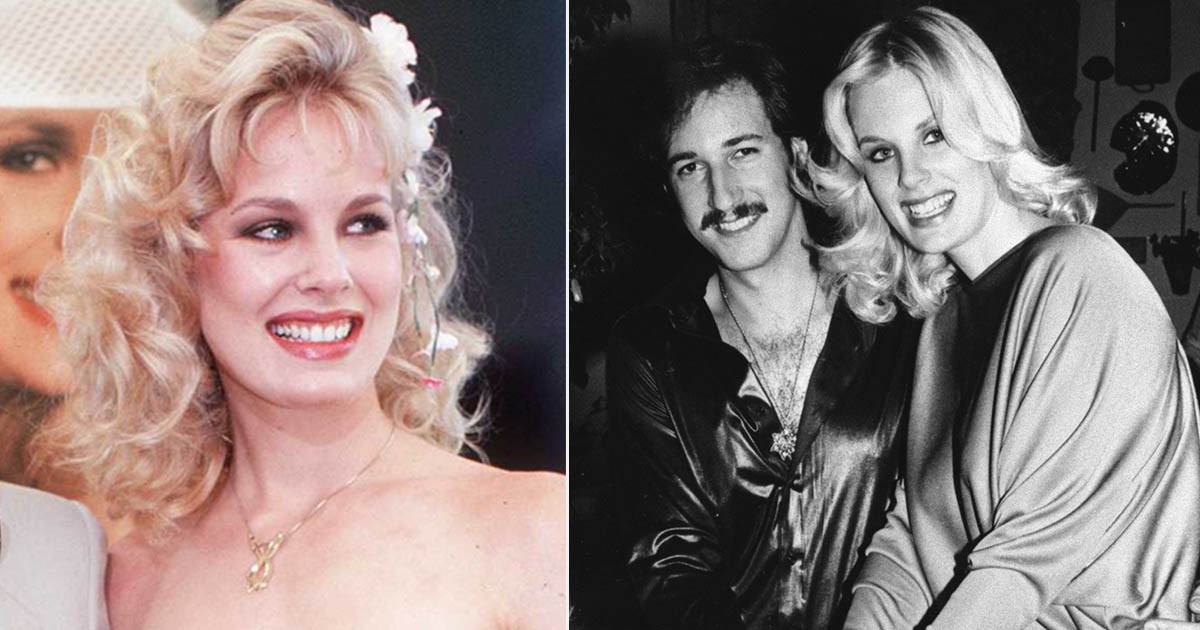
The Life and Tragic Death of Dorothy Stratten
Dorothy Stratten’s story is both inspiring and deeply heartbreaking. Though she achieved rapid fame in Hollywood and was celebrated as a rising star, her life was violently cut short at just 20 years old. The events surrounding her death not only shocked the entertainment world but also ignited conversations about fame, power, and personal safety. This article explores the background, career, and lasting legacy of Dorothy Stratten, providing context through credible sources and expert commentary.
Early Life: Humble Beginnings in Vancouver
Dorothy Ruth Hoogstraten, later known as Dorothy Stratten, was born in Vancouver, British Columbia, in 1960. Growing up, Dorothy was described by friends and family as a shy, thoughtful, and quiet young woman. She attended local schools and, like many teens, held a part-time job to support herself. While working at a Dairy Queen in Vancouver, her life would soon take a dramatic and unexpected turn.
Contrary to what one might expect from a future Hollywood star, Dorothy did not express early aspirations for fame or show business. She was more reserved and focused on her studies and work. This down-to-earth foundation would later endear her to colleagues and friends in the entertainment industry who noted her humility despite her growing celebrity.
The Meeting That Changed Everything
In 1977, while working the Dairy Queen counter, Dorothy met Paul Snider. Snider, some years her senior, immediately took notice of Dorothy’s beauty and potential. This meeting would alter the trajectory of Dorothy’s life permanently.
Snider, known locally for his attempts at quick entrepreneurial ventures, was struck by Dorothy’s looks and soon began encouraging her toward a modeling career. According to later reports, Snider stated to a friend, “That girl could make me a lot of money,” foreshadowing his ambitions for Dorothy’s future.

Soon after their meeting, Snider became deeply involved in Dorothy’s personal and professional life, shaping the beginnings of her career and quickly becoming both manager and romantic partner.
A Fast Track to Fame: From Playboy to Hollywood
With Snider’s urging and assistance, Dorothy submitted photographs to Playboy magazine in 1978. Within a year, her natural beauty and poise captured the attention of editors, and she was named Playmate of the Month for August 1979. Her popularity soared, and in 1980 she received the title of Playmate of the Year—a significant achievement, given her modest origins and shy demeanor.
This newfound fame opened doors in the entertainment industry. Dorothy moved to Los Angeles, where she quickly made inroads in film and television. She landed her first leading role in the science fiction comedy Galaxina (1980), and later appeared in Peter Bogdanovich’s movie They All Laughed alongside major stars, including Hollywood legend Audrey Hepburn. Her performance and photogenic presence sparked predictions from Hollywood agents that she could become “the biggest thing they ever had.”
Colleagues and friends described Dorothy as professional and hardworking. Many noted that despite her rapid rise, she remained approachable and humble. Unfortunately, as her success grew, so did tensions behind the scenes.
The Complex Relationship with Paul Snider
Dorothy Stratten’s swift ascent in the industry created new opportunities—and new pressures. Although Snider had been instrumental in launching her career, insiders and associates increasingly expressed concerns about his role. Within Playboy’s inner circle, including publisher Hugh Hefner, Snider was regarded with suspicion. Hefner reportedly described him as having a “pimp-like quality” and warned Dorothy and others of his controlling behavior.
As Dorothy became more successful, professionally managed by experienced industry figures, Snider felt sidelined. The loss of influence, both over Dorothy’s career and their marriage, proved difficult for him to accept. The dynamic between them shifted noticeably as Dorothy became more independent and less reliant on Snider for guidance.
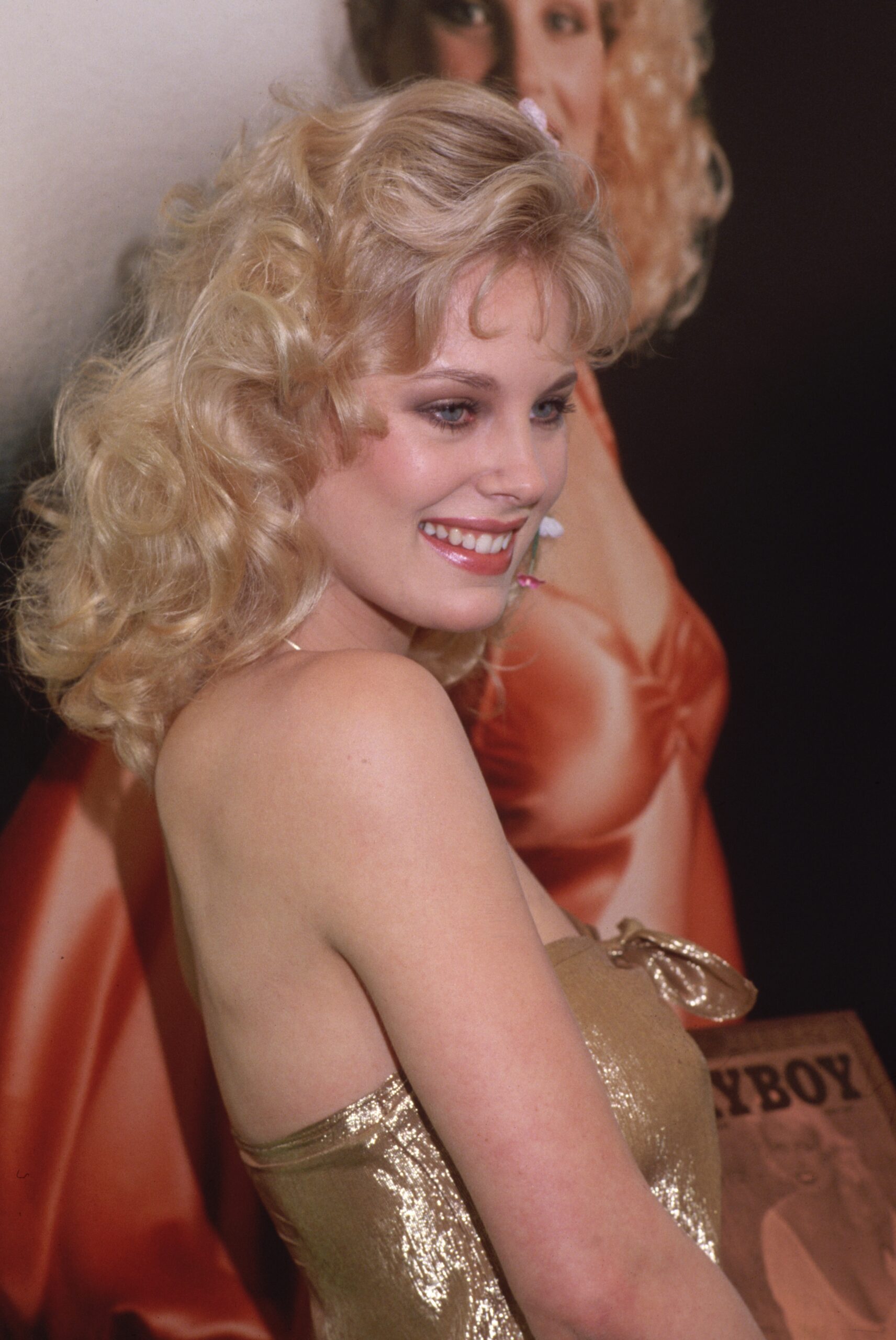
Strains in their marriage became harder to ignore. Dorothy began a relationship with director Peter Bogdanovich, a development that further contributed to Snider’s feelings of jealousy and isolation. According to reports by Global News and ABC News, Snider’s obsession with Dorothy’s career and personal life only intensified.
Rising Tensions and Warning Signs
Throughout 1979 and early 1980, Dorothy’s career continued to flourish, but the costs of her association with Snider became more apparent to those around her. Industry figures, including Hugh Hefner and Peter Bogdanovich, expressed explicit concerns about her safety amid Snider’s increasingly erratic behavior.
Concerned for her wellbeing, friends and associates encouraged Dorothy to distance herself from Snider. Complicating matters, Snider had hired a private investigator to monitor Dorothy’s movements, indicating a growing level of surveillance and mistrust. Despite these troubling signs and the urging of those close to her, Dorothy maintained contact—perhaps in hopes of finalizing a peaceful resolution to their marriage.
The Tragic Night: Dorothy Stratten’s Untimely Death
On August 14, 1980, as she prepared to meet Snider at his Los Angeles home to discuss the terms of their pending divorce, Dorothy kept her plans discreet, likely out of concern for escalation. Unbeknownst to her, Snider had purchased a 12-gauge shotgun from a private seller a day before the meeting.
Those who knew Dorothy, including Bogdanovich and Hefner, later expressed that they had repeatedly warned her of the dangers posed by her estranged husband. Still, Dorothy hoped to proceed amicably and put her tumultuous relationship behind her.
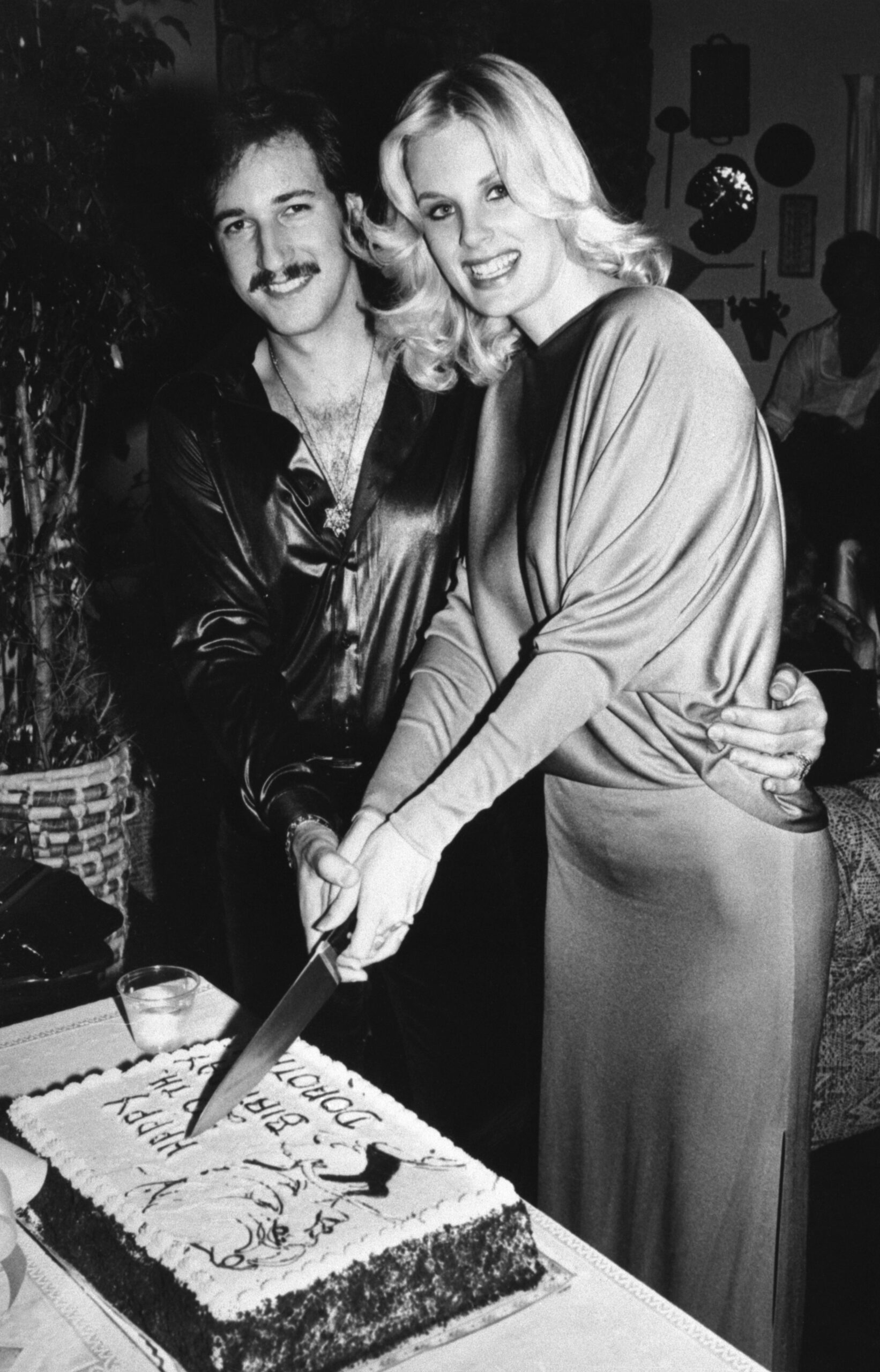
That night, Dorothy Stratten was murdered at the age of 20. Snider, after assaulting and killing her, took his own life. Their bodies were discovered by Snider’s roommates, who were immediately confronted with the devastating aftermath.
The Aftermath: Impact on Hollywood and Beyond
The news of Dorothy Stratten’s death reverberated throughout Hollywood and beyond. The details of her murder, as reported by mainstream outlets such as ABC News, shocked the public and prompted widespread introspection about the darker sides of fame and personal control in relationships.
Patti Laurman, a model living at Snider’s house and one of the first to discover the scene, described the experience as akin to a “staged horror movie.” The tragic circumstances of Dorothy’s death left psychological scars on those present and called wider attention to the need for support and protection for individuals in similar situations.
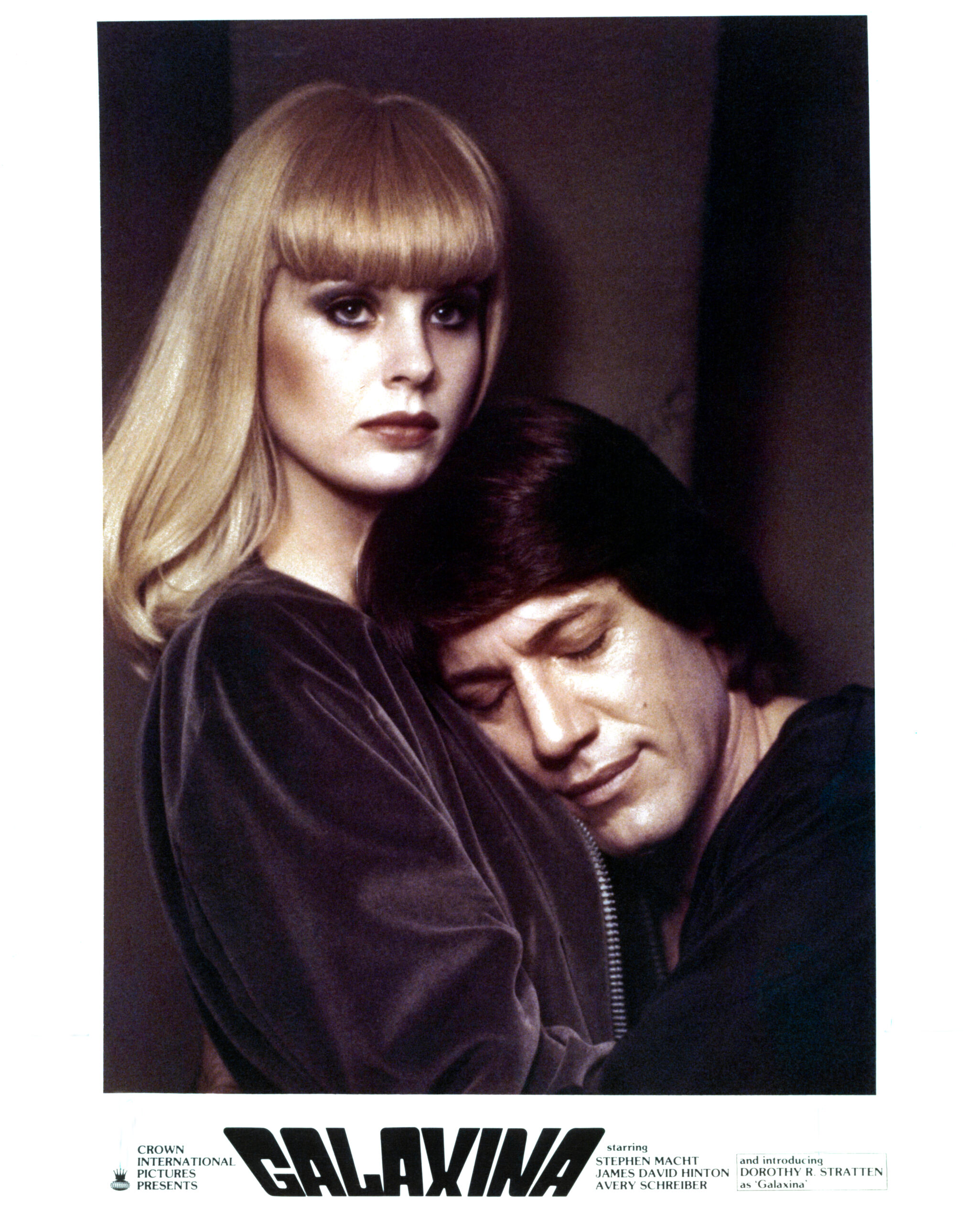
At just 20 years old, Dorothy Stratten’s life and burgeoning career were cut short. Her killing also shined a light on the challenges faced by women pursuing success in male-dominated industries, where issues of control and power dynamics can have devastating consequences.
Legacy: Remembering Dorothy Stratten
In the aftermath of her death, Dorothy’s story became the subject of numerous books, films, and documentaries. Notable works include the film Star 80 and Bogdanovich’s memoir, both of which sought to chronicle her life and cautionary tale.
Yet, as friends and former colleagues have emphasized, Dorothy Stratten was more than her fame or the tragic end she met. Those close to her describe a woman of ambition, humility, and kindness—a promising talent whose star was rising rapidly. Her legacy reminds us of the power of perseverance and the vulnerabilities that can accompany public life.
Her death also contributed to increased awareness and dialogue about domestic violence, exploitation, and how the pursuit of stardom can sometimes attract individuals intent on controlling or capitalizing on others.
Reflection and Societal Response
The coverage of Dorothy Stratten’s case remains a touchstone in conversations about fame, safety, and the intersection of personal ambition and dangerous relationships. Advocacy groups and mental health professionals have cited her story in campaigns to raise awareness about relationship violence and stalking, pushing for systemic changes to better protect victims.
Internationally, Dorothy’s death received coverage in outlets around the world, serving as a somber lesson about the vulnerabilities that can accompany fame. Hollywood, in particular, faced scrutiny about its culture and the pressure placed on young talents, especially women, navigating complex personal and professional relationships.
Conclusion: A Life of Promise Cut Short
Dorothy Stratten’s journey from a quiet teenager in Vancouver to a promising star in Hollywood is a story of remarkable transformation, ambition, and immense talent. However, her tragic death at the hands of someone who could not let go underscores the importance of awareness, intervention, and support for those in perilous situations.
Decades after her passing, Dorothy remains a symbol—both of lost potential and as a reminder of the need for vigilance and compassion in protecting the vulnerable. Her legacy continues to influence conversations about fame, personal safety, and respect within the entertainment industry and beyond.
May Dorothy Stratten be remembered not only for her beauty and promise but also for the lessons her story has imparted to future generations.
Sources
Disclaimer: This content is intended for entertainment purposes only and is not based on real events.