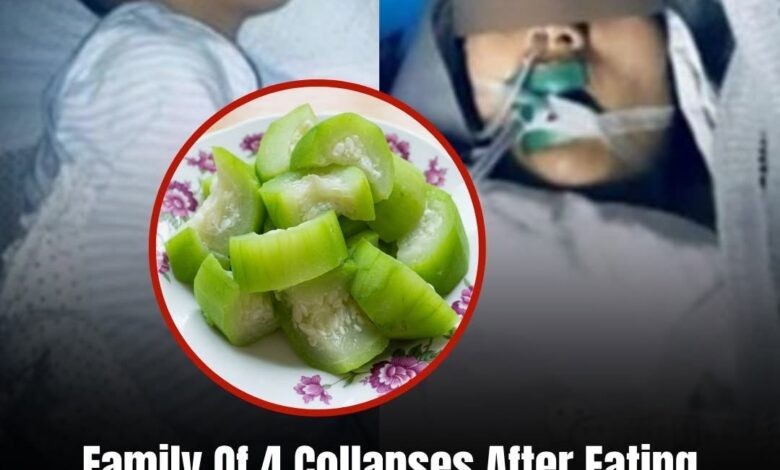
Family Hospitalized After Eating Vegetables: Doctors Explain How Improper Preparation Can Increase Food Poisoning Risk
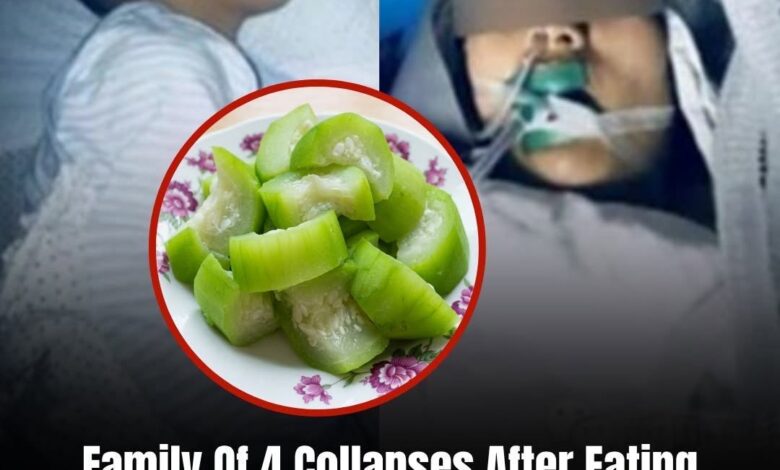
Introduction to Foodborne Illnesses Linked to Vegetables
Vegetables are a vital part of a balanced diet, providing fiber, essential vitamins, minerals, and a host of other nutrients necessary for maintaining good health. Despite their many benefits, vegetables, like all foods, can carry risks if not handled, stored, or prepared correctly. Cases of foodborne illness associated with vegetables are not uncommon, according to the Centers for Disease Control and Prevention (CDC). One incident involving the hospitalization of a family after eating vegetables underscores the importance of safe food practices, not because vegetables are inherently dangerous, but because simple errors or oversight in preparation can allow harmful pathogens to contaminate what should be a healthy meal.
The Science Behind Vegetable Contamination
Vegetables can become contaminated with harmful microorganisms at various stages—during cultivation, harvesting, transport, storage, or meal preparation. Bacterial pathogens such as Salmonella, E. coli, and Listeria monocytogenes, as well as viruses and parasites, can be introduced through exposure to contaminated soil, water, or fertilizer, as well as through human handling or animal contact in the field. According to the World Health Organization (WHO), improper storage and unsanitary conditions also significantly contribute to outbreaks of foodborne illness.
Common Sources of Vegetable Contamination
- Soil and Water: Fertilizers containing animal manure or water sources that are untreated or polluted can introduce bacteria, viruses, or parasites onto produce.
- Harvest and Processing: Workers or equipment not sanitized properly can transfer contaminants onto vegetables.
- Transport and Storage: Inadequate temperature control or storage with cross-contamination risk (for instance, with raw meat) can foster bacterial growth.
- Home Preparation: Using the same cutting board or knife for raw meats and then for vegetables, or improper handwashing, are leading causes of kitchen-based foodborne infections.
Symptoms and Consequences of Foodborne Illness
Food poisoning symptoms can vary, but commonly include nausea, vomiting, diarrhea, abdominal pain, fever, and dehydration. Vulnerable groups such as children, the elderly, pregnant women, or immunocompromised individuals are at higher risk of severe complications, which may necessitate hospitalization, as was the case with the aforementioned family. According to the CDC, foodborne pathogens cause an estimated 48 million illnesses and 3,000 deaths annually in the United States alone.
Case Study: Family Hospitalization After a Vegetable Meal
Although specific details were not released regarding the family in this case, instances of foodborne illness often share common factors, such as consumption of undercooked or improperly washed produce, or cross-contamination in the home kitchen. Medical experts reiterate that these tragedies are preventable with vigilant handling and proper cooking procedures.
Why Vegetables Can Pose a Food Poisoning Risk
While vegetables themselves do not inherently cause food poisoning, their surfaces—especially leafy greens, sprouts, and root vegetables—can be hospitable environments for bacteria. Since many vegetables are eaten raw or only lightly cooked, any microbes present may remain viable and dangerous. The U.S. Food and Drug Administration (FDA) warns that improper preparation, such as skipping thorough washing or failing to refrigerate perishables, allows pathogens to survive and multiply.
Common Pathogens Associated with Vegetables
- Salmonella: Found in a variety of fresh produce, including tomatoes, cucumbers, and sprouts. It leads to symptoms like fever, diarrhea, and stomach cramps.
- E. coli O157:H7: Particularly associated with leafy greens and sprouts. In severe cases, can cause kidney failure.
- Listeria monocytogenes: Can contaminate refrigerated ready-to-eat foods, including pre-cut vegetables, posing significant risks to pregnant women and immunocompromised people.
- Norovirus: A viral cause of foodborne illness, often transferred through improper handling or contaminated water.
The Importance of Safe Handling and Preparation
Medical specialists and food safety authorities consistently emphasize that food poisoning from vegetables is generally preventable. Simple steps, such as carefully washing produce under running water, separating raw meat from produce during meal preparation, thoroughly cleaning utensils, and ensuring vegetables are cooked to safe temperatures when appropriate, can greatly reduce risk.
Expert Advice on Vegetable Safety
According to the Mayo Clinic and other health organizations, the following best practices can minimize the possibility of foodborne illness:
- Wash hands thoroughly with soap and water before and after handling raw produce.
- Rinse vegetables under running water, even those you plan to peel. Special vegetable brushes can help clean tougher-skinned items.
- Use separate cutting boards for raw meat and produce to prevent cross-contamination.
- Wash cutting boards, knives, and any surfaces that have contacted raw foods with hot, soapy water.
- If possible, cook vegetables to at least 74°C (165°F) to kill most pathogens, especially for at-risk individuals.
- Refrigerate cut or peeled vegetables within two hours of preparation.
Government Oversight and Industry Measures
Regulatory agencies around the world, including the FDA, CDC, and WHO, have implemented various standards to monitor the safety of fresh produce. Inspections, regulations on water quality, audits of farming practices, and monitoring of foodborne illness outbreaks are among the measures that help reduce risk. Many countries have also encouraged public campaigns to educate consumers about food safety at home.
Responding to Food Poisoning: What to Do
If you suspect that you or someone you know has developed foodborne illness—marked by severe or persistent vomiting, diarrhea, high fever, dehydration, or signs of a worsening condition—seek medical attention promptly. Notifying local health authorities of potential outbreaks also assists in timely public health responses and can prevent others from becoming ill.
International and Societal Reactions
Globally, major outbreaks related to contaminated vegetables have led to increased regulatory scrutiny and changes in agricultural policy. For example, following large E. coli outbreaks in Europe and North America, many countries updated requirements for agricultural water testing and produce handling. Public awareness campaigns in countries including the United Kingdom, Australia, and Canada now focus heavily on at-home food safety, especially during periods of rising illness statistics.
Recent Trends and Ongoing Research
The scientific community continues to research new methods to detect, prevent, and respond to contamination in the food supply. Innovations in testing, traceability through blockchain technology, and improved agricultural practices are emerging as promising solutions. The persistent goal shared by all stakeholders is to keep vegetables both nutritious and safe for all consumers.
Conclusion: Balancing Health Benefits and Preparation Risks
The incident of a family’s hospitalization after eating contaminated vegetables serves as a stark reminder that good nutrition must be paired with good hygiene and preparation practices. Vegetables remain an essential part of a healthy diet, and with proper attention to safety, their benefits far outweigh their risks. Consumers, producers, and food regulators share responsibility in preventing foodborne illness, ensuring that vegetables are as safe as they are healthy.
Sources
- CDC: Food Safety – Fruits and Vegetables
- WHO: Food Safety Fact Sheet
- FDA: Produce (Vegetables and Fruits) Safety
- Mayo Clinic: Food Poisoning
- BBC: Raw food safety
- Reuters: Global food safety concerns
- The Guardian: Food poisoning risks from vegetables
Disclaimer: This content is intended for entertainment purposes only and is not based on real events.