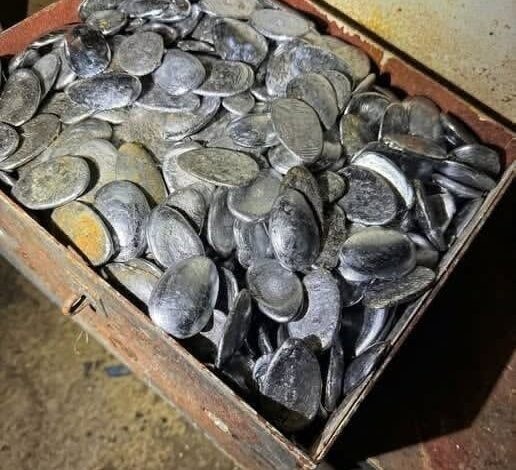
The Strange Cast Iron Old Casting Spoon for Bullets and Sinkers
An object with a simple design—featuring a shallow, heavy bowl and a sturdy handle—may first appear to be a robust kitchen utensil. However, its substantial weight, darkened surface, and undeniable practicality reveal a specialized tool with a fascinating past. This article explores the cast iron casting spoon’s intended use, its significance in history, the processes associated with it, and the broader context influencing how such tools were made and used.
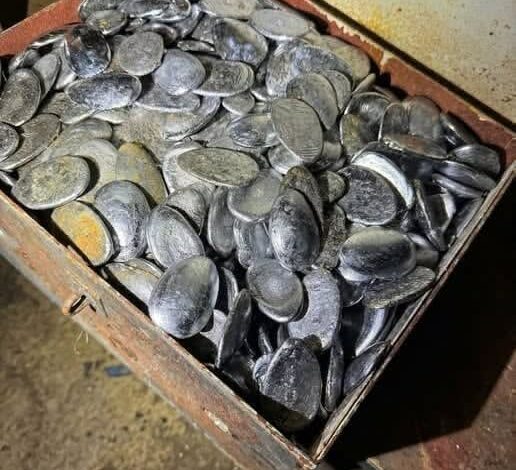
Origins and Historical Context of the Casting Spoon
The cast iron casting spoon was a common implement in homes, workshops, and small forges from the 18th through the early 20th centuries. Unlike the decorative or culinary utensils of its time, the casting spoon was designed for durability and utility, catering to individuals who needed to melt and mold metals, particularly lead. The practice of casting metal at home or on small scales was widespread due to the costs and limited accessibility of manufactured goods in many rural or frontier communities.
In the era before industrial mass production, people often crafted their own tools and supplies. Cast iron’s exceptional heat resistance and affordable manufacture made it the preferred material for these spoons and similar equipment. While blacksmiths and gunsmiths produced many casting spoons, some were made by larger foundries and sold through catalogs and hardware stores as well.
Physical Characteristics and Identification
A standard casting spoon is typically fashioned from dense and heatproof cast iron. Its bowl—deeper and heavier than that of a food-serving spoon—was designed to hold small volumes of molten metal. The handle, generally long, served to keep the user’s hands a safe distance from the heat of the fire or furnace. Unlike ornate kitchen utensils, casting spoons usually lack decorative features, favoring clean lines and robust construction for practical use.
Signs of wear on these objects—such as heat-blackened surfaces, slight warping, or rough edges—provide further clues about their intended function. Many spoons were marked or stamped with manufacturer’s initials or crude numbers, though homemade examples often lack such identifiers.
The Melting and Casting Process
The casting process began with heating metal—most often lead—until it reached a molten state. This was typically accomplished using a small forge, fireplace, or even a campfire. The casting spoon played a critical role in handling the dangerous, molten material. The person casting bullets or sinkers would carefully scoop up the liquid metal in the spoon, then pour it into a waiting mold. Once filled, the mold would be set aside to cool and solidify.
The process required patience and skill to avoid burns, spills, or poorly formed products. The design of the spoon, with its smooth lip and controlled pouring ability, helped ensure safety and consistency. The reliability of cast iron as a material—resistant to wear or failure even under repeated thermal stress—made these spoons a mainstay for generations of makers and tinkerers.
Uses: Bullets, Sinkers, and Beyond
Two of the most common items produced with the help of a cast iron casting spoon were bullets, for use in personal firearms, and sinkers, for fishing. Bullet casting was particularly important in the 18th and 19th centuries, when population movement into rural territories across North America and Europe made store-bought ammunition scarce or prohibitively expensive. Hunters, settlers, and soldiers all relied on the ability to create their own ammunition.
Fishing sinkers, meanwhile, were indispensable for those reliant on angling to supplement their food supply. The ability to quickly melt and cast new sinkers from scrap lead meant that lost tackle could be replaced cheaply and conveniently.
In addition to these primary uses, casting spoons also aided in the fabrication of small hardware components, weights, and sometimes art objects or toys. This versatility contributed to the tool’s enduring value in households and communities where self-sufficiency was prized.
Technological Evolution and Safety Considerations
As manufacturing advanced in the late 19th and 20th centuries, the need for homemade casting of bullets and sinkers diminished. Commercially produced ammunition, fishing tackle, and small metal parts became more affordable and widely available. Despite this, the casting spoon remained a fixture for hobbyists and in areas where access to commercial goods was limited.
It is important to note that working with molten lead carries health and safety risks. Lead exposure, whether through inhalation of fumes or skin contact, has been recognized by modern science and health authorities such as the CDC as a serious hazard. During the heyday of home casting, knowledge of these risks was limited. Today, lead casting is generally recommended only with proper ventilation, personal protective equipment, and strict hygiene to mitigate harmful effects.
Cultural and Societal Implications
The prevalence of casting spoons and similar homemade tools underscores the resourcefulness and ingenuity of past generations. For many, the ability to produce critical supplies like bullets and sinkers meant greater independence and survivability. These tools also fostered traditions of craftsmanship, passing down skills from parent to child and neighbor to neighbor.
In some cultures, community gatherings to cast bullets or fishing tackle became important social events. Particularly in rural America, such rituals contributed to a sense of shared purpose and community resilience.
Collectors and historians today view casting spoons as emblematic of an era of self-reliance. Surviving examples are often preserved in museums or traded among antique tool enthusiasts, with special interest in spoons carrying a clear history of use or distinctive features.
Modern-Day Use and Historical Preservation
While many original casting spoons have vanished with time, a number of antique and reproduction specimens remain in circulation. Today, they are sometimes used by reenactors and hobbyists, who seek to authentically replicate historical practices. Modern versions are sold through specialty catalogs, often designed with improved ergonomics or materials, but still modeled on the robust simplicity of the originals.
Museums and historical societies work to preserve casting spoons as part of broader efforts to document domestic and industrial life in earlier centuries. Through curated displays and educational programming, these institutions highlight the ingenuity required in an era when access to manufactured goods was far from guaranteed.
Expert Perspectives
Historians and material culture experts have commented extensively on the significance of tools like the cast iron casting spoon. According to research published by institutions such as the Smithsonian, handmade tools illustrate the crucial link between innovation and necessity in daily life prior to industrialization. Anthropologists note that these implements are testament not only to technological adaptation but also to shifting economic and social patterns.
Conservationists emphasize the importance of proper identification and preservation of casting spoons, as these objects offer rich insight into heritage industries. Collectors are advised to seek provenance and consult experts before purchasing suspected casting tools, as authentic examples command significant interest in the antiques market.
International Reactions and Comparisons
Though the cast iron casting spoon may be most closely associated with North America and Europe, similar tools were used worldwide wherever metalworking and casting took place. In Asia, Africa, and South America, local traditions of bullet and sinker production gave rise to a diverse range of homemade casting implements, tailored to regional materials and practices.
In some countries, casting remains an important artisanal practice for both practical and cultural reasons. International experts in material culture often compare these tools to better understand the spread of technology and the development of self-sufficiency across different societies.
Conclusion
The cast iron old casting spoon stands as a symbol of practical innovation—a tool that empowered countless individuals and communities to meet their own needs through resourcefulness and skill. Beyond its immediate utility in the crafting of bullets and fishing sinkers, the spoon represents a broader ethos of self-reliance that has profoundly shaped rural and industrial societies alike. Its legacy endures in museums, private collections, and the continued interest of enthusiasts, offering valuable lessons on adaptability, craftsmanship, and the enduring importance of everyday tools.
Sources
- Smithsonian Magazine
- BBC News
- Reuters
- CDC – Lead Exposure
- The Guardian – Archaeology
- Al Jazeera – Archaeology
Disclaimer: This content is intended for entertainment purposes only and is not based on real events.