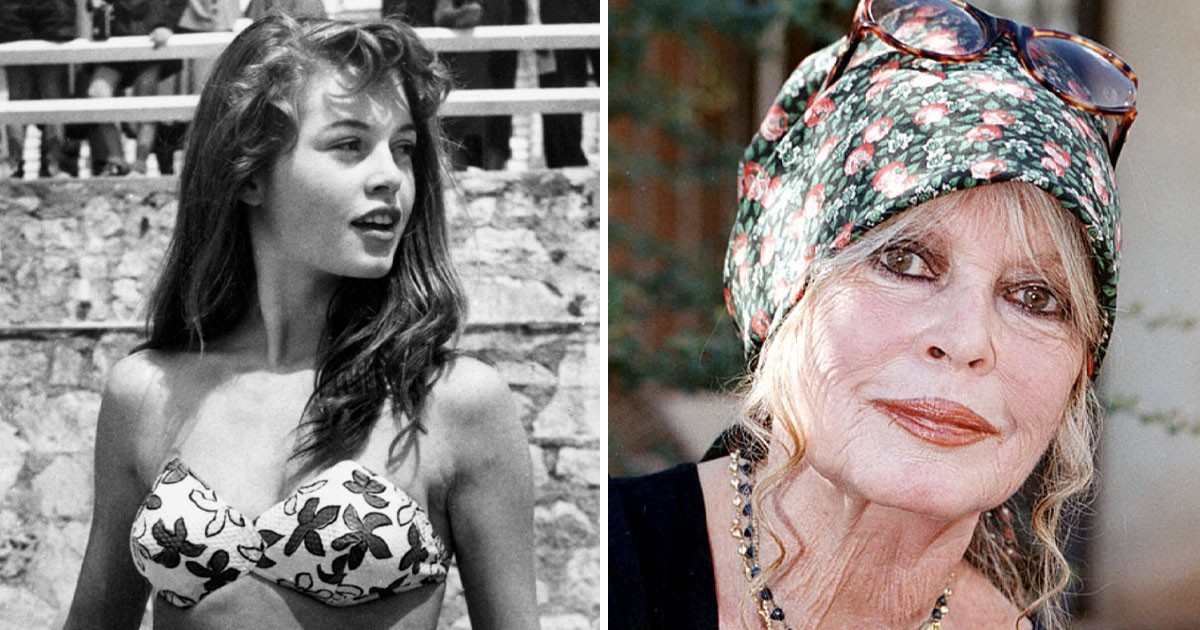
Brigitte Bardot: Life, Legacy, and Her Family’s Continuing Story

Brigitte Bardot was once celebrated as one of the most beloved celebrities in the world. Over the decades, she has evolved from an international icon to a devoted animal rights activist, and now enjoys her life as a grandmother. This article explores Bardot’s early beginnings, her meteoric rise to fame, her profound impact on film, and how her family story continues into the present, including the new generation following in her footsteps.
Brigitte Bardot: Early Life and Ambitions
Born Brigitte Anne-Marie Bardot on September 28, 1934, in Paris, France, Bardot grew up in a wealthy family of industrialists. Despite her privileged upbringing, Bardot described her younger self as insecure and unable to foresee her future stardom. She trained as a ballerina in her youth, aspiring toward a path of classical dance before her unmistakable beauty drew attention from the fashion world.
Bardot began modeling as a teenager and her appearance on the cover of Elle magazine marked the first step into public life. The emerging model quickly transitioned her ambitions to acting, signaling the start of an unparalleled career in entertainment.
The Journey to International Fame
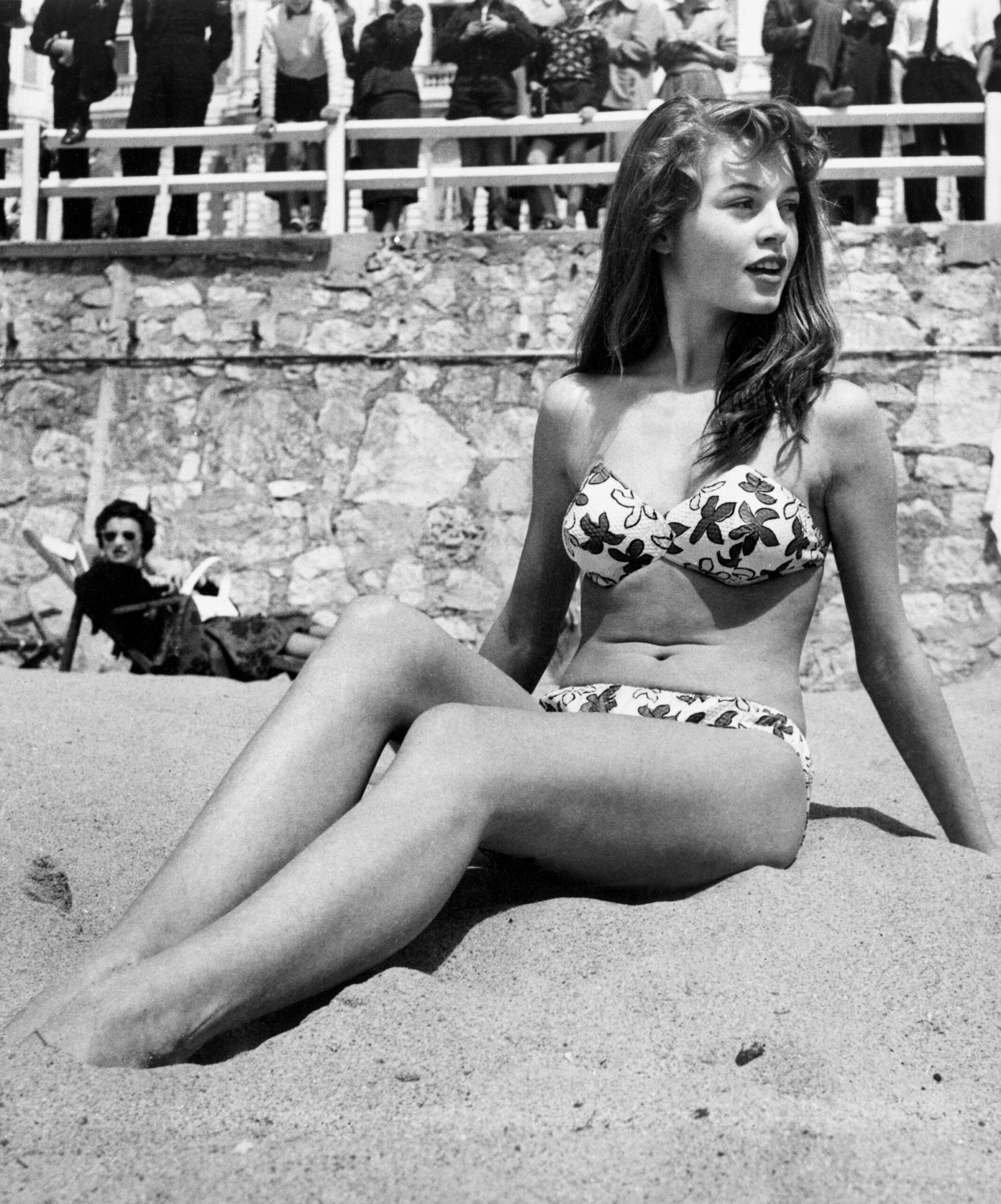
Brigitte Bardot’s entrance into acting coincided with the post-war renaissance in European cinema. In the 1950s, she became a symbol of youthful energy, sensuality, and freedom for a new generation across the continent. Her iconic role in “And God Created Woman” (1956) catapulted her to instant global stardom, cementing Bardot as an international sex symbol and screen legend.
Despite her privileged beginnings, Bardot openly grappled with her newfound fame. She described herself as a rebellious spirit who walked away from her structured upbringing to embrace bohemian freedom. Her open and honest nature resonated with millions, but the cost of relentless public attention would eventually weigh heavily on her personal life.
Transitioning from French Icon to Global Celebrity
As Bardot’s career flourished in France, she began attracting attention from international filmmakers. Her English-language breakthrough came in “Doctor at Sea,” where she starred opposite Dirk Bogarde. The mid-1960s saw Bardot pursuing greater global recognition, yet this period was not without challenges.
Bardot starred in her first Hollywood film, “Dear Brigitte” (1966), but found it difficult to connect with the American audience. Subsequent films in Hollywood did not match her European successes, though her image as a glamorous blonde actress remained unshaken. Even collaborations with legendary actors like Sean Connery in “Shalako” (1968) received mixed reviews, highlighting the unpredictable nature of cinematic fame.
Retreat from the Spotlight and a New Mission
In 1973, at the height of her career, Bardot made headlines by announcing her retirement from acting. The decision came as a surprise to fans and industry insiders alike, yet Bardot was candid about her reasons. According to her, the demands of celebrity life had become overwhelming, leading her to prioritize her well-being over continued fame.
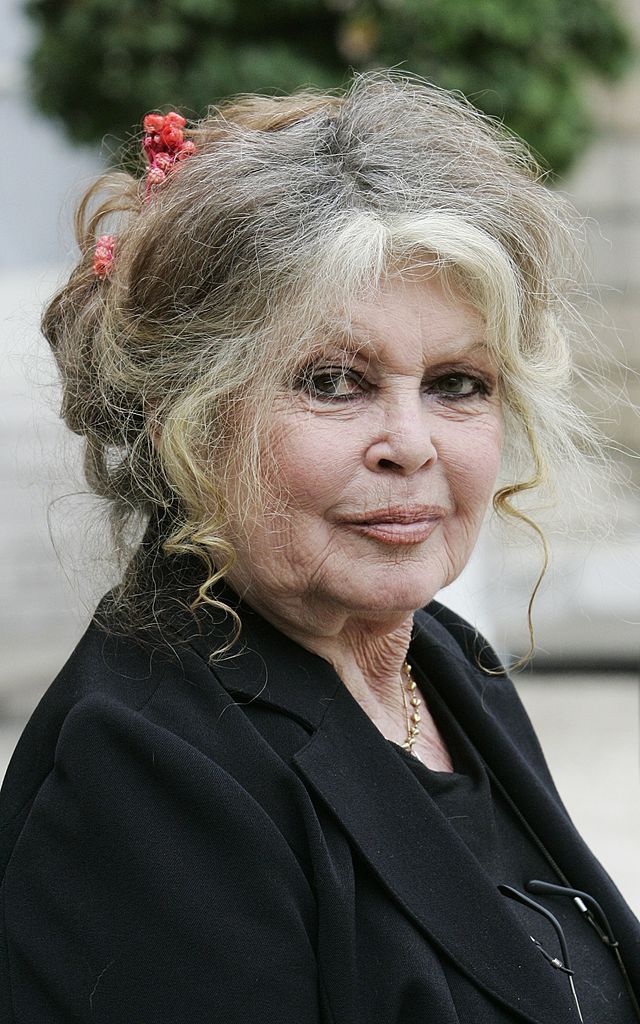
“The majority of great actresses met tragic ends,” Bardot explained in a 2019 interview with The Guardian. She described her choice to withdraw from the glitter of stardom as essential for saving her life. Her candor about the emotional toll of fame provided a window into the often unseen struggles of public figures.
Following her decision to retire, Bardot became reclusive, largely retreating from the public eye. Nevertheless, she found renewed purpose by dedicating herself to animal welfare and activism—a cause that would come to redefine her legacy.
The Brigitte Bardot Foundation and Animal Welfare
Bardot’s passion for animals was evident even during her heyday as an actress. According to her first husband, film director Roger Vadim, she was always more interested in animals than in material trappings, describing her as allergic to fame and reassured by the innocence of animals.
In 1986, Bardot established the Brigitte Bardot Foundation for the Welfare and Protection of Animals. The foundation supports diverse conservation efforts around the globe, from wild animal hospitals in Chile to facilities for koalas in Australia and elephants in Thailand. Through her continued activism, Bardot has impacted countless lives—both animal and human—and set a global example for celebrity philanthropy.
Enduring Style, Timeless Influence
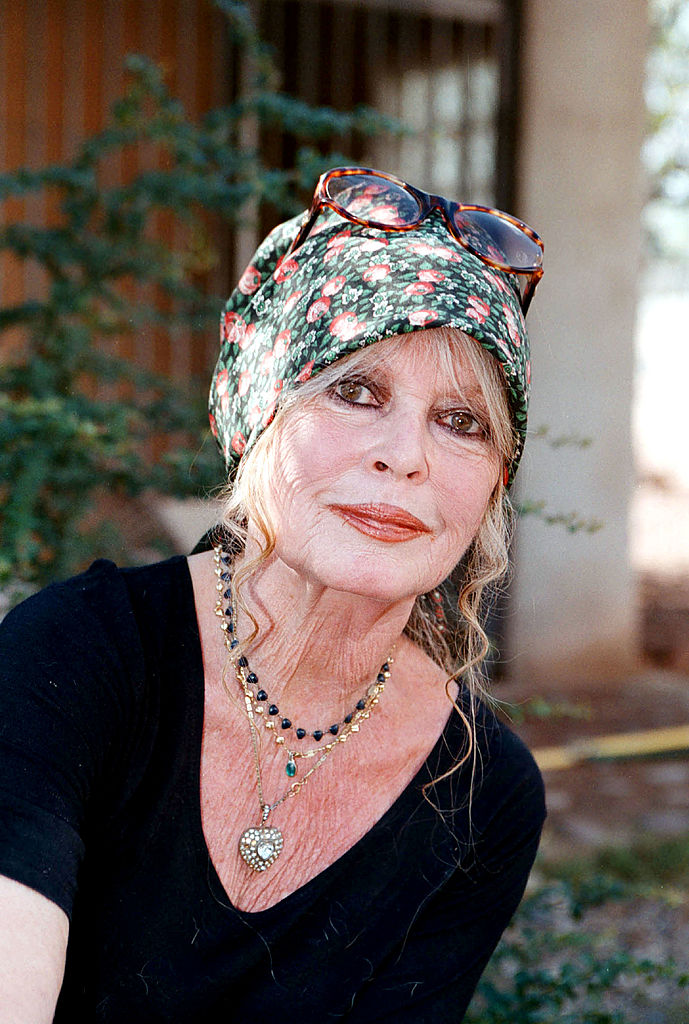
Today, Brigitte Bardot is recognized as one of the most iconic faces, models, and actors of the 1950s and 1960s. Even in her late 80s, her influence on fashion and beauty standards is widely acknowledged. In 2020, Vogue magazine named her among “the most beautiful French actresses of all time,” a testament to her enduring cultural significance.
Now residing in La Madrague, a coastal town in France, Bardot leads a much quieter existence with her husband, Bernard d’Ormal, whom she married in 1992. Despite the physical limitations age has brought, Bardot remains a vigorous advocate for animal rights, frequently corresponding with supporters and continuing to champion her cause.
A Complex Relationship with Motherhood and Family
Bardot’s approach to motherhood has long been a subject of public discussion. On January 11, 1960, she gave birth to her only child, Nicolas-Jacques Charrier, with her second husband, actor Jacques Charrier. Bardot admitted in interviews and memoirs that motherhood did not come easily or naturally to her. She once remarked that she had not wished to bring another person into the world, expressing concerns about overpopulation and her own suitability for parenthood.
After her divorce from Charrier in 1963, Bardot relinquished custody of her son, who grew up in Norway and created a family of his own. For many years, Bardot and Nicolas had little contact, culminating in a highly publicized court case in 1996 following the publication of Bardot’s memoir “Initialed BB,” which Nicolas and his father claimed infringed their privacy. The French court ruled in their favor, requiring Bardot to pay compensation.
The Next Generations: Bardot’s Granddaughters and Family Reconciliation
Despite the difficulties of the past, Bardot has taken strides to rebuild her relationship with her son and connect with her granddaughters in recent years. Nicolas, who resides in Norway with his daughters Anna-Camilla and Thea-Josephine, began visiting Bardot in France around 2009, sometimes accompanied by his own children. The meetings have become an annual tradition, allowing Bardot to experience joyful moments as a grandmother.
Bardot has spoken affectionately of her son in later interviews, expressing love and respect for his differences. She described her feelings for him as unique and personal, acknowledging that he resembles his father more than herself. The challenges of earlier years have given way to a newfound closeness and mutual understanding in later life.
International Recognition and Lasting Legacy
Brigitte Bardot’s career has been the subject of critical analysis and praise from film historians, journalists, and fashion designers worldwide. Her image established France as a center of sophisticated and liberated femininity on the world stage. She continues to inspire new generations in cinema, activism, and beyond.
Her philanthropic work, especially with the Brigitte Bardot Foundation, has set standards for celebrity engagement in social and environmental issues. International readers, animal welfare proponents, and film aficionados alike continue to follow her story with admiration and interest.
Conclusion
Brigitte Bardot’s journey from glamorous starlet to impassioned activist and grandmother underscores a life of transformation, resilience, and authenticity. Her enduring legacy in film, fashion, and animal advocacy, combined with the continuing story of her family, ensures her place as a cultural icon for generations to come. Bardot’s ability to reinvent her life, heal relationships, and make a tangible difference speaks to the importance of staying true to one’s values throughout all of life’s chapters.
Sources
Disclaimer: This content is intended for entertainment purposes only and is not based on real events.