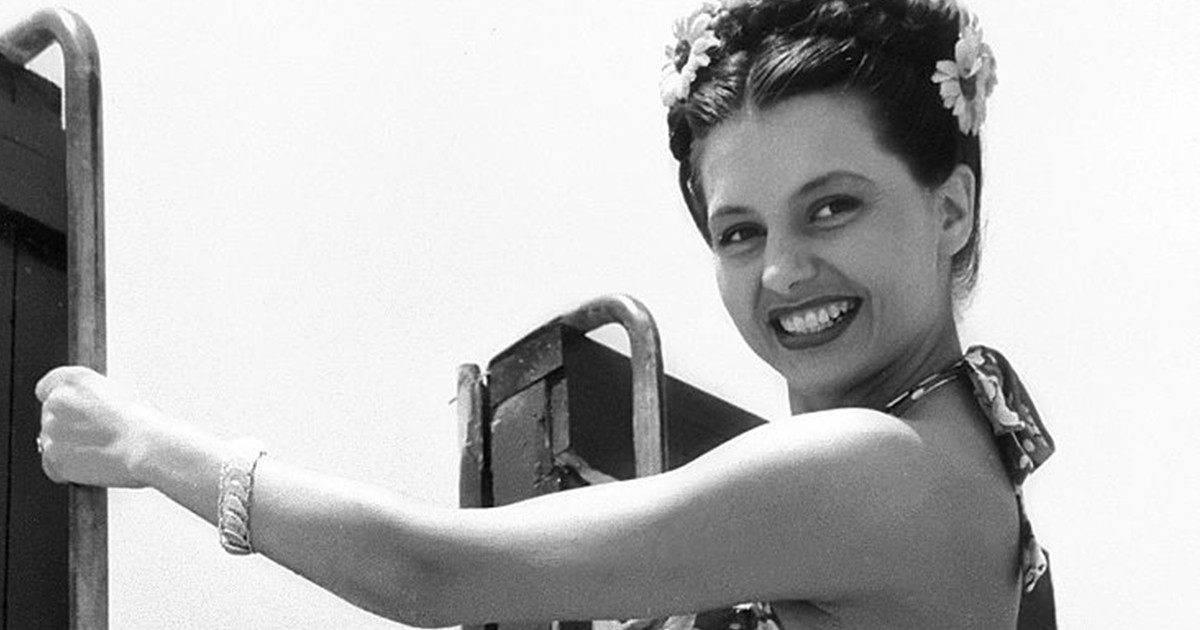
There are stars who become famous because of the words they speak.
And then there are performers who barely need to say a word.
Cyd Charisse belonged to the second group.
With extraordinary ballet technique, elegant movement, and a screen presence that could command an entire scene, Charisse became one of the most memorable dancers of Hollywood’s Golden Age.
She performed alongside some of the greatest stars in musical cinema, including Fred Astaire and Gene Kelly.
Her appearance was unforgettable, but it was her artistry that truly set her apart.
Behind the glamorous image, however, was a woman whose journey to Hollywood began with a childhood health struggle and years of demanding dance training.
Who Was Cyd Charisse?
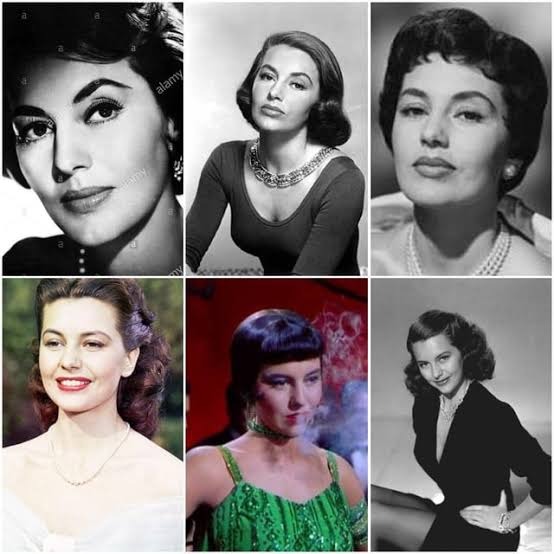
Cyd Charisse was born Tula Ellice Finklea on March 8, 1922, in Amarillo, Texas.
As a child, she was reportedly physically frail and became seriously ill with polio.
Her parents hoped that ballet training would help strengthen her body.
What began partly as a way to improve her health eventually became the foundation of her career.
Charisse discovered a natural talent for dance and developed an extraordinary dedication to the art.
Rather than simply recovering her strength, she found a lifelong passion.
That decision would eventually take her from Texas to some of the world’s most prestigious dance schools and, ultimately, to Hollywood.
From a Sickly Child to a Brilliant Dancer
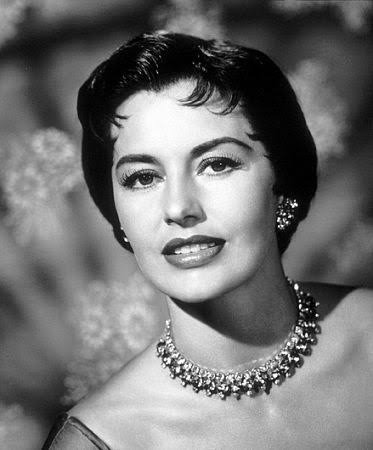
Charisse’s early years were very different from the glamorous image she would later project on screen.
She was reportedly thin and physically delicate as a child.
Ballet gave her a way to build strength while also introducing her to a demanding artistic discipline.
As her talent developed, she studied under respected instructors, including Adolph Bolm.
Her training eventually took her beyond the United States, with further study and experience in Europe.
By the time she reached her teenage years, it was becoming clear that dance was more than simply an activity for her.
It was her future.
How Did Cyd Charisse Get Her Name?
Her birth name was Tula Ellice Finklea, but the name Cyd Charisse became synonymous with Hollywood glamour.
The nickname “Sid” reportedly originated with her older brother, who had difficulty pronouncing “Sis.”
Later, the spelling was changed to “Cyd.”
The surname Charisse came from her first marriage.
Eventually, the stage name became one of the most recognizable names in American musical cinema.
It was a name perfectly suited to the elegant, mysterious image she developed on screen.
Cyd Charisse’s Early Film Career
Charisse initially entered Hollywood through dance.
One of her early appearances came in the 1943 film Something to Shout About, where she appeared as a ballet dancer.
At first, her roles were small and sometimes uncredited.
But the studios quickly recognized that she possessed something unusual.
She had technical ability, beauty, poise, and an ability to communicate emotion through movement.
Metro-Goldwyn-Mayer eventually gave her larger opportunities.
Her career began moving forward rapidly.
Dancing With Gene Kelly
One of Charisse’s important early appearances came when she worked with Gene Kelly in Ziegfeld Follies in 1945.
Although her role was relatively brief, her performance helped establish her as a dancer worth watching.
Kelly and Charisse represented two very different styles of movement.
Kelly was known for athleticism, energy, and powerful choreography.
Charisse brought an elegant combination of ballet technique, sophistication, and controlled sensuality.
Together, they created a memorable contrast.
But her most famous moment with Kelly was still several years away.
The Iconic Singin’ in the Rain Performance
For many movie fans, Cyd Charisse’s name is forever connected with Singin’ in the Rain.
Released in 1952, the film became one of the most celebrated musicals in Hollywood history.
Charisse appeared in the famous “Broadway Melody” sequence.
She did not need extensive dialogue to dominate the scene.
Her movements, costume, posture, and expression created an unforgettable visual presence.
The sequence demonstrated exactly why Charisse was so valuable to the studio system.
She could transform dance into storytelling.
Every movement communicated confidence and character.
Her elegant appearance, dark hair, and striking dance style made the sequence one of the most recognizable moments in musical-film history.
Cyd Charisse and Fred Astaire
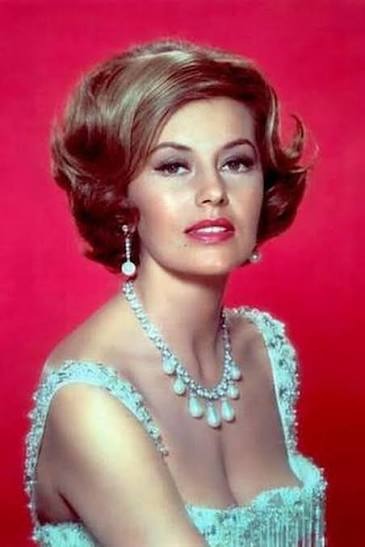
Charisse’s partnership with Fred Astaire became another defining chapter of her career.
The two worked together in The Band Wagon in 1953.
Their “Dancing in the Dark” sequence is widely remembered for its romantic atmosphere and graceful choreography.
Unlike some of the more energetic dance numbers of the era, the performance depended heavily on subtle movement.
Charisse and Astaire seemed to glide across the screen.
Their chemistry came not from exaggerated gestures but from timing, posture, and controlled movement.
Astaire reportedly admired Charisse’s extraordinary abilities, famously describing her as “beautiful dynamite.”
For Charisse, working with Astaire offered another opportunity to demonstrate that dance could communicate emotion without relying on dialogue.
Was Cyd Charisse Better With Fred Astaire or Gene Kelly?
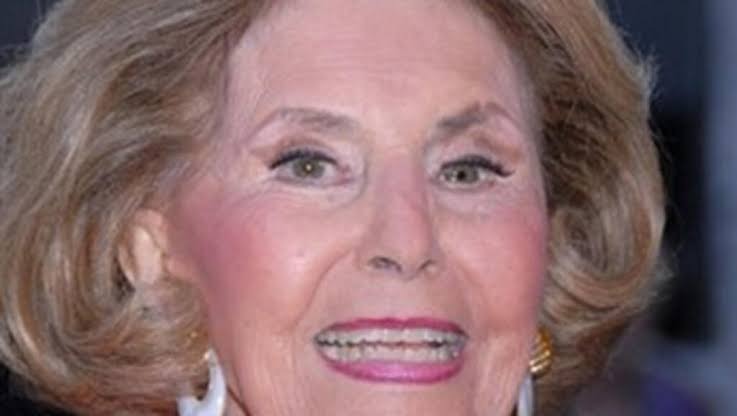
Fans have debated the differences between Charisse’s partnerships with Astaire and Kelly for decades.
The answer is that the two collaborations showcased different sides of her talent.
With Gene Kelly, Charisse could participate in energetic, athletic choreography.
With Fred Astaire, she could emphasize elegance, romance, and sophistication.
Charisse herself resisted the idea of choosing one over the other.
She regarded both men as extraordinary dancing personalities, while recognizing that their styles were completely different.
That distinction is important.
Charisse was versatile enough to adapt to both.
What Made Cyd Charisse Such a Special Dancer?
Charisse was not simply famous because of her appearance.
Her dance training was exceptionally extensive.
She had a strong foundation in classical ballet but was also capable of incorporating jazz, modern movement, and theatrical performance into her work.
Her greatest strength was perhaps her ability to make technically difficult choreography appear effortless.
She could move with remarkable precision while maintaining an expression of complete calm.
That quality made her particularly effective on camera.
The audience did not necessarily see the years of training behind each movement.
They simply saw elegance.
Cyd Charisse’s Beauty and Screen Presence
Charisse became one of Hollywood’s most recognizable female stars partly because of her distinctive appearance.
She had dark hair, expressive eyes, a graceful figure, and an elegant presence that photographs captured exceptionally well.
But the fascination surrounding her appearance should not overshadow her professional achievements.
She was a highly trained dancer who spent years developing her craft.
Her physical abilities were central to her career.
At a time when Hollywood often placed actresses into narrow categories, Charisse established an identity built around movement and performance.
She was not merely the glamorous woman standing beside the male star.
In many of her most memorable scenes, she was the center of attention.
Cyd Charisse’s Life Away From Hollywood
Despite her glamorous screen image, Charisse generally maintained a relatively private personal life.
She married singer and actor Tony Martin in 1948.
Their marriage lasted for more than six decades, until Charisse’s death in 2008.
They also worked together professionally, including appearances in nightclub performances.
Charisse had two sons: one from her first marriage and another with Tony Martin.
Compared with many Hollywood personalities of her generation, she largely avoided becoming the subject of constant scandal.
Her attention remained focused on her career, family, and performing.
A Family Tragedy
Charisse’s family experienced a devastating loss in 1979.
Her daughter-in-law, Sheila Charisse, was among the victims of American Airlines Flight 191, which crashed shortly after takeoff from Chicago’s O’Hare International Airport.
The crash claimed 273 lives, including people on the ground.
It became one of the deadliest aviation disasters in American history.
For Charisse and her family, the tragedy was a deeply painful reminder that fame and success offered no protection from life’s most unexpected losses.
Cyd Charisse Beyond the Golden Age of Hollywood
As the classic Hollywood musical began to decline, Charisse did not simply disappear.
Instead, she adapted.
She appeared on television, performed on stage, and continued working in entertainment.
She also participated in productions well beyond the period in which she first became famous.
Her later career demonstrated that her talent was not limited to the traditional MGM musical.
She could continue performing because her abilities were rooted in discipline and technique rather than simply in youthful screen appeal.
Recognition for a Remarkable Career
Charisse’s contribution to American performing arts was eventually recognized on a national level.
In 2006, she received the National Medal of Arts.
The honor reflected the significance of her career and her contribution to dance and entertainment.
By then, she had already spent decades influencing audiences and fellow performers.
Her career had crossed generations.
She had gone from a child taking ballet lessons for her health to becoming one of Hollywood’s most recognizable dancers.
Cyd Charisse’s Final Years
Cyd Charisse continued to make public appearances and remain connected with the performing arts during her later years.
She died on June 17, 2008, at the age of 86, after suffering a heart attack.
Her death marked the passing of one of the final great stars associated with Hollywood’s classic musical era.
Yet her performances never disappeared.
They remained available through film, television broadcasts, retrospectives, and generations of movie fans discovering her work for the first time.
Why Cyd Charisse Is Still Remembered
Cyd Charisse’s legacy goes beyond beauty.
She represented a particular kind of Hollywood performer—someone whose artistry could be understood even without dialogue.
Her greatest scenes were built around movement.
A turn.
A glance.
A carefully controlled step.
A partner’s hand.
A change in rhythm.
She understood how to make dance communicate emotion.
That is why her most famous performances remain recognizable decades later.
The Enduring Magic of Cyd Charisse
Hollywood’s Golden Age produced countless stars, but only a handful possessed the combination of beauty, technical skill, and screen presence that made them truly unforgettable.
Cyd Charisse was one of them.
She began life as a physically fragile child in Texas.
Ballet helped her build strength.
That training eventually became a passion.
The passion became a profession.
And the profession made her a legend.
She danced with Gene Kelly.
She danced with Fred Astaire.
She appeared in some of the most celebrated musicals of the twentieth century.
And she created performances that continue to fascinate audiences long after the era that produced them has disappeared.
Perhaps that is the greatest measure of her success.
Cyd Charisse did not simply dance in Hollywood movies.
She turned movement into a language—and decades later, audiences still understand what she was saying.