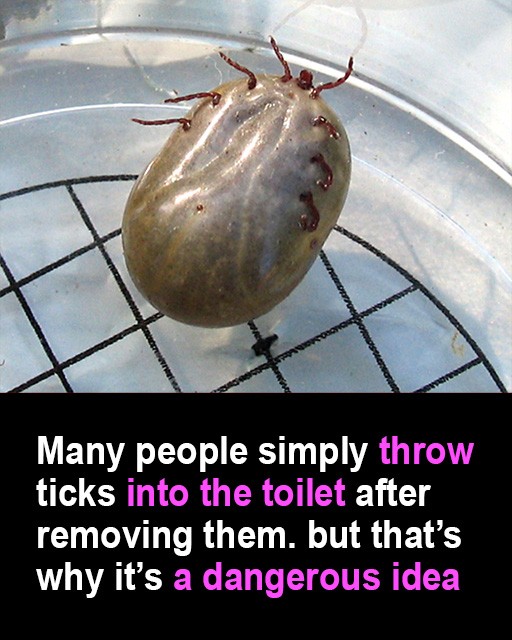
Finding a tick attached to your skin can be unsettling.
Your first instinct may be to grab it with your fingers and pull as quickly as possible. But rushing the process can make removal more difficult and may leave part of the tick embedded in the skin.
The good news is that removing a tick does not usually require complicated equipment or a trip to the emergency room.
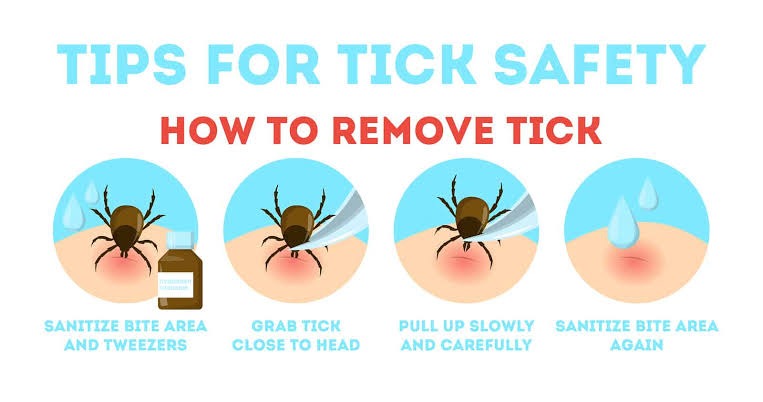
In most situations, the recommended approach is simple: use fine-tipped tweezers, grasp the tick as close to the skin as possible, and pull it straight upward with steady pressure.
Here’s what to do—and what you should avoid.
Why You Shouldn’t Pull a Tick With Your Fingers
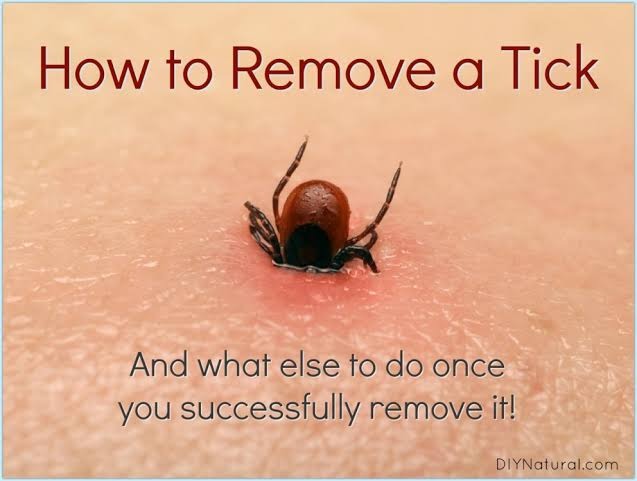
A tick attaches itself firmly to the skin.
When people try to remove one with their fingers, they may accidentally squeeze or crush the tick.
They may also twist it, jerk it suddenly, or pull from the swollen body instead of the area closest to the skin.
These actions can make removal less controlled.
More importantly, squeezing the tick can make it harder to remove cleanly.
That’s why fine-tipped tweezers are generally preferred.
They allow you to get a much better grip on the tick without putting unnecessary pressure on its body.
Step 1: Use Fine-Tipped Tweezers
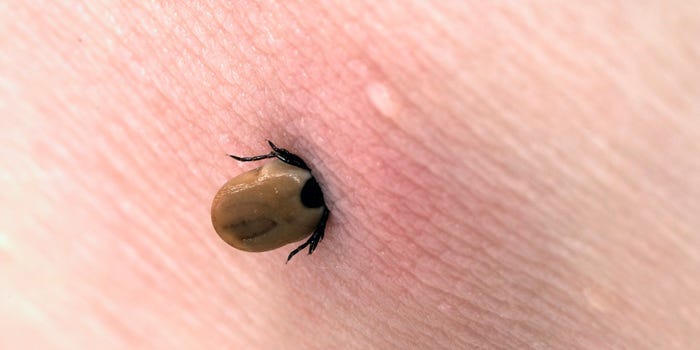
Before removing the tick, wash your hands and find a pair of clean, fine-tipped tweezers.
Avoid using blunt household tweezers if possible because they can make it difficult to grasp the tick close to the skin.
Position the tips of the tweezers as close to your skin as you can.
The goal is to grip the tick near its mouthparts, where it is attached.
Do not grab the swollen body.
Once you have a secure grip, prepare to remove it.
Step 2: Pull Straight Up
This is the most important part.
Pull upward slowly and steadily.
Use even pressure rather than suddenly yanking the tick.
Do not twist the tweezers.
Do not jerk your hand from side to side.
Do not crush the tick while you’re trying to remove it.
A slow, controlled movement gives you a better chance of removing the tick completely.
The process may take a little patience, but there is usually no benefit to rushing.
What If Part of the Tick Remains in the Skin?
Sometimes a small dark fragment may remain after the tick is removed.
This can be alarming, but don’t immediately start digging aggressively into the skin with a needle or another sharp object.
If the remaining material can be easily removed with clean tweezers, it may be possible to do so.
If it cannot be removed easily, leave the area alone rather than repeatedly damaging the surrounding skin.
In some situations, the remaining mouthparts may eventually work their way out as the skin heals.
If you’re concerned about what remains in the skin, a healthcare professional can assess the area and determine whether further removal is necessary.
Step 3: Clean the Bite Area
Once the tick has been removed, clean the bite area thoroughly.
Wash the skin with soap and water.
You should also wash your hands after handling the tick.
If soap and water aren’t immediately available, an alcohol-based hand sanitizer can be useful for cleaning your hands.
Keeping the bite area clean helps reduce the risk of a secondary skin infection.
The area may remain slightly red or irritated for a short time after the tick is removed.
However, increasing redness, warmth, swelling, drainage, or worsening pain can be signs that medical attention is needed.
Step 4: Dispose of the Tick Safely
Getting the tick off your skin is only part of the process.
You also need to dispose of it properly.
Don’t crush the tick with your bare fingers.
Don’t leave it alive on a table, floor, or piece of clothing where it could potentially attach to another person or animal.
A practical option is to place the tick in a sealed container or a small piece of tape and seal it securely.
Some people choose to keep the tick temporarily in case a healthcare professional later wants to identify it.
If you decide to save it, record the date and where you believe you were exposed.
This information can be useful if you later develop symptoms.
Don’t Burn the Tick
You may see advice online recommending that people burn a tick after removing it.
That’s unnecessary and can create an avoidable burn or fire hazard.
There is no reason to handle the tick with a flame.
A sealed container or securely sealed piece of tape is a much safer approach.
Don’t Use Petroleum Jelly or Household Chemicals
Another common internet tip is to cover the tick with petroleum jelly, nail polish, alcohol, oil, or another substance and wait for it to detach.
This isn’t the preferred method.
Trying to suffocate or chemically irritate the tick can delay removal.
The safest approach is generally mechanical removal with fine-tipped tweezers.
The sooner an attached tick is properly removed, the better.
Don’t Twist the Tick
One of the biggest mistakes people make is twisting the tick while pulling.
It may seem logical to rotate it until it releases, but twisting makes the process less controlled.
Instead, maintain a firm grip and pull upward in a straight, steady motion.
If the tick doesn’t come out immediately, don’t panic.
Adjust the tweezers so you’re gripping closer to the skin and try again with controlled pressure.
What Should You Do After a Tick Bite?
Removing the tick doesn’t mean you should completely forget about the bite.
Depending on the type of tick and where you were exposed, ticks can transmit infections.
Not every tick carries disease, and not every tick bite results in illness.
However, it’s important to monitor yourself for symptoms afterward.
Pay attention to:
-
Fever or chills
-
Headache
-
Unusual fatigue
-
Muscle or joint aches
-
Swollen lymph nodes
-
Increasing redness or swelling around the bite
-
A spreading rash
-
Other unusual symptoms
If you develop concerning symptoms after a tick bite, contact a healthcare professional and tell them that you recently found a tick attached to your skin.
The timing of symptoms can vary depending on the infection, so don’t assume you’re safe simply because you feel fine immediately after the bite.
Take a Picture of the Tick
If you have a phone nearby, taking a clear photograph of the tick can be useful.
You can photograph it before disposal or after placing it somewhere secure.
A picture may help a healthcare professional or local health authority identify the type of tick.
If you’re keeping the actual tick, store it securely rather than handling it repeatedly.
Identification can sometimes help determine what illnesses may be associated with that particular species in your area.
When Should You Contact a Doctor?
Most tick bites don’t require emergency medical treatment.
However, medical advice may be appropriate if:
-
You cannot remove the tick completely.
-
The tick appears to have been attached for a prolonged period.
-
You develop a spreading rash.
-
You develop fever or flu-like symptoms.
-
The bite becomes increasingly painful, swollen, warm, or infected-looking.
-
You experience unusual weakness, severe headache, difficulty breathing, or other serious symptoms.
-
You’re unsure whether the tick was attached long enough to create a meaningful risk of infection.
-
You live in or recently traveled through an area where tick-borne illnesses are common.
If severe symptoms develop, seek urgent medical care.
What About Lyme Disease?
One of the best-known illnesses associated with ticks is Lyme disease.
Lyme disease is caused by bacteria transmitted by certain infected ticks.
The risk varies significantly depending on the geographic region, tick species, and how long the tick was attached.
One important reason for removing a tick promptly is that some tick-borne infections become more likely to transmit the longer an infected tick remains attached.
If you believe you may have been exposed to a tick capable of transmitting Lyme disease, contact a healthcare professional for advice.
They can assess the circumstances and determine whether monitoring, testing, or preventive treatment is appropriate.
Should You Test the Tick?
Routine testing of an individual tick is generally not considered a substitute for monitoring your health.
Even if a tick tests positive for a particular pathogen, that doesn’t necessarily mean it transmitted the infection to you.
Conversely, a negative result doesn’t always eliminate the possibility of another infection or exposure.
That’s why your symptoms, exposure history, location, and the type of tick involved are more important than relying solely on a test of the tick itself.
How to Prevent Tick Bites
The easiest tick bite to deal with is the one that never happens.
If you’re hiking, gardening, camping, or spending time in areas where ticks are common, take a few precautions.
Wear Appropriate Clothing
Long sleeves, long pants, and socks can reduce the amount of exposed skin.
Tucking pants into socks can provide additional protection when walking through tall grass or brush.
Light-colored clothing can also make ticks easier to spot.
Use Tick Repellent
Appropriate insect repellents can reduce the likelihood of tick bites.
Follow the product’s directions carefully, particularly when applying repellent to children.
Some clothing and outdoor products can also be treated with permethrin, which can provide additional protection when used according to the label.
Check Your Body After Being Outdoors
Ticks can be extremely small.
After spending time outdoors, check your clothing and skin carefully.
Pay particular attention to areas such as:
-
Behind the knees
-
Around the waist
-
Under the arms
-
Around the ears
-
Along the hairline
-
Between the legs
-
Around the ankles
Showering after outdoor activities can also help remove unattached ticks.
Check Pets Too
Dogs and other pets can carry ticks into the home.
After outdoor activities, check your pet carefully and use veterinarian-recommended tick prevention products.
Don’t assume that a pet who spends most of its time indoors cannot encounter ticks.
A single tick can enter the home on clothing, shoes, or an animal.
The Simple Rule to Remember
If you find a tick attached to your skin, don’t panic.
Don’t squeeze it.
Don’t twist it.
Don’t cover it with household chemicals.
Don’t burn it.
Instead, grab a pair of fine-tipped tweezers, position them as close to the skin as possible, and pull upward slowly and steadily.
Then clean the bite area, dispose of the tick safely, and monitor yourself for symptoms.
A tick bite can be unsettling, but knowing what to do makes the situation much easier to handle.
The key is simple: remove the tick promptly, remove it carefully, and pay attention to your health afterward.