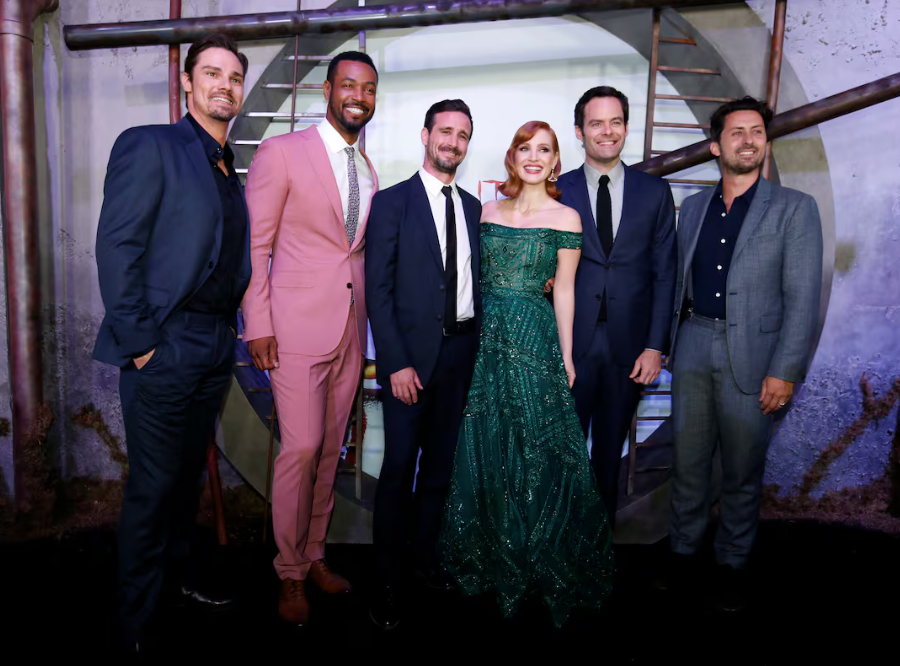
Some actors become famous because they are always at the center of attention.
Others leave their mark in a different way.
They appear in memorable scenes, disappear into complicated characters, and somehow make even a supporting role feel important. James Ransone belonged to that second group.
For many television viewers, his name immediately brings back memories of The Wire, where he played Ziggy Sobotka, a complicated and deeply human character whose story became one of the show’s most memorable threads.
For film audiences, he was recognizable from projects such as The Black Phone, It Chapter Two, Sinister, Generation Kill, and Inside Man.
Across television and film, Ransone developed a reputation for bringing intensity, vulnerability, and individuality to his performances.
His passing at the age of 46 has prompted an outpouring of memories from fellow actors, directors, and fans who admired his work.
Rather than focusing only on the circumstances surrounding his passing, his career offers a more meaningful way to remember him: through the characters he created, the projects he contributed to, and the people who continue to speak warmly about him.
A Career Built on Unforgettable Characters
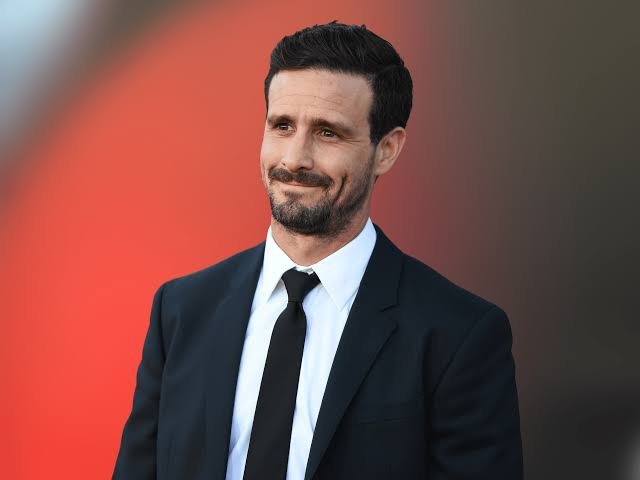
James Ransone was born in Maryland in 1979 and eventually built a career that stretched across television, independent cinema, major studio productions, and streaming projects.
He was rarely limited to one particular type of role.
That versatility became one of his greatest strengths.
He could play someone awkward and uncertain in one project and then appear as a much more confident or intimidating character in another.
This ability to disappear into different personalities helped him work across a wide variety of genres.
Drama.
Crime stories.
Thrillers.
Horror.
Comedy.
Television series.
Independent films.
Rather than relying on one signature character, Ransone continued exploring different roles throughout his career.
The Role That Introduced Him to Many Viewers
For many fans, Ransone will always be associated with Ziggy Sobotka in The Wire.
The acclaimed HBO series examined different parts of life in Baltimore, including law enforcement, politics, education, journalism, and the city’s working communities.
Ransone’s Ziggy was one of the show’s more complicated characters.
He was imperfect, frequently uncertain, and often desperate to prove himself.
That complexity made the character memorable.
Ransone did not portray Ziggy as simply one thing.
Instead, he gave the character a mixture of humor, insecurity, frustration, and vulnerability.
The performance demonstrated something that would become a defining feature of Ransone’s career.
He understood how to make complicated characters feel human.
From Television to the Big Screen
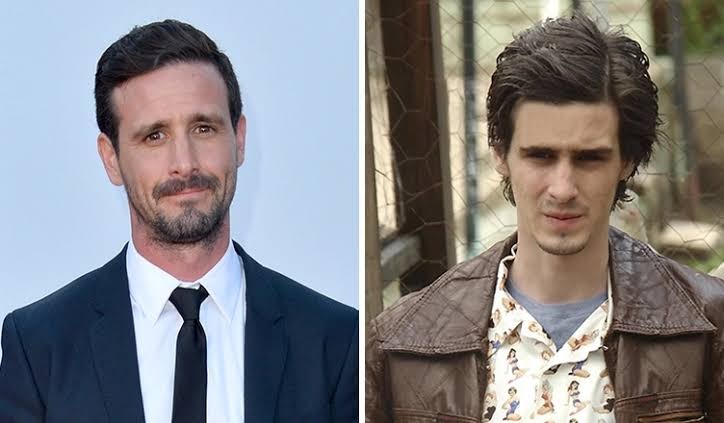
After The Wire, Ransone continued appearing in a wide range of productions.
His credits included Generation Kill, the acclaimed HBO miniseries based on the experiences of U.S. Marines during the Iraq War.
He also appeared in films such as Prom Night, Inside Man, Sinister, It Chapter Two, and The Black Phone.
Each project introduced him to different audiences.
Some viewers recognized him immediately.
Others may have watched a film without realizing that the same actor had appeared in one of their favorite television series years earlier.
That is often the sign of a versatile performer.
The audience remembers the character before remembering the actor’s name.
A Memorable Presence in Horror
Ransone became particularly recognizable to younger audiences through horror and suspense projects.
His appearance in Sinister helped establish another side of his screen presence.
Later, his role in The Black Phone brought him to an even wider audience.
The film became a notable modern thriller and introduced Ransone’s work to viewers who may not have known him from The Wire.
He returned for the sequel, continuing a connection with the franchise and its cast.
For many fans, these roles became another reminder of his ability to make supporting characters feel distinctive.
Working With Acclaimed Filmmakers
Ransone also worked with respected filmmakers throughout his career.
Among them was Spike Lee, with whom he appeared in projects including Red Hook Summer and Oldboy.
His collaborations extended beyond major studio productions.
He also worked with independent filmmakers whose projects relied heavily on character-driven performances.
That balance between mainstream productions and independent cinema gave his career a distinctive quality.
He could move between different filmmaking environments without being defined by one particular genre.
His Connection to Poker Face
In later years, Ransone appeared in Poker Face, the mystery series created by Rian Johnson and starring Natasha Lyonne.
The series became known for its unusual storytelling structure, memorable guest performances, and blend of mystery, comedy, and drama.
Ransone’s appearance gave another generation of viewers the opportunity to discover his work.
His career therefore continued evolving rather than remaining tied exclusively to the projects that first made him recognizable.
A Performer Who Made Supporting Roles Matter
One of the most interesting things about Ransone’s career is that he was not always the central character.
Yet his performances often stayed with viewers.
That is a difficult quality to define.
Some actors command attention simply by being on screen.
Others create characters that feel as though they existed before the camera arrived and would continue existing after the scene ended.
Ransone often belonged to the latter category.
His characters could be uncomfortable, funny, unpredictable, vulnerable, or complicated.
But they rarely felt generic.
That quality is part of what made his performances memorable.
Beyond the Characters
Like many performers, Ransone also spoke publicly about difficult experiences in his personal life.
He had previously discussed painful experiences from his childhood and the challenges that followed.
Those conversations offered another perspective on someone whose professional work often explored complicated human experiences.
However, a person’s private struggles should not become the only lens through which their life is remembered.
An actor is more than the difficult chapters of their biography.
Ransone was also a son, husband, father, friend, colleague, and working artist.
Most importantly, he spent decades creating performances that became meaningful to audiences.
The Tributes From Fellow Artists
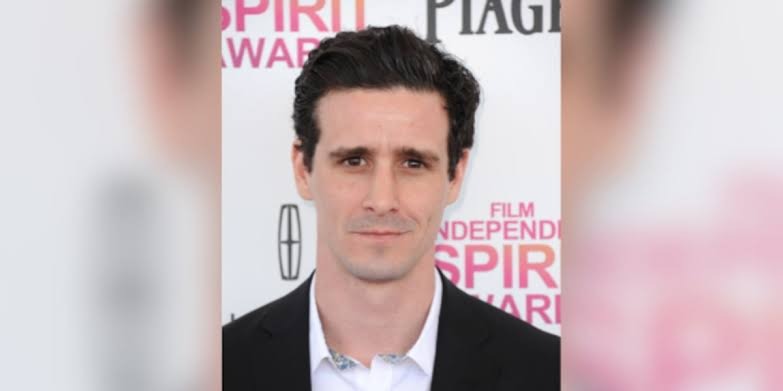
Following news of his passing, colleagues and collaborators shared memories of Ransone across social media.
Actors who had worked alongside him remembered his warmth and talent.
Directors spoke about their experiences collaborating with him.
Fans revisited scenes from his most recognizable projects.
These tributes reveal something that statistics and filmographies cannot.
They show how an actor’s professional life can create connections far beyond the screen.
A performance may take only a few minutes to film.
But for the audience, it can remain memorable for years.
Why The Wire Still Matters
For many viewers, The Wire remains one of television’s most influential dramas.
Its strength came partly from its large ensemble cast.
Rather than presenting every character as simply good or bad, the series explored people shaped by their environments, choices, relationships, and circumstances.
Ransone’s performance as Ziggy fit naturally into that world.
The character was flawed, but he was also recognizable as a person trying to find his place.
That complexity helped make the role memorable.
Years after the series ended, viewers continue discussing its characters.
That longevity is one measure of the impact of Ransone’s performance.
A Career That Refused to Stay in One Place
It would be easy to remember Ransone only for The Wire.
But doing so would overlook much of his career.
He continued working for decades afterward.
He appeared in television series.
He worked in independent films.
He participated in major productions.
He explored different genres.
He worked with established directors and younger filmmakers.
His career was not defined by one moment.
It was built gradually through dozens of performances.
That is perhaps the more meaningful way to view his professional legacy.
The Importance of Character Actors
Hollywood often celebrates leading performers.
But films and television shows depend heavily on character actors.
These performers create the people who make fictional worlds feel populated and believable.
They may appear for only a few scenes.
They may not receive the biggest promotional campaigns.
But without them, stories often feel incomplete.
Ransone understood this kind of work.
He brought specific details to his performances that helped audiences remember his characters.
That contribution should not be underestimated.
Remembering the Person Behind the Roles
When a familiar actor passes away, audiences often return to old films and television episodes.
A scene that once seemed ordinary can suddenly feel different.
A line becomes more memorable.
A character’s expression carries new emotional weight.
This is one of the strange ways art connects people across time.
The performer may have filmed a scene years earlier, but the audience experiences it again in the present.
Ransone’s work will continue to exist in that way.
Viewers discovering The Wire for the first time will still meet Ziggy.
Fans watching The Black Phone will still recognize his performance.
People revisiting his other projects will continue finding moments that remind them why they remembered him.
A Legacy Larger Than One Role
An actor’s legacy is not always measured by awards.
Sometimes it is measured by recognition.
By the number of people who remember a character.
By the colleagues who speak warmly about working together.
By the younger performers who were influenced by someone’s approach to the craft.
By the simple fact that years after a project ends, audiences still care.
James Ransone’s career contained many such moments.
He created characters that were imperfect and distinctive.
He worked across different genres.
He remained active for many years.
And he became part of several projects that continue to attract new audiences.
Looking Back at His Work
The most meaningful way to remember an actor is often to return to the work itself.
Watch an episode.
Revisit a film.
Notice the small details in a performance that may have been overlooked the first time.
Look at how a character moves, speaks, reacts, and interacts with everyone around them.
That is where an actor’s craft truly lives.
For Ransone, there is a substantial body of work to revisit.
From The Wire to Generation Kill, from independent films to major productions, his career reflected an actor who was willing to take on very different characters.
That variety is part of what makes his filmography worth remembering.
A Lasting Connection With Audiences
Actors rarely know exactly which performances will stay with audiences.
A role that seems like another job during production can become someone’s favorite character years later.
A single scene can become a reference point.
A television series can introduce an actor to millions of people.
A later film can introduce the same performer to a completely new generation.
Ransone experienced that kind of continuing recognition throughout his career.
His work crossed generations of viewers and different forms of entertainment.
Remembering the Work With Respect
When discussing the passing of a public figure, it is important to balance public interest with compassion.
People naturally want to understand what happened.
But there is also value in remembering the person’s life beyond the circumstances surrounding their passing.
In Ransone’s case, that means looking at his career, his creative collaborations, his family, and the many performances that shaped how audiences remember him.
It also means allowing his loved ones privacy during a difficult period.
A public career does not make every part of a person’s private life public property.
The Characters Remain
Years from now, someone who has never heard the name James Ransone may start watching The Wire.
They will meet Ziggy Sobotka.
They may laugh at him.
They may become frustrated with him.
They may feel sympathy for him.
They may wonder why the character behaves the way he does.
And eventually, they may search for the actor who played him.
That is one of the quietest forms of an artistic legacy.
The work continues introducing the artist to people who were not there when it was created.
The same is true of his films and later television appearances.
The audience changes.
The performance remains.
A Career Worth Remembering
James Ransone’s career was not defined by one genre, one studio, or one character.
It was defined by variety.
He played complicated people.
He moved between television and film.
He worked with major directors and independent filmmakers.
He became recognizable to audiences through projects that continue to be discussed and revisited.
For fans, remembering him does not have to mean focusing on the most difficult aspects of his story.
It can mean returning to the performances that made people notice him in the first place.
It can mean remembering the humor, vulnerability, intensity, and individuality he brought to his characters.
And it can mean acknowledging the people who knew him personally and continue to remember him with affection.
A Final Reflection
An actor’s work has a unique kind of permanence.
A performance is created at one point in time, yet it can continue reaching people years later.
Someone watching The Wire today experiences a performance that was created decades ago.
Someone discovering The Black Phone encounters another chapter of the same actor’s career.
That connection between artist and audience can continue long after the cameras have stopped rolling.
James Ransone leaves behind a body of work that reflects a career built on memorable characters and varied performances.
For those who admired him, the most fitting tribute may simply be to remember the work.
To revisit the characters.
To appreciate the craft.
And to recognize that behind every memorable performance was an actor who spent years bringing fictional people to life.
That is how artists continue to speak to audiences.
Not through headlines alone, but through the stories they helped create.
And sometimes, the most lasting legacy is simply this: years later, someone watches a scene, recognizes a familiar face, and remembers why that performance mattered.