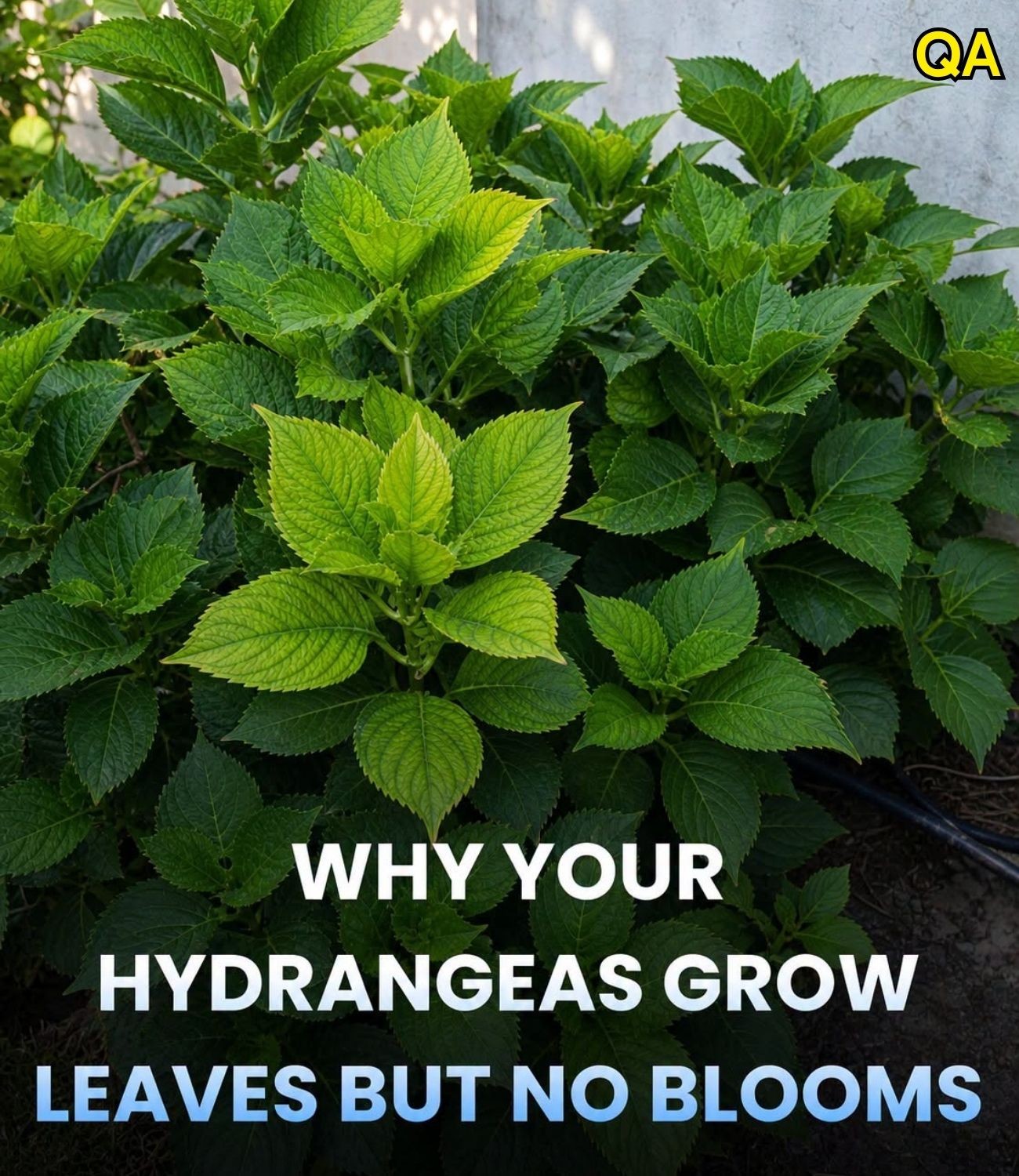
Hydrangeas are often the stars of a summer garden.
When they’re healthy and happy, their large flower heads can transform an ordinary yard into a colorful display. But when a hydrangea produces plenty of green leaves and almost no flowers, it’s easy to wonder what went wrong.
Before blaming the soil, the weather or the plant itself, take a closer look at your pruning habits.
The problem may be your pruning shears.
One poorly timed cut can remove flower buds that the plant has already spent months developing. And because different types of hydrangeas bloom on different kinds of wood, knowing when and how to prune them is more important than many gardeners realize.
Here are seven common pruning mistakes that could be keeping your hydrangeas from blooming.
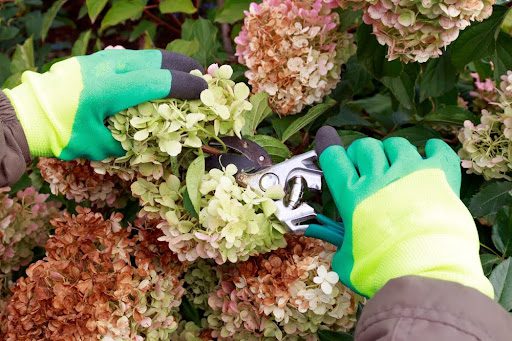
1. Pruning at the Wrong Time
Timing is arguably the biggest pruning mistake gardeners make with hydrangeas.
Not every hydrangea follows the same flowering schedule. Some varieties produce flower buds on old wood, meaning growth that developed during the previous season. Others bloom on new wood, or stems that grow during the current season.
If you prune an old-wood bloomer at the wrong time, you may accidentally remove the very buds that would have produced flowers.
The result can be frustrating.
The plant looks healthy.
New leaves appear.
The stems grow.
But summer arrives, and the flowers never do.
Before reaching for your shears, identify which type of hydrangea you have and learn when that particular variety forms its flower buds.
2. Treating Every Hydrangea the Same
A common gardening assumption is that all hydrangeas should be pruned using the same method.
They shouldn’t.
Hydrangeas include several popular types, including bigleaf, mountain, smooth, panicle and oakleaf varieties. Their flowering habits can differ considerably.
For example, many bigleaf and oakleaf hydrangeas flower primarily on old wood, while smooth and panicle hydrangeas generally flower on new wood.
That difference matters.
A pruning routine that works beautifully for one plant can leave another with very few flowers.
If you’re unsure about your variety, check the plant label, consult a reputable nursery or identify the cultivar before making major cuts.
Taking a few minutes to learn what you’re growing can save you from an entire season of disappointment.
3. Cutting Too Much
Another mistake is assuming that more pruning automatically produces a healthier, fuller plant.
It doesn’t.
Aggressive pruning can remove a large portion of the plant’s potential flowering wood.
Hydrangeas don’t necessarily need to be cut back dramatically every year.
In many cases, pruning should focus on removing dead, damaged or weak growth and shaping the plant when necessary.
Cutting healthy stems simply because they look too long can reduce the number of flowers you’ll see later.
Think of pruning as selective maintenance rather than giving the plant an annual haircut.
The goal isn’t necessarily to remove as much as possible.
The goal is to remove what the plant doesn’t need while preserving healthy growth that can produce flowers.

4. Removing Flower Buds Without Realizing It
This mistake can happen surprisingly easily.
Flower buds aren’t always obvious.
Depending on the hydrangea variety and the season, buds may be small and easy to overlook.
A gardener sees a long stem and decides it needs to be shortened.
One cut later, a developing flower bud is sitting on the ground.
The plant may continue growing perfectly well, but the potential flower is gone.
This is especially important with varieties that bloom on old wood.
If you’re pruning these plants, examine the stems carefully before cutting.
Look for healthy growth and developing buds.
When in doubt, make fewer cuts rather than more.
5. Pruning Before Winter Without Knowing Your Variety
Preparing the garden for winter can become an annual ritual.
Gardeners clean up fallen leaves, cut back plants and remove old growth.
But hydrangeas shouldn’t automatically be cut down simply because autumn has arrived.
For varieties that flower on old wood, removing stems in fall or winter can eliminate next year’s flower buds.
This can lead to the classic hydrangea mystery:
“Why did my hydrangea bloom last year but not this year?”
The answer may be that its flower-bearing stems were removed months earlier.
That doesn’t mean hydrangeas should never be pruned before winter. The appropriate approach depends on the variety and local growing conditions.
The important point is to avoid treating seasonal cleanup as an automatic signal to cut everything back.
6. Ignoring Dead or Damaged Wood
While over-pruning can cause problems, avoiding pruning altogether isn’t always ideal either.
Dead, broken or severely damaged stems can make the plant look untidy and may interfere with healthy growth.
Removing clearly dead wood is generally one of the safer forms of pruning.
Start by examining each stem.
Healthy wood may show signs of life when appropriate for the season, while dead stems are often dry, brittle or visibly damaged.
Remove dead material carefully rather than cutting healthy stems simply for the sake of creating a uniform shape.
This approach can help keep the plant looking tidy while reducing the risk of accidentally removing productive growth.
7. Cutting Back Because the Plant Looks “Too Big”
Hydrangeas can become surprisingly large.
A plant that once fit neatly into a garden bed may eventually spread beyond its original space.
That’s when the temptation to cut it back dramatically becomes strong.
But size alone isn’t always a reason for severe pruning.
If a hydrangea has outgrown its location, repeated hard pruning may not be the best long-term solution.
Instead, consider whether the plant is growing in the right location in the first place.
When possible, choose a variety whose mature size suits the available space.
For established plants, selective pruning can help manage shape without removing excessive amounts of productive growth.
When Is the Best Time to Prune Hydrangeas?
There isn’t one universal pruning date for every hydrangea.
The correct timing depends primarily on how your plant flowers.
Hydrangeas that bloom on old wood are generally pruned after flowering, when necessary. This gives the plant time to produce new growth that can develop flower buds for the following season.
Hydrangeas that bloom on new wood are more tolerant of late-winter or early-spring pruning because their flowers develop on the current season’s growth.
This distinction is one of the most important things a gardener can learn.
If you remember only one rule, remember this:
Know whether your hydrangea blooms on old wood or new wood before you prune.

How to Prune Without Sacrificing Flowers
Once you’ve identified your hydrangea, pruning becomes much easier.
Start by examining the entire plant.
Don’t immediately begin cutting.
Look for:
-
Dead stems
-
Broken branches
-
Weak growth
-
Crossing stems
-
Overcrowded areas
-
Spent flowers
-
Healthy stems that may carry future blooms
Use clean, sharp pruning shears to make neat cuts.
Avoid tearing or crushing stems.
If you’re removing a branch, make the cut carefully rather than repeatedly hacking at the same area.
And remember that you don’t have to prune simply because spring or fall has arrived.
If the plant is healthy, appropriately sized and flowering well, minimal pruning may be all it needs.
What About Deadheading Hydrangeas?
Deadheading is different from major structural pruning.
It generally means removing spent flower heads after they have faded.
Whether and when you should deadhead depends on the hydrangea variety and your gardening goals.
Some gardeners remove faded flowers to keep plants looking tidy.
Others leave them in place because dried flower heads can provide winter interest.
If your hydrangea blooms on old wood, be especially careful about cutting stems below the faded flower head without understanding where next year’s buds are located.
A simple deadheading job can accidentally become much more aggressive pruning.
Why Your Hydrangea Has Leaves but No Flowers
If your plant looks green and healthy but refuses to bloom, pruning isn’t necessarily the only possible explanation.
Other factors can influence flowering.
These may include:
Too Much Shade
Hydrangeas generally prefer bright conditions, although the ideal amount of sunlight varies by type and climate.
A plant receiving too little light may produce plenty of foliage but fewer flowers.
Winter Damage
Cold temperatures can damage flower buds, particularly on varieties that form those buds on old wood.
A harsh winter can therefore produce disappointing blooms even when your pruning was perfect.
Improper Fertilization
Too much nitrogen can encourage leafy growth at the expense of flowers.
If your hydrangea looks exceptionally lush but produces few blooms, fertilizer may be one factor worth examining.
Water Stress
Hydrangeas generally appreciate consistent moisture.
Drought stress can affect overall plant health and flowering performance.
At the same time, poorly drained soil can create its own problems.
The Variety Itself
Sometimes the simplest explanation is that the plant is naturally less suited to your conditions.
Climate, cultivar, age and growing environment can all affect flowering.
That’s why it’s useful to look at the whole picture rather than assuming every no-flower problem is caused by pruning.
A Simple Hydrangea Pruning Checklist
Before making your first cut, ask yourself a few questions.
What type of hydrangea is this?
Does it bloom on old wood or new wood?
When did it flower last year?
Are the stems healthy or damaged?
Am I removing a flower-bearing stem?
Does the plant actually need major pruning?
These questions can prevent many common mistakes.
If you’re unsure, wait and research the specific variety before cutting.
There’s rarely a prize for finishing the pruning job fastest.
What to Do If You Already Pruned Too Much
Don’t panic.
If you’ve already cut back your hydrangea and it isn’t flowering as expected, the best response may simply be patience.
Healthy plants can recover and produce new growth.
Depending on the variety and how much was removed, flowering may be reduced for a season while the plant regrows.
Avoid trying to “fix” the problem by pruning even more.
Instead, focus on giving the plant appropriate light, water and general care.
Then identify the variety and adjust your pruning routine for the next season.
The Best Pruning Habit Is Knowing When to Stop
Pruning can feel productive.
You make a cut, see the plant taking shape and feel as though you’re helping it grow.
But with hydrangeas, restraint can be just as important as action.
A healthy plant doesn’t necessarily need to be dramatically reshaped every year.
Sometimes the best thing you can do with your pruning shears is put them down.
Watch the plant.
Learn when it flowers.
Understand where it produces buds.
Then remove only what genuinely needs to go.
Give Your Hydrangeas a Better Chance to Bloom
Hydrangeas don’t need complicated treatment to become beautiful garden plants.
They do, however, benefit from the right care at the right time.
The biggest pruning lesson is simple: there is no one-size-fits-all method.
Different hydrangeas bloom differently, and their pruning needs can vary.
Before you cut, identify your plant.
Before you remove a healthy stem, check whether it could carry next season’s flowers.
And before you dramatically cut the entire plant back, ask whether it actually needs such severe treatment.
Your hydrangea may not be failing you after all.
It may simply be waiting for you to stop cutting away the flowers you were hoping to see.
With a little patience, careful observation and variety-specific pruning, you can give your hydrangeas a much better chance of producing the colorful blooms that make them such a favorite in summer gardens.