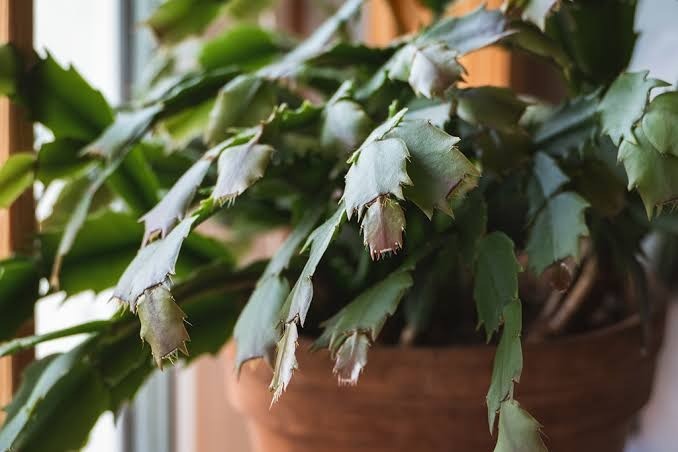
There is something especially disappointing about watching a healthy Christmas cactus slowly lose its firm, upright appearance.
At first, you may notice only one or two segments looking softer than usual. A few days later, several sections may begin drooping, leaving the plant looking tired and less vibrant.
The good news is that limp Christmas cactus leaves do not automatically mean the plant is beyond recovery.
In many cases, the cause can be traced to watering, light, temperature, soil or the condition of the roots. Once you identify the underlying problem, making a few changes can help the plant recover.
1. Too Much Water
One of the most common causes of limp growth in Christmas cactus is excessive watering.
Although Christmas cactus is a succulent, it comes from forest environments where it grows differently from desert cacti. It appreciates moisture but does not respond well to constantly saturated soil.
When the roots remain wet for too long, they may struggle to function properly. Persistent soggy soil can also encourage root problems.
How to fix it
Check the soil before watering again.
If the upper portion of the potting mix still feels noticeably damp, wait before adding more water.
Make sure the container has drainage holes so excess water can escape.
If the soil remains wet for an unusually long time, consider whether the pot is too large, the soil is too dense or the drainage is inadequate.
2. The Plant Is Too Dry
Ironically, underwatering can produce a similar appearance.
A Christmas cactus that does not receive enough water may develop limp, wrinkled or slightly shriveled segments.
The soil may feel very dry, and the plant can gradually lose its firmness.
How to fix it
If the soil is completely dry, water the plant thoroughly until some water begins draining from the bottom of the container.
Then allow excess water to drain away.
Avoid repeatedly adding tiny amounts of water without thoroughly moistening the soil, because this may not evenly hydrate the root system.
Afterward, monitor the plant rather than following a rigid calendar.
3. Poor Drainage
Sometimes the issue isn’t how frequently you water but how quickly the potting mix drains.
A dense soil mixture can retain moisture around the roots for too long.
Christmas cactus generally performs better in a well-draining growing medium.
How to fix it
Check the drainage holes underneath the pot.
Make sure they are not blocked by compacted soil or debris.
If water takes a very long time to pass through the container, repotting into a more suitable, well-draining mix may help.
When choosing a new container, avoid moving the plant into a dramatically larger pot. Excess soil around a relatively small root system can remain wet for longer.
4. Not Enough Light
Christmas cactus needs adequate light to grow well.
Although intense direct sunlight can damage its foliage, a location that is consistently too dark may contribute to weak or less vigorous growth.
A plant receiving insufficient light may also struggle to maintain its usual appearance.
How to fix it
Place the cactus somewhere with bright, indirect light.
A spot near a bright window can work well, provided the plant is protected from harsh, intense sunlight.
If the plant has been sitting in a particularly dark corner, gradually moving it toward brighter conditions can be preferable to making a sudden dramatic change.
5. Temperature Stress
Christmas cactus can react to sudden temperature changes.
Cold drafts near windows, heat from radiators, fireplaces or heating vents, and rapid changes between indoor and outdoor temperatures can all place stress on the plant.
How to fix it
Keep your Christmas cactus in a relatively stable indoor environment.
Avoid placing it directly beside heating vents or where cold air enters through frequently opened doors and windows.
Stable conditions are generally more helpful than repeatedly moving the plant between very different environments.

6. Root Problems
If watering and lighting appear appropriate but the plant continues to become limp, take a closer look at the roots.
Healthy roots generally provide the foundation for healthy growth.
When roots are damaged by prolonged moisture or other problems, the plant may struggle to absorb water and nutrients effectively.
This can sometimes create a confusing situation in which the soil is wet but the plant still appears dehydrated.
How to check
If you suspect a root problem, carefully remove the plant from its container and examine the root system.
Look for roots that appear healthy and firm rather than severely deteriorated.
If significant root damage is present, remove affected material with clean tools and repot the plant in fresh, well-draining growing medium.
Avoid immediately returning the plant to the same saturated soil.
7. The Plant May Simply Be Adjusting
Not every change in appearance means something is seriously wrong.
Christmas cactus can respond to changes in location, temperature, light and watering.
A plant recently brought home from a nursery or moved to a different room may need time to adjust.
Even changes in seasonal conditions can alter how quickly the potting mix dries.
Before making several major changes at once, observe the plant carefully.
Look at the soil.
Check the roots if necessary.
Consider the amount of light it receives.
Think about recent changes in temperature or location.
The pattern can provide useful clues.
How to Tell Whether You Are Overwatering or Underwatering
Because both problems can cause limp foliage, distinguishing between them is important.
If the soil is consistently wet and the plant looks soft, excessive moisture may be contributing to the problem.
If the soil is extremely dry and the segments appear wrinkled or dehydrated, insufficient watering may be more likely.
The easiest first step is therefore surprisingly simple:
Check the soil.
Don’t rely only on how the leaves look.
How Often Should You Water a Christmas Cactus?
There is no universal watering schedule that works for every Christmas cactus.
Indoor temperature, humidity, pot size, soil composition, season and light exposure all influence how quickly the soil dries.
Instead of watering automatically every few days, check the growing medium.
When the appropriate portion of the soil has dried, water thoroughly and allow excess water to drain away.
This approach is generally more reliable than following a fixed calendar.
Should You Repot a Limp Christmas Cactus?
Repotting can help when the existing soil drains poorly, the container has inadequate drainage or there are clear signs of root problems.
However, repotting a stressed plant unnecessarily can add another layer of stress.
If the soil is healthy, the roots look normal and the pot drains properly, correcting watering and light may be enough.
When repotting is necessary, choose a container with drainage holes and use a growing medium designed to drain efficiently.
Avoid Making Too Many Changes at Once
When a favorite plant suddenly looks unhealthy, it is tempting to change everything.
More water.
More fertilizer.
A new window.
A larger pot.
Extra humidity.
But making multiple changes simultaneously can make it difficult to determine what actually helped.
Instead, identify the most obvious issue and correct it first.
If the soil is saturated, address the watering and drainage.
If the plant is extremely dry, provide appropriate hydration.
If it is sitting in a dark location, improve its light conditions.
Then give the plant time to respond.
What About Fertilizer?
Fertilizer is not usually the first solution for a limp Christmas cactus.
If the problem is related to watering or roots, adding fertilizer will not correct the underlying issue.
In fact, fertilizing a severely stressed plant may not be helpful.
Once the plant is growing actively and appears healthy, a suitable houseplant fertilizer used according to its label directions can support normal growth.
But good light, appropriate watering and healthy roots should come first.
Can a Limp Christmas Cactus Recover?
In many situations, yes.
Christmas cactus can be surprisingly resilient when its growing conditions are corrected.
The recovery process may not happen overnight.
Some damaged or weakened segments may remain affected, while new growth provides a clearer indication that the plant is improving.
Patience is important.
Plants respond to environmental changes gradually, so avoid assuming that a lack of immediate improvement means your efforts have failed.
Final Thoughts
A Christmas cactus with limp leaves can be worrying, especially when the plant looked healthy only a short time ago.
But limp segments are a symptom, not a diagnosis.
The most common possibilities include too much water, too little water, poor drainage, inadequate light, temperature stress and root problems.
Start with the basics.
Check the soil. Check the drainage. Check the light. Check the temperature.
Then make one thoughtful adjustment at a time.
With the right conditions and a little patience, your Christmas cactus may regain its healthy appearance and continue growing for many seasons to come.