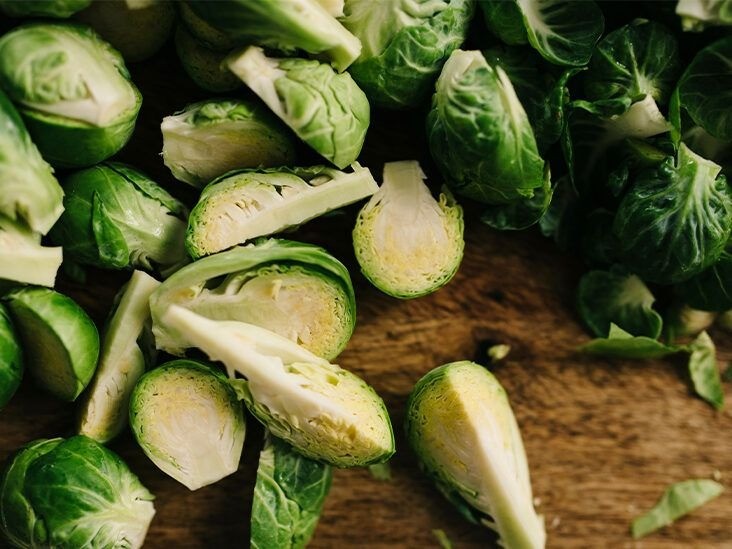
For generations, Brussels sprouts seemed to have a reputation they simply could not escape.
Mention them at the dinner table and someone might immediately remember the pale, soft vegetables served alongside a traditional meal, often boiled for far too long. For some people, that memory was enough to decide that Brussels sprouts were simply not worth eating.
But something changed.
Today, the same little green vegetables can be found roasted until their outer leaves become crisp, shaved into fresh salads, grilled, sautéed with herbs or incorporated into modern recipes.
So, are Brussels sprouts actually good?
The answer may depend less on the vegetable itself and more on how it is prepared.
What Exactly Are Brussels Sprouts?
Brussels sprouts belong to the same botanical family as several familiar vegetables, including cabbage, broccoli, cauliflower, kale and collard greens.
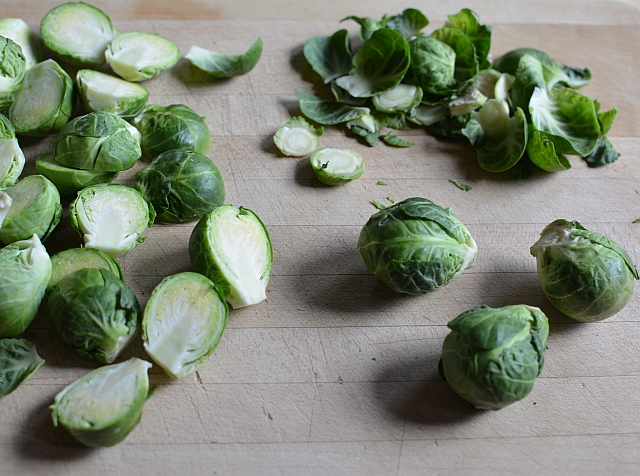
Instead of producing one large head like cabbage, the plant develops numerous small buds along a central stalk.
Each bud looks somewhat like a miniature cabbage.
The vegetable gets its name from Brussels, Belgium, where cultivation became particularly associated with the region centuries ago. Over time, Brussels sprouts spread throughout Europe and eventually became a familiar vegetable in kitchens around the world.
Their compact shape makes them convenient for roasting, steaming, sautéing and other cooking methods.
Why Did Brussels Sprouts Get Such a Bad Reputation?
The vegetable’s reputation may have more to do with traditional cooking methods than with the vegetable itself.
For much of the 20th century, boiling was a common way to prepare Brussels sprouts.
When cooked for too long, cruciferous vegetables can develop stronger sulfur-containing aromas.
That characteristic smell became strongly associated with Brussels sprouts.
For children growing up with overcooked vegetables on their plates, the experience could create a lasting impression.
In other words, the problem may not have been Brussels sprouts.
It may have been how they were cooked.
The Science Behind Their Distinctive Smell
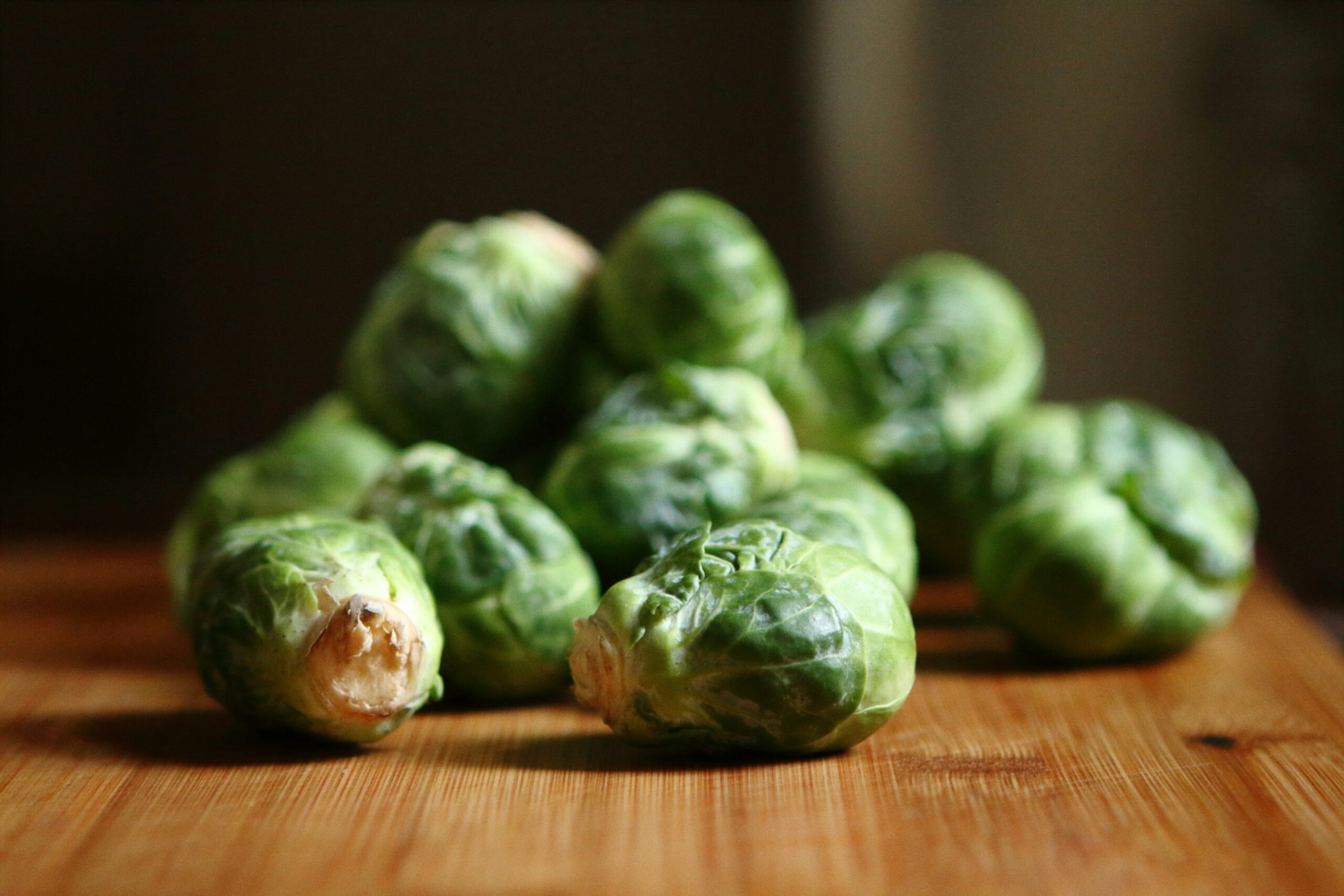
Brussels sprouts contain sulfur-containing compounds that contribute to their characteristic aroma.
These compounds are part of the chemistry that gives many cruciferous vegetables their distinctive flavors.
Cooking changes the structure and concentration of various compounds in vegetables.
Long cooking can produce stronger aromas, while roasting or sautéing can create different flavor characteristics through browning.
This helps explain why the same Brussels sprout can taste completely different depending on whether it has been boiled, roasted or grilled.
Roasting Can Completely Change the Experience
One of the simplest ways to prepare Brussels sprouts is roasting.
Cutting the sprouts in half exposes more surface area to the heat.
When they roast, the outer leaves can become crisp while the inside remains tender.
The natural sugars and proteins on the surface also participate in browning reactions, creating deeper flavors.
A simple combination of olive oil, herbs and seasoning can turn the vegetable into a very different dish from the soft sprouts many people remember from childhood.
Some cooks also add ingredients such as garlic, lemon, nuts or a small amount of cheese for additional flavor.
What About Raw Brussels Sprouts?
Brussels sprouts do not necessarily have to be cooked.
Thinly sliced raw sprouts can work well in salads because their firm texture provides plenty of crunch.
Instead of cutting them into large pieces, cooks can shave them into thin ribbons.
They can then be combined with ingredients such as apples, carrots, nuts, seeds or a simple vinaigrette.
The result is quite different from traditional cooked Brussels sprouts.
The flavor can be fresh, crisp and slightly peppery.

Brussels Sprouts Are Nutritionally Interesting
Beyond their reputation, Brussels sprouts are a nutrient-rich vegetable.
They provide dietary fiber and contain vitamin C, vitamin K, folate and other nutrients.
According to the U.S. Department of Agriculture, vegetables such as Brussels sprouts can contribute important vitamins, minerals and fiber to a balanced eating pattern.
Their fiber content can also contribute to overall digestive health as part of a varied diet.
Of course, no single vegetable provides every nutrient the body needs.
The best approach is to include a variety of vegetables, fruits, whole grains and other nutritious foods.
Why Brussels Sprouts Belong to the Cruciferous Family
Brussels sprouts are part of the cruciferous vegetable family.
This group includes broccoli, cabbage, cauliflower, kale, bok choy and several other vegetables.
Researchers have paid particular attention to cruciferous vegetables because they contain naturally occurring plant compounds, including glucosinolates.
When these vegetables are chopped or chewed, glucosinolates can break down into other compounds, including isothiocyanates and indoles.
These substances have been studied extensively in nutrition research.
However, it is important not to turn laboratory findings into exaggerated health claims.
Eating Brussels sprouts is not a substitute for medical treatment, and individual foods should be viewed as part of an overall dietary pattern.
Why Some People Love Them and Others Don’t
Taste is highly individual.
Some people enjoy the slightly bitter, earthy character of Brussels sprouts.
Others are particularly sensitive to bitter flavors and may find them unpleasant.
Genetics can influence how people perceive certain tastes and aromas.
Cooking also matters.
A person who dislikes boiled Brussels sprouts might enjoy roasted sprouts with crisp edges.
Someone who dislikes roasted vegetables might prefer them thinly sliced into a salad.
This is one reason it can be useful to experiment with preparation methods before deciding that a particular vegetable is simply not for you.
The Brussels Sprout Renaissance
Restaurants have played a major role in changing the vegetable’s image.
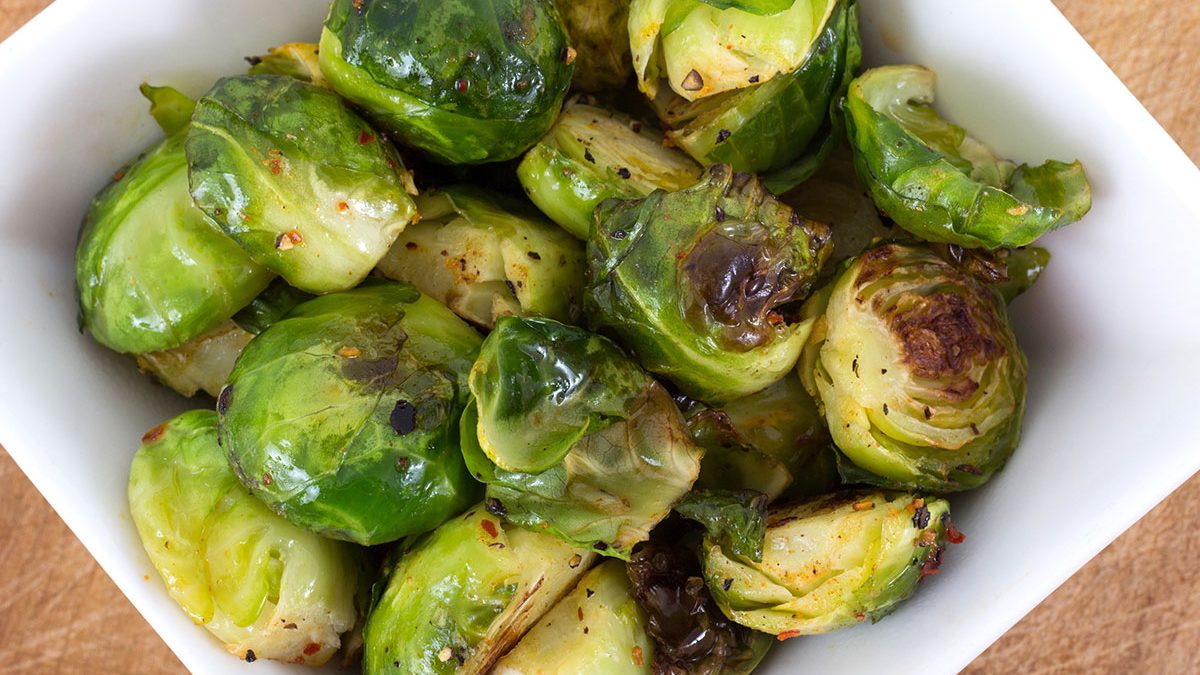
Over the last several years, Brussels sprouts have increasingly appeared on restaurant menus as roasted or grilled side dishes.
Chefs discovered that high-heat cooking could transform their texture and flavor.
The vegetable became associated with crisp leaves, caramelized edges and flavorful toppings rather than the soft texture of traditional preparations.
Social media also helped.
Photos of beautifully roasted Brussels sprouts made the vegetable look far more appealing than the boiled versions many people remembered.
A Simple Way to Give Them Another Chance
If you have not enjoyed Brussels sprouts in the past, try a very simple preparation.
Trim the ends and remove any damaged outer leaves.
Cut the sprouts in half.
Toss them lightly with olive oil and seasoning.
Place them cut-side down on a baking sheet.
Roast until the outer leaves are browned and the centers are tender.
A little lemon juice added afterward can provide brightness.
The goal is not to hide the vegetable’s natural flavor.
It is to create a balance between its earthy character and the sweetness and crispness produced through roasting.
Are Frozen Brussels Sprouts Worth Trying?
Fresh Brussels sprouts are not the only option.
Frozen vegetables can be convenient and can retain substantial nutritional value because they are often processed relatively soon after harvesting.
The main difference is usually texture.
Frozen Brussels sprouts may become softer during cooking than fresh ones.
They can still work well in soups, stews and other dishes where texture is less important.
For roasting, fresh sprouts may provide a crisper result, although frozen vegetables can also be prepared successfully with the right technique.
Choosing Good Brussels Sprouts
When buying fresh Brussels sprouts, look for firm, compact vegetables with tightly packed leaves.
They should generally feel solid rather than soft.
Smaller sprouts are sometimes described as milder, although flavor depends on several factors, including freshness and preparation.
If you are buying them on a stalk, look for sprouts that appear firm and fresh rather than wilted.
Keeping them refrigerated helps maintain quality.
Can You Eat Too Many?
Like many high-fiber vegetables, Brussels sprouts can cause digestive discomfort for some people if eaten in large quantities.
Cruciferous vegetables contain certain carbohydrates and fibers that can be fermented by gut bacteria.
This can contribute to gas or bloating in people who are particularly sensitive.
That does not make Brussels sprouts unhealthy.
It simply means that individual tolerance varies.
If you are increasing your vegetable intake, gradually adding more fiber can be easier for your digestive system than suddenly consuming large quantities.
The Myth That Brussels Sprouts Are Naturally Unpleasant
Perhaps the biggest misconception about Brussels sprouts is that they are inherently bitter and unpleasant.
That idea is difficult to support when considering the enormous variety of ways they can be prepared.
Roasting produces one flavor profile.
Steaming produces another.
Grilling creates smoky notes.
Raw preparation provides crunch.
Shaving them into salads creates yet another experience.
The vegetable has not changed.
The cooking method has.
Why Childhood Food Memories Can Last So Long
There is also a psychological element to the Brussels sprout story.
Food memories can be remarkably powerful.
If someone repeatedly encounters an unpleasant dish during childhood, the smell or appearance of that food may continue to trigger the same reaction years later.
This is not unique to Brussels sprouts.
People develop strong preferences for many foods based on childhood experiences, family traditions and cultural expectations.
That means a person who says, “I hate Brussels sprouts,” may actually mean, “I hate the way I remember Brussels sprouts being prepared.”
Those are two very different statements.
Should You Give Brussels Sprouts Another Try?
If your previous experience involved soft, overcooked Brussels sprouts, trying them again could be worthwhile.
Try roasting them.
Try them raw in a salad.
Try combining them with flavors you already enjoy.
You may still dislike them.
And that’s perfectly fine.
Healthy eating does not require enjoying every vegetable.
There are plenty of alternatives, including broccoli, cabbage, spinach, carrots, green beans, peppers and many others.
The goal is variety rather than forcing yourself to eat one particular food.
Conclusion: Maybe Brussels Sprouts Were Never the Problem
So, does anyone actually eat Brussels sprouts?
Absolutely.
Millions of people enjoy them, and their appearance on restaurant menus suggests that the vegetable’s reputation has changed considerably.
The transformation is a useful reminder that food is often about preparation.
A vegetable that once seemed boring can become crisp and flavorful when cooked differently.
A food that seemed unpleasant as a child can become enjoyable as an adult.
And sometimes, the difference between “I hate this” and “I actually like this” is nothing more complicated than trying it one more time.
Perhaps Brussels sprouts were never destined to be the villain of the dinner table.
Perhaps they were simply waiting for someone to stop boiling them for quite so long.