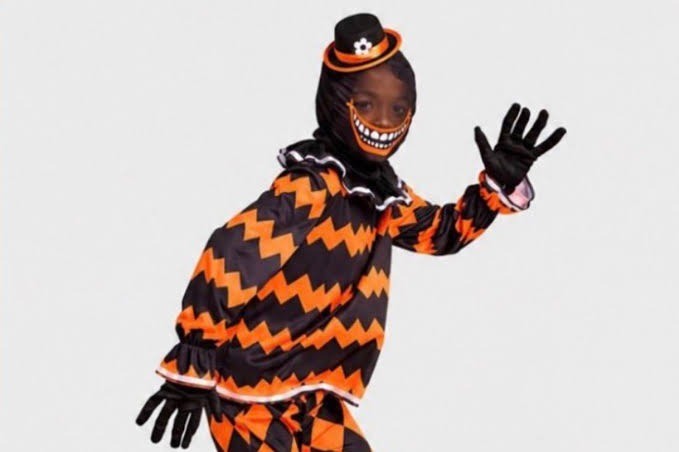
It began with a Halloween costume listing.
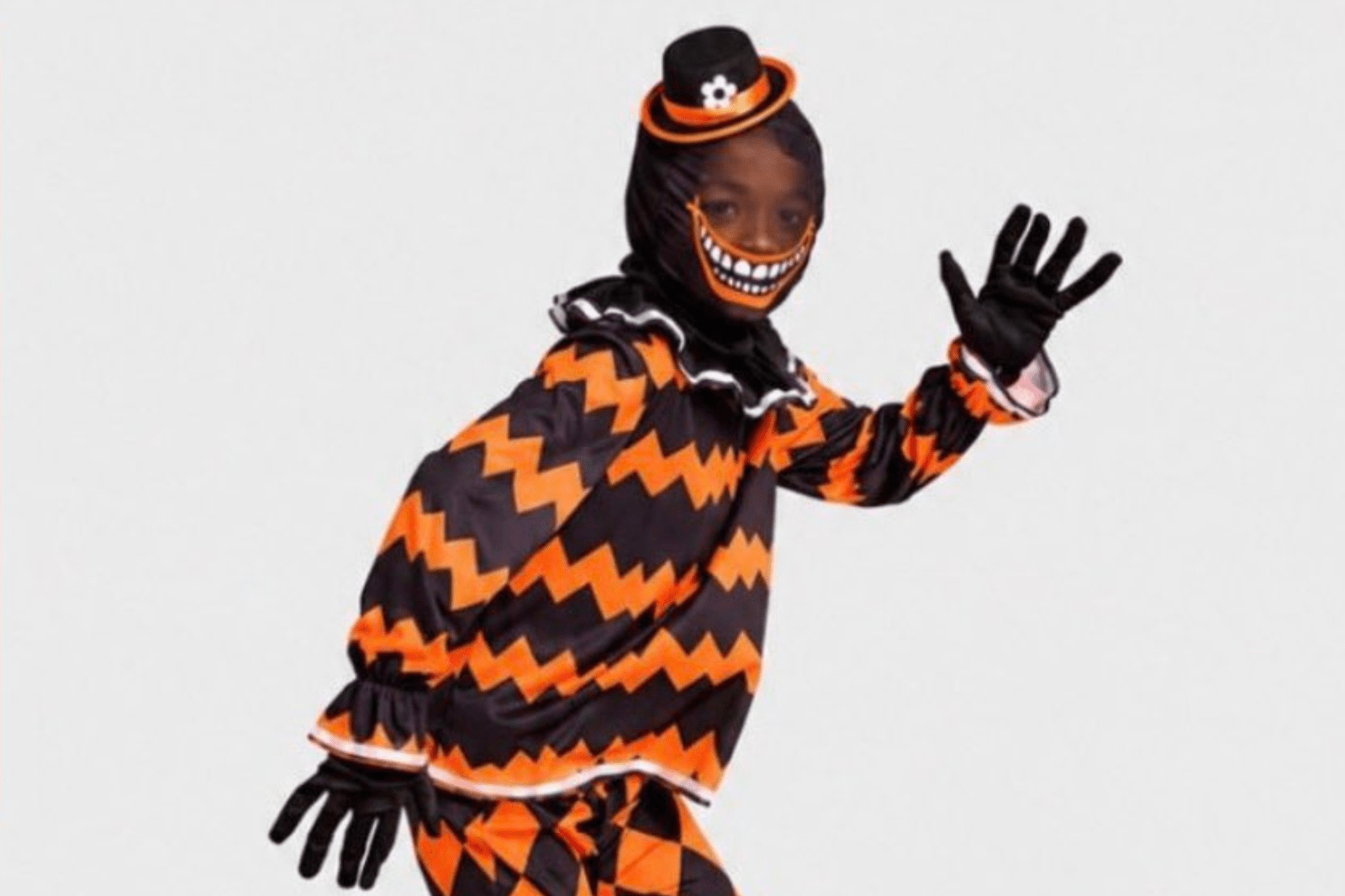
At first glance, the outfit appeared to be another playful seasonal design aimed at children. It featured orange and black patterns, a frilled collar, a small hat and a theatrical mask. But after images of the costume circulated online, many social media users said the design reminded them of racist minstrel imagery from American history.
The reaction was swift.
Target removed the costume from its website and acknowledged that the product should never have been included in its assortment. The company apologized to Black customers, employees and partners and said it would examine how the product reached its shelves and what changes might be necessary.
The episode raises a broader question that goes beyond one Halloween product: How should modern companies recognize historical and cultural associations that may not be obvious from a design alone?
Understanding that question requires looking at both the history behind the imagery and the way visual symbols can carry different meanings across generations.
What Happened With the Target Halloween Costume?
According to Target’s statement, the company removed a Halloween costume after concerns were raised about its appearance and historical associations.
Images of the costume circulated across social media, where some users compared its styling and the model’s pose to imagery associated with blackface and minstrel performances.
The comparison generated considerable discussion online.
Target subsequently acknowledged the concern, stating that the costume was offensive and should not have been part of its product assortment. The company said removing it was an initial step and that it would investigate how the product was approved.
The controversy illustrates how quickly a product can move from a retail listing to a much larger cultural conversation once images are shared online.
Why Minstrel Imagery Has Such a Significant Historical Meaning
To understand why the costume generated such a strong reaction, it is important to understand the history of blackface and minstrel performance in the United States.
Minstrel shows became popular during the 19th century. White performers frequently darkened their faces and portrayed Black people through exaggerated stereotypes.
These performances presented fictionalized versions of Black Americans as comic characters and relied on caricatures involving appearance, speech, behavior and social roles.
Although some audiences historically viewed these performances as entertainment, their cultural impact was much more serious.
They helped spread harmful stereotypes and contributed to a broader environment in which Black Americans were represented through degrading caricatures rather than as individuals with complex identities.
The Smithsonian’s National Museum of African American History and Culture documents the long history and cultural impact of blackface and minstrelsy in the United States.
Why Historical Context Still Matters Today
A costume created decades after the height of minstrel entertainment does not automatically have the same intention as a historical minstrel performance.
That distinction is important.
Designers may create a costume intending it to look theatrical, humorous or vintage without consciously referencing a particular historical tradition.
However, intention is only one part of how an image is interpreted.
A visual design can acquire meanings through history.
For communities that have encountered a particular image repeatedly in discriminatory or degrading contexts, a seemingly harmless modern design can evoke memories and associations that other viewers may not recognize.
This is one reason cultural context matters when companies create products for a broad audience.
The Difference Between Intent and Impact
One of the most interesting aspects of the Target controversy is the distinction between intent and impact.
A company may not intend to offend anyone.
Nevertheless, consumers can reasonably point out that a product resembles imagery with a harmful historical background.
Both facts can exist at the same time.
It is possible to say that a company did not necessarily set out to create an offensive product while also acknowledging that the finished design had associations that should have been identified before release.
This distinction is increasingly important in advertising, fashion, entertainment and product design.
Why Social Media Amplified the Controversy
Without social media, a controversial retail product might have received limited attention.
Today, a single product photograph can be copied, reposted and discussed thousands of times within hours.
The Target costume became part of a much larger conversation after users began placing the product image alongside historical imagery.
Once those comparisons appeared, other users joined the discussion, offering criticism, explanations and suggestions for how the company should respond.
Social media can therefore act as both a discovery mechanism and a public accountability system.
It can bring attention to issues companies may have overlooked.
At the same time, online discussions can become highly polarized, making it difficult to distinguish factual criticism from speculation about a company’s intentions.
Target’s Response
Target’s response was relatively direct.
The company acknowledged the mistake, removed the product and apologized.
Its statement said:
“As a company, we know we got this wrong, and we are deeply sorry.”
Target also said the costume was offensive and should never have been included in its assortment.
The company indicated that removing the item was only the first step and that it would examine how the product was approved and determine what changes might prevent similar situations in the future.
That response raises an important question for modern retailers: What should happen after a product is found to have an unintended cultural association?
Why Product Review Processes Matter
Large retailers sell thousands of products across numerous categories.
Products can involve outside designers, manufacturers, marketing teams, photographers and merchandising departments.
That complexity means cultural review can become an important part of product development.
A design might appear harmless when considered in isolation.
But when combined with a particular pose, model, hairstyle, accessory, color scheme or marketing photograph, the overall presentation may communicate something very different.
This is particularly relevant for Halloween costumes because many designs intentionally draw upon historical figures, occupations, folklore, entertainment characters and cultural traditions.
Context can change meaning.
The Role of Diversity in Creative Decision-Making
Some social media users responding to the controversy argued that companies should have more diverse creative teams.
That argument reflects a broader principle in product development.
People from different cultural backgrounds may notice different associations in an image.
A design review involving individuals with varied experiences can therefore identify potential problems that a less diverse group might overlook.
This does not mean that one employee can automatically represent an entire community.
Rather, multiple perspectives can increase the likelihood that potential cultural concerns will be identified before a product reaches consumers.
Halloween Costumes and Cultural Sensitivity
Halloween has always involved imagination and transformation.
People dress as fictional characters, historical figures, professions, animals and familiar cultural symbols.
That creativity is part of the holiday’s appeal.
However, some forms of historical representation require additional care.
A costume can move from playful historical inspiration into insensitive territory when it relies on stereotypes associated with a marginalized community.
The challenge for designers is therefore not to eliminate creativity but to understand the cultural material they are using.
Research can help.
So can consultation and internal review.

Why Historical Education Can Prevent Modern Mistakes
One lesson from controversies like this is that historical education has practical value.
Understanding American history is not simply about remembering dates and famous individuals.
It also involves understanding how images, entertainment and popular culture shaped perceptions of different communities.
Blackface and minstrel imagery are examples of cultural symbols whose meaning cannot be fully understood without knowing their historical context.
The Library of Congress contains extensive historical material documenting African American representation and popular culture.
When designers understand that history, they are better positioned to recognize potentially problematic references.
Consumer Reactions Can Influence Corporate Decisions
Consumers have considerable influence over modern retail.
When enough customers raise concerns about a product, companies may reconsider whether it should remain available.
This is not unique to Target.
Retailers regularly respond to consumer feedback involving product quality, advertising, packaging, cultural representation and brand messaging.
The speed of social media has simply accelerated that process.
A customer can now photograph a product, explain their concern and reach a global audience almost immediately.
That can encourage companies to respond faster than traditional customer-service channels might have allowed.
Why Apologies Matter, But May Not End the Conversation
An apology can acknowledge harm, but it does not necessarily end public discussion.
In Target’s case, some social media users criticized the company even after the costume was removed.
Some questioned how the product had been approved in the first place.
Others argued that the company needed to reconsider its creative and review processes.
This reflects a common pattern in corporate controversies.
Consumers often want to know not only what happened, but also why it happened and what will change afterward.
A public apology addresses the immediate concern.
A meaningful review of internal processes addresses the underlying issue.
The Challenge of Judging Intent From a Photograph
One caution is particularly important.
A product photograph alone cannot establish what every person involved in creating or approving a product intended.
It is reasonable to discuss the historical associations of an image.
It is also reasonable to criticize a company’s decision.
But claims about deliberate intent require evidence.
This distinction helps keep public conversations grounded in facts rather than assumptions.
A design can be culturally insensitive without necessarily proving that everyone involved deliberately intended it to be so.
How Companies Can Learn From Cultural Controversies
There are several practical steps retailers can take when developing products with cultural or historical references.
First, companies can conduct historical research before approving designs.
Second, marketing photographs can be reviewed separately from the product itself.
Third, creative teams can include people with varied cultural experiences.
Fourth, companies can establish clear escalation procedures when employees raise concerns.
Finally, organizations can respond quickly when a legitimate issue emerges.
These steps cannot guarantee that every product will be interpreted positively.
But they can reduce the likelihood of obvious cultural mistakes.
A Broader Conversation About Representation
The Target controversy is ultimately part of a much larger conversation about representation.
Images influence how people understand themselves and others.
For generations, certain groups have been represented through stereotypes in entertainment, advertising and popular culture.
Modern companies therefore have an opportunity to approach representation more thoughtfully.
That does not mean every product needs to be completely free of humor, historical references or theatrical exaggeration.
Instead, it means understanding when a familiar visual tradition carries a historical meaning that may not be immediately obvious.
Conclusion: When a Costume Becomes a Cultural Conversation
What began as a Halloween costume listing became a much larger discussion about history, representation, corporate responsibility and the power of social media.
Target removed the product and apologized, acknowledging that the design was inappropriate.
The company’s next challenge is determining how the product passed through its review process and what can be learned from the controversy.
For consumers, the episode offers another reminder that visual symbols can carry meanings far beyond their original design.
For retailers, it demonstrates why cultural awareness can be an important part of product development.
And for society more broadly, controversies like this show why understanding history remains valuable.
A costume may be designed for one night of fun, but the images used to create it can carry decades or even centuries of cultural meaning.
Human curiosity often begins with a simple question: “What am I looking at?”
History encourages us to ask a second question: “What does this image mean, and why?”
That extra moment of curiosity can help designers, companies and consumers understand one another a little better.
Sources
- Target Corporate Statement
- Smithsonian National Museum of African American History and Culture: Blackface and Minstrelsy
- Library of Congress: African American Perspectives Collection