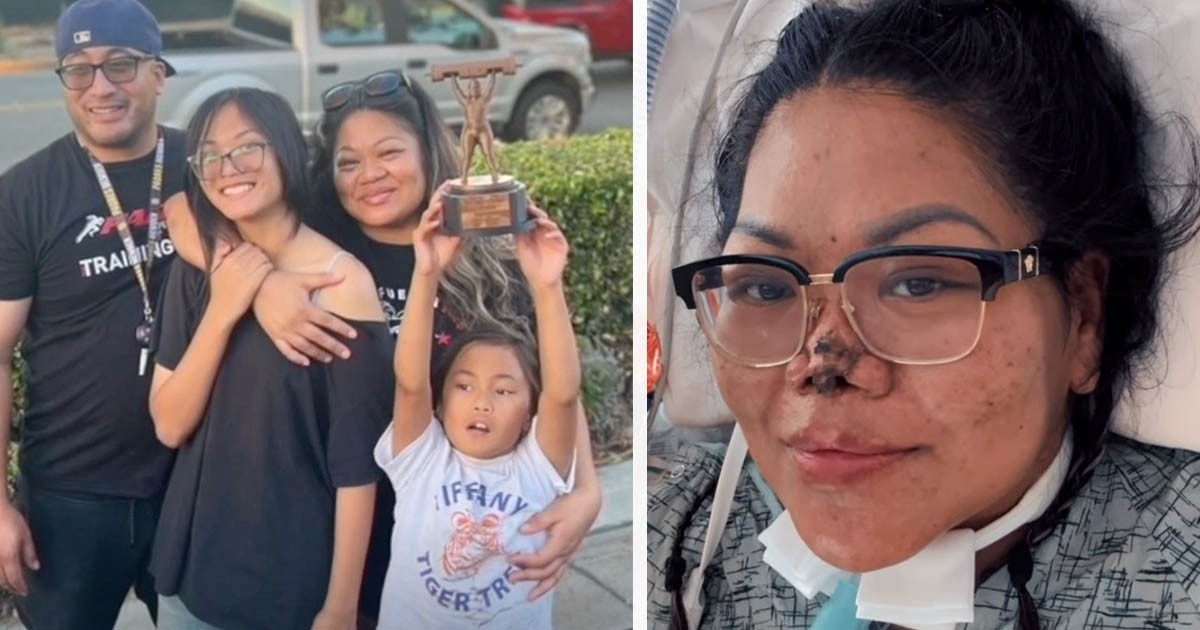
For Leslie Caoili, a routine medical checkup was supposed to be just that: routine.
Instead, the appointment led doctors to discover a serious problem involving her aorta, the body’s largest artery. Within hours, the healthy and competitive strength athlete from San Diego was facing emergency surgery and a completely unexpected medical journey.
According to reports from her family, Leslie underwent an operation lasting approximately eight and a half hours. The procedure ultimately saved her life, but complications affecting blood flow to her hands and feet later resulted in the amputation of both arms at the mid-forearm and both legs.
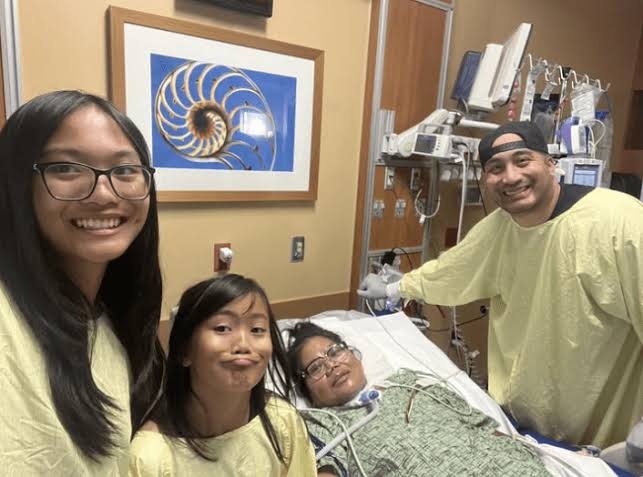
Now, after months in hospital, Leslie is preparing for another important milestone: returning home to her husband, Lee, their two daughters and their dog.
Her family’s focus has shifted from emergency medical care to rehabilitation, accessibility and rebuilding everyday life.
The story highlights not only the seriousness of aortic conditions, but also the remarkable adaptability of the human body and the importance of family and community support during long-term recovery.
A Routine Checkup Revealed an Unexpected Problem
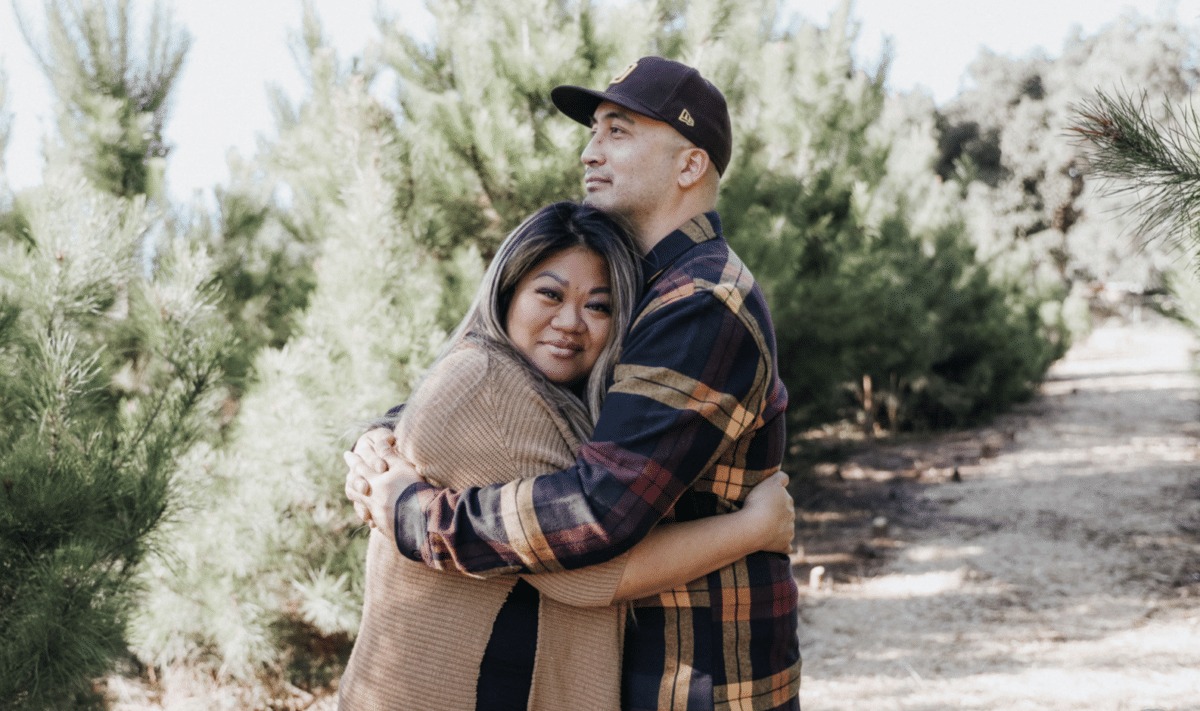
Leslie Caoili, 41, was reportedly healthy and physically active before doctors discovered a tear in her aorta in May.
The aorta carries oxygen-rich blood from the heart to the rest of the body. Because of its central role in circulation, certain aortic conditions can require immediate medical attention.
An aortic dissection occurs when a tear develops in the inner layer of the artery, allowing blood to enter the wall of the vessel and separate its layers.
Depending on where the tear occurs and how blood flow is affected, an aortic dissection can become a medical emergency.
In Leslie’s case, her husband Lee said doctors believed she had very little time and needed emergency surgery.
The operation reportedly lasted around eight and a half hours.
Although the surgery successfully addressed the immediate threat, the weeks afterward brought another series of serious complications.
How Blood Flow Can Affect the Limbs
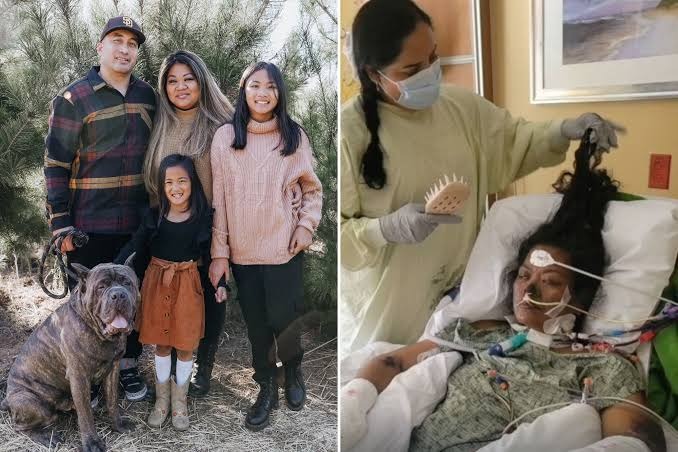
One of the most important lessons from Leslie’s experience is the relationship between the heart, major blood vessels and the body’s extremities.
Every cell in the body requires a continuous supply of oxygen and nutrients delivered through the bloodstream.
When blood flow to an arm or leg becomes severely restricted for an extended period, tissues can become damaged.
The precise mechanisms behind Leslie’s complications would require her medical team to explain them, and details from media reports do not provide a complete clinical record.
However, severe circulation problems are a recognized complication that can occur in complex vascular emergencies.
Her husband described the condition of her hands and feet deteriorating during the first month in hospital.
Eventually, doctors determined that amputations were necessary.
What Is an Aortic Dissection?
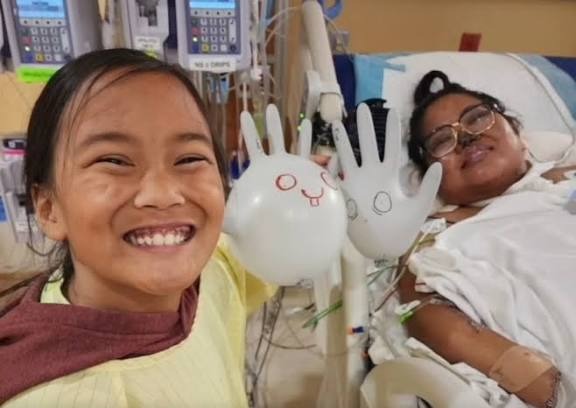
An aortic dissection occurs when blood enters a tear in the inner layer of the aortic wall and separates the layers of the artery.
The condition can occur in different parts of the aorta.
Some dissections involve the portion closest to the heart, while others affect sections farther down the vessel.
Treatment depends on factors including the location of the dissection, symptoms and whether important organs are receiving adequate blood flow.
According to the American Heart Association, acute aortic syndromes require rapid evaluation because complications can affect several organs and systems.
Treatment may involve emergency surgery, medications or other procedures depending on the individual circumstances.
Why Can an Aortic Problem Become So Serious?
The aorta is not simply another blood vessel.
It is the main artery carrying blood away from the heart before distributing it through progressively smaller arteries throughout the body.
A serious problem affecting the aorta can therefore have consequences beyond the vessel itself.
Branches of the aorta supply blood to the brain, kidneys, abdominal organs and limbs.
If blood flow through these pathways becomes disrupted, doctors must work quickly to protect the organs and tissues that depend on it.
This is one reason an aortic emergency can require complex treatment involving multiple medical specialists.
Emergency Surgery Can Be Only the Beginning
For many people, the word “surgery” suggests that the main problem is resolved once the operation is complete.
In complex medical emergencies, however, recovery may be much longer.
A successful procedure can address the immediate problem while the body still needs time to recover from the original condition and its complications.
Patients may require prolonged hospital stays, rehabilitation, physical therapy, occupational therapy and psychological support.
For Leslie, the months following her emergency surgery reportedly involved an extended period of hospitalization.
Her family’s focus now is shifting toward helping her transition back to everyday life.
That transition can be just as important as the medical treatment itself.
Adjusting to Life After Major Amputation
Losing a limb changes many aspects of daily living.
When someone loses more than one limb, everyday tasks can require extensive adaptation.
Activities such as transferring between a bed and wheelchair, moving through doorways, bathing, preparing meals and accessing household objects may all need to be reconsidered.
Rehabilitation specialists can help people develop new techniques and determine which assistive technologies may be useful.
The process is highly individual.
There is no single timeline for adaptation.
Some people may eventually use prosthetic limbs, while others may rely primarily on wheelchairs or other mobility equipment. Many people use a combination of technologies depending on the activity.
The objective is not necessarily to recreate life exactly as it was before.
Instead, rehabilitation often focuses on helping a person regain independence and participate in the activities that matter most to them.
Why the Family Home Matters
For Leslie, returning home is reportedly one of the most important goals.
But a home designed for someone without mobility limitations may present numerous obstacles for someone returning after major amputation.
Doorways may need to be widened.
Bathrooms may require accessible fixtures.
Floor surfaces may need to accommodate mobility equipment.
Electrical controls, countertops and storage areas may need to be repositioned.
Even apparently minor details, such as the height of light switches or the direction a door opens, can make a significant difference.
This is why Lee has appealed for skilled volunteers to help modify the family’s home.
The renovation is not simply about making the house look different.
It is about making everyday life possible.
Accessibility Can Restore Independence
Accessible design benefits more than just physical mobility.
When a home is designed around a person’s abilities, that person may be able to perform more tasks independently.
Independence can have a major psychological benefit.
Being able to enter a room without assistance, reach a necessary item or safely transfer between surfaces can provide a sense of control during an otherwise unpredictable period.
For someone recovering from a major medical event, these small victories can become important milestones.
Accessibility is therefore not simply a construction issue.
It is part of rehabilitation.
The Role of Rehabilitation
Rehabilitation after major amputation typically involves a multidisciplinary team.
Depending on individual needs, this can include physicians, physical therapists, occupational therapists, prosthetists and other specialists.
Physical therapy may focus on strength, balance, transfers and mobility.
Occupational therapy can focus on everyday activities and adapting the home environment.
Psychological support can also be valuable because major changes in physical ability can affect emotional wellbeing and identity.
Recovery is therefore not simply about learning to move differently.
It can involve learning how to approach daily life differently.
Technology Is Changing Amputation Rehabilitation
Modern rehabilitation offers more options than were available to previous generations.
Prosthetic technology has developed considerably, with devices designed for different purposes and activity levels.
Some prostheses are optimized for walking, while others are designed for specific activities.
Advanced prosthetic systems may incorporate electronic components and sensors that help users control movement.
However, prosthetics are not automatically the right choice for every person.
Their suitability depends on factors such as a person’s health, anatomy, rehabilitation goals and preferences.
For individuals with multiple limb amputations, rehabilitation planning can be especially individualized.
Returning Home Is an Emotional Milestone
After months in hospital, returning home can represent an enormous psychological milestone.
Hospitals provide continuous access to medical professionals, but they can also become highly structured environments.
Home represents something different.
It is where family routines take place.
It is where children grow up.
It is where ordinary moments such as eating breakfast together, watching television or spending time with a family pet can regain significance.
For Leslie, her husband said she wanted to return to her family and get back to living life “as normal as we can make it for her.”
That statement captures an important aspect of long-term recovery.
Normal may look different after a major medical event, but meaningful family life can continue.
Community Support Has Become Part of the Recovery
The Caoili family’s fundraising campaign has also demonstrated the role communities can play when a family experiences an unexpected medical crisis.
According to the family’s GoFundMe campaign, more than $100,000 had been raised at the time of the report.
The money is intended to help with medical, rehabilitation and household-related expenses.
Long hospital stays can create costs that extend well beyond medical bills.
Families may also face travel expenses, meals, parking, childcare, missed work and home modifications.
Financial support can therefore help reduce some of the pressure while allowing family members to focus on recovery.
The Importance of Family in Long-Term Recovery
Leslie’s husband has remained publicly involved in advocating for her needs.
His comments show how recovery affects an entire household.
When one family member experiences a major change in physical ability, other members may also need to adapt.
Parents may need to reconsider household routines.
Children may have questions.
Partners may take on new responsibilities.
The family itself becomes part of the rehabilitation environment.
This does not mean relatives have to manage everything alone.
Professional rehabilitation services and community resources can provide valuable assistance.
But emotional support from loved ones remains an important part of the journey.
Strength Can Mean Something Different
Before her medical emergency, Leslie was reportedly a competitive strength athlete.
Her physical strength was part of her identity and lifestyle.
Her recovery presents a very different kind of challenge.
Strength after a major medical event is not necessarily measured by how much weight someone can lift or how quickly they can return to exercise.
It can mean learning a new technique.
It can mean completing a rehabilitation session.
It can mean adapting to a new environment.
It can mean remaining patient when progress takes longer than expected.
Physical ability may change, but determination and identity do not have to disappear with it.
Why Stories Like Leslie’s Matter
Medical stories can sometimes focus heavily on the most dramatic aspect of a person’s experience.
But Leslie’s story is also about adaptation.
The emergency operation is only one chapter.
The hospital stay is another.
Now comes the process of returning home, adapting the family’s environment and establishing new routines.
That perspective is important because rehabilitation does not end when a patient leaves the hospital.
For many people, going home marks the beginning of another phase.
A Balanced Perspective on Unexpected Medical Emergencies
Leslie’s experience should not be interpreted as evidence that routine medical checkups are inherently dangerous.
Quite the opposite.
Her story illustrates why medical evaluation can sometimes identify serious conditions that require urgent attention.
At the same time, individual medical stories cannot tell us how likely a particular complication is for another person.
Aortic conditions vary widely.
Treatment outcomes vary.
Complications vary.
Every patient has a unique medical history.
For that reason, people should rely on qualified healthcare professionals rather than attempting to compare their own symptoms directly with someone else’s experience.
Conclusion: A New Chapter at Home
Leslie Caoili’s journey began with a medical discovery she could never have anticipated.
A routine checkup reportedly led to the identification of a serious aortic problem, followed by emergency surgery and a long period of recovery.
The complications that followed changed her physical abilities permanently.
Yet her story is not only about what she lost.
It is also about what comes next.
She is preparing to return home to her husband, daughters and dog. Her family is working to transform their home into an environment where she can regain independence and participate in everyday life.
That process will likely involve rehabilitation, new technology, practical adaptations and considerable patience.
The support of friends, volunteers and strangers has already become part of the family’s journey.
Perhaps the most powerful lesson is that recovery does not always mean returning to exactly the life someone had before.
Sometimes it means creating a new version of everyday life, one carefully adapted to new circumstances.
For Leslie and her family, the next chapter is beginning at home.
And while the road ahead may be long, every accessible doorway, every new skill and every ordinary family moment can represent another step toward rebuilding a life around what is possible.
Sources
- American Heart Association, Aortic Dissection.
- National Heart, Lung, and Blood Institute, information on aortic aneurysms and related conditions.
- Mayo Clinic, information on aortic dissection and treatment.
- American Academy of Orthotists and Prosthetists, resources on prosthetic rehabilitation.
- ABC 10News San Diego, reporting on Leslie Caoili’s medical journey and her family’s efforts to prepare their home.