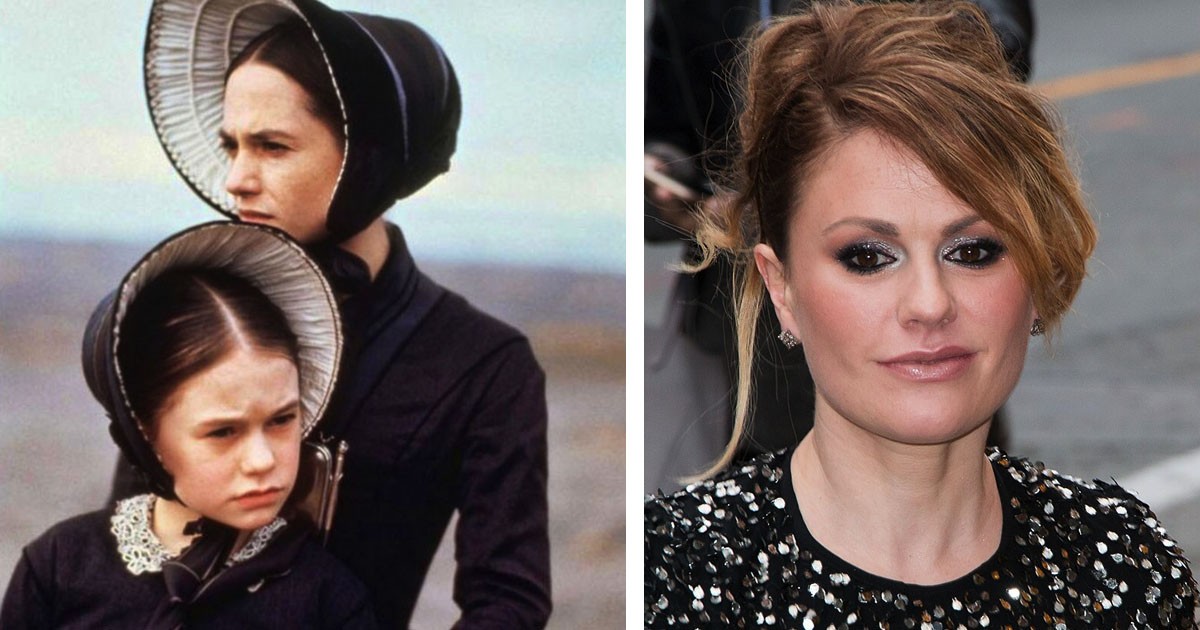
For some child stars, the cameras stop rolling long before the memories do.
At a young age, they learn how to memorize lines, stand beneath bright studio lights, answer questions from reporters, and perform in front of millions of people. To audiences, childhood fame can look like a dream. But behind the scenes, growing up in the public eye can bring pressures that are difficult for a young person to understand, let alone manage.
Anna Paquin knows that experience firsthand.
The Oscar-winning actress, who became famous as a child after her acclaimed performance in The Piano, recently reflected on the complicated reality of childhood fame. Her comments came as she remembered several fellow performers and raised broader questions about whether young actors receive the protection and support they need while growing up in the entertainment industry.
Her message was not simply about celebrity.
It was about childhood, responsibility, boundaries, and what happens when young people are expected to navigate an adult professional environment before they are ready.
Anna Paquin Reflects on Her Childhood in the Spotlight
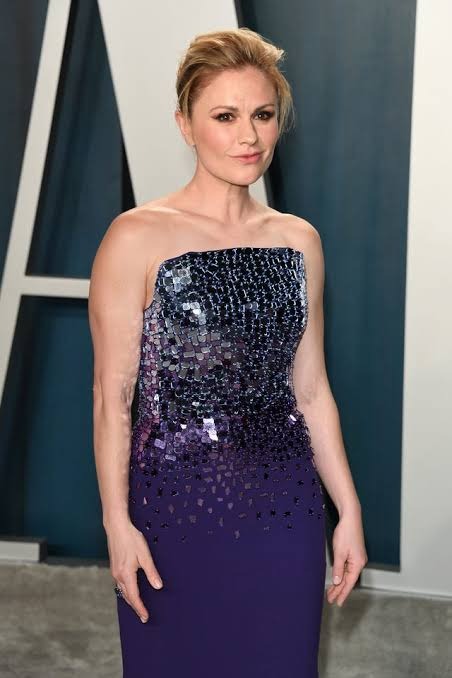
Paquin’s journey into Hollywood began remarkably early.
At just 11 years old, she won the Academy Award for Best Supporting Actress for her role in The Piano. The achievement made her one of the youngest Oscar winners in history and immediately placed her in a unique position.
For many people watching from the outside, such success might seem like the perfect beginning to a career.
But childhood fame comes with a complicated reality.
A young performer may suddenly find themselves surrounded by adults whose careers, schedules, contracts, and expectations depend on their work. At the same time, the child is still developing emotionally and socially.
Paquin’s recent reflections highlight that tension.
She spoke about the experiences of former child performers and questioned whether the systems designed to protect young actors always work as effectively as they appear to on paper.
Her message resonated with other actors who experienced childhood fame themselves.
A Conversation Bigger Than Hollywood

Paquin’s comments opened the door to a much broader conversation about what happens when children become professional performers.
The entertainment industry has changed considerably over the decades. There are now more conversations about education, working hours, mental health, guardianship, workplace protections, and the importance of creating safe environments for young performers.
Yet the basic challenge remains.
Children are still children.
They may be talented, confident, and remarkably mature for their age, but that does not mean they possess the emotional experience of an adult.
A successful young actor can understand a script perfectly while still needing help understanding fame, criticism, money, expectations, and the enormous attention that can accompany success.
That distinction is important.
Talent can open a door, but it cannot replace childhood.
Melissa Gilbert Shares Her Own Perspective
Paquin was not the only former child performer to speak about these experiences.
Melissa Gilbert, who became known for her role on Little House on the Prairie, also shared reflections about growing up in the entertainment world.
Gilbert began acting at a young age and described former child performers as a kind of community connected by experiences that outsiders may not fully understand.
She also introduced the phrase “Doctor Show Syndrome” to describe a mindset in which performers feel they are expected to keep working despite personal difficulties.
Her own memories illustrate how easily professional expectations can overshadow a child’s emotional needs.
Gilbert recalled returning to work after losing her father when she was still very young.
Looking back as an adult, the experience raised an important question: Should a child performer ever feel that work must continue regardless of what is happening emotionally?
For Gilbert, the answer is clear.
Children working in entertainment need adults who recognize that they are children first.
Why Childhood Fame Can Be So Complicated
Fame itself is not necessarily harmful.
Many former child actors have gone on to build successful, balanced careers and maintain strong personal lives.
The more complicated issue is the combination of fame, pressure, and limited control.
Imagine being 10 or 11 years old and suddenly having millions of strangers recognize you.
People may comment on your appearance.
Journalists may ask personal questions.
Fans may expect access to your life.
Producers may depend on your performance.
And social media can make public attention almost impossible to escape.
An adult may have years of experience learning how to establish boundaries.
A child generally does not.
This is why supportive parents, guardians, teachers, therapists, agents, and production teams can make such an important difference.
The Importance of Letting Young Performers Say No

One of the strongest ideas in the conversation surrounding former child stars is surprisingly simple.
Young performers should be allowed to have boundaries.
They should have adults around them who can explain what is happening, protect their privacy, and make sure they understand that saying no is sometimes appropriate.
A child should not have to become an expert in workplace negotiation simply because they happen to be talented.
This is particularly important when a young performer is asked to participate in situations that make them uncomfortable.
Clear boundaries can help young actors understand that professionalism does not mean accepting everything.
Being responsible does not mean ignoring your own needs.
And being successful does not mean giving up the right to have a private life.
Mental Health Support Matters
Another recurring theme in discussions about former child performers is access to emotional support.
Growing up is already complicated.
Growing up while millions of people watch is an entirely different experience.
Young actors may face unusual pressures involving school, friendships, family expectations, public attention, and career decisions.
A therapist or trusted adult can provide a private space where a young person can discuss those pressures without worrying about headlines, audiences, or professional expectations.
Importantly, asking for support should not be viewed as a sign of weakness.
For a child performer, professional emotional support can simply be another form of protection, much like having an education plan or appropriate working conditions.
Other Former Child Stars Join the Conversation
Paquin’s reflections also prompted responses from other people who experienced childhood fame.
Alyssa Milano, Mara Wilson, Shiri Appleby, and Melissa Gilbert were among those who engaged with the conversation.
Their experiences are different, but they share a common thread.
They understand what it means to grow up while working in an environment where adults are constantly watching, evaluating, and making decisions.
Hilary Duff also reflected on her memories of Hayden Panettiere, remembering conversations and friendships from their younger years.
Alexa PenaVega similarly described the experience of growing up alongside other young performers as exciting while also acknowledging that it could be incredibly difficult.
Together, these voices demonstrate that there is no single story of childhood fame.
Some people remember wonderful opportunities.
Others remember difficult periods.
Many remember both.
The Industry Has Changed, But the Question Remains
It would be easy to look at older generations of child performers and assume that the entertainment industry has completely changed.
In some ways, it clearly has.
There is greater awareness of mental health.
There are stronger conversations about workplace boundaries.
Parents and advocates have more access to information.
Production environments can have dedicated professionals focused on the welfare of young performers.
But the fundamental responsibility remains the same.
Adults must remember that a successful child performer is still a child.
A young person’s career should never become more important than their wellbeing.
Education, friendships, family relationships, rest, privacy, and emotional development all matter.
Success can wait.
Childhood cannot.
What Anna Paquin’s Message Really Says
Perhaps the most meaningful part of Paquin’s message is that she did not simply talk about fame.
She talked about connection.
Former child performers may understand one another in ways that are difficult to explain to people who never experienced the same environment.
They remember auditions.
They remember being recognized in public.
They remember learning professional expectations at unusually young ages.
And they remember growing up while the world watched.
That shared experience can create a unique form of understanding.
Paquin’s message to other former child performers was ultimately one of solidarity.
Whatever someone’s individual experience may have been, they do not have to face those memories alone.
Let Children Be Children
The conversation surrounding child stars ultimately leads back to a simple principle.
A child should have permission to be a child.
They should be able to make mistakes without those mistakes becoming permanent public records.
They should have adults who listen to them.
They should have opportunities to rest.
They should be able to receive emotional support.
And they should know that their value is not determined by ratings, awards, followers, or box-office numbers.
Anna Paquin’s early success will always be an extraordinary part of her career.
But her recent reflections offer another way to look at childhood fame.
Perhaps the greatest measure of success is not how early someone becomes famous.
Perhaps it is whether they are given enough support to discover who they are after the cameras stop watching.
A Reflection on Growing Up in the Public Eye
Fame has a way of making childhood look very different from the outside.
A young performer standing beneath a spotlight may appear confident and accomplished. Yet behind that image is still a developing person learning about friendships, identity, boundaries, responsibility, and the world around them.
Anna Paquin’s reflections, along with those of other former child performers, remind us that success and difficulty can exist at the same time.
A childhood career can create wonderful memories and remarkable opportunities. It can also bring pressures that deserve careful attention.
The lesson is not that children should never perform.
It is that when they do, adults have a responsibility to protect the child behind the performer.
And perhaps that is the most important question raised by this conversation: when we celebrate a talented young person, are we also making sure they have the freedom, support, and space to simply grow up?
Because long after the applause fades, that child still has a life to live.