
Ordering fish at a restaurant often feels like one of the healthiest choices you can make. Fish is widely valued for its protein, vitamins, minerals, and beneficial fats. But there is an important detail many diners overlook: not all fish have the same nutritional or environmental profile.
Some popular seafood choices contain considerably more mercury than others. For people who eat fish regularly, knowing which species tend to be higher in mercury can help make meals both healthier and more informed.
Why Some Fish Contain More Mercury
Mercury occurs naturally in the environment, but human activity has also contributed to increased mercury levels in aquatic ecosystems.
A form called methylmercury can accumulate in fish. Larger predatory species tend to contain more because they eat many smaller fish throughout their long lives. As mercury moves through the food chain, concentrations can increase.
That is why fish such as swordfish, certain tuna species, shark, king mackerel, and orange roughy are generally considered higher-mercury choices.
Eating these fish occasionally isn’t necessarily a reason for concern for most healthy adults. The bigger issue is frequent consumption, particularly when someone repeatedly chooses the same high-mercury species.
Some Popular Restaurant Fish Deserve Extra Attention
Swordfish
Swordfish is prized for its firm texture and rich flavor, but it is also among the fish that can contain relatively high mercury levels.
Because swordfish are large predators, mercury can accumulate in their tissues over time. For people who eat seafood frequently, lower-mercury alternatives may be a better everyday choice.
Tuna
Tuna requires a little more nuance because mercury levels vary substantially by species.
Light canned tuna generally contains less mercury than albacore tuna, while some larger tuna species can contain considerably more.
Rather than avoiding tuna altogether, consumers can vary the types of seafood they eat and follow current dietary guidance regarding recommended servings.
Orange Roughy
Orange roughy has a mild flavor and delicate texture, but it is another long-lived species that can accumulate higher levels of mercury.
Its extremely long lifespan is one reason consumers may want to choose other seafood more often.
Chilean Sea Bass
Chilean sea bass is another popular restaurant option. Mercury levels can vary, and sustainability is also an important consideration because seafood choices affect not only personal nutrition but marine ecosystems.
Checking where seafood comes from can therefore be just as valuable as looking at what species is on the menu.
Fish Can Still Be an Excellent Food Choice
The presence of mercury in certain species shouldn’t overshadow the nutritional benefits of seafood.
Fish can provide high-quality protein along with nutrients such as vitamin D, vitamin B12, selenium and, depending on the species, omega-3 fatty acids.
The key is variety.
Instead of eating the same large predatory fish every week, consider rotating different seafood options.
Lower-Mercury Choices to Consider
Several commonly available fish and seafood options tend to be lower in mercury.
These include:
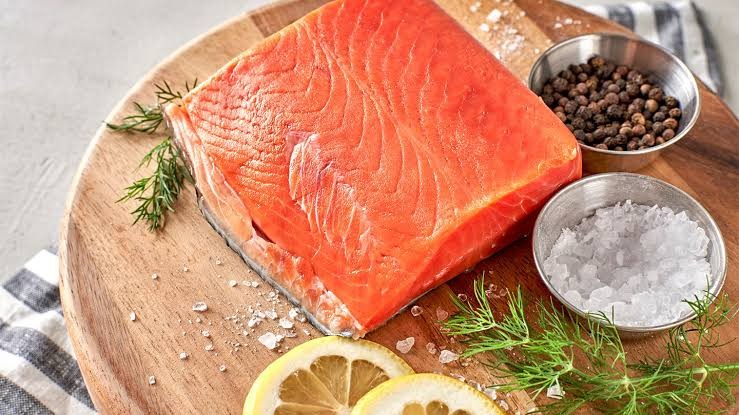
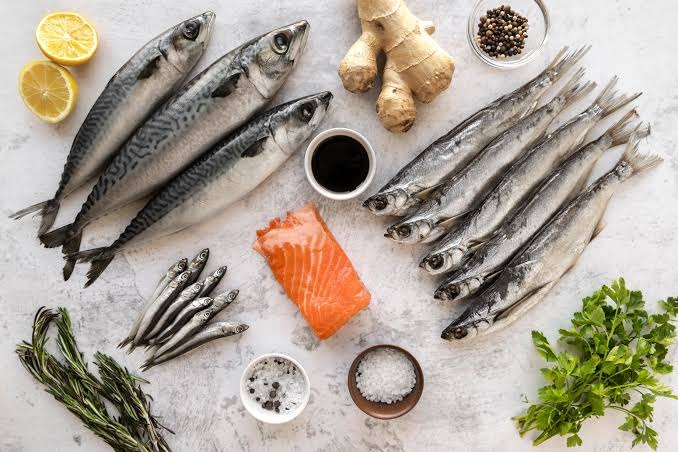
- Salmon
- Sardines
- Anchovies
- Trout
- Atlantic and Pacific mackerel
- Pollock
- Shrimp
- Oysters
- Mussels
These choices can provide many of the nutritional benefits associated with seafood while generally presenting less mercury exposure than larger predatory species.
Who Should Pay Particular Attention?
Mercury exposure is especially important for certain groups.
Pregnant people, those who may become pregnant, breastfeeding individuals, and young children should pay particular attention to seafood choices because developing nervous systems can be more sensitive to mercury.
That doesn’t mean seafood needs to be eliminated. In fact, dietary guidance generally encourages eating fish while selecting varieties that are lower in mercury.
The safest approach is to follow current recommendations from reputable health authorities rather than avoiding seafood altogether.
Sustainability Matters Too
Health isn’t the only consideration when ordering seafood.
Some species face significant pressure from fishing, while others are better managed or available from more sustainable sources. Farming practices can also differ considerably between species and regions.
When possible, diners can ask:
Where was this fish caught or farmed?
What species is it?
Is it sustainably sourced?
Restaurants that prioritize responsible seafood should be able to provide at least some information about their suppliers.
The Bottom Line
Fish doesn’t have to disappear from your menu simply because certain species contain more mercury.
The smarter strategy is to vary the seafood you eat, favor lower-mercury species more often, and pay attention to portion frequency and sourcing.
A plate of salmon, sardines, trout, mussels or another lower-mercury seafood option can still be an excellent addition to a balanced diet.
The lesson isn’t that expensive or popular fish are automatically unhealthy. It’s that when it comes to seafood, variety matters.
Knowing what is on your plate—and how often you eat it—can help you make choices that are better for both your health and the oceans.