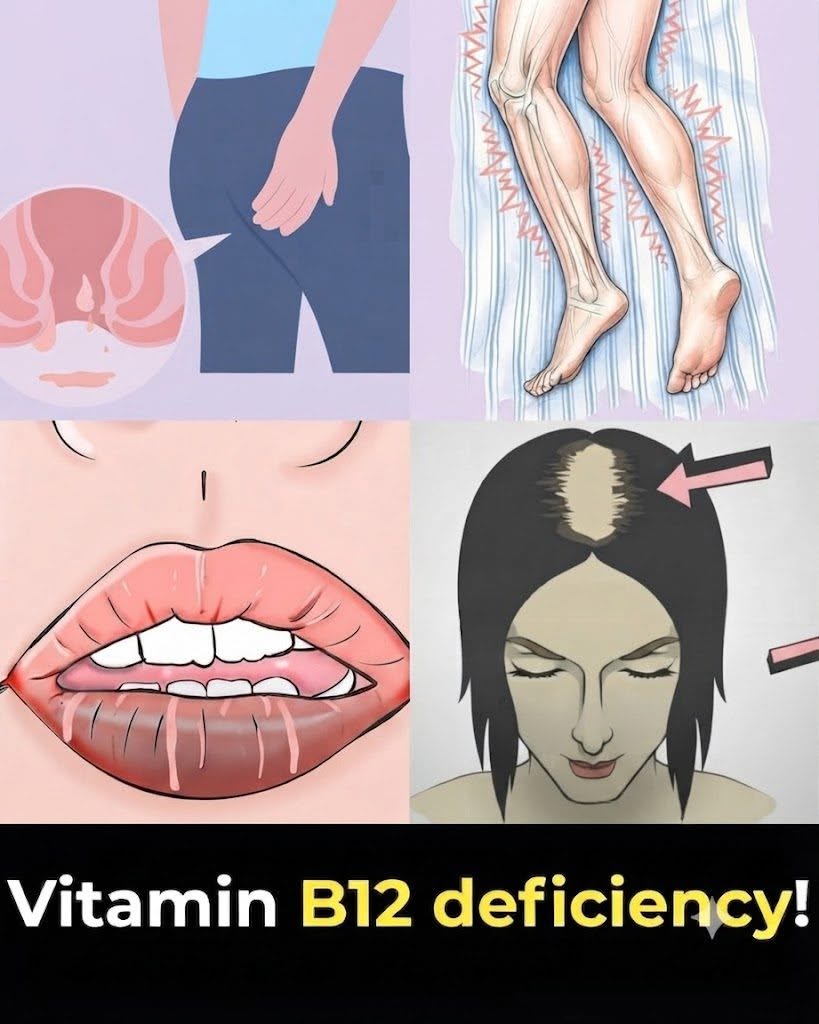
Vitamin B12 Deficiency: 10 Warning Signs You Should Know
You wake up after a full night in bed, yet you still feel unusually tired. Your hands occasionally tingle. Maybe you have noticed that concentrating on simple tasks has become harder than it used to be.
It is easy to blame these changes on a busy schedule, poor sleep, stress, or simply getting older.
But sometimes, persistent symptoms deserve a closer look.
Vitamin B12 is an essential nutrient involved in the formation of red blood cells and the normal functioning of the nervous system. The body cannot make B12 on its own, so it must come from food or supplements. Because the body can store substantial amounts of B12, a deficiency may develop gradually rather than appearing suddenly.
That gradual progression is one reason the symptoms can be easy to overlook.
Why Vitamin B12 Matters
Vitamin B12, also known as cobalamin, has several important functions in the body. It helps maintain healthy nerve cells and is involved in the production of normal red blood cells.
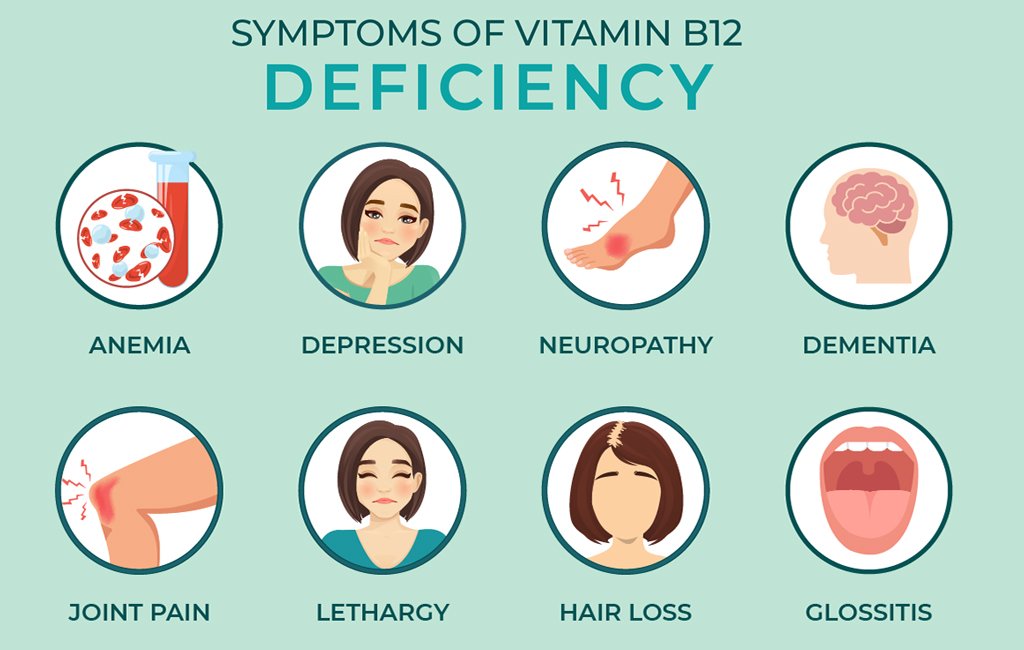
When B12 levels become too low, the body may produce unusually large and poorly functioning red blood cells, a condition known as megaloblastic anemia. However, neurological symptoms can sometimes occur even when anemia is not present.
The signs can affect different parts of the body, which is why B12 deficiency can sometimes be confused with other health conditions.
Here are ten symptoms worth knowing.
1. Persistent Tiredness and Weakness
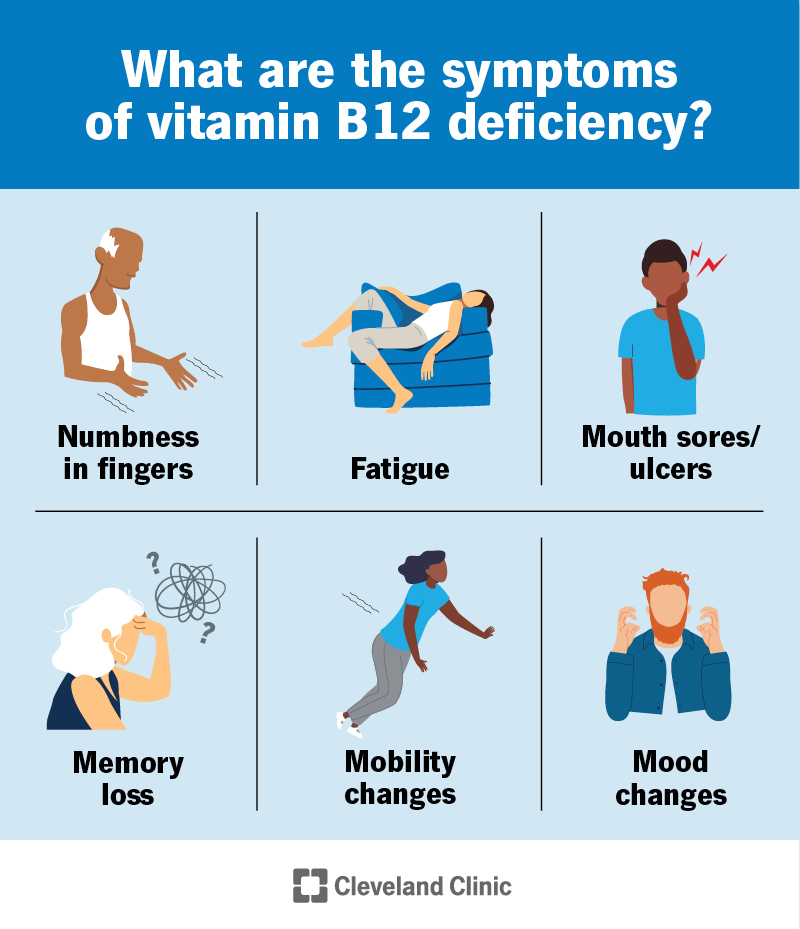
Feeling tired from time to time is completely normal. However, persistent fatigue or weakness can occur with vitamin B12 deficiency, particularly when the deficiency contributes to anemia.
Because red blood cells help transport oxygen throughout the body, problems with their production can leave a person feeling unusually weak or lacking energy.
Fatigue has many possible causes, though, so feeling tired by itself does not mean someone has a B12 deficiency.
2. Tingling or Numbness
One of the more recognizable neurological symptoms associated with B12 deficiency is a pins-and-needles sensation.
Some people may experience numbness or unusual sensations in their hands or feet. These symptoms can occur because vitamin B12 plays an important role in maintaining normal nervous-system function.
Persistent or unexplained numbness should be discussed with a healthcare professional rather than automatically attributed to a vitamin deficiency.
3. Balance and Coordination Problems
B12 deficiency can affect the nervous system and, in some cases, lead to problems with balance and coordination.
A person might feel unsteady while walking or notice that movements that once felt automatic have become more difficult. NHS guidance lists balance and coordination problems among the neurological symptoms associated with B12 deficiency.
These symptoms have many possible explanations, so medical evaluation is important.
4. Memory and Concentration Changes
Another possible sign is a change in cognitive function.
People with B12 deficiency may experience problems involving memory, understanding, judgment, or concentration. Psychological symptoms can also occur, ranging from anxiety or depression to confusion in more serious cases.
These changes should not automatically be dismissed as normal aging. They can have many causes, and a healthcare professional can help determine what may be responsible.
5. Pale Skin or Other Changes in Appearance
Vitamin B12 deficiency can contribute to megaloblastic anemia, in which the body produces abnormally large red blood cells that do not function normally.
Anemia can sometimes make a person appear unusually pale. Some people may also develop a slightly yellowish appearance because of changes associated with red blood-cell breakdown.
Appearance alone cannot establish whether someone has B12 deficiency. Blood testing is needed for diagnosis.
6. A Sore or Red Tongue
A surprisingly noticeable symptom can involve the mouth.
B12 deficiency may cause a sore, smooth, or red tongue, sometimes accompanied by mouth ulcers. The medical term for inflammation of the tongue is glossitis.
If mouth or tongue changes persist, they are worth discussing with a healthcare professional because several nutritional and non-nutritional conditions can cause similar symptoms.
7. Shortness of Breath or Heart Palpitations
When B12 deficiency leads to anemia, some people may experience symptoms such as shortness of breath or heart palpitations.
The NHS lists rapid breathing, shortness of breath, and palpitations among symptoms that can occur with B12 or folate deficiency anemia.
These symptoms should not automatically be blamed on vitamin levels. Shortness of breath and palpitations can have many causes, some of which require prompt medical attention.
8. Changes in Mood
Vitamin B12 deficiency can sometimes be associated with psychological changes.
Depression, anxiety, confusion, and other cognitive or psychological symptoms have been reported in people with B12 deficiency.
That does not mean B12 deficiency is the cause of every mood change. Mental and emotional symptoms are complex, and appropriate medical assessment is important when they are persistent or disruptive.
9. Vision Problems
Although less common, vitamin B12 deficiency can also be associated with problems affecting vision.
The NHS lists vision problems among possible complications of B12 deficiency. In some cases, prolonged deficiency can affect the nervous system and cause lasting problems.
New or unexplained changes in vision should always be evaluated by an appropriate healthcare professional rather than treated with supplements alone.
10. Loss of Appetite and Digestive Symptoms
B12 or folate deficiency anemia can also be associated with digestive symptoms.
Possible symptoms include loss of appetite, indigestion, and diarrhea.
Because digestive symptoms are common and can result from many different conditions, they are not specific enough to diagnose B12 deficiency on their own.
Who Is More Likely to Develop B12 Deficiency?
Some people have a higher risk than others.
People following a vegan diet may be at greater risk because vitamin B12 is naturally found mainly in animal-derived foods. Fortified foods and B12 supplements can help people who do not obtain enough from their diet.
Older adults may also be more susceptible. Certain stomach conditions can interfere with the absorption of B12, including pernicious anemia, an autoimmune condition that affects the body’s ability to absorb the vitamin.
Digestive disorders and certain surgeries involving the stomach or intestines can also interfere with absorption.
Some medications may affect B12 levels as well. NHS guidance specifically identifies metformin and proton pump inhibitors among medicines that can reduce B12 levels or affect absorption.
How Is Vitamin B12 Deficiency Diagnosed?
Symptoms alone cannot confirm a vitamin deficiency.
Healthcare professionals typically consider a person’s symptoms, medical history, diet, medications, and other risk factors before ordering blood tests. Testing can include measurements of vitamin B12 and folate, along with blood counts and other assessments that help identify anemia.
Additional testing may sometimes be necessary to determine why the deficiency developed.
Finding the underlying cause is important because simply increasing dietary B12 may not solve an absorption problem.
Can Vitamin B12 Deficiency Be Treated?
In most cases, B12 deficiency can be treated effectively once the cause has been identified.
Treatment may involve vitamin B12 tablets, injections, dietary changes, or a combination of approaches. The appropriate treatment depends on why the deficiency occurred and whether neurological symptoms are present.
Foods containing B12 include meat, fish, dairy products, and eggs. Some breakfast cereals, soy products, and other foods may also be fortified with vitamin B12.
People following vegan or highly restricted diets may need to pay particular attention to fortified foods or supplementation.
Why Early Attention Matters
Perhaps the most important point is that persistent symptoms should not simply be ignored.
Many symptoms associated with B12 deficiency are relatively general and can be caused by numerous other conditions. At the same time, prolonged B12 deficiency can affect the nervous system, and some neurological problems may become permanent if the deficiency remains untreated.
That is why proper testing is more useful than trying to diagnose yourself from a list of symptoms.
If you have persistent fatigue, numbness, balance problems, cognitive changes, or other unexplained symptoms, speaking with a healthcare professional is a sensible next step.
A Small Nutrient With an Important Role
Vitamin B12 may be needed in relatively small amounts, but its role in normal blood formation and nervous-system function is significant.
The symptoms of deficiency can begin quietly and resemble problems that many people experience for completely different reasons. That makes awareness useful, but it also makes accurate diagnosis essential.
Your body can communicate through subtle changes, but those signals are not always easy to interpret. Rather than assuming every symptom points to a vitamin deficiency, pay attention to persistent changes and seek professional advice when something does not feel right.
Sometimes, the most important step toward better health is simply taking a recurring symptom seriously enough to ask why it is happening.
Sources
National Health Service (NHS), “Vitamin B12 or folate deficiency anaemia.”
National Health Service (NHS), “Vitamin B12 or folate deficiency anaemia: Symptoms.”
National Health Service (NHS), “Vitamin B12 or folate deficiency anaemia: Causes.”
National Health Service (NHS), “Vitamin B12 or folate deficiency anaemia: Diagnosis.”
National Health Service (NHS), “Vitamin B12 or folate deficiency anaemia: Treatment.”
National Health Service (NHS), “Vitamin B12 or folate deficiency anaemia: Complications.”