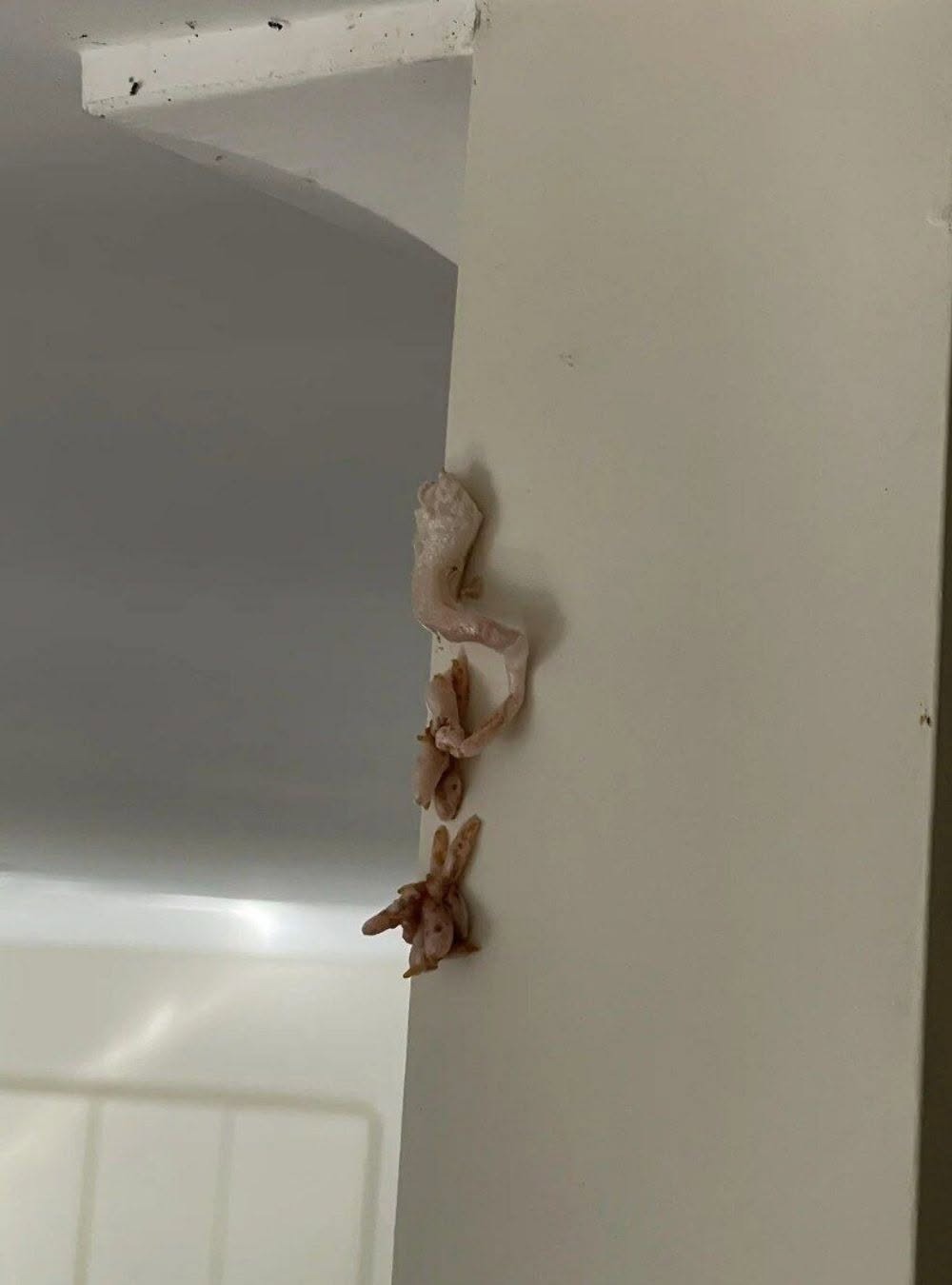
Discovering an unusual pink object attached to your wall can be surprising. Whether it appears overnight or simply goes unnoticed until one day, it’s natural to wonder whether it’s something harmless or a sign that your home needs attention.
A recent online discussion featured photos of a pink, foam-like material attached to an interior wall. The unusual appearance sparked a wide range of guesses, from insulation to mold and even insect activity. While the exact source couldn’t be confirmed from photos alone, home maintenance experts agree that there are several reasonable possibilities worth considering.
Why Unusual Materials Sometimes Appear on Walls
Homes naturally expand, contract, and age over time. As building materials shift, small cracks or gaps may expose substances that were previously hidden inside the walls.
In many cases, what looks unusual is simply a construction material becoming visible after years of remaining out of sight.
Because photographs alone rarely provide enough information for a definite identification, it’s important to avoid jumping to conclusions.
One Possible Explanation: Expanding Foam Insulation
One of the most common explanations is expanding polyurethane foam insulation.
This material is often used during construction or repair projects to seal gaps around pipes, windows, electrical openings, and wall cavities. Depending on the manufacturer, insulation foam may appear yellow, cream, orange, or occasionally pink.
As buildings settle, small pieces of cured foam can sometimes become visible through cracks or seams in drywall.
Once hardened, expanding foam typically feels lightweight, rigid, and slightly brittle.
Could It Be Mold or a Pest Nest?
Although some people immediately worry about mold or insects, these possibilities cannot be confirmed simply by appearance.
Certain molds may display pink, orange, or reddish colors, particularly in damp environments, but professional inspection is usually required for accurate identification.
Likewise, some insects build nests inside wall cavities, though these nests often have a different texture and structure than construction foam.
If the material appears alongside moisture, water stains, unusual odors, or signs of insect activity, it may be worthwhile to have the area inspected by a qualified professional.

What Should You Do If You Find Something Similar?
If you discover an unfamiliar material on your wall, avoid disturbing it until you have a better understanding of what it is.
A few simple steps can help:
-
Take clear photographs from several angles.
-
Check nearby walls and ceilings for cracks, water stains, or signs of damage.
-
Observe whether the material changes in size or appearance over several days.
-
If you rent your home, notify your landlord or property manager.
-
If you own the property and remain uncertain, consider consulting a licensed home inspector or contractor.
These steps can help identify whether the issue is cosmetic or part of a larger maintenance concern.
Avoid Making Assumptions
Internet discussions often generate imaginative explanations for unusual discoveries, but many everyday household mysteries turn out to have ordinary causes.
Construction materials, insulation products, old repair compounds, and sealants can all change appearance over time due to age, temperature, or exposure to air.
Without laboratory testing or an on-site inspection, it is usually impossible to identify an unfamiliar material with complete certainty.
A Reminder About Home Maintenance
Unexpected discoveries around the home often provide a good opportunity to inspect areas that may have been overlooked.
Regularly checking walls, ceilings, windows, and utility openings can help identify minor maintenance issues before they become more significant.
Even if the mysterious pink material turns out to be nothing more than old insulation, taking a few minutes to investigate can provide peace of mind and help keep your home in good condition.
Sources
-
Reddit – r/whatisthisthing community discussion
-
U.S. Environmental Protection Agency (EPA)
-
International Association of Certified Home Inspectors (InterNACHI)
-
Family Handyman
-
This Old House