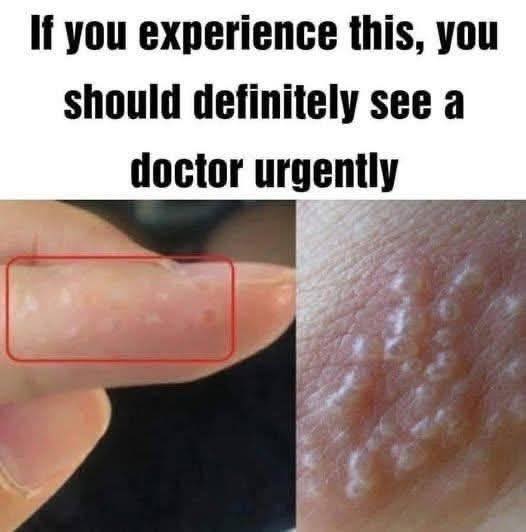
It often begins with a small itch. At first, you may notice tiny bumps on your fingers or the soles of your feet that seem harmless. Within a few days, those bumps can develop into clusters of small, fluid-filled blisters that itch intensely and make everyday activities surprisingly uncomfortable.
Many people assume the irritation is caused by an allergy, insect bite, or dry skin. In some cases, however, it may be a condition known as dyshidrotic eczema, a common form of eczema that primarily affects the hands and feet.
Although there is currently no permanent cure, the condition can often be managed successfully with appropriate skin care, trigger avoidance, and guidance from a healthcare professional. Understanding the condition is the first step toward reducing flare-ups and protecting your skin.
What Is Dyshidrotic Eczema?
Dyshidrotic eczema, sometimes called pompholyx or vesicular hand eczema, is a chronic skin condition characterized by small, deep-seated blisters that usually appear on the fingers, palms, sides of the hands, or soles of the feet.
The blisters are often extremely itchy and may later dry out, peel, or leave the skin feeling sensitive while it heals.
Flare-ups may come and go over time, with periods of improvement followed by new episodes.
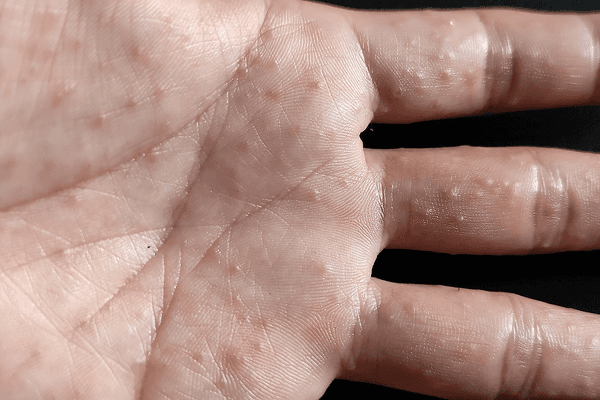
Common Symptoms
Symptoms can vary from person to person, but many individuals experience:
- Small fluid-filled blisters on the hands or feet
- Intense itching
- Burning or tingling sensations
- Redness around affected areas
- Dry, peeling skin after blisters heal
- Cracked skin during recovery
The condition often affects both hands or both feet, although the severity may differ.
Why Does It Occur?
The exact cause of dyshidrotic eczema remains unknown.
Researchers believe it results from a combination of genetic, environmental, and immune system factors.
Rather than having a single cause, flare-ups are often associated with specific triggers.
Common Triggers
While triggers differ between individuals, several factors have been linked to flare-ups.
Stress
Emotional stress is frequently reported by people living with dyshidrotic eczema.
Periods of increased stress may coincide with worsening symptoms for some individuals.
Warm Weather and Sweating
Many people notice flare-ups during spring or summer when temperatures rise and sweating increases.
Moisture trapped inside gloves or shoes may also contribute to irritation.
Skin Irritants
Repeated exposure to harsh soaps, detergents, cleaning products, or certain chemicals may aggravate sensitive skin.
Metal Sensitivities
Some individuals with dyshidrotic eczema may also have sensitivities to metals such as nickel or cobalt.
Avoiding known allergens may help reduce flare frequency in these cases.
Existing Skin Conditions
People who already have atopic eczema, allergic conditions, or sensitive skin may be more likely to develop dyshidrotic eczema.
How Is It Diagnosed?
There is no single laboratory test that confirms dyshidrotic eczema.
Healthcare professionals typically diagnose the condition by:
- Reviewing symptoms
- Examining the skin
- Discussing medical history
- Considering possible allergens or irritants
In some situations, patch testing may be recommended if contact allergies are suspected.
Other skin conditions, including fungal infections or psoriasis, may need to be ruled out because they can appear similar.

Treatment Options
Although there is no permanent cure, several treatments can help reduce symptoms and shorten flare-ups.
Treatment plans vary depending on severity.
Topical Corticosteroids
Prescription corticosteroid creams or ointments are commonly recommended to reduce inflammation during active flare-ups.
These medications should be used according to a healthcare provider’s instructions.
Moisturizers
Frequent application of fragrance-free moisturizers helps strengthen the skin barrier and reduce dryness after blisters begin to heal.
Creams and ointments are often preferred over lighter lotions for very dry skin.
Cool Compresses
Applying a cool, damp cloth to affected areas may temporarily relieve itching and discomfort during active flares.
Antihistamines
For some individuals, antihistamines may help reduce itching, particularly when symptoms interfere with sleep.
Their use should follow guidance from a healthcare professional.
Phototherapy
In more persistent cases, dermatologists may recommend controlled ultraviolet light treatment, also known as phototherapy.
This treatment is performed under medical supervision.
Everyday Skin Care Tips
Daily habits can play an important role in managing dyshidrotic eczema.
Wash Hands Gently
Use mild, fragrance-free cleansers instead of harsh soaps whenever possible.
After washing, gently pat your hands dry rather than rubbing vigorously.
Moisturize Frequently
Applying moisturizer several times throughout the day helps maintain the skin’s protective barrier.
Many dermatologists recommend moisturizing immediately after washing your hands.
Protect Your Hands
When cleaning or washing dishes, wearing protective gloves may help reduce contact with irritating substances.
Cotton gloves worn beneath waterproof gloves may improve comfort during extended household tasks.
Avoid Scratching
Although itching can be intense, scratching may damage the skin further and delay healing.
Keeping fingernails short may help reduce accidental injury.
Do Not Pop the Blisters
Blisters usually heal naturally over time.
Breaking them intentionally may increase irritation and raise the risk of infection.

Can Lifestyle Changes Help?
While lifestyle changes cannot eliminate the condition, they may help reduce flare-ups for some people.
Helpful habits include:
- Managing stress through relaxation techniques
- Wearing breathable footwear
- Keeping hands and feet dry when possible
- Identifying personal triggers
- Following a consistent moisturizing routine
Keeping a symptom diary may also help identify patterns related to weather, activities, or products.
When Should You See a Healthcare Professional?
Medical evaluation is recommended if:
- Blisters become widespread.
- Symptoms interfere with daily activities.
- Skin becomes increasingly painful.
- Home care does not improve symptoms.
- Flare-ups occur frequently.
A dermatologist can confirm the diagnosis and recommend treatments tailored to your individual needs.
Living Well With Dyshidrotic Eczema
Although flare-ups can be frustrating, many people successfully manage dyshidrotic eczema through a combination of medical treatment, gentle skin care, and trigger avoidance.
Understanding your own skin is often one of the most valuable tools.
Over time, many individuals learn which products, environments, or situations are more likely to trigger symptoms, allowing them to adjust their routines accordingly.
Patience and consistency often provide better long-term results than constantly changing treatments.
Final Thoughts
Dyshidrotic eczema can be uncomfortable, but it is a manageable condition for many people with the right care. Early recognition of symptoms, thoughtful skin care, and professional guidance can make a meaningful difference in reducing flare-ups and supporting healthy skin.
If you notice recurring itchy blisters on your hands or feet, consider speaking with a healthcare professional for an accurate diagnosis and personalized treatment plan. Taking small, consistent steps today can help protect your skin and improve comfort over time.
Sources
- American Academy of Dermatology (AAD) – Dyshidrotic Eczema: https://www.aad.org
- National Eczema Association – Dyshidrotic Eczema Guide: https://nationaleczema.org
- Mayo Clinic – Eczema Overview: https://www.mayoclinic.org
- Cleveland Clinic – Dyshidrotic Eczema Information: https://my.clevelandclinic.org
- National Institutes of Health (NIH) – Eczema Research: https://www.nih.gov