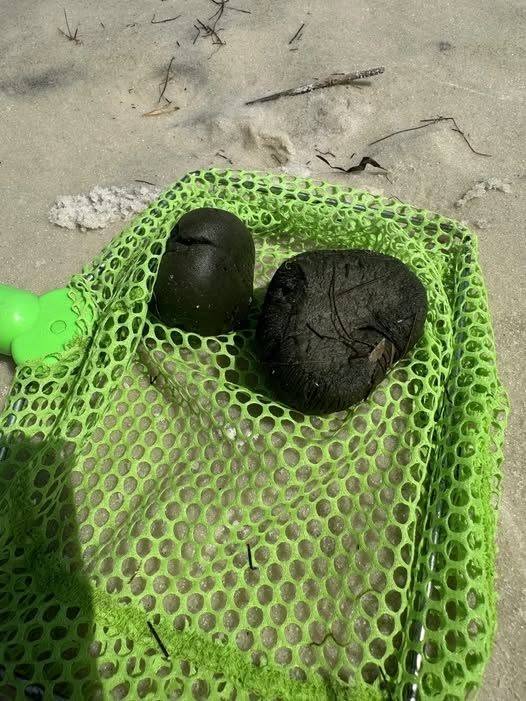
A walk along the beach often comes with unexpected discoveries. Seashells, smooth stones, colorful sea glass, and unusual marine life all have a way of sparking curiosity. In Pensacola, Florida, however, some beachgoers—especially children—have recently been fascinated by something far less familiar: small, dark, sponge-like balls scattered across the shoreline.
At first glance, these mysterious objects have inspired plenty of questions. Are they pollution? Marine organisms? Debris washed ashore after a storm?
Fortunately, the explanation is much simpler—and surprisingly interesting. These unusual spheres are naturally formed mudballs, created by the everyday forces of nature beneath the waters of Pensacola Bay.
What Are Pensacola Mudballs?
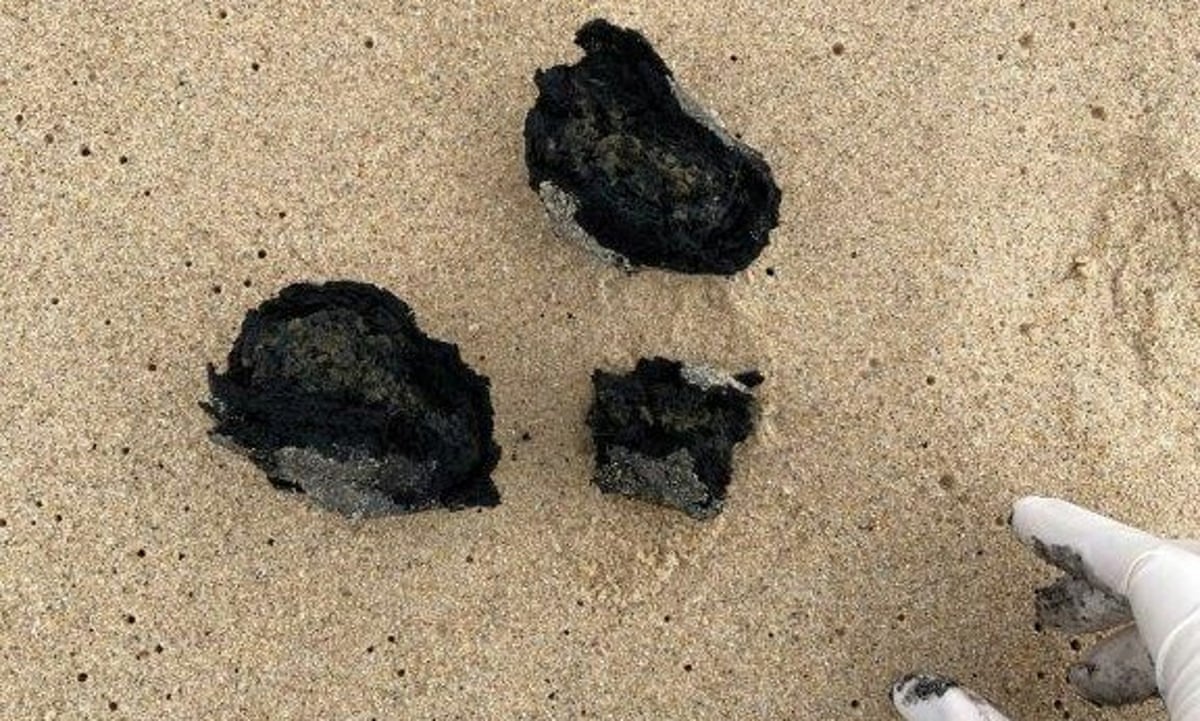
Despite their unusual appearance, these round objects are not waste, synthetic materials, or anything hazardous.
They are naturally occurring mudballs formed from soft, clay-rich sediment found on the floor of Pensacola Bay and nearby coastal waters.
As underwater currents gently move pieces of sediment along the seabed, the mud gradually rolls, compresses, and becomes more rounded over time. Much like a snowball grows as it rolls across fresh snow, these mudballs slowly develop their smooth, compact shape beneath the water.
The result is a firm but slightly soft sphere that can range from dark green to nearly black.
How Nature Creates Perfectly Rounded Mudballs
The formation process is surprisingly similar to how smooth river stones or sea glass develop.
It typically follows several natural steps:
- Clay-rich sediment breaks away from underwater mud banks.
- Ocean currents and tides move the material across the bay floor.
- Rolling motion gradually shapes the sediment into rounded forms.
- Constant movement compresses the mud, making each ball denser and smoother.
- Eventually, waves carry some mudballs onto nearby beaches.
Every mudball is slightly different in size, shape, and texture because each has experienced its own unique journey beneath the water.

Why Do They Wash Up on the Beach?
Mudballs don’t appear on shore every day.
Their arrival often depends on changing environmental conditions, including:
- Tides
- Wind direction
- Wave activity
- Seasonal weather patterns
- Underwater currents
After periods of stronger wave action or shifting currents, larger numbers of mudballs may wash onto Pensacola beaches, surprising visitors who have never encountered them before.
Are Mudballs Safe to Touch?
In most cases, naturally formed mudballs are harmless to handle.
Because they consist primarily of compacted natural sediment, they are generally:
- Odorless
- Non-toxic
- Free from artificial materials
- Soft enough to gently squeeze
- Easy to rinse off with water
As with any natural object found outdoors, it’s always a good idea to wash your hands afterward, especially before eating.
Visitors should also avoid disturbing any marine animals or protected habitats while exploring the shoreline.
Why Children Love Discovering Them
For many families, finding mudballs becomes one of the unexpected highlights of a beach visit.
Children are naturally curious about unusual objects, and these perfectly rounded spheres invite plenty of questions.
Simple discoveries like this encourage conversations about:
- Ocean currents
- Coastal ecosystems
- Sediment movement
- Beach formation
- Marine geology
What begins as an ordinary walk along the sand can quickly become an engaging outdoor science lesson.
Nature’s Own Classroom
One reason educators encourage children to explore nature is because curiosity often begins with simple observations.
Finding something unfamiliar naturally leads to questions such as:
- Where did it come from?
- Why is it round?
- How did it get here?
- Why doesn’t every beach have them?
These moments help children develop observation skills while learning that many natural mysteries have fascinating scientific explanations.
Pensacola’s mudballs offer a perfect example.
Are Mudballs Unique to Pensacola?
Pensacola is well known for these unusual formations, but similar sediment balls have occasionally been reported in other coastal regions around the world.
Their formation depends on a specific combination of:
- Fine clay-rich sediment
- Gentle underwater slopes
- Consistent tidal movement
- Suitable wave conditions
Because those conditions don’t exist everywhere, mudballs remain relatively uncommon compared to shells, rocks, or driftwood.
Why They Sometimes Look Different
No two mudballs are exactly alike.
Some appear nearly black, while others have greenish or gray tones depending on the minerals and organic material mixed into the sediment.
They may also vary in:
- Diameter
- Firmness
- Surface texture
- Moisture content
Exposure to sunlight and air after washing ashore can also change their appearance over time.
Protecting Coastal Environments
Although mudballs themselves are harmless natural formations, beach visitors can help preserve coastal ecosystems by following a few simple practices:
- Leave wildlife undisturbed.
- Dispose of litter properly.
- Avoid damaging dunes and vegetation.
- Respect local conservation guidelines.
- Take only appropriate souvenirs when permitted.
Healthy beaches depend on responsible visitors as much as they do on natural processes.

The Science Behind Everyday Wonders
Many of nature’s most fascinating discoveries aren’t rare at all—they simply go unnoticed.
From sand dunes shaped by wind to shells polished by waves, countless coastal features develop through slow, continuous natural forces operating over months, years, or even centuries.
Mudballs remind us that even ordinary mud can become something remarkable under the right conditions.
Their smooth shapes are the result of patience, movement, and the quiet work of tides beneath the water’s surface.
Final Thoughts
The mysterious mudballs found along Pensacola’s beaches may look unusual, but they are simply another example of nature’s creativity.
Formed through the gradual movement of clay-rich sediment across the bay floor, these small spheres offer an opportunity to learn about coastal geology, ocean currents, and the dynamic processes constantly shaping our shorelines.
For children, they become exciting treasures waiting to be discovered. For adults, they serve as a reminder that some of the most memorable moments outdoors begin with a simple question: “What is that?”
Sometimes, the greatest discoveries aren’t extraordinary at all—they’re everyday natural wonders waiting for someone curious enough to take a closer look.
Sources
- National Oceanic and Atmospheric Administration (NOAA): https://www.noaa.gov/
- U.S. Geological Survey (USGS): https://www.usgs.gov/
- Florida Department of Environmental Protection: https://floridadep.gov/
- Smithsonian Ocean: https://ocean.si.edu/
- Pensacola Bay Estuary Program: https://www.pensacolabay.org/