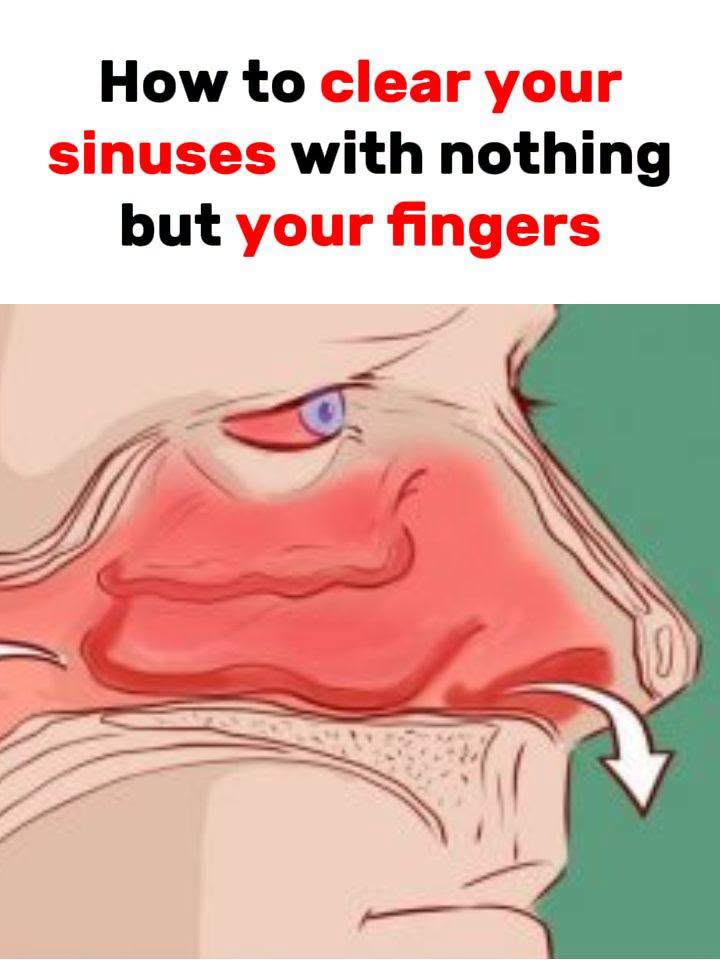
Few things are as frustrating as feeling like you can’t breathe freely through your nose. Whether it’s caused by seasonal allergies, a common cold, dry air, or mild sinus irritation, congestion can make everyday activities feel more challenging.
While medications and medical treatments are sometimes necessary, many people also look for simple, non-invasive ways to ease temporary discomfort at home. One approach that has gained attention is gentle facial massage combined with slow, mindful breathing.
Although this technique is not a cure for sinus conditions, some people find it helps promote relaxation and temporarily reduces feelings of facial pressure. Understanding how it works—and its limitations—can help you decide whether it’s worth adding to your self-care routine.
Why Sinus Congestion Happens
The sinuses are small, air-filled spaces located within the bones around your nose, cheeks, forehead, and eyes.
Normally, these cavities produce a thin layer of mucus that helps trap dust, allergens, and germs before they enter the lungs. Tiny hair-like structures called cilia then move the mucus through the nasal passages.
When the lining of the nose and sinuses becomes irritated or inflamed, mucus may not drain as efficiently. This can lead to symptoms such as:
- A stuffy nose
- Facial pressure
- Mild headaches
- Difficulty breathing through the nose
- Reduced sense of smell
- Postnasal drip
Depending on the cause, congestion may improve within a few days or persist longer.
A Simple Massage Technique Some People Find Helpful
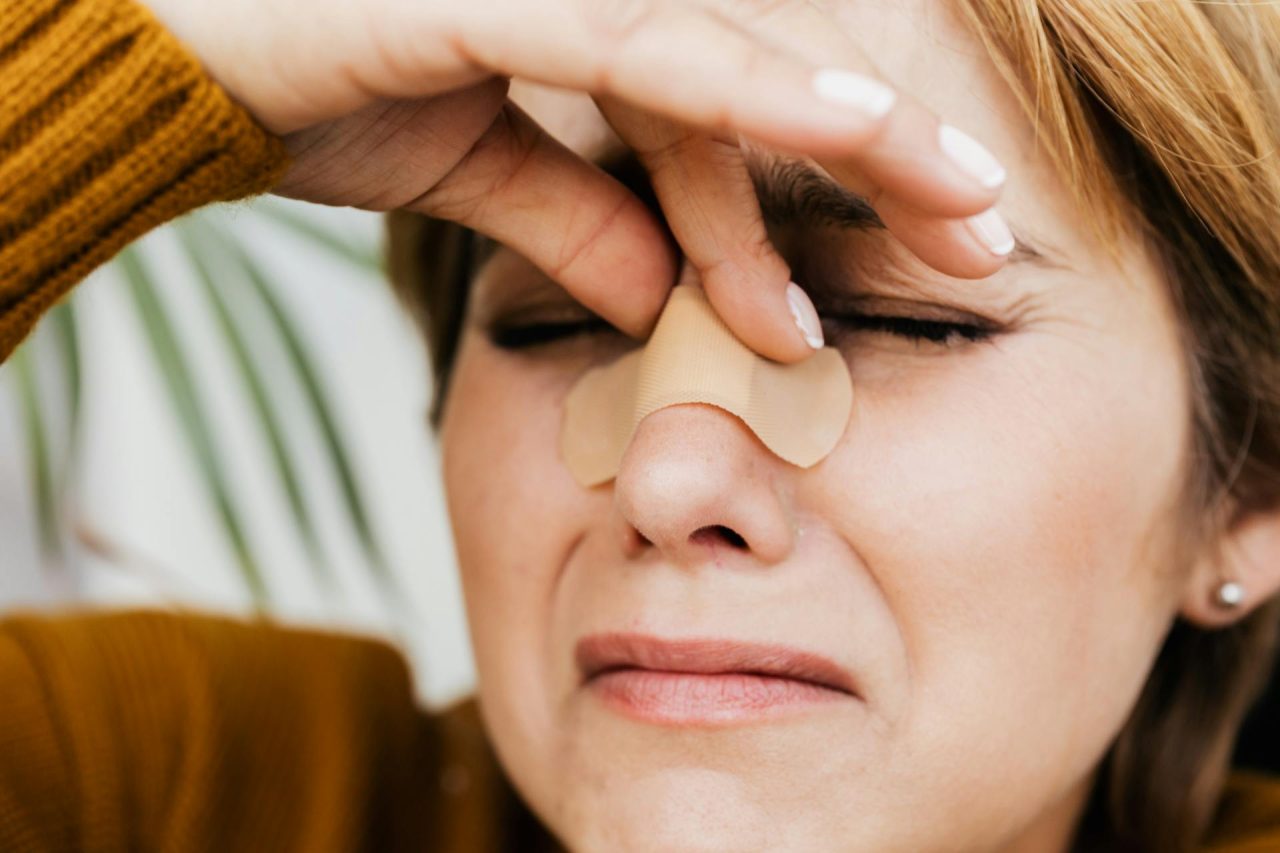
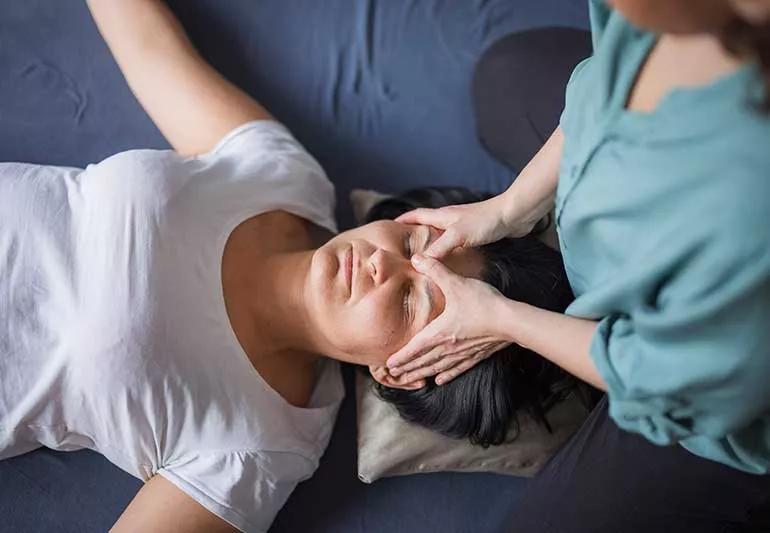
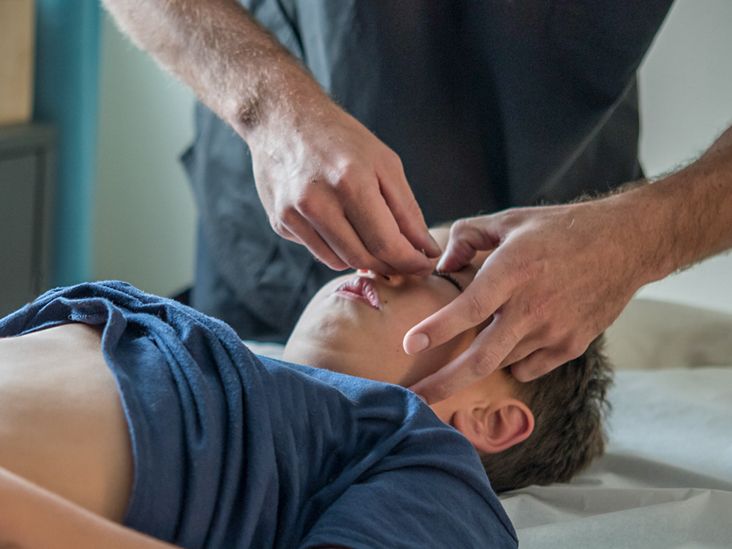
One popular self-care method involves gently massaging areas around the nose and cheeks while practicing slow breathing.
To try this technique:
- Wash your hands before touching your face.
- Sit comfortably with relaxed shoulders.
- Place your fingertips along the bridge of your nose.
- Use gentle circular motions rather than firm pressure.
- Slowly move toward the sides of your nose and the cheek area beneath your eyes.
- Pause briefly over any areas that feel tense or sensitive, avoiding excessive pressure.
- Continue for several minutes while breathing slowly and comfortably through your nose as much as possible.
The goal is not to force mucus to drain but to encourage relaxation and improve awareness of facial muscle tension.
How Breathing Can Enhance Relaxation
Breathing patterns often change when we feel congested.
Many people begin taking short, shallow breaths, especially when they’re uncomfortable. Slowing your breathing while performing facial massage may help promote a greater sense of calm.
A simple approach includes:
- Inhale gently through your nose if comfortable.
- If nasal breathing feels difficult, breathe naturally without forcing it.
- Exhale slowly through your mouth.
- Repeat at a comfortable pace.
Even if congestion remains, slower breathing can help reduce the stress that sometimes accompanies feeling blocked up.
Can Facial Massage Actually Clear the Sinuses?
Scientific research on facial massage for sinus congestion remains limited.
However, some healthcare professionals believe gentle massage may temporarily:
- Increase local blood circulation
- Reduce muscle tension around the face
- Encourage relaxation
- Help people become more comfortable during periods of congestion
It’s important to understand that massage does not eliminate infections, allergies, or structural nasal problems. Any relief is generally temporary and varies from person to person.
Other Home Strategies That May Help
If you’re experiencing mild sinus discomfort, several additional self-care measures may provide relief.
Stay Well Hydrated
Drinking enough fluids helps support normal mucus consistency, making it easier for the body’s natural drainage processes to function.
Use a Humidifier
Dry indoor air can sometimes worsen nasal irritation.
Adding moisture to the air with a clean humidifier may help some people feel more comfortable, particularly during colder months.
Try Warm Steam
Warm showers or sitting in a steamy bathroom may temporarily ease feelings of congestion for some individuals.
Take care to avoid excessively hot steam that could cause burns.
Saline Nasal Spray or Irrigation
Many healthcare providers recommend sterile saline sprays or saline nasal irrigation to help moisturize nasal passages and rinse away mucus or irritants.
Always use sterile, distilled, or previously boiled water when preparing saline irrigation solutions.
Get Adequate Rest
When your body is recovering from a viral illness or allergies, sufficient sleep supports overall wellness and immune function.
When to See a Healthcare Provider
Most episodes of nasal congestion improve gradually.
However, medical evaluation is recommended if symptoms:
- Last longer than about 10 days without improvement
- Continue returning frequently
- Become increasingly severe
- Are accompanied by high fever
- Include significant facial swelling
- Make breathing unusually difficult
A healthcare professional can determine whether allergies, bacterial sinusitis, nasal polyps, or another condition may be contributing to ongoing symptoms.
The Role of Stress in Physical Discomfort
Many people notice that facial tension increases during periods of stress.
Tight muscles around the forehead, jaw, and cheeks can sometimes make sinus pressure feel more noticeable.
Taking a few quiet minutes for gentle massage and slow breathing may not directly treat congestion, but it can encourage relaxation and improve overall comfort.
For some individuals, that alone makes the practice worthwhile.
Supporting Healthy Sinuses Every Day
Simple daily habits can help support nasal and sinus health throughout the year.
These include:
- Staying hydrated
- Avoiding cigarette smoke and other irritants
- Managing seasonal allergies with medical guidance
- Washing hands regularly during cold and flu season
- Maintaining clean indoor air when possible
Healthy routines often contribute to greater comfort over time.
Final Thoughts
Sometimes the simplest self-care practices offer a welcome moment of relief.
Gentle facial massage combined with slow, relaxed breathing may help some people feel more comfortable during periods of temporary sinus congestion. While scientific evidence supporting this technique is still limited, it is generally considered a low-risk practice when performed gently and used alongside appropriate medical care when needed.
Most importantly, remember that persistent or severe sinus symptoms deserve professional evaluation. Listening to your body, practicing healthy habits, and seeking medical advice when appropriate remain the best ways to support long-term sinus health.
Sources
- Mayo Clinic – Sinusitis: https://www.mayoclinic.org/
- Cleveland Clinic – Sinus Infection (Sinusitis): https://my.clevelandclinic.org/
- American Academy of Otolaryngology–Head and Neck Surgery: https://www.enthealth.org/
- MedlinePlus – Sinusitis: https://medlineplus.gov/
- Centers for Disease Control and Prevention (CDC): https://www.cdc.gov/