
The day María and Teresa Tapia entered the world, their lives began in a way few people could imagine. Born joined together at the chest and abdomen, the twin sisters shared several vital organs, presenting doctors with one of the most complex medical challenges they had ever encountered.
For their family, every milestone came with uncertainty. Yet amid the questions and careful planning, there was also hope. A dedicated team of surgeons, nurses, therapists, and specialists believed that with extensive preparation and collaboration, the twins could one day experience life as two independent individuals.
Today, their journey stands as an inspiring example of modern medicine, teamwork, and the remarkable resilience of children and families facing extraordinary circumstances.
Understanding Conjoined Twins
Conjoined twins are identical twins whose bodies remain physically connected because the embryo does not completely separate during very early development.
This condition is extremely uncommon, with medical literature estimating that it occurs in approximately one out of every 50,000 to 100,000 births worldwide. Every case is unique, depending on where the twins are connected and which organs they share.
Because each situation is different, treatment plans require careful evaluation by teams of specialists from multiple medical fields.
María and Teresa’s Unique Medical Journey
María and Teresa Tapia were born joined at the chest and abdomen.
According to reports, they shared portions of several important organs, including part of their liver, pancreas, and intestines. This complex anatomy meant that separating them would require months of planning before any surgery could safely take place.
Rather than rushing into treatment, their medical team carefully studied detailed scans and developed a comprehensive surgical strategy designed specifically for the twins’ anatomy.
Every decision focused on giving both girls the greatest possible opportunity for healthy futures.
Months of Preparation Before Surgery
Major pediatric surgeries often require extensive planning, and María and Teresa’s case was no exception.
A multidisciplinary team—including pediatric surgeons, anesthesiologists, radiologists, nurses, rehabilitation specialists, and many other healthcare professionals—worked together for months before the operation.
Advanced medical imaging allowed doctors to understand exactly how the twins’ organs and blood vessels were connected.
This level of preparation helped surgeons anticipate challenges before entering the operating room.
A Carefully Coordinated Operation
The separation procedure lasted many hours and involved several surgical specialists working together simultaneously.
One of the greatest challenges involved the liver, where much of the blood supply favored one twin more than the other. Careful planning was essential to preserve healthy tissue while ensuring that both children would have the best possible outcome.
Every stage of the operation required precision, communication, and teamwork.
According to reports, the surgery was completed successfully, marking an important milestone for the twins and the medical professionals who had prepared for the procedure over many months.
More Than Surgeons Made the Difference
One remarkable aspect of María and Teresa’s journey was the number of people who contributed beyond the operating room.
Medical care extended far beyond surgery itself.
Fashion design students created specially tailored clothing that would better fit the twins during different stages of recovery.
Sculptors developed detailed anatomical models that allowed surgeons to rehearse portions of the operation before the actual procedure.
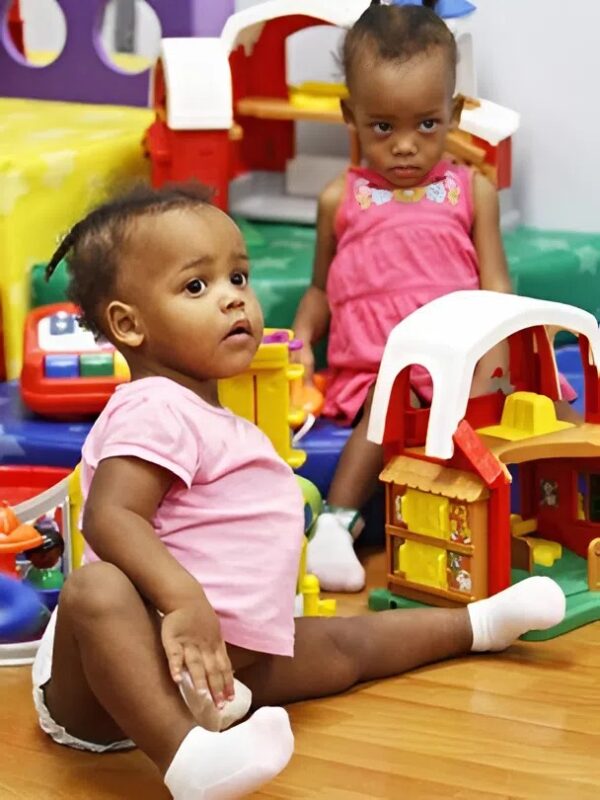
Rehabilitation therapists adapted everyday objects and activities to help the girls gradually learn to navigate life independently after separation.
This collaborative approach highlights how healthcare often involves experts from many different backgrounds working toward a common goal.
Learning to Live Independently
After separation, the twins began an entirely new chapter.
Activities that many children naturally learn while growing up—walking, playing, dressing, and exploring independently—became exciting milestones.
Recovery required patience, rehabilitation, and ongoing support from healthcare professionals and family members.
Like many children recovering from major medical procedures, progress happened step by step.
Each achievement represented months of determination and encouragement.
Growing Into Two Unique Personalities
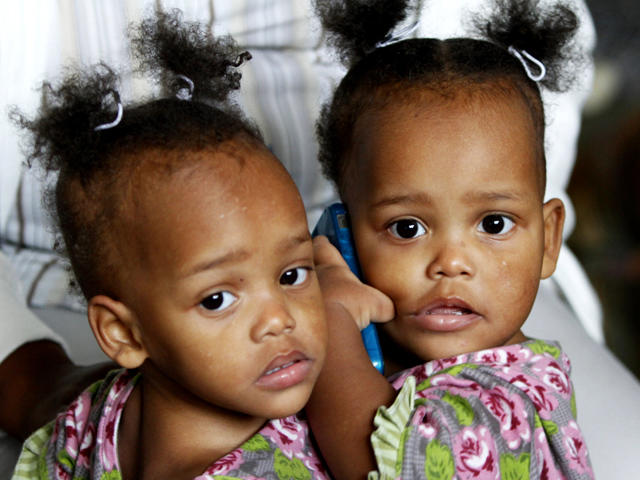
Although María and Teresa once shared the same body, they have developed distinct personalities, interests, and preferences.
Their mother, Lisandra Sanatis, has shared that her greatest wish was always to see each daughter experience life independently.
Today, each child has opportunities to make individual choices, develop personal hobbies, and build her own future.
Their story beautifully illustrates how identity extends far beyond physical circumstances.

Why Cases Like This Matter to Medical Science
Every complex pediatric case contributes valuable knowledge to the medical community.
Experiences gained through rare surgeries help physicians refine techniques, improve planning methods, and advance technologies that may benefit future patients facing similar conditions.
Modern medicine increasingly relies on multidisciplinary collaboration, bringing together experts in surgery, imaging, rehabilitation, nursing, nutrition, psychology, and many other specialties.
The success of these coordinated efforts demonstrates how teamwork can improve patient care.
The Importance of Family Support
Medical expertise plays a critical role, but family support is equally important throughout long treatment journeys.
Parents often become active members of the healthcare team by learning about treatments, participating in rehabilitation, and providing emotional encouragement during recovery.
For María and Teresa, their family’s commitment remained a constant source of strength throughout every stage of their journey.
Stories like theirs remind us that healing involves compassion as much as clinical expertise.
Advances in Pediatric Surgery
Over recent decades, pediatric surgery has benefited from significant technological progress.
Today’s specialists often use:
- High-resolution medical imaging
- Three-dimensional anatomical modeling
- Advanced anesthesia techniques
- Specialized pediatric intensive care
- Multidisciplinary surgical planning
These innovations help improve precision while supporting safer outcomes for complex procedures.
Although every case remains unique, ongoing research continues to expand what healthcare teams can accomplish.
A Story of Hope and Collaboration
The journey of María and Teresa Tapia is about far more than an extraordinary medical procedure.
It reflects months of preparation, collaboration among professionals from different disciplines, unwavering family support, and the resilience of two young girls beginning independent lives.
Their experience also serves as a reminder that many remarkable medical achievements result from years of scientific research, careful planning, and teamwork rather than a single moment in the operating room.
Final Thoughts
María and Teresa Tapia’s story continues to inspire people around the world because it celebrates perseverance, compassion, and the possibilities created through collaboration.
While their early lives presented uncommon challenges, their journey demonstrates what can happen when families, healthcare professionals, educators, and communities work together toward a shared goal.
Today, the sisters have the opportunity to grow, learn, and create their own individual paths—something their family always hoped would one day become possible.
Their remarkable journey reminds us that hope often begins with preparation, dedication, and the belief that even the most complex challenges can be approached with knowledge, care, and determination.
Sources
- Boston Children’s Hospital – Conjoined Twins: https://www.childrenshospital.org/
- Children’s Hospital of Philadelphia (CHOP): https://www.chop.edu/
- Mayo Clinic: https://www.mayoclinic.org/
- MedlinePlus (U.S. National Library of Medicine): https://medlineplus.gov/
- National Organization for Rare Disorders (NORD): https://rarediseases.org/