Some movies arrive with every advantage imaginable. They feature major stars, experienced filmmakers, generous budgets, and high expectations from both critics and audiences. On paper, success seems almost guaranteed.
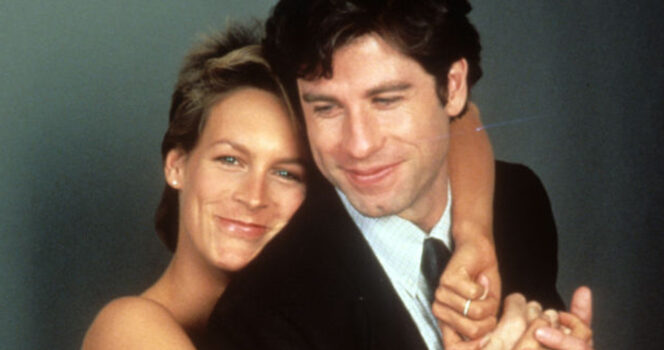
That was exactly the situation in 1985 when Perfect debuted. Starring John Travolta and Jamie Lee Curtis, directed by James Bridges, and backed by Columbia Pictures, the film appeared destined to become one of the year’s biggest hits.
Instead, it became one of Hollywood’s most talked-about disappointments. Critics were divided, audiences stayed away, and the film earned less than its production budget. Yet decades later, Perfect continues to generate discussion—not only because of its commercial performance, but also because of its unusual production, memorable performances, and evolving reputation among movie fans.
A Film That Seemed Destined for Success
By the mid-1980s, John Travolta and Jamie Lee Curtis were already well-established Hollywood stars.
Travolta had become an international sensation through films such as Saturday Night Fever and Grease, while Curtis had built an impressive career that expanded beyond horror into comedy and drama.
Bringing the two together appeared to be a winning formula.
Based on an article by journalist Aaron Latham, Perfect follows magazine reporter Adam Lawrence, who investigates two very different assignments. One involves interviewing a successful businessman, while the other explores the growing fitness club culture of the 1980s. During his research, he meets aerobics instructor Jessie Wilson, played by Jamie Lee Curtis, whose skepticism toward journalists creates both conflict and personal connection.
The combination of romance, journalism, and contemporary fitness culture reflected several popular trends of the era.
Why the Film Struggled at the Box Office
Despite its impressive cast and production values, Perfect failed to meet commercial expectations.
Produced with an estimated budget of approximately $20 million, the film reportedly earned significantly less during its theatrical release.
Reviews also proved challenging.
Some critics felt the story lacked focus, while others believed it struggled to balance romance, journalism, and social commentary within a single narrative.
Several reviewers suggested that the pacing and tone made it difficult for audiences to connect emotionally with the characters.
The film also received nominations at several awards recognizing less successful cinematic achievements, further shaping its reputation at the time.
Jamie Lee Curtis Prepared Intensively for Her Role
One aspect of Perfect that has consistently earned respect is Jamie Lee Curtis’s commitment to preparing for her character.
To portray fitness instructor Jessie Wilson convincingly, Curtis spent months training before filming began.
She learned demanding aerobics routines and worked extensively on the athletic choreography required throughout the movie.
According to interviews given later in her career, many of the physically demanding sequences were filmed early in production.
By the time filming concluded, Curtis explained that months of intensive training and dietary changes had noticeably altered her physique.
Her dedication reflected the level of preparation actors often undertake for physically demanding roles.

Behind the Famous Aerobics Scenes
Perhaps no element of Perfect has generated more discussion than its lengthy aerobics sequences.
During the 1980s, fitness culture experienced enormous popularity, with aerobics classes becoming a cultural phenomenon across the United States.
The filmmakers incorporated this trend heavily into the movie.
However, some viewers and critics felt the workout scenes were longer and more stylized than necessary for the story.
Years later, Jamie Lee Curtis shared that she wished some of those sequences had been edited differently.
In interviews, she explained that certain scenes received greater emphasis than she had originally expected, shifting audience attention away from the broader themes of the film.
Her reflections provide an interesting example of how actors may later view creative decisions differently from how they appeared during production.
John Travolta Has No Regrets
Although Perfect represented a difficult period commercially, John Travolta has spoken positively about the experience.
Rather than focusing on the film’s reception, he has highlighted the opportunity to work again with director James Bridges and the friendships formed during production.
Following the movie’s release, Travolta experienced a quieter period in his career before returning successfully in later years with films including Look Who’s Talking and eventually Pulp Fiction, which introduced him to a new generation of audiences.
His career demonstrates that even major box-office disappointments do not necessarily define an actor’s long-term success.
A Surprisingly Long Production
Originally, filming was expected to last approximately 81 days.
Instead, production extended to roughly 140 days.
The lengthy schedule surprised many involved with the project.
Large-scale sets were constructed to recreate magazine offices, while detailed filming of newsroom environments and fitness facilities required additional time.
Director James Bridges believed that careful attention to detail would strengthen the final product.
Although audiences ultimately offered mixed reactions, the production remains an example of the significant effort often invested in ambitious studio films.
Authentic Journalism Behind the Story
One particularly interesting casting decision involved Jann Wenner, co-founder and longtime editor of Rolling Stone magazine.
Rather than hiring another actor, the filmmakers cast Wenner to portray the magazine editor featured in the story.
His participation added authenticity to scenes involving magazine publishing and journalism.
Because the original story itself drew inspiration from real reporting experiences, Wenner’s involvement helped blur the line between fiction and reality.
Many film historians continue to view this as one of the movie’s most distinctive production choices.
Changing Perspectives Over Time
When Perfect first premiered, many reviews focused primarily on its shortcomings.
Over time, however, public opinion has softened.
Some modern viewers appreciate the film as a fascinating time capsule of 1980s culture, capturing fashion, music, journalism, and the era’s booming interest in health clubs.
Its soundtrack, costumes, and production design now provide nostalgic value for audiences interested in classic Hollywood cinema.
Several film enthusiasts have also argued that the performances of Travolta and Curtis deserve greater appreciation than they initially received.
This reevaluation illustrates how opinions about films often evolve across generations.
Jamie Lee Curtis Revisited the Film Years Later
One of the most entertaining tributes to Perfect came decades after its original release.
During an appearance on The Tonight Show Starring Jimmy Fallon, Jamie Lee Curtis humorously recreated the movie’s famous aerobics routine.
The playful performance celebrated the film with self-awareness rather than embarrassment.
Curtis embraced the nostalgia while demonstrating that she could laugh alongside audiences about one of the movie’s most recognizable moments.
The television segment introduced Perfect to younger viewers who had never seen the original film.
The Film’s Lasting Legacy
Although Perfect did not achieve the commercial success originally expected, it occupies an interesting place in Hollywood history.
It represents a moment when major studios invested heavily in stories reflecting contemporary trends, while also illustrating how audience expectations can differ from filmmakers’ intentions.
Today, discussions surrounding the movie often focus less on its financial performance and more on its fascinating production history, memorable cast, and cultural significance.
Rather than disappearing into obscurity, Perfect has gradually earned recognition as a film that invites fresh perspectives with each new generation of viewers.
Final Thoughts
Not every ambitious film becomes an immediate success, and Perfect is a reminder that commercial performance does not always determine a movie’s long-term cultural value. While its initial reception fell short of expectations, its talented cast, memorable production, and behind-the-scenes stories continue to spark interest decades later.
For fans of classic Hollywood, the film offers more than nostalgia. It provides a glimpse into the entertainment industry of the 1980s, the evolution of fitness culture, and the careers of two performers who remained influential long after this particular project left theaters.
Sources
-
Academy of Motion Picture Arts and Sciences – Historical information on American cinema.
-
IMDb – Cast, production, and release information.
-
American Film Institute – Resources on classic American films.
-
Rotten Tomatoes – Critical reception and audience reviews.