There are certain television interviews that remain memorable long after they first air. Not because of dramatic headlines or sensational moments, but because they allow audiences to see a well-known public figure in an entirely different light.
One such interview took place in 1972, when legendary actress Raquel Welch appeared on The Dick Cavett Show. At the height of her Hollywood career, Welch was already recognized worldwide for her beauty and film roles. Yet during this conversation, viewers discovered something that photographs and movie posters could never fully capture—her wit, warmth, and thoughtful personality.
More than five decades later, clips of the interview continue circulating online, introducing a new generation to an actress whose appeal extended far beyond the silver screen.
A Hollywood Star Who Became a Cultural Icon
Raquel Welch emerged as one of Hollywood’s most recognizable actresses during the 1960s and 1970s.
With memorable performances in films such as Fantastic Voyage (1966), One Million Years B.C. (1966), and later Kansas City Bomber (1972), she became an international celebrity whose image appeared in magazines, movie theaters, and television programs around the world.
Although she was frequently described as a glamorous screen presence, Welch often expressed a desire to be recognized for her dedication to acting rather than appearance alone.
Throughout her career, she worked across multiple genres, including adventure, comedy, westerns, musicals, and drama, demonstrating versatility that sometimes received less attention than her public image.

The Dick Cavett Show Offered a Different Perspective
Unlike many entertainment interviews of the era, The Dick Cavett Show became known for thoughtful conversations rather than quick promotional appearances.
Host Dick Cavett had a reputation for creating a relaxed atmosphere where actors, writers, musicians, and public figures could speak naturally about their careers and personal experiences.
When Welch joined the program in 1972, she appeared to promote her latest film, Kansas City Bomber. However, the discussion soon evolved into something much more personal.
Instead of simply discussing Hollywood, she reflected on the realities of preparing for physically demanding roles, managing public expectations, and navigating life in the entertainment industry.
Many viewers later remarked that the interview revealed a side of Welch they had rarely seen.
Preparing for Kansas City Bomber
One of the interview’s most interesting moments centered on Welch’s preparation for Kansas City Bomber, a sports drama in which she portrayed roller derby competitor K.C. Carr.
Rather than relying entirely on stunt performers, Welch explained that she spent considerable time learning the sport herself.
Roller derby presented unique challenges.
Professional tracks featured steep, banked curves that required speed, balance, and confidence. Mastering those skills demanded extensive practice, especially for someone without previous experience.
During training, Welch sustained a wrist injury that temporarily delayed production while she recovered.
Although the setback extended filming, she spoke about the experience with honesty and good humor, highlighting the physical commitment many actors invest in demanding roles.
Her comments offered audiences a greater appreciation for the preparation that often happens long before cameras begin recording.

The Dress That Fashion Fans Remember
Sharp-eyed viewers have noticed another fascinating detail about Welch’s appearance on the program.
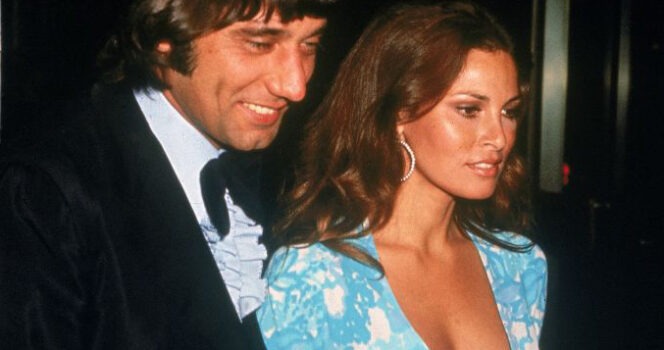
The elegant blue gown she wore during the interview had already appeared earlier that year at the Academy Awards.
Today, outfit repeating is often celebrated as an environmentally conscious fashion choice, but in the early 1970s it attracted far less attention.
Welch reportedly wore several favorite dresses on multiple occasions, demonstrating a practical approach to formal fashion.
Rather than viewing clothing as something to wear only once, she appeared comfortable revisiting elegant designs she genuinely appreciated.
Modern audiences sometimes point to these examples as an early reflection of sustainable fashion habits that have become increasingly popular today.
More Than a Famous Face
Throughout much of her career, magazine covers and promotional materials emphasized Welch’s striking appearance.
However, the Cavett interview reminded viewers that she possessed qualities extending well beyond visual glamour.
She answered questions thoughtfully, displayed a warm sense of humor, and frequently laughed at herself.
When discussing public expectations, Welch recalled amusing encounters with reporters who expected her to match the larger-than-life image created by film publicity.
She joked that some people seemed surprised she did not enter every room like an action hero.
The humorous story illustrated her ability to acknowledge public perceptions without taking them too seriously.
Rather than resisting the image Hollywood had created, she approached it with perspective and self-awareness.
Viewers Continue to Praise Her Speaking Style
As clips of the interview gained renewed popularity through online video platforms, viewers began highlighting an aspect of Welch that had often been overshadowed during her career—her voice.
Many comments praised her calm delivery, thoughtful vocabulary, and confident communication style.
Rather than focusing exclusively on appearance, modern audiences frequently mention how articulate and engaging she was during interviews.
Her relaxed conversation with Dick Cavett demonstrated poise, intelligence, and genuine curiosity, qualities that remain appealing decades later.
The interview serves as a reminder that television appearances often reveal dimensions of a performer that scripted film roles cannot fully capture.
Balancing Fame with Everyday Life
Despite her international success, Welch often described herself as someone who appreciated ordinary routines.
In interviews throughout her career, she spoke about her middle-class upbringing and emphasized the importance of staying grounded despite Hollywood recognition.
Away from premieres and award ceremonies, she reportedly preferred comfortable clothing and simple everyday fashion.
Friends and colleagues frequently described her as approachable, professional, and hardworking.
This contrast between glamorous public appearances and practical private life contributed to the lasting respect many people continue to have for her career.
Raquel Welch’s Enduring Legacy
Raquel Welch remained active in entertainment for decades, appearing in films, television productions, and stage performances while also authoring books and developing fitness and beauty projects.
She received numerous honors throughout her career, including a Golden Globe Award for her performance in The Three Musketeers (1974).
Welch passed away in February 2023 at the age of 82 after a distinguished career that influenced generations of performers.
Her contributions continue to be remembered not only through her films but also through interviews like her appearance on The Dick Cavett Show, where audiences witnessed the intelligence, humor, and authenticity behind one of Hollywood’s most recognizable stars.

Why the Interview Still Resonates Today
The continued popularity of this interview reflects a broader appreciation for genuine conversation.
In an era filled with short clips and carefully curated social media moments, viewers often enjoy revisiting interviews that unfold naturally and allow personalities to emerge without excessive editing.
Welch’s discussion with Dick Cavett reminds audiences that public figures are often far more complex than the images that define them.
Her willingness to laugh, reflect, and speak candidly created an interview that continues to feel authentic decades after it first aired.
Final Thoughts
Raquel Welch will always be remembered as one of Hollywood’s most recognizable actresses, but her appearance on The Dick Cavett Show revealed something equally lasting—her intelligence, humility, and thoughtful perspective. While her films introduced audiences to a talented performer, interviews like this one allowed viewers to appreciate the person behind the public image.
As new generations discover classic television conversations online, Welch’s interview remains a reminder that lasting influence is built not only through memorable performances but also through authenticity, kindness, and the ability to connect with people through genuine conversation.
Sources
-
The Academy of Motion Picture Arts and Sciences – Historical information on the Academy Awards.
-
Encyclopaedia Britannica – Biography of Raquel Welch.
-
Golden Globe Awards – Career recognition and award history.
-
The Paley Center for Media – Information about classic American television programs, including The Dick Cavett Show.