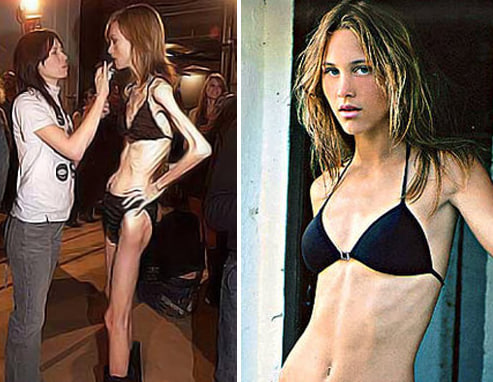
Fashion has long been celebrated as a form of creativity, culture, and self-expression. Every season, designers introduce new collections that inspire trends around the world, while models bring those artistic visions to life on international runways. Yet behind the glamour, one conversation continues to return: what defines a healthy and realistic beauty standard?
For decades, the fashion industry has been criticized for favoring exceptionally slim models. Although many organizations and governments have introduced initiatives to encourage healthier working conditions and greater body diversity, discussions surrounding body image remain active. Some runway shows continue to feature very thin models, prompting renewed conversations among consumers, health professionals, and industry leaders.
Rather than focusing on individual appearances, this discussion reflects a broader question about how fashion can balance artistic expression with responsibility toward the people who create and consume it.
The Evolution of Beauty Standards in High Fashion
Beauty standards have never remained fixed throughout history.
During different eras, cultures celebrated different body types, facial features, hairstyles, and clothing silhouettes. What was considered fashionable in one decade often changed dramatically in the next.
Modern high fashion developed its own aesthetic during the second half of the twentieth century. Designers often preferred tall, slender models because they believed a lean frame emphasized the shape and structure of garments without distracting from the clothing itself.
As luxury fashion expanded globally, this runway look became closely associated with prestige and exclusivity. Agencies, casting directors, and designers increasingly searched for models who fit very specific measurements.
Over time, these preferences influenced magazines, advertising campaigns, and popular culture, shaping public perceptions of beauty around the world.
However, growing awareness of health, mental well-being, and body diversity has encouraged many people to question whether one narrow standard should continue to dominate an industry that serves millions of consumers with diverse appearances.
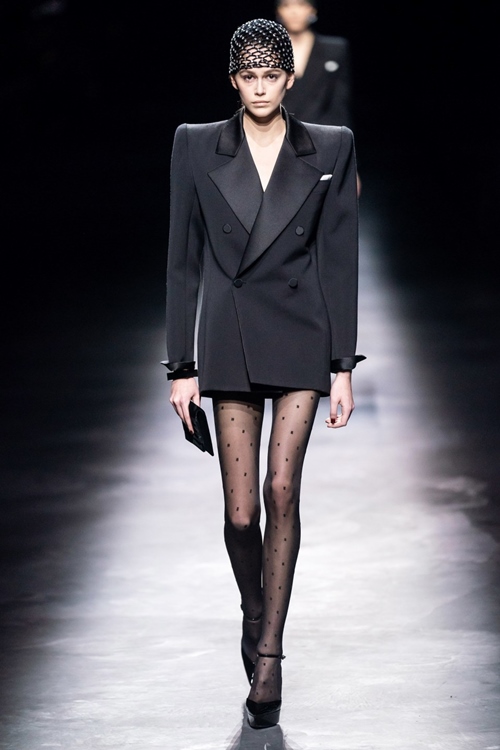
Why Extremely Slim Models Remain Common on Some Runways
Although fashion has become more inclusive in recent years, exceptionally slim models still appear regularly during many international fashion weeks.
There are several reasons this continues to happen.
Garment Construction
Luxury fashion collections are usually designed months before they appear on the runway.
Sample garments are often produced in one standard size to reduce production costs and simplify fittings. Designers may therefore cast models whose measurements closely match those samples.
While this approach is common within the industry, critics argue that it limits opportunities for models with naturally different body types.
Artistic Vision
Many fashion houses describe runway presentations as artistic performances rather than ordinary retail events.
Some creative directors believe that a consistent silhouette allows audiences to focus primarily on the craftsmanship, fabrics, tailoring, and overall collection.
Supporters view this as an artistic decision, while others believe it unintentionally reinforces narrow beauty ideals.
Industry Traditions
Fashion is an industry built on long-standing traditions.
Even as conversations about inclusion grow stronger, established practices often take time to evolve. Designers, agencies, photographers, and casting directors each influence the types of models selected for major shows.
Because so many different organizations participate in the process, widespread change tends to happen gradually rather than all at once.

Health Initiatives Introduced by the Fashion Industry
Growing concern about model well-being has encouraged governments and fashion organizations to introduce new guidelines over the past decade.
Several countries have implemented measures intended to promote healthier working environments for professional models.
For example, France introduced legislation requiring professional fashion models to provide medical documentation confirming they are fit to work. The law was designed to encourage better health standards within the modeling industry rather than relying solely on physical appearance.
Major luxury groups have also announced policies intended to improve working conditions. Some companies committed to avoiding the hiring of models below certain age limits while emphasizing the importance of health assessments before runway participation.
Industry organizations have likewise introduced recommendations encouraging agencies and designers to prioritize both physical and mental well-being throughout the casting process.
Although these initiatives represent meaningful progress, experts note that implementing change consistently across a global industry remains an ongoing challenge.

Public Reactions Continue to Evolve
Social media has transformed the conversation surrounding fashion.
Years ago, runway shows were viewed mainly by industry professionals and magazine readers. Today, millions of people watch fashion week presentations online within minutes of their debut.
As a result, audiences now respond immediately to casting choices.
Some viewers praise designers for presenting artistic collections exactly as envisioned.
Others express concern when models appear noticeably thinner than expected, arguing that fashion should reflect a broader range of healthy body types.
These discussions often generate widespread debate—not because of any one individual model, but because people increasingly recognize the influence fashion imagery can have on confidence, self-esteem, and perceptions of beauty, especially among younger audiences.
Rather than criticizing individual models, many experts encourage conversations that focus on improving industry practices while respecting the dignity and professionalism of those working within fashion.

Body Diversity Is Becoming More Visible
Despite ongoing criticism, the fashion industry has experienced meaningful changes in recent years.
Many international brands have expanded their campaigns to feature models representing different body shapes, ages, ethnic backgrounds, and life experiences.
Consumers increasingly value authenticity and representation, encouraging brands to showcase clothing on people with a wider variety of appearances.
This shift has also been supported by digital commerce. Because customers shop online more frequently, retailers recognize the importance of helping shoppers visualize how garments may look on different body types.
As a result, inclusive casting has gradually become both a creative choice and a practical business strategy.
While luxury runway presentations may still follow particular artistic traditions, advertising campaigns, e-commerce platforms, and commercial fashion have become noticeably more diverse than in previous decades.