
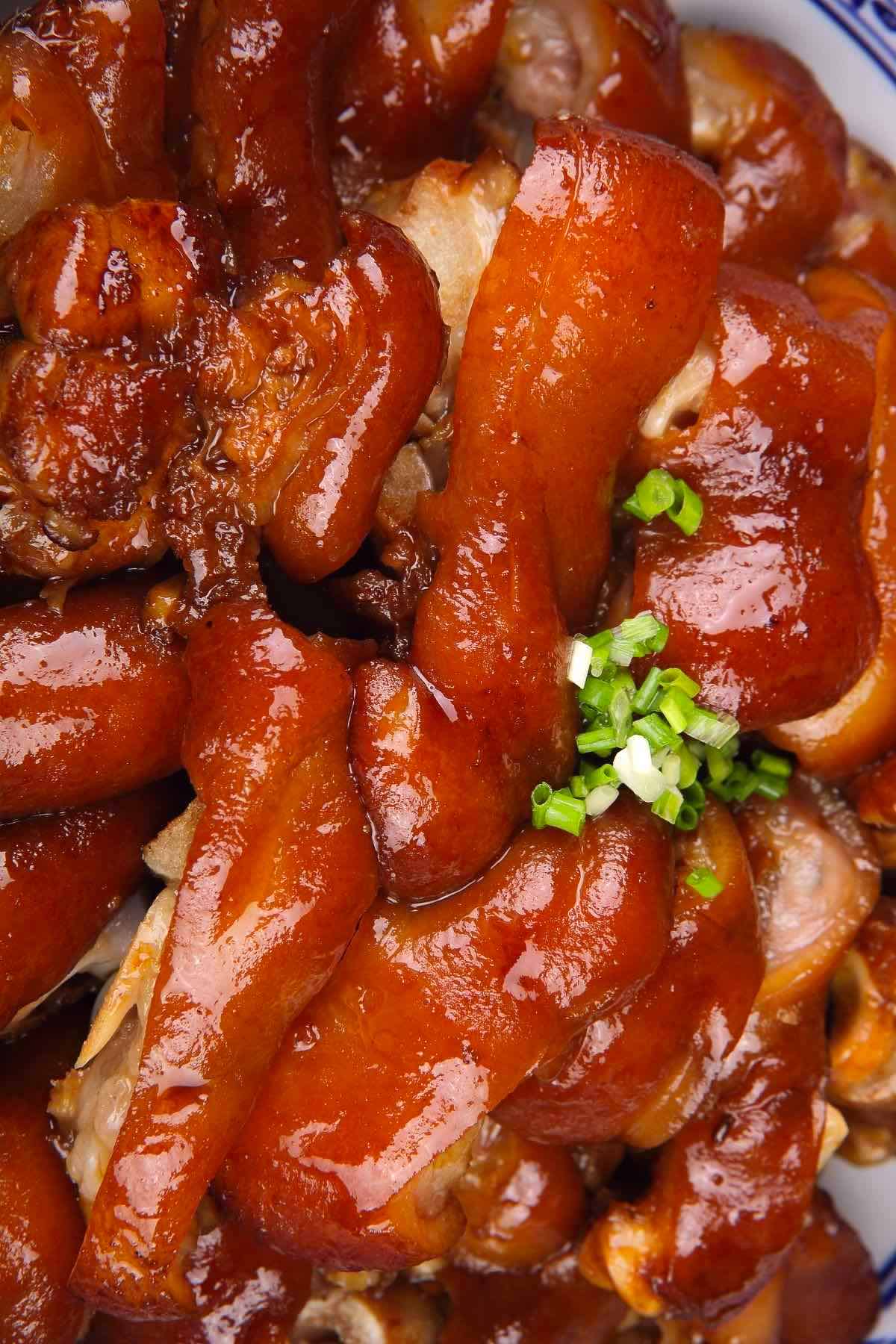
Pig’s feet are often overlooked in modern kitchens, yet they have been a staple ingredient in many cultures for centuries. From hearty European stews and flavorful Asian soups to traditional Latin American recipes, they have earned a reputation for creating rich broths and satisfying meals.
While they may not be as common as other cuts of pork, pig’s feet offer unique culinary qualities and nutritional value. Understanding what makes them different can help separate traditional wisdom from common misconceptions.
Why Pig’s Feet Are Popular in Traditional Cuisine
One of the defining characteristics of pig’s feet is their abundance of connective tissue, including skin, cartilage, and tendons.
When cooked slowly over several hours, these tissues naturally break down into gelatin, giving soups and stews a rich texture and full-bodied flavor.
This is one reason pig’s feet have remained a favorite ingredient in many traditional recipes around the world.
Nutritional Profile
Pig’s feet provide several nutrients, although their composition differs from lean cuts of meat.
They contain:
-
Collagen-rich connective tissue
-
Protein derived primarily from collagen
-
Small amounts of minerals such as calcium and phosphorus
-
Fat, with the amount varying depending on preparation and trimming
Because collagen protein lacks some essential amino acids found in higher amounts in muscle meat, pig’s feet are not considered a complete protein source. They are best enjoyed as part of a varied and balanced diet that includes other protein-rich foods.
Understanding Collagen
Collagen has received significant attention in recent years for its role in supporting the body’s connective tissues.
Pig’s feet are naturally rich in collagen, which converts into gelatin during slow cooking.
However, it’s important to understand how the body processes it.
After digestion, collagen is broken down into amino acids and small peptides. The body then uses these building blocks wherever they are needed, rather than directing them specifically to the skin, joints, or other tissues.
For this reason, eating collagen-rich foods should not be viewed as a guaranteed or immediate way to improve a particular part of the body.
The Importance of Slow Cooking
Preparing pig’s feet requires patience.
They are typically simmered slowly for several hours, allowing the tough connective tissue to soften and release gelatin into the cooking liquid.
This slow cooking process creates a silky broth that serves as the foundation for many traditional dishes.
Common additions include:
-
Garlic
-
Onions
-
Ginger
-
Bay leaves
-
Black pepper
-
Herbs and regional spices
The exact seasonings vary widely depending on local culinary traditions.
Traditional Dishes Around the World
Pig’s feet appear in a wide variety of regional cuisines.
In Europe, they are commonly featured in slow-cooked stews and rustic country recipes.
Across Asia, they are often simmered in richly seasoned broths or braised with aromatic ingredients.
In many Latin American cuisines, pig’s feet are incorporated into soups and traditional family meals that have been passed down through generations.
These dishes often emphasize making full use of every part of the animal, reflecting both culinary creativity and resourcefulness.

Separating Facts From Common Myths
Several popular claims suggest that eating pig’s feet can directly improve skin appearance, strengthen joints, or provide dramatic health benefits.
Current scientific understanding offers a more balanced perspective.
While pig’s feet contribute protein and collagen-derived amino acids, the body determines how those nutrients are used after digestion.
No single food can guarantee specific improvements to skin, hair, or joint health on its own.
Overall nutrition, physical activity, sleep, and other lifestyle factors all contribute to long-term well-being.
Enjoying Pig’s Feet as Part of a Balanced Diet
Like many traditional foods, pig’s feet can fit into a balanced eating pattern when enjoyed in moderation.
Pairing them with vegetables, whole grains, and other nutrient-rich foods helps create a more complete meal.
Cooking methods also matter.
Slow simmering, rather than deep frying, allows the natural gelatin-rich broth to develop while minimizing the need for additional fats.
More Than Just Food
Beyond nutrition, pig’s feet represent an important part of culinary heritage.
Many traditional recipes developed from the principle of using every edible part of the animal, reducing waste while creating flavorful and nourishing meals.
These cooking traditions continue to connect families with recipes that have been shared across generations.

Final Thoughts
Pig’s feet may not be the most familiar ingredient in every kitchen, but they remain an excellent example of how traditional cooking techniques can transform simple ingredients into satisfying meals.
Rich in collagen and prized for the silky texture they bring to soups and stews, they have earned a lasting place in many culinary traditions around the world.
Although they are not a miracle food, pig’s feet can be a flavorful addition to a balanced diet when prepared thoughtfully. More importantly, they remind us that many overlooked ingredients carry valuable stories of culture, sustainability, and generations of home cooking.
Sources
-
United States Department of Agriculture – Food composition and nutrition resources.
-
Harvard T.H. Chan School of Public Health – Information on healthy dietary patterns and protein.
-
Academy of Nutrition and Dietetics – Nutrition guidance and evidence-based dietary information.