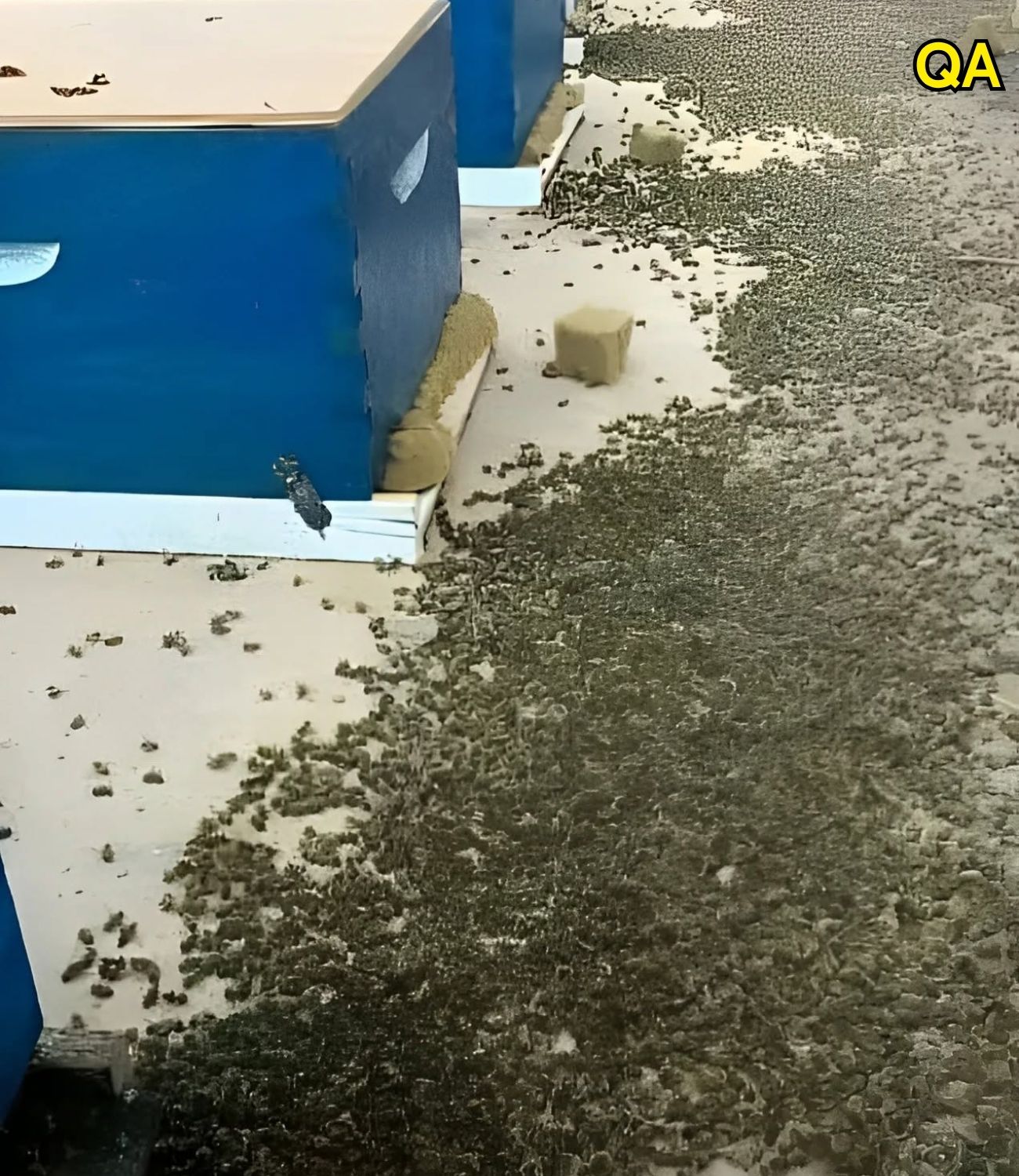
Few creatures have a greater impact on our everyday lives than bees. Although they are small, these remarkable pollinators play an essential role in maintaining healthy ecosystems and supporting the production of many of the foods we enjoy every day.
From fruits and vegetables to nuts and flowering plants, bees contribute to the growth of countless species. Because of this, scientists and conservation groups around the world have expressed concern about declining bee populations and the need to protect their habitats.
Why Are Bees So Important?
Bees are among the world’s most effective pollinators.
As they travel from flower to flower collecting nectar and pollen, they help plants reproduce by transferring pollen between blossoms. This natural process allows many crops and wild plants to produce fruits, seeds, and new generations of plants.
Healthy bee populations benefit:
-
Fruit orchards
-
Vegetable farms
-
Berry crops
-
Nut trees
-
Wildflowers
-
Many native plant species
Without pollinators, many plants would produce fewer fruits and seeds, affecting both agriculture and natural ecosystems.
Do Bees Pollinate Most of Our Food?
A common claim is that “70% of the world’s food depends on bees.”
The reality is a bit more nuanced.
Many important food crops benefit from animal pollination, including bees, butterflies, birds, bats, and other insects. Bees are among the most significant of these pollinators, especially for crops such as apples, almonds, blueberries, cherries, cucumbers, pumpkins, and many others.
Not every crop relies on bee pollination. Staple foods such as wheat, rice, and corn are primarily pollinated by wind rather than insects.
Even so, bees make an enormous contribution to agricultural diversity and food production.
Are Bee Populations Declining?
Researchers in many parts of the world have reported declines in certain wild bee species as well as challenges facing managed honey bee colonies.
The causes can vary depending on the region but may include:
-
Habitat loss
-
Reduced availability of flowering plants
-
Certain pests and diseases
-
Climate-related changes
-
Exposure to some pesticides
-
Environmental stress
Scientists continue to study these factors to better understand how they interact and how pollinator populations can be protected.
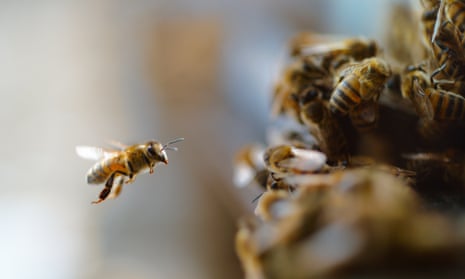
Did Albert Einstein Really Say Humans Would Have Only Four Years Left?
A quote frequently shared online claims:
“If the bees disappear, humanity will have only four years left to live.”
This statement is widely attributed to Albert Einstein, but historians have found no reliable evidence that he ever said or wrote these words.
While the quote is almost certainly misattributed, it does highlight an important idea: pollinators play a critical role in healthy ecosystems and food production.
Rather than focusing on dramatic predictions, experts emphasize the importance of protecting biodiversity and maintaining resilient agricultural systems.
How Can We Help Bees?
Everyone can contribute to creating a more pollinator-friendly environment.
Simple actions include:
-
Plant a variety of native flowers that bloom throughout the growing season.
-
Reduce or avoid unnecessary pesticide use whenever possible.
-
Leave small natural areas where wild pollinators can nest.
-
Support local beekeepers by purchasing responsibly produced honey and bee-related products.
-
Learn about local conservation programs that protect pollinator habitats.
Even small gardens, balconies, and community green spaces can provide valuable food sources for bees.
Why Healthy Pollinator Populations Benefit Everyone
Protecting bees isn’t just about honey.
Healthy pollinator populations support biodiversity, strengthen ecosystems, and help many crops produce abundant harvests.
When pollinators thrive, farmers, gardeners, wildlife, and communities all benefit.
Scientists, conservation organizations, farmers, and individuals each play an important role in helping create environments where bees and other pollinators can continue to flourish.
Final Thoughts
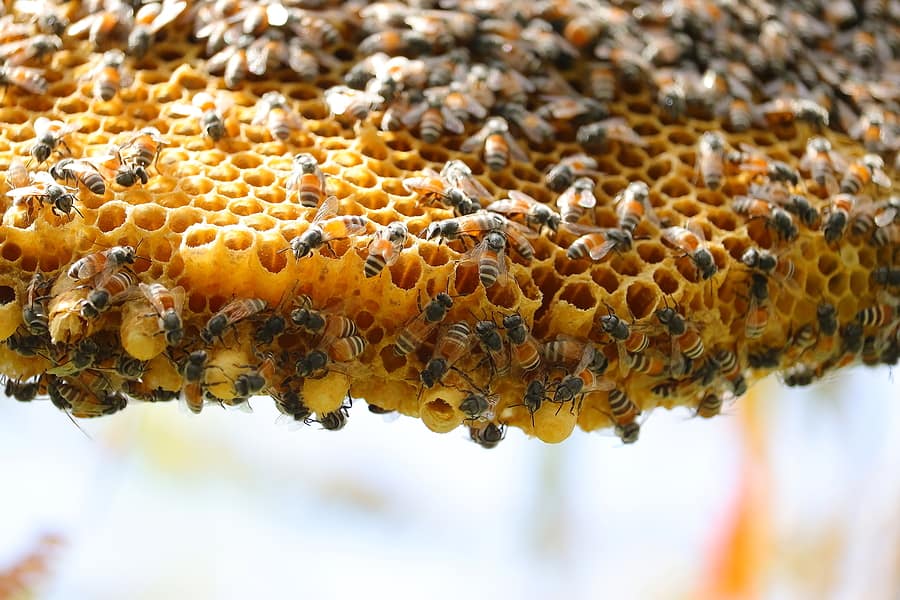
Bees may be small, but their contribution to the natural world is remarkable. While some claims shared online can be exaggerated or lack scientific support, there is broad agreement among researchers that pollinators deserve careful protection.
By supporting healthy habitats, planting pollinator-friendly flowers, and making environmentally conscious choices where possible, each of us can help protect these valuable insects for future generations.
Sources
-
Food and Agriculture Organization of the United Nations – Resources on pollinators and sustainable agriculture.
-
United States Department of Agriculture – Information on pollinator conservation and agricultural ecosystems.
-
Xerces Society for Invertebrate Conservation – Educational resources on protecting bees and other pollinators.
-
International Union for Conservation of Nature – Research and assessments related to pollinator biodiversity.