A Simple Video That Sparked an Extraordinary Rescue
Some of the most meaningful rescue stories begin with a single person choosing to care.
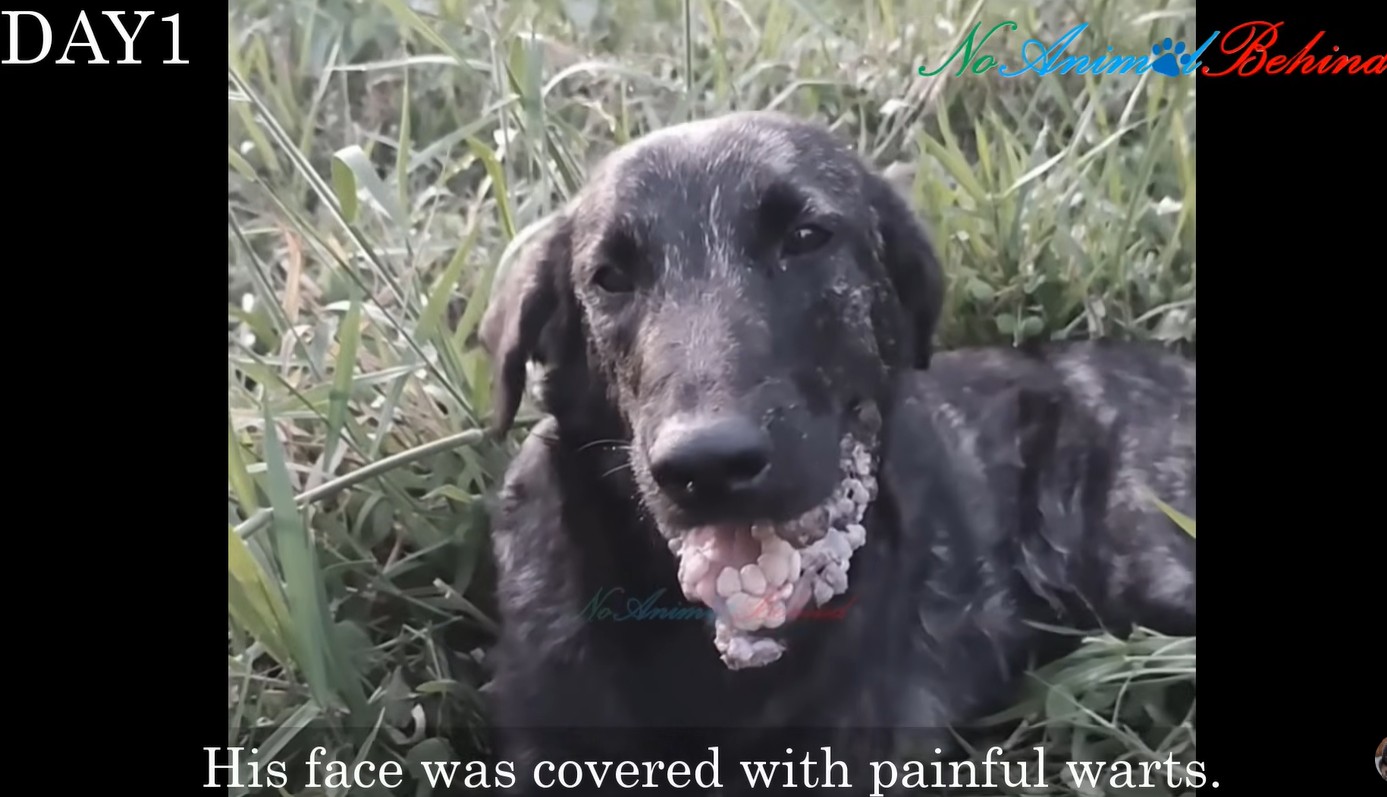
On a warm afternoon, the Animal Hearts rescue team received a message from a concerned young resident. Attached to it was a brief, unsteady video recorded on a mobile phone. The footage showed a stray dog resting quietly beside a street, his head lowered as though every movement required tremendous effort.
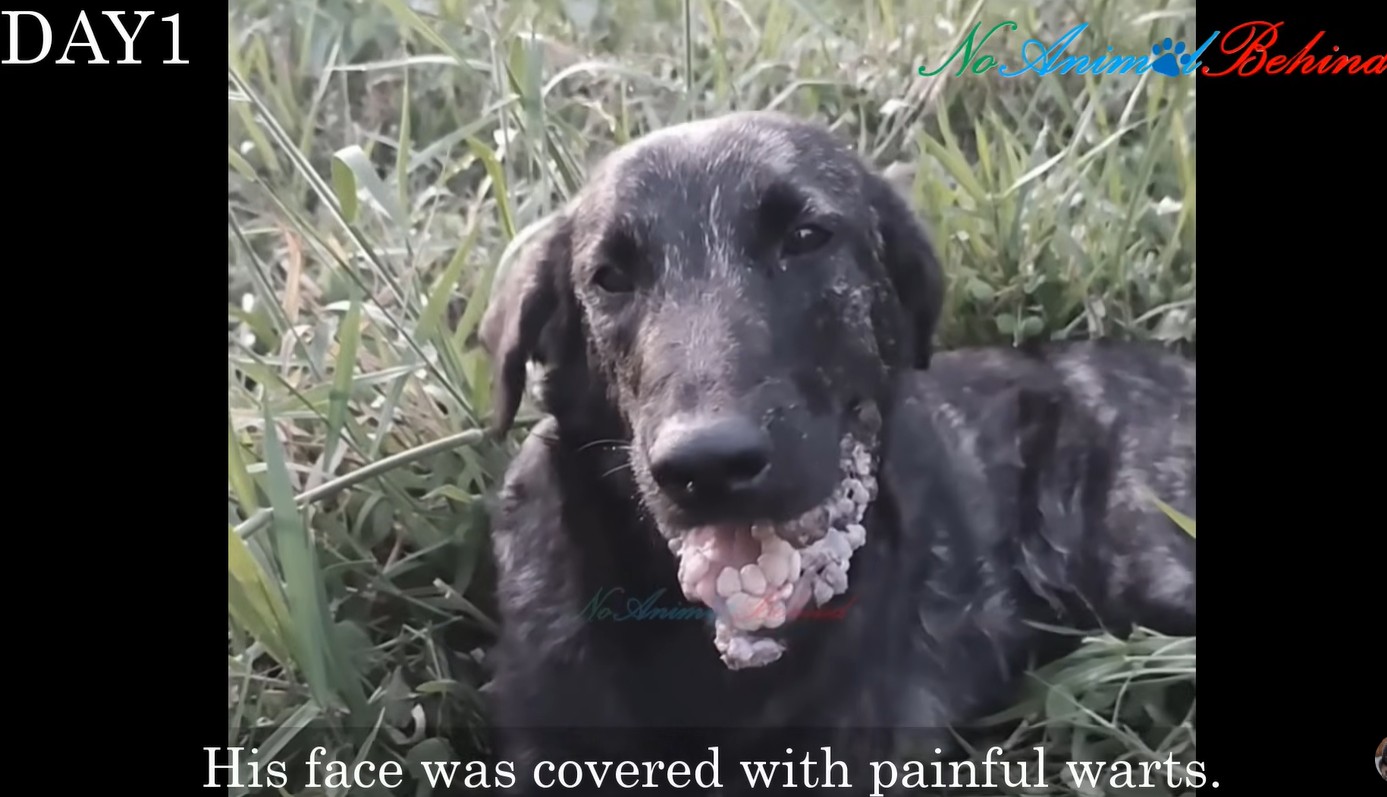
At first glance, the dog’s face appeared unusually enlarged because of several visible growths. He remained still while pedestrians walked past, many seemingly unaware that an animal nearby was struggling to cope with a serious medical condition.
For the volunteers watching the video, the message was impossible to ignore.
Without hesitation, they organized a search, hoping they could locate the dog before his condition became even more challenging. What followed was not only the story of one animal’s rescue but also a reminder of the remarkable difference that kindness, veterinary care, and community support can make.
Searching the Streets for a Dog No One Seemed to Notice
Finding a stray animal in a busy city is rarely simple.
Dogs often move between neighborhoods searching for food, water, or a safe place to rest. They may avoid unfamiliar people out of caution, especially if they have spent long periods surviving on their own.
The Animal Hearts volunteers searched tirelessly through nearby streets, parks, vacant lots, and narrow alleyways. They spoke with shop owners, local residents, and anyone who might have seen the dog recently.
Each lead brought renewed hope.
After several days of searching, they finally found him resting quietly against a concrete wall.
He appeared tired and underweight, yet his eyes remained alert as he cautiously watched the rescuers approach.
Rather than rushing toward him, the team allowed him time to observe them. Rescue professionals understand that frightened animals often respond best to patience and calm body language.
Slowly, the distance between them grew smaller.
Then something remarkable happened.
As one volunteer gently reached out, the dog’s tail began to wag.
“It was an unforgettable moment,” one rescuer later recalled. “Despite everything he had experienced, he still chose to trust us.”
That small gesture marked the beginning of a completely different future.
Understanding the Dog’s Condition
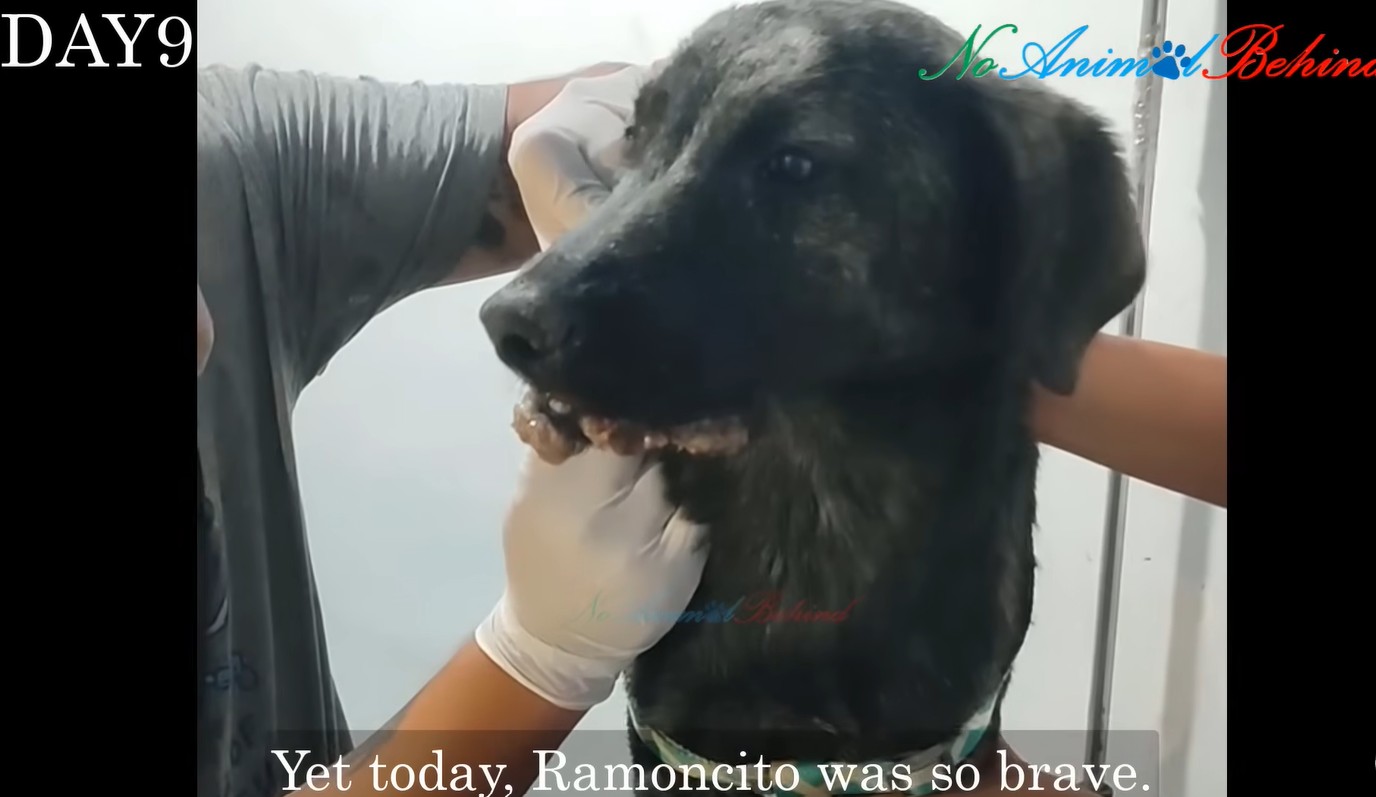
Once safely transported to veterinary professionals, the dog’s condition could finally be examined more carefully.
The visible growths around his face appeared to interfere with everyday activities, particularly eating comfortably. Veterinary medicine recognizes that facial masses or swelling in dogs can develop for many different reasons, including benign growths, infections, inflammation, cysts, dental disease, immune-related conditions, or other medical disorders.
Because similar symptoms can have many different causes, veterinarians generally rely on physical examinations, diagnostic imaging, laboratory testing, and tissue analysis before determining an accurate diagnosis.
For that reason, it is important not to assume the cause of visible facial swelling based solely on photographs or videos shared online.
Each animal deserves an individualized medical assessment conducted by qualified professionals.
Why Dogs Often Hide Signs of Illness
Many people wonder why stray dogs sometimes continue moving around despite obvious physical challenges.
Animal behavior experts explain that dogs naturally try to adapt to discomfort whenever possible. In the wild, appearing weak could increase vulnerability, so many animals continue normal behaviors until their condition significantly limits daily activities.
This instinct sometimes makes medical problems more difficult for casual observers to recognize.
In the case of rescued strays, caregivers often discover multiple health concerns that had gone unnoticed while the animal was living outdoors.
Routine veterinary evaluations become an essential first step toward recovery.
The Importance of Compassionate Rescue
Rescuing a frightened stray requires much more than simply bringing the animal indoors.
Professional rescue organizations follow careful procedures designed to reduce stress while protecting both the animal and the rescuers.
New arrivals typically receive:
A complete veterinary examination.
Nutritional support appropriate for their condition.
Parasite prevention when needed.
Vaccinations if recommended.
Behavioral assessment.
A quiet environment where they can gradually adjust to human interaction.
Some dogs recover physically within weeks.
Others require longer rehabilitation before they are ready for adoption.
Patience remains one of the most valuable tools throughout the process.
The Emotional Recovery Is Just as Important
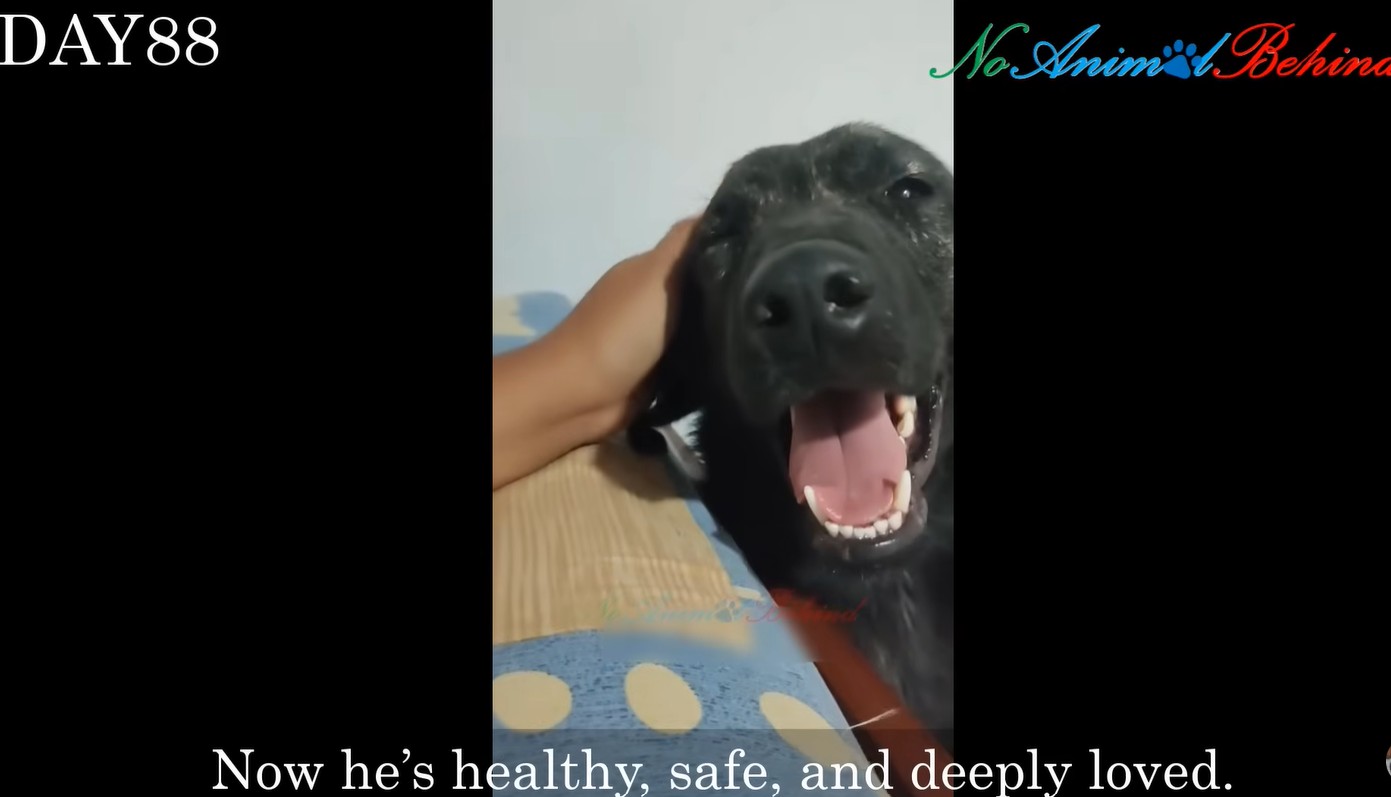
Physical healing is only one part of rehabilitation.
Dogs that have spent extended periods without stable care often need time to rebuild confidence.
Simple experiences that many pets take for granted can become important milestones.
Learning that food will arrive consistently.
Sleeping in a comfortable space without interruption.
Accepting gentle human touch.
Playing with toys.
Relaxing without constant vigilance.
Animal behavior specialists frequently emphasize that trust develops gradually through positive, predictable interactions.
The wagging tail the rescuers witnessed during their first meeting may have been a small gesture, but it symbolized the beginning of that rebuilding process.
Why Community Members Play Such an Important Role
This rescue began because one observant person decided to send a message.
Across the world, countless successful rescues start in exactly the same way.
Residents notice an injured or vulnerable animal.
They contact a local rescue organization.
Experienced volunteers investigate.
Veterinary professionals provide medical care.
Foster families offer temporary homes.
Eventually, many animals find permanent families.
Every step depends upon cooperation.
Without the original message, the Animal Hearts team may never have known the dog needed assistance.
Community awareness often becomes the first link in an entire chain of compassion.
Myths About Stray Dogs
Stories involving stray animals sometimes lead to misconceptions.
One common myth is that stray dogs cannot become loving companions.
Animal welfare professionals regularly demonstrate otherwise.
Many rescued dogs adapt remarkably well once they receive proper medical care, nutrition, and patient socialization.
Another misconception is that every visible growth automatically indicates the same medical condition.
In reality, veterinary medicine recognizes numerous possible causes, making professional diagnosis essential.
Finally, some people believe frightened dogs cannot learn to trust again.
Although every case is different, countless successful rehabilitations show that many rescued animals gradually build strong relationships with caring people when given time and appropriate support.
The Science Behind Successful Rehabilitation
Modern animal welfare combines compassion with evidence-based veterinary care.
Nutrition plays a major role during recovery.
Dogs experiencing prolonged health challenges may require carefully balanced diets that support healing while meeting their individual medical needs.
Veterinarians also monitor hydration, mobility, body condition, and overall health throughout rehabilitation.
Behavior specialists may recommend gradual exposure to new environments, reward-based training, and enrichment activities that encourage confidence without creating unnecessary stress.
Together, these approaches help improve both physical and emotional well-being.
How You Can Help Animals in Need
Not everyone has the ability to rescue a stray dog personally, but there are many meaningful ways to support animal welfare.
Donating food, blankets, medical supplies, or funds helps shelters continue caring for animals awaiting homes.
Volunteering provides additional assistance with feeding, cleaning, transportation, enrichment, and adoption events.
Choosing adoption when looking for a companion animal also creates opportunities for rescued pets to begin new lives.
Even sharing verified information about local rescue organizations can help connect vulnerable animals with people who are equipped to assist them.
Small actions often create lasting impact.
A Story That Continues Beyond the Rescue
Although the rescue itself was inspiring, the dog’s journey did not end when he entered the care of Animal Hearts.
Recovery is rarely immediate.
Veterinary treatment, proper nutrition, and patient rehabilitation all require time.
Every improvement, whether eating more comfortably, gaining strength, or showing greater confidence around caregivers, represents another important step forward.
Stories like this remind us that successful rescues are rarely the result of one dramatic moment.
Instead, they are built through hundreds of small acts of dedication performed by rescuers, veterinarians, foster caregivers, donors, and compassionate members of the public.
A Reflection on Compassion and Curiosity
People are naturally drawn to unusual rescue stories because they awaken both curiosity and empathy. We want to understand what happened, how an animal reached such difficult circumstances, and whether recovery is possible.
While not every question has an immediate answer, one truth remains remarkably consistent: compassion often begins with someone choosing to pay attention when others walk by.
The concerned resident who recorded a short video, the volunteers who refused to stop searching, and the veterinary professionals who provided expert care each contributed to a story that became far larger than any one individual.
In a world filled with distractions, moments of kindness remind us that even the smallest action can change the course of another life. Curiosity helps us notice what others may overlook, while compassion inspires us to respond. Together, they continue to shape some of the most meaningful stories shared between people and animals.
Sources
-
World Organisation for Animal Health (WOAH). Animal Welfare Guidelines. https://www.woah.org
-
American Veterinary Medical Association (AVMA). Pet Health Resources. https://www.avma.org
-
American Society for the Prevention of Cruelty to Animals (ASPCA). Caring for Rescued Dogs. https://www.aspca.org
-
Humane World for Animals (formerly Humane Society of the United States). Helping Stray and Homeless Animals. https://www.humaneworld.org
-
Merck Veterinary Manual. Common Conditions Affecting Dogs. https://www.merckvetmanual.com