Many people think of blood sugar as something that only affects energy levels or diet. However, healthcare professionals know that changes in blood sugar can influence many parts of the body—including the feet.
Because the feet contain a dense network of nerves and small blood vessels, they may sometimes show early signs of conditions such as diabetes. That said, these symptoms are not specific to diabetes and can also be caused by many other health issues. The only way to diagnose diabetes is through appropriate medical evaluation and blood tests.
If you notice persistent or worsening symptoms, it’s a good idea to consult a healthcare provider.
Why Foot Health Matters
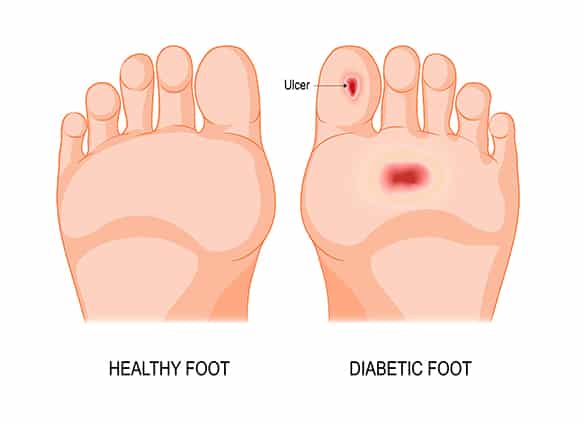
Over time, consistently elevated blood sugar may affect nerves (a condition known as diabetic neuropathy) and circulation. These changes can alter how the feet feel and heal.
Paying attention to your feet is one part of maintaining overall health, but it should never replace regular medical checkups or recommended diabetes screening.
1. Tingling or “Pins and Needles”
Occasional tingling after sitting in one position is common.
However, frequent or persistent tingling in the feet may warrant medical evaluation. While diabetes is one possible cause, similar sensations can also result from vitamin deficiencies, nerve compression, medication side effects, or other neurological conditions.
2. Numbness
Reduced sensation in the feet or toes can occur when nerves are affected.
Persistent numbness deserves medical attention because it may increase the risk of unnoticed cuts, blisters, or other injuries.
3. Burning Sensations
Some people experience burning, warmth, or discomfort in their feet, particularly during the evening.
These symptoms may be associated with nerve-related conditions, including diabetic neuropathy, but they can also have other medical causes.
4. Cold Feet
Feeling that your feet are unusually cold may be related to circulation, environmental temperature, or other health conditions.
In some individuals with diabetes, circulation changes can contribute to this sensation, but cold feet alone are not enough to indicate diabetes.
5. Sharp or Shooting Pain
Intermittent sharp pains or electric shock-like sensations may occur with various nerve conditions.
If these symptoms become frequent or interfere with daily activities, discussing them with a healthcare professional is advisable.
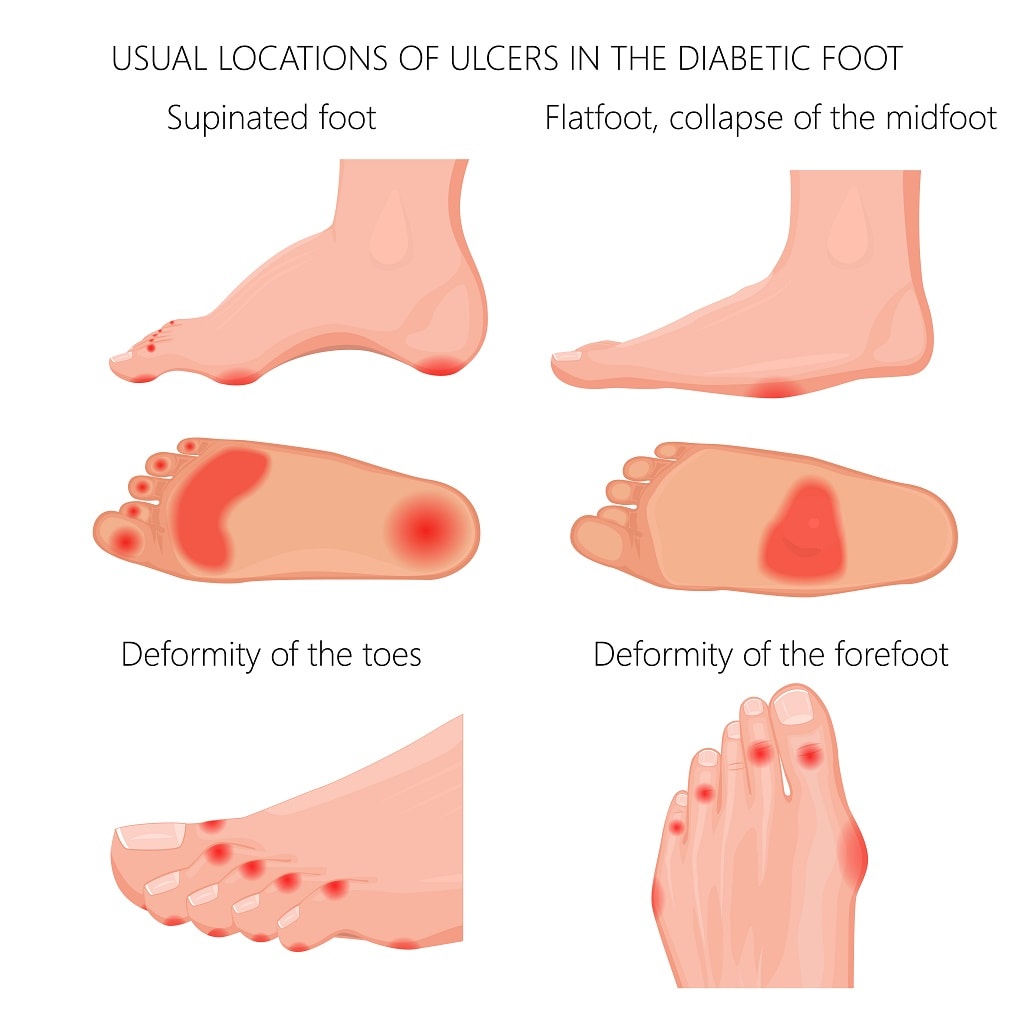
6. Slow-Healing Cuts or Blisters
Minor cuts and scrapes normally improve within a reasonable amount of time.
If wounds on the feet heal slowly or repeatedly become irritated, they should be evaluated promptly. People living with diabetes are often encouraged to check their feet regularly because reduced circulation and nerve damage can make injuries easier to overlook.
7. Frequent Foot Infections
Recurring skin or nail infections may have multiple causes.
When diabetes is poorly controlled, the body’s ability to fight certain infections may be reduced, making medical evaluation important.
8. Dry or Cracked Skin
Dry skin is extremely common and often results from weather, aging, or skin conditions.
In some cases, nerve changes associated with diabetes may reduce normal sweating, contributing to dryness. Moisturizing regularly can help maintain healthy skin, but persistent cracking should be assessed by a healthcare provider.
9. Changes in Skin Color
Noticeable changes in the color of the feet—such as persistent redness, paleness, or darker areas—should not be ignored.
These changes can result from many different conditions, including circulation problems that require medical attention.
10. Swelling
Foot or ankle swelling may occur after prolonged standing, injury, or travel.
Persistent or unexplained swelling should be evaluated because it can have many possible causes, including heart, kidney, vascular, or metabolic conditions.
11. Muscle Weakness
Difficulty lifting the foot or noticeable weakness while walking may indicate a nerve or muscle problem.
Prompt medical assessment is recommended, especially if symptoms develop suddenly.
12. Loss of Balance
Reduced sensation in the feet may affect balance in some individuals.
Since balance problems can also result from inner ear disorders, neurological conditions, or medication effects, a comprehensive evaluation is important.
When Should You Talk to a Healthcare Professional?
Consider seeking medical advice if you experience:
- Persistent numbness or tingling
- Burning pain that does not improve
- Slow-healing foot wounds
- Frequent foot infections
- Significant changes in foot color or temperature
- New balance difficulties
- Any combination of these symptoms along with increased thirst, frequent urination, unexplained fatigue, or unexpected weight changes
Early evaluation can help identify the underlying cause and allow timely treatment if needed.
Tips for Healthy Feet
Whether or not you have diabetes, these habits can help support foot health:
- Inspect your feet regularly for cuts, blisters, or skin changes.
- Wash and dry your feet thoroughly, especially between the toes.
- Moisturize dry skin, avoiding excess lotion between the toes.
- Wear properly fitting shoes and clean socks.
- Trim toenails carefully or seek professional care if needed.
- Stay physically active according to your healthcare provider’s recommendations.
- Attend regular medical checkups and recommended health screenings.

Final Thoughts
Your feet can provide helpful clues about your overall health, but they are not a “blood sugar meter.” Many foot symptoms have multiple possible causes, and no single symptom can diagnose diabetes.
If you notice persistent changes in sensation, circulation, or skin health, speaking with a healthcare professional is the best way to determine the cause. Early diagnosis and appropriate care can make a meaningful difference in managing diabetes and many other conditions.
Sources
- American Diabetes Association (ADA) – Foot Care and Diabetes
- Centers for Disease Control and Prevention (CDC) – Diabetes Symptoms and Prevention
- National Institute of Diabetes and Digestive and Kidney Diseases (NIDDK) – Diabetic Neuropathy
- Mayo Clinic – Diabetic Neuropathy Overview
- National Health Service (NHS) – Diabetic Foot Problems