Installing a fence is often seen as a practical home improvement project. Homeowners typically think about privacy, security, defining property lines, or enhancing the appearance of their outdoor space. Yet one simple detail can have a surprisingly meaningful impact on both the look of a neighborhood and the relationship between neighbors: which direction the finished side of the fence faces.
Many people assume that fence orientation is purely a matter of personal preference. However, in many communities, placing the smooth, finished side toward neighboring properties is considered both good etiquette and, in some cases, a local requirement. This seemingly small decision reflects broader values such as respect, communication, and community cooperation.
While fence regulations vary by location, understanding the reasoning behind this long-standing practice can help homeowners make informed choices that benefit everyone involved.
What Is the “Finished Side” of a Fence?
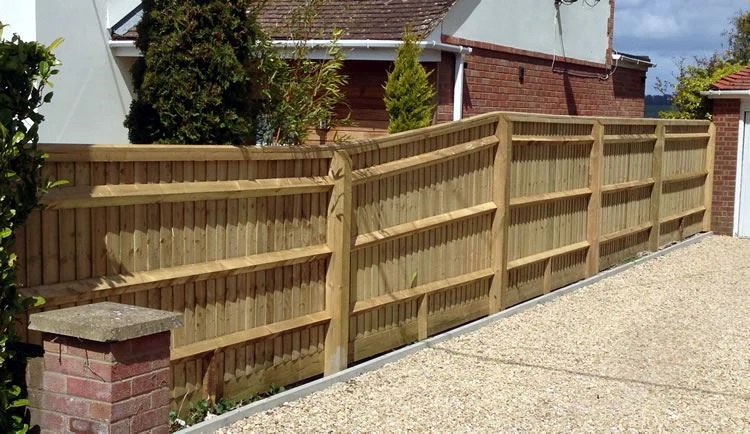
The finished side of a fence is the surface designed to be most visually appealing. It typically features smooth boards, decorative panels, or evenly spaced pickets with few visible structural components.
The opposite side often exposes support rails, posts, or framing that provide the fence’s strength. Although structurally sound, this side generally has a more utilitarian appearance.
For many traditional wood fences, the difference between the two sides is immediately noticeable, while some modern fencing systems are designed to appear nearly identical from both directions.
Why Is the Finished Side Usually Directed Toward the Neighbor?
One of the most common reasons is courtesy.
Displaying the polished side outward demonstrates consideration for neighboring properties. It shows that homeowners care about the shared visual environment rather than focusing only on their own view.
This practice has become widely accepted in many neighborhoods because it encourages mutual respect. While a fence marks the boundary between two properties, it also represents a shared visual feature that both households experience every day.
A thoughtfully installed fence can contribute to positive relationships by showing attention to detail and a willingness to consider others.
Local Rules May Influence Fence Orientation
In addition to neighborhood etiquette, some cities, counties, and homeowner associations establish guidelines for fence construction.
Depending on local regulations, homeowners may be required to install fences with the finished side facing outward toward neighboring properties or public streets. These rules are often intended to maintain a consistent neighborhood appearance and improve overall curb appeal.
Because requirements differ by location, homeowners should review local building codes, permit requirements, and any applicable homeowner association guidelines before beginning construction.
Checking these rules early can help avoid unexpected adjustments later in the project.
How Fence Design Can Affect Property Appearance
A well-designed fence contributes to the overall appearance of a home.
When the finished side faces outward, the property often presents a cleaner and more welcoming appearance from neighboring yards and public spaces. This consistency can enhance the visual harmony of an entire neighborhood.
Although many factors influence property value, attractive landscaping and well-maintained exterior features—including fencing—may contribute positively to a home’s overall presentation for future buyers.
Regular maintenance also plays an important role. Cleaning, repairing damaged boards, and applying protective finishes when appropriate can help extend the life and appearance of a fence regardless of its orientation.
Communication Before Construction
One of the simplest ways to prevent misunderstandings is to talk with neighbors before construction begins.
Discussing plans in advance allows both parties to understand the proposed design, fence location, and installation schedule. Even when no approval is legally required, open communication often creates a more positive experience for everyone involved.
These conversations may also reveal opportunities to coordinate landscaping, share information about property boundaries, or discuss maintenance responsibilities if appropriate.
Respectful communication frequently helps prevent small concerns from becoming larger disagreements.
Double-Sided Fences Offer an Alternative
Some homeowners prefer fencing styles that look attractive from both directions.
Double-sided or “good neighbor” fences are designed so that both properties see a finished appearance. These designs often alternate fence boards or use specialized construction methods that minimize visible framing.
Although these fences may involve different construction techniques or costs, they can provide an appealing solution for homeowners who want an equally finished appearance on both sides.
The best choice depends on budget, local regulations, design preferences, and the specific characteristics of the property.
The Cultural Importance of Respecting Shared Spaces
Throughout many cultures, maintaining positive relationships with neighbors has long been viewed as an important part of community life.
Small acts of consideration—keeping shared areas clean, communicating openly, respecting property boundaries, and maintaining exterior spaces—can contribute to a stronger sense of trust and cooperation.
A fence may physically separate two properties, but it also serves as a visible reminder that neighbors share the same community.
Choosing a design that considers both households reflects a broader value of mutual respect rather than simple ownership.
Why Small Design Decisions Influence Human Perception
Research in environmental psychology suggests that people naturally form impressions based on the appearance of their surroundings.
Well-maintained homes, organized landscapes, and thoughtfully designed outdoor spaces often create perceptions of care, responsibility, and community pride.
Although a fence alone does not determine the quality of a neighborhood relationship, visible signs of consideration can influence how people perceive one another over time.
Likewise, clear communication before and after installation can reduce uncertainty, helping neighbors feel included rather than surprised by significant property changes.
Practical Tips for a Successful Fence Project
Before installing a fence, homeowners can take several practical steps to help ensure a successful project:
- Verify local zoning regulations, permit requirements, and homeowner association rules.
- Confirm property boundaries before construction begins.
- Discuss plans with neighboring property owners when appropriate.
- Consider whether a double-sided fence best fits the location.
- Select durable materials suited to the local climate.
- Perform regular maintenance to preserve appearance and structural integrity.
These steps can help create a fence that serves its intended purpose while supporting positive neighborhood relationships.
Conclusion
A fence does much more than define the edge of a property. It reflects the balance between personal space and shared community living.
Facing the finished side toward neighboring properties has become a widely recognized practice because it combines practical benefits with simple courtesy. While local regulations vary and individual preferences differ, thoughtful planning, open communication, and regular maintenance can help ensure that a fence contributes positively to both the property and the neighborhood.
Ultimately, small design decisions often carry broader meaning. They remind us that good communities are built not only through strong structures but also through everyday acts of consideration. Human curiosity about these traditions continues because they reveal how simple choices can shape the way people live together.