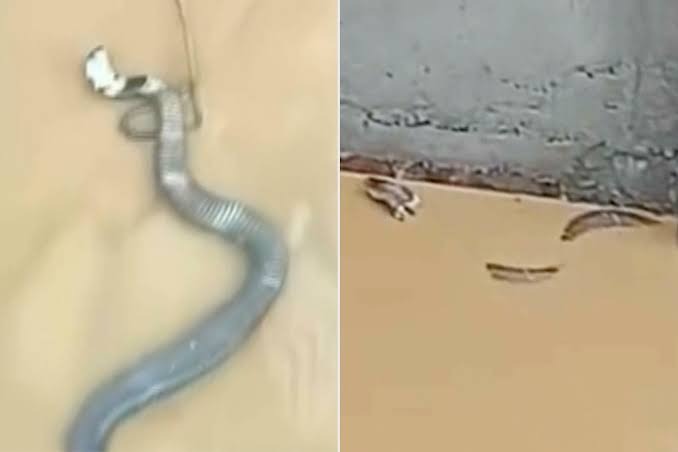
Severe Weather Creates an Unusual Wildlife Situation
Extreme weather can affect communities in many unexpected ways. Heavy rainfall may damage roads, interrupt transportation, and place pressure on rivers and reservoirs. Occasionally, it can also impact facilities that house animals, creating additional challenges for emergency responders.
Following severe flooding in southern China, local officials reported that hundreds of snakes left a breeding facility after rising water damaged the property. The incident attracted widespread attention as authorities worked to locate the escaped reptiles while urging residents to prioritize safety.
The event highlights how natural disasters can affect both human communities and facilities that manage animals, emphasizing the importance of coordinated emergency response.
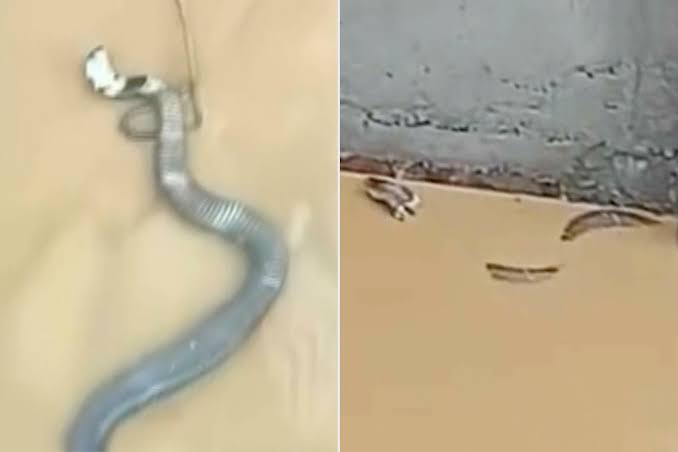
Floodwaters Damaged a Snake Breeding Farm
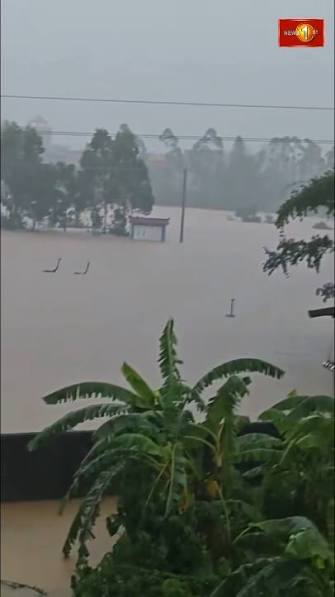
According to multiple news reports, extensive flooding in the Guangxi Zhuang Autonomous Region affected a snake breeding farm near the city of Hengzhou.
Local officials stated that floodwaters damaged the facility, allowing a large number of snakes to leave the site.
The flooding occurred during a period of exceptionally heavy rainfall associated with a powerful typhoon that affected large portions of southern China.
Emergency crews began assessing the area while local authorities issued public safety guidance for nearby residents.
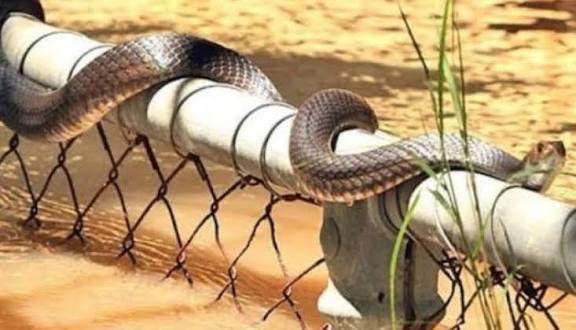
Hundreds of Snakes Reportedly Left the Facility
Officials estimated that as many as 900 snakes may have escaped after floodwaters affected the breeding farm.
According to village committee representatives cited in published reports, most of the escaped reptiles were believed to be non-venomous water snakes.
Authorities also indicated that the collection may have included some cobra species, prompting additional caution during recovery efforts.
Because recovery operations continued after the initial reports, officials noted that the exact number and locations of the escaped animals could change as searches progressed.

Recovery Teams Began Searching Immediately
Local authorities organized specialized teams to recover the escaped snakes.
According to published reports, trained personnel used equipment appropriate for safely handling reptiles while searching flooded areas.
Officials emphasized that wildlife recovery should be carried out by experienced responders rather than members of the public.
Managing escaped animals during flood conditions presents unique challenges because visibility may be reduced and access to affected areas can remain limited until water levels begin to recede.
Residents Were Urged Not to Approach the Snakes
Public safety officials advised nearby residents to report snake sightings immediately rather than attempting to capture or move the animals.
Wildlife experts generally recommend maintaining a safe distance from unfamiliar reptiles because identifying species accurately in the field can be difficult.
Even experienced professionals rely on specialized equipment and training when handling snakes safely.
Following official guidance helps reduce unnecessary risks while allowing qualified teams to carry out recovery operations.
Flooding Affected Communities Across the Region
The snake farm incident occurred as southern China experienced widespread flooding linked to severe weather.
Heavy rainfall placed pressure on rivers, reservoirs, and flood-control systems throughout parts of the region.
Authorities responded with evacuations in some communities while monitoring changing water conditions.
According to official reports, multiple rivers exceeded warning levels during the event, prompting elevated flood alerts and expanded emergency response efforts.
Natural disasters often require emergency services to address several different situations simultaneously, including infrastructure damage, community safety, and impacts on agricultural or animal facilities.
Why Extreme Weather Can Affect Animal Facilities
Facilities that house animals, including farms, conservation centers, and breeding operations, may face additional challenges during severe storms.
Flooding can affect:
-
Buildings and enclosures.
-
Access roads.
-
Utility services.
-
Drainage systems.
-
Animal containment infrastructure.
Operators generally prepare emergency response plans designed to reduce these risks, but unusually severe weather can still create unpredictable situations.
Emergency planning continues to evolve as facilities learn from previous weather events.
Understanding Cobra Species
Cobras belong to a group of snakes found across parts of Asia and Africa.
Many species play important ecological roles by helping regulate populations of rodents and other small animals.
Although some cobra species possess medically significant venom, they generally avoid contact with people whenever possible.
Herpetologists emphasize that snakes are not naturally aggressive toward humans and usually prefer retreat when given an opportunity.
For this reason, wildlife authorities consistently advise allowing trained professionals to manage encounters involving unfamiliar snakes.
Wildlife and Floods
Flooding frequently alters the movement of wild animals.
As water rises, many species naturally seek higher ground or relocate temporarily until environmental conditions improve.
Scientists studying flood ecology note that reptiles, mammals, birds, and amphibians may all appear in unusual locations following major storms.
These movements are generally responses to changing habitat conditions rather than unusual behavioral changes.
Understanding these natural responses helps wildlife professionals plan safe recovery efforts during natural disasters.
Community Cooperation Supports Recovery
Officials emphasized that public cooperation plays an essential role during incidents involving escaped animals.
Timely reports from residents allow response teams to identify locations more quickly while reducing unnecessary risks.
Modern emergency management often combines information from local residents, wildlife specialists, environmental agencies, and public safety personnel to coordinate effective responses.
This collaborative approach is especially valuable during large-scale weather emergencies affecting multiple communities.
Preparing for Future Weather Events
Around the world, emergency planners continue strengthening preparedness for increasingly complex weather events.
Many facilities housing animals are reviewing infrastructure, improving flood protection, enhancing drainage systems, and updating emergency procedures.
These efforts help improve resilience while protecting both animals and surrounding communities during future storms.
Lessons learned from each event contribute to better planning and more effective responses in the years ahead.
Conclusion
The reported escape of hundreds of snakes from a flooded breeding facility in southern China illustrates how severe weather can create unexpected challenges extending beyond roads and residential areas. While authorities focused on recovering the animals safely and protecting nearby communities, the incident also highlighted the importance of emergency preparedness, public awareness, and coordinated wildlife management.
As recovery efforts continue following major storms, events like this provide valuable opportunities for emergency agencies and animal management professionals to strengthen future planning. They also remind us that natural disasters affect every part of the environment, requiring cooperation between communities, scientists, and public officials.
Stories such as this continue to capture public interest because they reflect humanity’s enduring curiosity about wildlife and our ongoing efforts to understand how people and animals can safely coexist during the changing forces of nature.
Sources
-
People. Report on the snake breeding farm incident.
-
The Telegraph. Coverage of flooding and escaped snakes.
-
China Daily. Official reporting on flood response.
-
South China Morning Post. Coverage of regional flooding and weather alerts.
-
International Union for Conservation of Nature. Resources on reptiles and wildlife conservation.