Few things are as relaxing as spending an afternoon in the garden. Pulling weeds, tending flowers, and watching plants grow can be both rewarding and peaceful. But every now and then, nature presents a surprise that leaves even experienced gardeners scratching their heads.
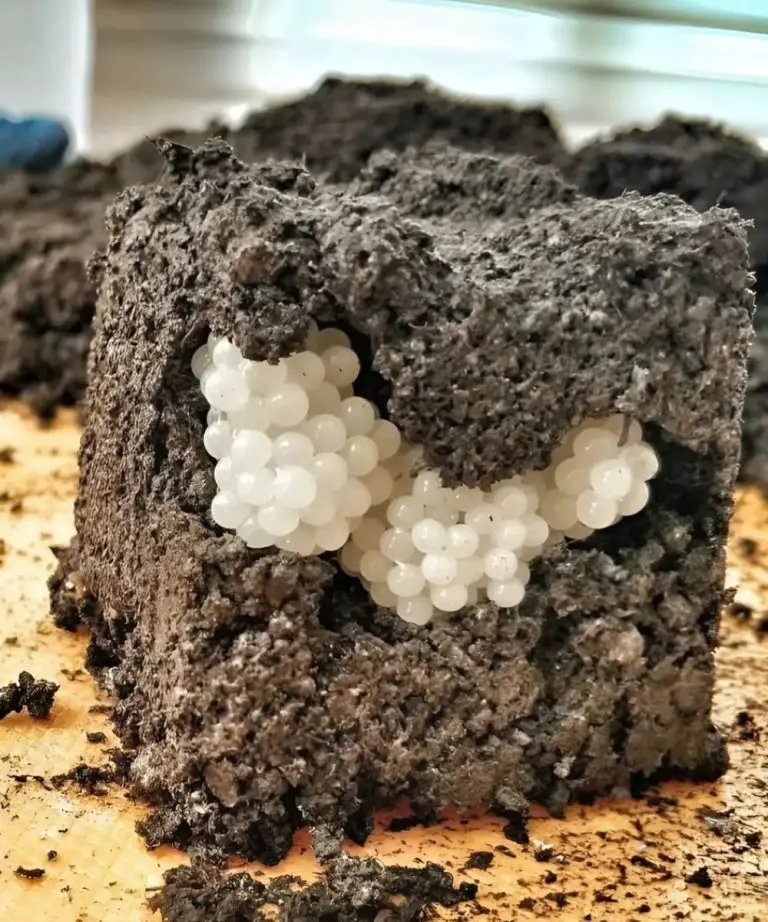
Imagine kneeling down to remove a few weeds when you notice a cluster of tiny, pearl-like spheres tucked just beneath the soil. They look almost artificial—smooth, translucent, and perfectly round. At first glance, you might think they’re small beads or bits of plastic.
In many cases, however, these mysterious little spheres have a perfectly natural explanation: they’re likely snail eggs.
Understanding what snail eggs look like, why they’re found in gardens, and how to manage them can help gardeners make informed decisions while protecting their plants.

What Do Snail Eggs Look Like?
Snail eggs are surprisingly distinctive.
Most species lay clusters of small, round eggs that are:
- White or translucent
- Slightly glossy
- Soft and jelly-like
- About the size of small peas or tiny pearls
- Buried just below the surface of moist soil
As the eggs develop, tiny dark spots may become visible inside, indicating that the embryos are growing.
Because they resemble small beads or pearls, they’re easy to mistake for something else during routine gardening.
Why Do Snails Lay Eggs in Gardens?
Gardens provide an ideal environment for many snail species.
They typically prefer areas with:
- Moist soil
- Plenty of shade
- Decaying leaves
- Mulch
- Flower beds
- Vegetable gardens
- Spaces beneath pots or stones
These locations help keep the eggs from drying out while providing newly hatched snails with easy access to food.

How Many Eggs Can a Snail Lay?
Many common garden snails can lay dozens of eggs in a single cluster.
Depending on the species and environmental conditions, one snail may produce multiple clusters over the course of a season.
Warm temperatures and consistently damp soil often encourage successful egg development.
Should Gardeners Be Concerned?
Finding a few snail eggs is usually not a reason to panic.
However, if left undisturbed, a large number of eggs may eventually contribute to an increase in the local snail population.
Since many snails feed on tender leaves, seedlings, herbs, and vegetables, larger populations can become frustrating for gardeners trying to protect young plants.
Fortunately, there are several simple ways to manage snail activity without using harsh chemicals.
How to Identify Snail Eggs
If you’re unsure what you’ve found, consider these characteristics.
Snail eggs are generally:
- Clustered together rather than scattered
- Soft instead of hard
- Slightly transparent
- Found beneath the soil rather than on plant leaves
- Located in cool, damp areas
Other garden insects and animals may also lay eggs, so careful observation is always worthwhile before taking action.

Safe Ways to Manage Snail Eggs
If you decide to remove snail eggs from your garden, several practical methods are commonly recommended.
Remove the Egg Cluster
Using gardening gloves or a small trowel, gently lift the cluster from the soil.
Dispose of Them Properly
Many gardeners place the eggs into a sealed bag before disposing of them with household waste.
Others follow local gardening recommendations for disposal.
Reduce Moist Hiding Places
Snails prefer damp, sheltered environments.
Regularly clearing excess debris such as:
- Fallen leaves
- Thick mulch
- Unused boards
- Empty pots
can make the area less attractive for egg-laying.
Inspect Regularly
Checking flower beds, vegetable gardens, and containers from time to time helps catch new egg clusters early.
Can Snail Eggs Affect People?
Most garden snail eggs pose little direct concern during ordinary gardening.
However, public health authorities recommend using sensible hygiene practices whenever handling soil, snails, or slugs.
Simple precautions include:
- Wearing gardening gloves
- Washing hands thoroughly afterward
- Rinsing fresh garden vegetables before eating
- Keeping children from handling wild snails or unknown eggs
In some parts of the world, certain snail and slug species can carry parasites. While the overall risk varies greatly by region and species, good gardening hygiene is always a wise habit.

Helpful Ways to Reduce Snail Populations Naturally
Gardeners who prefer natural methods often try several approaches.
These may include:
- Watering early in the day so soil dries before nightfall
- Encouraging natural predators such as birds where appropriate
- Removing hiding places
- Hand-picking snails during damp evenings
- Creating physical barriers around vulnerable plants
Using a combination of methods often works better than relying on a single solution.
Why Moist Weather Matters
Snails are especially active after rainfall or during humid weather.
Moist conditions help them travel more easily and reduce the risk of dehydration.
As a result, gardeners often notice increased snail activity during:
- Spring
- Rainy periods
- Mild autumn weather
This is also when egg-laying is most common.
Nature Is Full of Surprises
One of the joys of gardening is discovering the hidden life beneath the soil.
Tiny mushrooms appear overnight. Earthworms improve the soil. Beneficial insects visit flowers. Occasionally, mysterious little clusters of translucent eggs emerge beneath the mulch.
Rather than causing alarm, these discoveries offer an opportunity to learn more about the complex ecosystems that exist in every backyard.
Understanding what you’re seeing allows you to respond thoughtfully while keeping your garden healthy.
Final Thoughts
Finding small, jelly-like spheres in your garden can certainly spark curiosity. In many cases, they’re simply snail eggs hidden beneath moist soil.
Although large snail populations may become a nuisance for some gardens, regular inspection, good garden maintenance, and simple hygiene practices are usually enough to manage the situation effectively.
The next time you spot something unusual while gardening, take a closer look. Nature often has fascinating stories waiting just beneath the surface.
Sources
- Royal Horticultural Society (RHS) – Managing Slugs and Snails
- University of California Integrated Pest Management (UC IPM) – Snails and Slugs
- Missouri Botanical Garden – Garden Pest Identification
- Centers for Disease Control and Prevention (CDC) – Rat Lungworm Disease Information
- USDA National Institute of Food and Agriculture – Home Gardening Resources