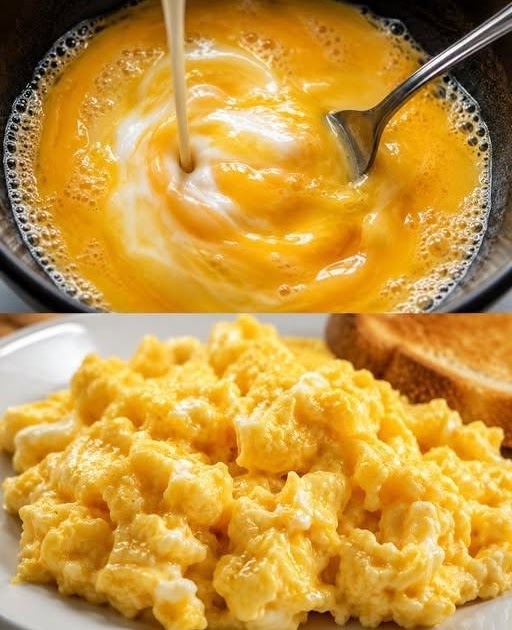
There’s something comforting about a plate of scrambled eggs.
They’re often one of the first recipes we learn to cook, making them a breakfast staple in homes around the world. Yet despite their simplicity, truly exceptional scrambled eggs can feel surprisingly difficult to master.
Maybe you’ve ended up with eggs that were dry, rubbery, watery, or overcooked. It happens to almost everyone.
The good news is that making restaurant-quality scrambled eggs doesn’t require fancy equipment or expensive ingredients. A few simple techniques—and a little understanding of how eggs cook—can transform your breakfast into something wonderfully creamy, fluffy, and full of flavor.
Why Scrambled Eggs Can Be Tricky
Eggs are made mostly of water and protein.
As heat is applied, the proteins begin to unfold and connect with one another, creating the soft curds we recognize as scrambled eggs. The challenge is controlling that process.
If the heat is too high or the eggs cook for too long, the proteins tighten excessively, forcing out moisture. The result is eggs that become firm, dry, and less enjoyable.
Gentle cooking helps preserve moisture, creating soft, delicate curds instead.

The Science Behind Better Eggs
Understanding a few basic principles makes a noticeable difference.
Low Heat Produces Creamier Eggs
Cooking slowly allows the proteins to set gradually without becoming tough.
Butter Adds Richness
Butter contributes flavor while helping create a silky texture.
Gentle Stirring Creates Soft Curds
Instead of constantly stirring, slowly moving the eggs allows larger, creamier curds to develop.
Residual Heat Continues Cooking
Even after removing the pan from the stove, the eggs continue to cook for a short time. Taking them off the heat slightly early helps prevent overcooking.
Ingredients
For two servings, you’ll need:
- 4 large eggs
- 1 tablespoon butter
- Salt, to taste
- Freshly ground black pepper, if desired
Optional additions include:
- Chopped chives
- Fresh parsley
- Shredded cheese
- A spoonful of crème fraîche or cream cheese
- Diced tomatoes
- Sautéed mushrooms
- Spinach
Step 1: Crack and Whisk the Eggs
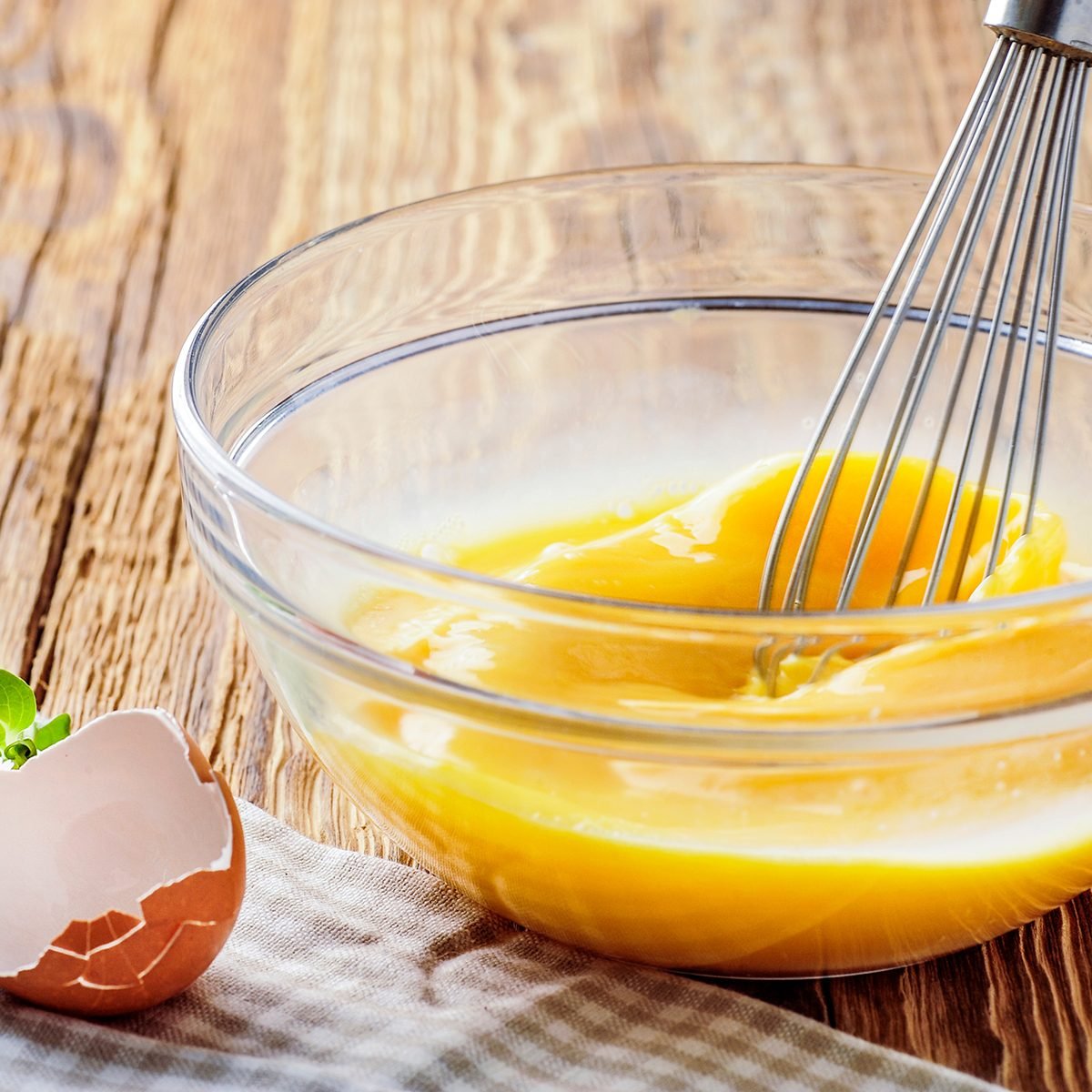
Crack the eggs into a bowl.
Whisk thoroughly until the yolks and whites are completely combined.
The more evenly mixed the eggs are, the more consistent the finished texture will be.
You don’t need to whip in excessive air—just blend everything smoothly.
Step 2: Season at the Right Time
Add a pinch of salt just before cooking.
Allowing the eggs to sit for a minute after salting can help create a tender texture while maintaining moisture.
Freshly ground black pepper can be added during or after cooking according to your preference.
Step 3: Heat the Pan Gently
Place a nonstick skillet over low to medium-low heat.
Add the butter and let it melt slowly.
The butter should foam gently without browning.
High heat is one of the most common reasons scrambled eggs become dry.
Step 4: Add the Eggs
Pour the whisked eggs into the warm pan.
Let them sit undisturbed for several seconds before stirring.
This allows the first soft curds to begin forming.
Step 5: Stir Slowly
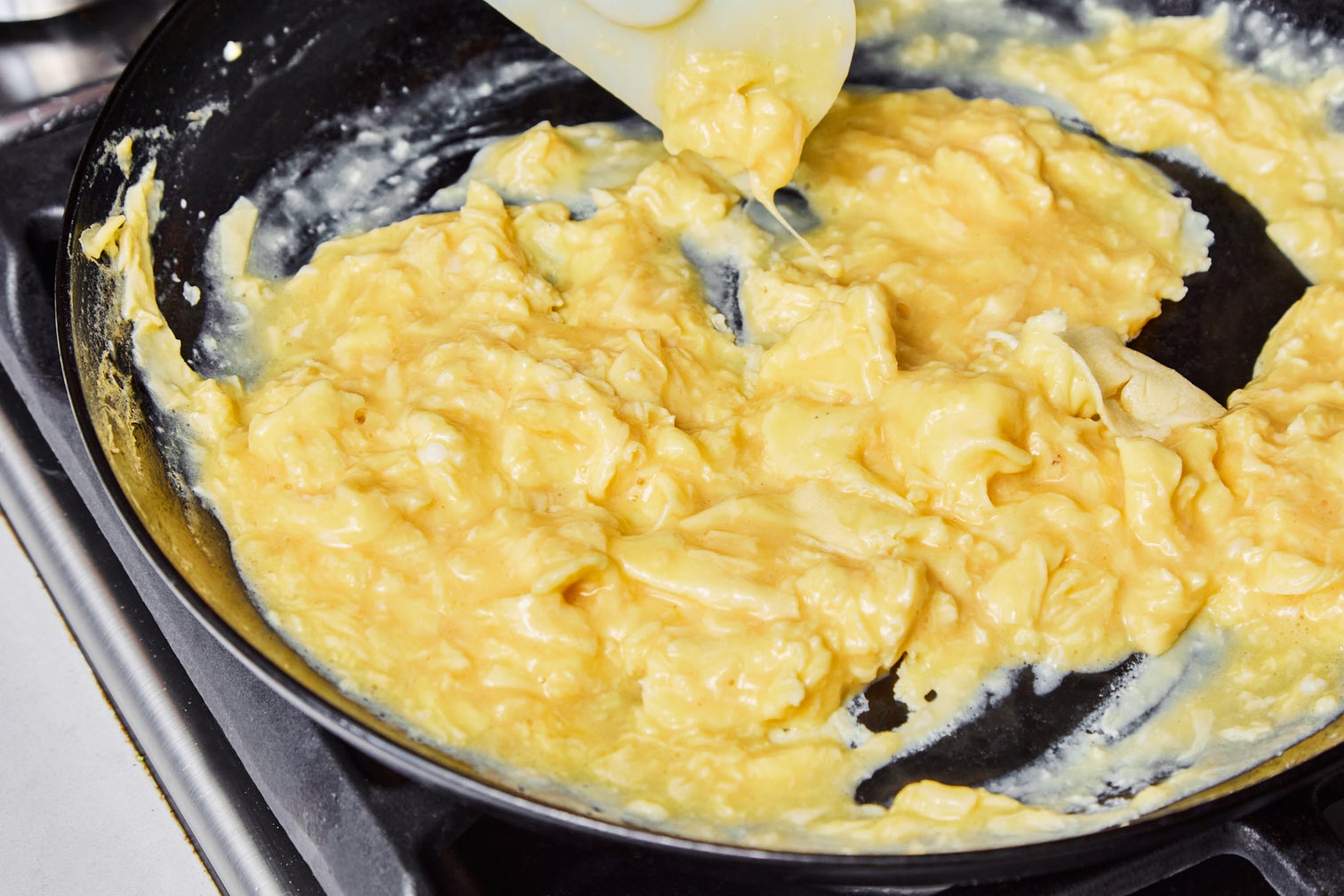
Using a silicone spatula or wooden spoon, gently push the eggs from the edges toward the center.
Continue making slow, sweeping motions rather than stirring constantly.
Large, soft curds will gradually form.
Patience is key.
Step 6: Remove from Heat Early
When the eggs appear mostly set but still look slightly glossy, remove the pan from the heat.
The remaining warmth in the pan will finish cooking them naturally.
This simple step helps preserve their creamy texture.
Common Mistakes to Avoid
Cooking Over High Heat
Fast cooking often leads to firm, dry eggs.
Leaving Eggs in the Pan Too Long
Residual heat continues cooking even after the burner is turned off.
Constant Stirring
Overmixing breaks apart the curds and creates a finer, less tender texture.
Waiting Too Long to Serve
Scrambled eggs are at their best immediately after cooking.
Delicious Additions
Once you’ve mastered the basic technique, it’s easy to customize your eggs.
Popular combinations include:
Cheese
Cheddar, Swiss, goat cheese, or feta melt beautifully into warm eggs.
Fresh Herbs
Chives, parsley, dill, or basil brighten the flavor.
Vegetables
Sautéed spinach, mushrooms, onions, peppers, or tomatoes add color and nutrition.
Smoked Salmon
Thin slices added at the end create an elegant breakfast.
Avocado
Serve alongside sliced avocado for extra richness.
What to Serve with Scrambled Eggs
Scrambled eggs pair well with many breakfast favorites, including:
- Toasted sourdough bread
- Whole-grain toast
- Roasted potatoes
- Fresh fruit
- Crispy bacon or turkey bacon
- Breakfast sausage
- English muffins
- Mixed greens
They’re equally delicious for brunch or even a light dinner.
Can You Reheat Scrambled Eggs?
Freshly cooked eggs always have the best texture.
However, leftovers can be stored in an airtight container in the refrigerator for up to two days.
Reheat gently over low heat or in short microwave intervals, stirring between each to avoid overcooking.
Why Restaurant Eggs Taste So Good
Professional chefs often rely on a few simple habits:
- Low cooking temperatures
- Plenty of butter
- Constant attention
- Removing eggs from heat before they’re fully set
- Serving immediately
Fortunately, every one of these techniques can be used at home.
Final Thoughts
Perfect scrambled eggs aren’t about secret ingredients—they’re about gentle cooking and careful timing.
By using low heat, stirring slowly, adding butter, and removing the eggs from the pan just before they’re fully cooked, you can consistently create eggs that are soft, creamy, and full of flavor.
Whether you’re preparing a quick weekday breakfast or a leisurely weekend brunch, these simple techniques can elevate one of the most familiar dishes into something truly memorable.
Sometimes the best recipes aren’t complicated at all—they simply reward a little patience.
Sources
- American Egg Board – Egg Cooking Basics and Preparation Tips
- USDA FoodData Central – Nutrition Information for Eggs
- Harvard T.H. Chan School of Public Health – The Nutrition Source: Eggs
- The Culinary Institute of America – Fundamental Egg Cookery Techniques