Chapter 1: The Midnight Call
The sound of my suitcase wheels clicking against the wet curb outside the Minneapolis hotel was the first thing that anchored me to that night. It was past midnight, and a thin mist was falling across the city, blurring the sharp glow of the streetlights along the avenue. I had traveled there for a series of corporate consulting meetings scheduled to span three days, but by 12:11 a.m., professional obligations were the farthest thing from my mind.
My phone vibrated violently in my hand. The display showed the name of Carolyn Sherwood, my sixty-four-year-old neighbor who lived directly across the street from my family home. Carolyn was a retired public school librarian, known throughout our neighborhood for her gentle demeanor and her habit of leaving home-baked goods on neighbors’ porches. She was the last person I expected to call me after midnight, and the tremor in her voice immediately set me on edge.
“James,” she whispered, her voice barely carrying over the background hum of the rain. “I don’t know what to do.”
I stepped back into the quiet hotel lobby, the smell of lemon cleaner and stale coffee filling the space. “Carolyn, what’s wrong? What happened?”
There was a hesitant pause on the line before she answered. “Your daughter, Sarah, is sitting alone outside in your driveway near the mailbox.”
A wave of panic hit me. “Is she alright? Is someone with her?”
“She’s completely alone, James,” Carolyn continued quietly. “She looks cold and upset, and the front door to your house is completely closed. I can see the light on, but no one is coming outside.”
My grip tightened on the phone. Sarah was only eight years old—small for her age, thoughtful, and deeply attached to her routines. Whenever I traveled for work, she would leave small notes inside my luggage containing drawings of our house and messages asking me to return quickly. Three years earlier, I had married Melissa, believing that building a blended family would provide Sarah with a stable and structured home. Melissa was organized, social, and involved in school activities. I had mistaken her participation in routine tasks for genuine care, assuming our household was secure.
I instructed Carolyn to remain where she was. “Please keep your porch light on and keep an eye on her until I can resolve this. Don’t leave her alone.”
“I won’t,” Carolyn assured me firmly. “I’m watching from my window right now.”
I immediately dialed Melissa’s phone number. The line rang until it went to voicemail. I dialed a second time, then a third, and continued until I reached twenty unanswered calls. Melissa always kept her phone nearby—on her nightstand, in her car, or at her desk. Missing a single call during late hours could be an oversight, but ignoring repeated calls while an eight-year-old sat outside in the cold was a deliberate choice.
At 12:17 a.m., I called Norma Richard, Melissa’s mother. Norma answered on the fourth ring, her voice surprisingly calm and detached.
“James,” she said evenly.
“Norma, where is Melissa? Why is Sarah sitting outside alone?” I demanded, pulling my vehicle onto the highway shoulder as rain drummed against the windshield.
Norma offered no surprise or urgency. She paused briefly before speaking in a measured, icy tone. “Oh, James. She isn’t our concern tonight. You should speak directly to your wife.”
“Melissa isn’t answering her phone!” I shouted over the sound of passing traffic.
“Then that is a matter between the two of you,” Norma replied smoothly, and hung up the phone.
Sitting in the dark with my hazard lights blinking, I recognized that I could not handle this situation alone from hundreds of miles away. I needed immediate, reliable support on the ground. I picked up the phone and dialed my younger brother, Christopher.
Chapter 2: Mobilizing Support
Christopher answered on the second ring, his voice instantly alert despite the late hour. Chris was a legal professional who understood how to handle high-stress situations with precision. Where I analyzed corporate systems, Chris analyzed human behavior and regulatory frameworks.
“Jamie?” he asked.
“I need you to go to my house right now,” I said, my voice shaking slightly. “Carolyn called. Sarah is sitting outside alone in the driveway, Melissa isn’t answering her phone, and Norma just hung up on me.”
I heard the sound of Chris’s car keys rustling and his jacket rustling as he moved toward his door. “I’m on my way. Talk to me while I drive. Tell me everything Carolyn said.”
As Chris drove through the quiet night toward my residential neighborhood, he gave me clear instructions. “Do not call Melissa again. Do not call Norma, and do not text either of them. If they try to reach out to you, do not respond. We need to document everything that happens next without giving them an opportunity to rewrite the narrative.”
Thirty-two minutes later, Chris called me back from his vehicle.
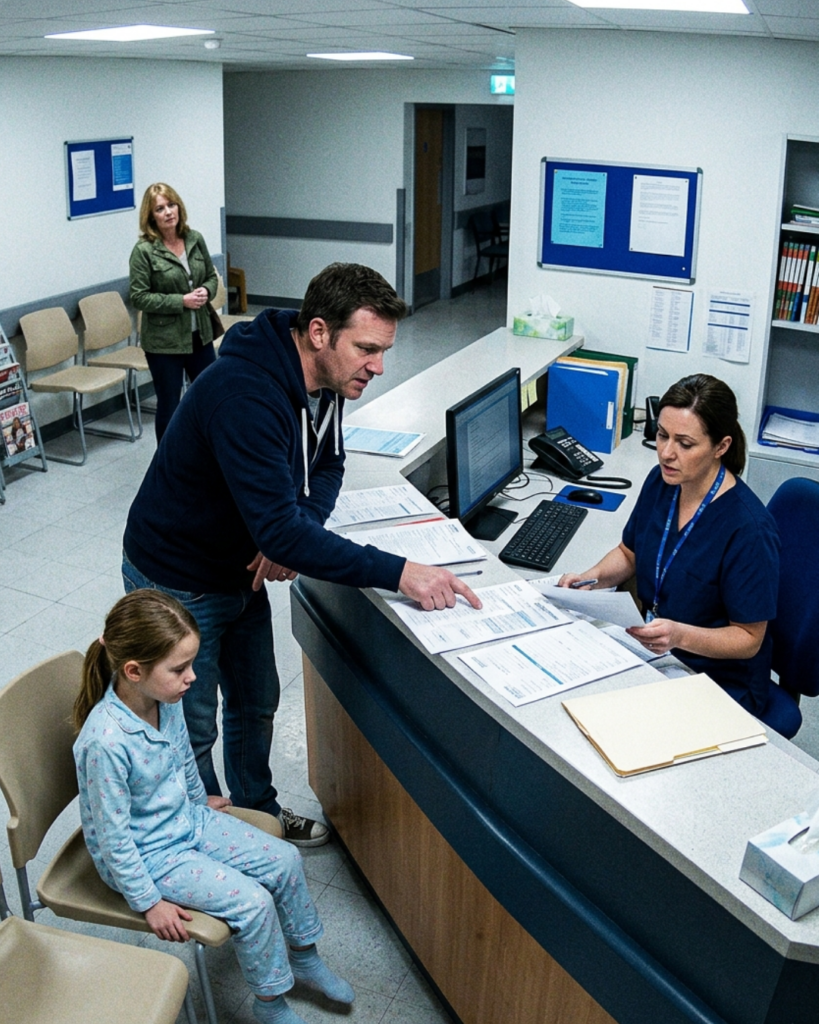
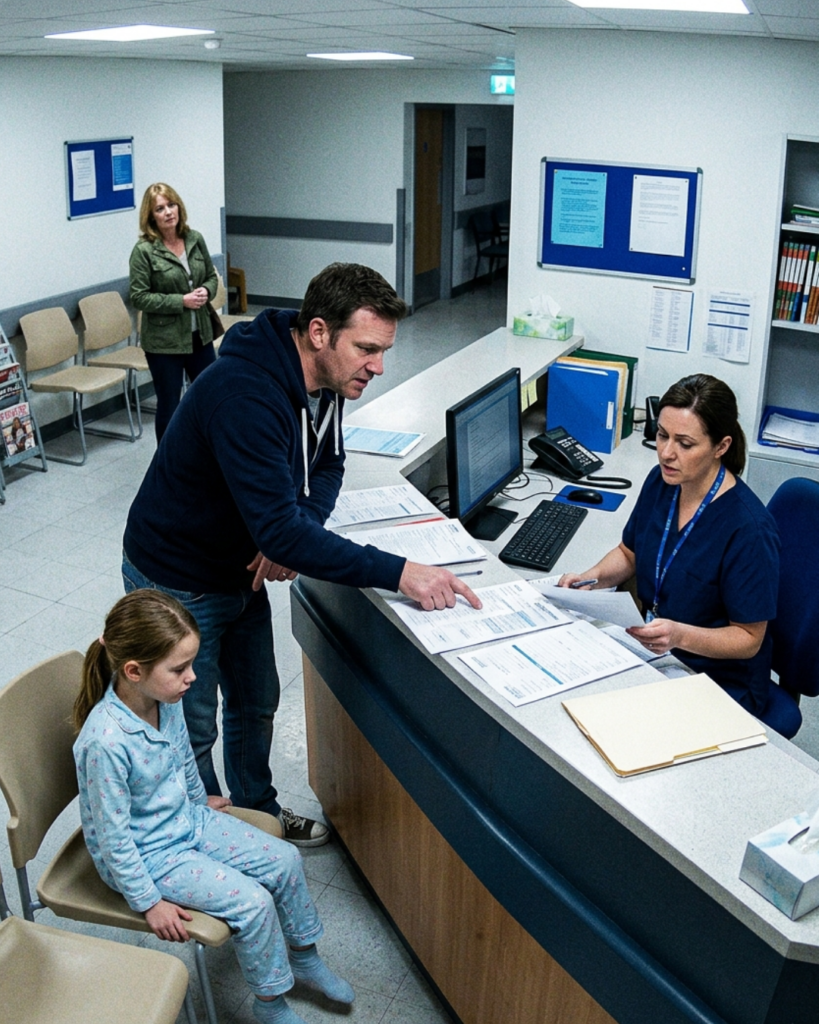
“I have Sarah with me,” he reported immediately, keeping his tone calm and reassuring. “She is safe in my car right now, and I’m taking her to the local urgent care center just to have a pediatric specialist check her over and ensure she’s warm and fully taken care of.”
A profound sense of relief washed over me, though the underlying worry remained. “What happened out there, Chris? Why was she outside?”
“She’s tired and frightened, Jamie,” Chris explained quietly, lowering his voice so Sarah wouldn’t hear. “She told me that Melissa had a disagreement with her and told her to wait outside until you arrived home, then locked the door. Norma was inside the house as well. Neither of them checked on her for hours.”
The realization that two adults had deliberately ignored a young child sitting outside in the dark hit me with crushing weight. It was not a sudden accident, but a conscious decision to withdraw care.
“I am driving back right now,” I told Chris, turning my car around and heading south on the interstate.
“Drive carefully,” Chris emphasized. “I am going to make sure every detail is officially recorded tonight. I’m having the clinic document her arrival time, her condition, and the statements provided by Carolyn.”
While I drove through the night, Chris systematically established a clear record of events. He requested a formal assessment from the duty staff, asked the responding officer to take Carolyn’s detailed witness statement regarding the timeline, and preserved all incoming and outgoing call records from my phone. By treating the situation with strict professional diligence, he ensured that the facts could not be disputed or downplayed later.
Chapter 3: Confronting the Reality
By the time the early morning light began to break over the horizon, I had driven through the night and arrived at the care facility. The building was quiet, lit by soft overhead lighting.
I walked into the observation room where Sarah was resting under a warm blanket, a small cup of orange juice sitting on the table beside her bed. She looked tiny in the large room, her hair slightly tangled, but her eyes brightened the moment I stepped through the door.
“Daddy,” she whispered, sitting up carefully.
I sat on the edge of the bed and wrapped my arms around her, holding her tightly. “I’m here, sweetheart. You’re completely safe now.”
She leaned her head against my shoulder. “I stayed outside like she told me to. I tried to be good.”
Hearing her words broke my heart, but I kept my voice steady and comforting. “You didn’t do anything wrong, Sarah. Not a single thing. You were very brave, but you will never have to wait like that again.”
Chris stepped into the hallway and motioned for me to join him. He held a manila folder containing copies of the intake records, Carolyn’s written statement, and the preliminary report filed by the responding officer.
“Melissa finally texted your phone at 7:18 a.m.,” Chris informed me, holding up his tablet to show me the message.
The text read: We need to discuss household matters when you return.
There was no inquiry regarding Sarah’s well-being, no apology, and no acknowledgment of the previous night’s events. Shortly after, Norma attempted to call my phone twice, but following Chris’s advice, I left the calls unanswered.
“What is our next step?” I asked Chris, looking at the documents in the folder.
“We go directly to the family court administrative office,” Chris stated calmly. “We present the verified timeline, the independent witness statements, and the official reports. We secure immediate protective arrangements so that Sarah remains under your sole care.”
Later that morning, Chris accompanied an officer to my house to retrieve Sarah’s personal belongings, while I remained at the facility with my daughter. When Melissa opened the door, she appeared irritated rather than concerned, attempting to frame the entire incident as a routine disciplinary misunderstanding. However, faced with the official documentation and the officer’s presence, her excuses carried no weight.
The official records created by Chris, Carolyn, and the facility staff provided an indisputable account of what had occurred. The facts spoke for themselves, removing any room for misrepresentation or blame-shifting.
Chapter 4: Restoring Peace
In the weeks that followed, formal administrative orders were put in place. Primary custody was firmly established in my favor, and strict boundaries were instituted regarding any future contact from Melissa or her mother. The home that had once felt uncertain was reorganized to ensure Sarah felt entirely secure and supported at all times.
I adjusted my professional schedule significantly, transitioning to local consulting roles to ensure I was present every afternoon when Sarah came home from school. We established new daily routines, spending evenings preparing meals together, reading in the living room, and working on her artwork.
Carolyn continued to be a reassuring presence in our lives, frequently dropping by with fresh baking and checking in on Sarah. Chris came over every weekend, helping me make repairs around the house and ensuring that Sarah always felt surrounded by family who cared for her unconditionally.
One morning, while we were sitting at the kitchen table having breakfast, Sarah reached into her bag and pulled out a small drawing she had completed at school. It depicted our house with bright yellow light shining from every window, showing the two of us standing together in the front yard.
She slid the paper across the table toward me with a gentle smile. “This one is for your office, Dad.”
I looked at the drawing, feeling a deep sense of gratitude for the people who had stepped up when it mattered most—for a neighbor who refused to look away, a brother who took action with absolute clarity, and the quiet resilience of my daughter.
Healing had not happened overnight through a single dramatic event. It was built day by day, through consistent care, honest communication, and the unwavering commitment to ensure that Sarah would always know she was safe, valued, and home.